Ticks in Late Fall: Why Chattanooga Yards Still Need Attention in November
Ticks in Late Fall: Why Chattanooga Yards Still Need Attention in November
Short Answer: Ticks do not disappear when the weather cools in Chattanooga. Adult blacklegged ticks are active in fall and early winter whenever temperatures rise above freezing, and other species can turn up on mild days. Ticks wait in leaf litter, tall grass, and brush along wooded edges, stone walls, and paths, which describes many properties on the area’s ridges and mountains. Reducing that habitat, treating the edges where ticks wait, keeping pets on year-round prevention, and checking for ticks after outdoor time keep exposure down through the cooler months.
If you found a tick on your dog last week, you may have been surprised. Most people think of ticks as a summer problem, something you worry about during July hikes and evenings on the patio. By November, with frost on the windshield in the morning, it seems like they should be gone.
That is not quite how ticks work, especially in the Chattanooga area. Many of the homeowners we talk to on Signal Mountain, Lookout Mountain, and along the wooded ridges see ticks well into late fall. Here is why, and what helps.
Not All Ticks Follow the Same Calendar
Several species of ticks live in the Chattanooga area, and they do not all behave the same way.
Lone star ticks are among the most common in Tennessee. They are aggressive biters and are most active from spring through late summer. They slow down considerably in cold weather.
American dog ticks are also common, and they are most active in spring and summer.
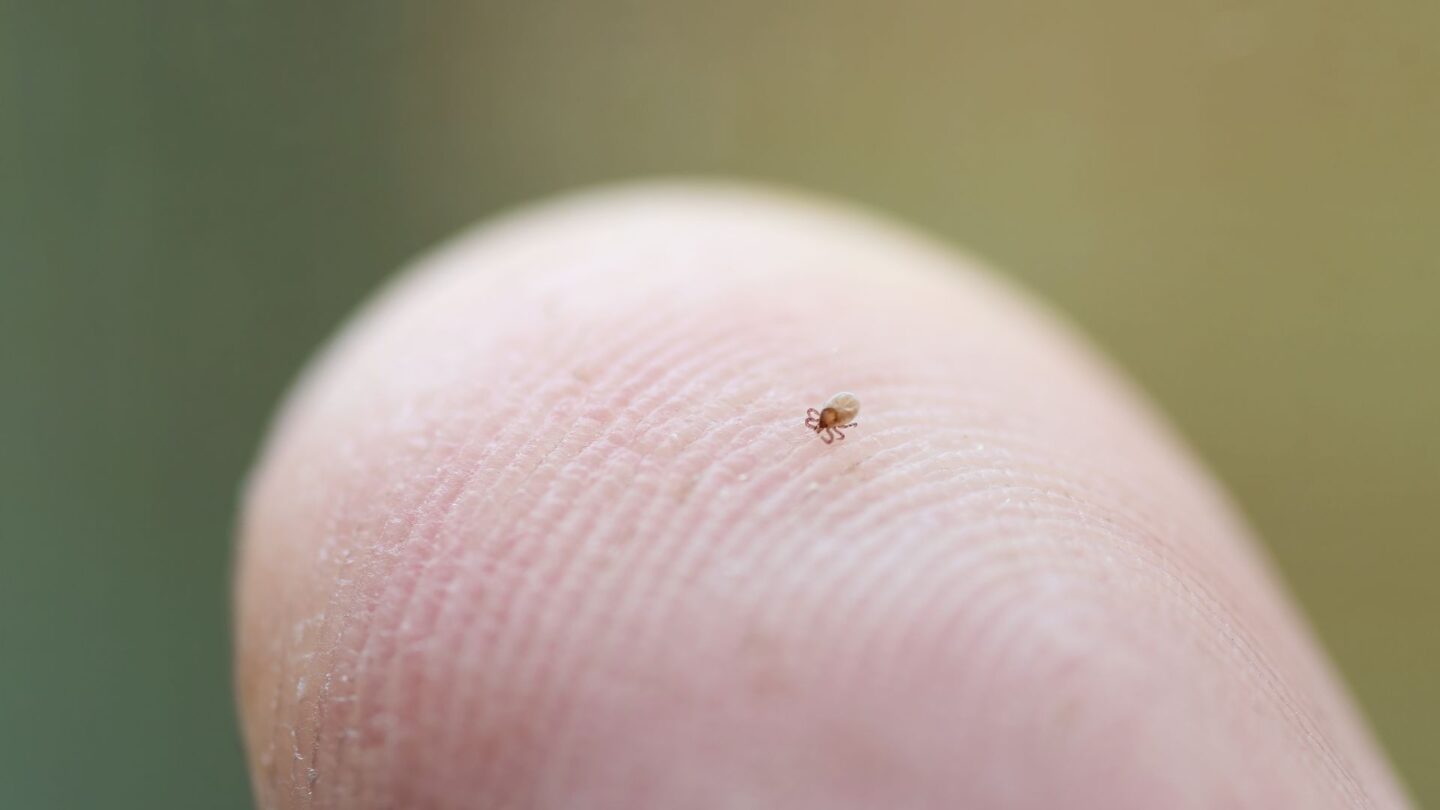
Blacklegged ticks, often called deer ticks, follow a different pattern. Adult blacklegged ticks become active in fall and remain active through winter on days when the temperature rises above freezing. That is why tick encounters in November, December, and even January are not unusual.
Why Fall Is Prime Time for Adult Blacklegged Ticks
Adult blacklegged ticks seek out larger hosts like deer in fall to feed and mate. Deer are common across the wooded ridges and mountain neighborhoods around Chattanooga, and they move through yards, along tree lines, and across the edges of lawns. Wherever deer travel, ticks can drop off and wait for the next host, which might be your dog or your child.
A mild, sunny November afternoon is all it takes for those ticks to become active again.
Where Ticks Wait in Your Yard
Ticks do not do well in short, sunny, open lawn. They dry out quickly in those conditions. Instead, they wait in places that stay cool and humid: leaf litter, tall grass, and brush. In most yards, that means the edges, not the middle.
The most common tick spots around Chattanooga homes include the border where the lawn meets the woods, along stone walls and fence lines, under shrubs and in dense groundcover, along paths through wooded areas, around woodpiles, and in leaf piles that never got cleared.
Reducing Tick Habitat
Changing the yard is one of the most effective ways to reduce tick encounters. Here is what we have found works best.
Clear leaf litter, especially along wooded edges and under shrubs. Keep grass mowed short along the borders between lawn and woods. Remove brush piles and tall weeds near play areas and paths. Stack firewood neatly, off the ground, and away from the house. Consider a three-foot strip of wood chips or gravel between the lawn and the woods, which creates a dry barrier ticks are less likely to cross. Keep play equipment, patios, and seating in sunny areas away from the woods.
Treating the Edges
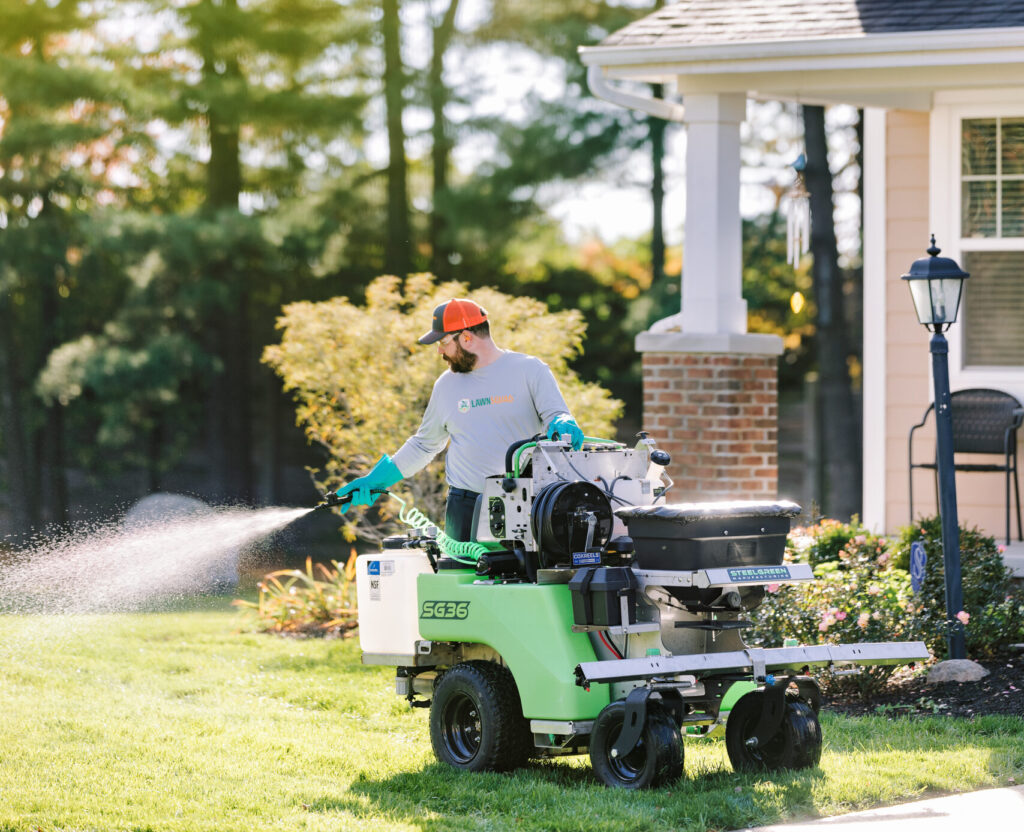
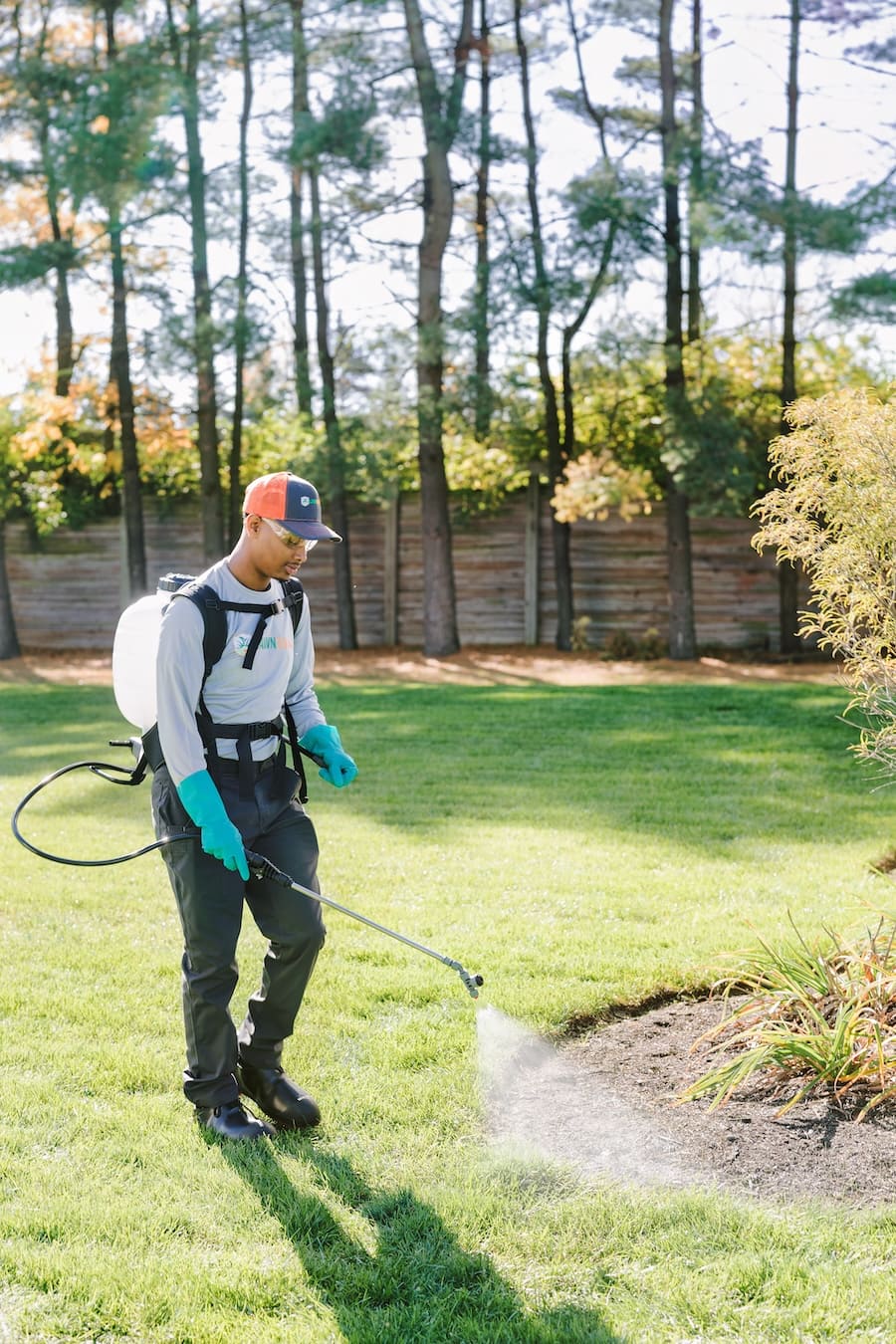
A surface insect control treatment for ticks focuses on the places ticks actually wait: wooded edges, fence lines, shrub borders, and shaded areas where pets and people spend time. Treating the entire open lawn is rarely necessary. The goal is to reduce ticks where your family and pets are most likely to encounter them.
In late fall, treatments are most effective on mild days, when ticks are active, and they work best combined with habitat changes like leaf removal.
Protecting Pets
Dogs and outdoor cats are often the first to bring ticks into the house. Talk with your veterinarian about tick prevention, and keep it going through the winter rather than stopping when the weather cools. Check pets for ticks after time outdoors, paying attention to the ears, neck, armpits, and between the toes.
Protecting Your Family
After time spent near wooded areas, check kids and adults for ticks, especially along the hairline, behind the ears, in the armpits, and around the waist. Showering soon after coming inside can help find ticks before they attach. Light-colored clothing makes ticks easier to spot.
If you find an attached tick, remove it promptly with fine-tipped tweezers, grasping it close to the skin and pulling steadily. If you develop a rash, fever, or other symptoms after a tick bite, contact a medical professional.
Deer and Wildlife
Deer are a big part of the tick picture on Chattanooga’s ridges and mountains. Plants that attract deer close to the house, like hostas and certain shrubs, can draw ticks closer too. Fencing, deer-resistant plantings, and keeping bird feeders away from the house, since spilled seed attracts rodents that also carry ticks, can help reduce the tick load near your home.
Know Where You Picked It Up
If you or your pet picks up a tick, think back to where you were. Was it the path along the back fence, the leaf pile by the shed, or the trail behind the neighborhood? Ticks tend to cluster in the same kinds of spots year after year. Knowing where they are coming from helps you focus cleanup and treatment where it matters most.
Rodents and Ticks
Mice and chipmunks are important hosts for young ticks. Woodpiles, brush piles, stone walls, and spilled birdseed all attract rodents, which in turn support tick populations close to the house. Reducing rodent shelter and food near the home reduces ticks over time.
Why Not Just Wait for a Hard Freeze?
A single hard freeze does not wipe out ticks. Many survive in leaf litter, which insulates them from the cold. Chattanooga’s winters also include plenty of mild spells, and adult blacklegged ticks can become active again within days. Waiting for winter to solve the problem usually means more tick encounters on warm days through December and beyond.
Ticks Indoors
Ticks that come inside on pets or clothing usually do not survive long indoors, since homes are too dry for them. Still, a tick that has not yet attached can crawl onto a person or pet inside the house. Tossing outdoor clothes in the dryer on high heat for a few minutes after a hike or yard work kills ticks that may be hiding in fabric.
Planning for Spring
Early spring brings a new wave of tick activity as nymphs and adults become active. The habitat changes you make this fall carry over into spring, and making a note of where ticks were worst this year helps target spring treatments.
What a Tick-Smart Yard Looks Like
Imagine this. It is a mild Sunday in late November. The dog is out in the backyard, the kids are playing near the swing set, and nobody comes inside with a tick. The leaf litter along the tree line has been cleared, there is a strip of wood chips between the lawn and the woods, and the edges where ticks used to wait have been treated. The woods are still right there, but the yard is a much less welcoming place for ticks.
What to Do Next
This month, clear leaf litter along wooded edges and under shrubs, keep grass short along tree lines and fences, remove brush piles near play areas, and keep pets on year-round tick prevention. Check pets and family members for ticks after time near the woods, even on cool days.
If you would rather have someone else keep an eye on the insects in your Chattanooga yard, we are here for that. Lawn Squad of Chattanooga serves homeowners across the Chattanooga area. Visit lawnsquad.com to request a free quote.
Here is what to expect. We will walk your lawn and the edges of your landscape, look for signs of insect activity and the conditions that encourage it, and explain what we would treat and why. If your yard does not need a treatment right now, we will tell you that honestly.