
Your Aurora Lawn’s November Checklist: Last Mow, Leaves, and the Winterizer

Your Aurora Lawn’s November Checklist: Last Mow, Leaves, and the Winterizer
Short Answer: For Aurora lawns, November comes down to a simple order. Keep mowing the bluegrass at about three inches until growth stops, then make a slightly lower final cut. Clear or mulch the leaves so they do not mat down under snow. Then apply a phosphorus-free, nitrogen-focused late-season winterizer while the grass is still green and the ground is not frozen. Done in that order, these steps help the lawn store energy, resist snow mold, and green up earlier next spring. After that, winter care is mostly protection.
If you are standing in your Aurora yard this month wondering what, if anything, still needs to happen before winter, you are asking the right question at the right time. Late fall is easy to overlook. The heat is long gone, the weeds have slowed, and most of the yard work left seems to be leaves.
But the way a lawn goes into a northern Illinois winter has a lot to do with how it comes out. We walk a lot of properties across the Fox Valley this month and see the same handful of things every year. Here is the checklist we recommend.
1. Keep Mowing Until Growth Stops
It is tempting to put the mower away once the leaves start falling. Kentucky bluegrass and the other cool-season grasses common in Aurora keep growing into November during mild stretches. Grass left too long heading into winter can mat down under snow and wet leaves.
Keep mowing at about three inches until growth nearly stops.
2. Make the Final Mow Slightly Lower
When growth has nearly stopped, drop the mower deck a notch for the final cut, to around two and a half inches. That modest drop reduces the amount of long, floppy grass that can mat down under snow, which lowers the risk of snow mold. Avoid scalping the lawn. Cutting too short removes leaf tissue the grass still needs and exposes the crowns to cold, drying winds.
3. Deal With the Leaves
Aurora’s older neighborhoods are full of mature maples, oaks, and ash, and many newer subdivisions now have trees big enough to drop a real volume of leaves. A thick leaf layer blocks the sunlight cool-season grass still uses in November, traps moisture that favors snow mold, and can smother patches of turf.
Mulch light leaf cover with the mower so the chopped pieces fall between the blades and break down over winter. Rake or blow heavier layers off. Check your city’s or village’s yard waste and leaf collection schedule if you bag them.
4. Apply the Late-Season Winterizer
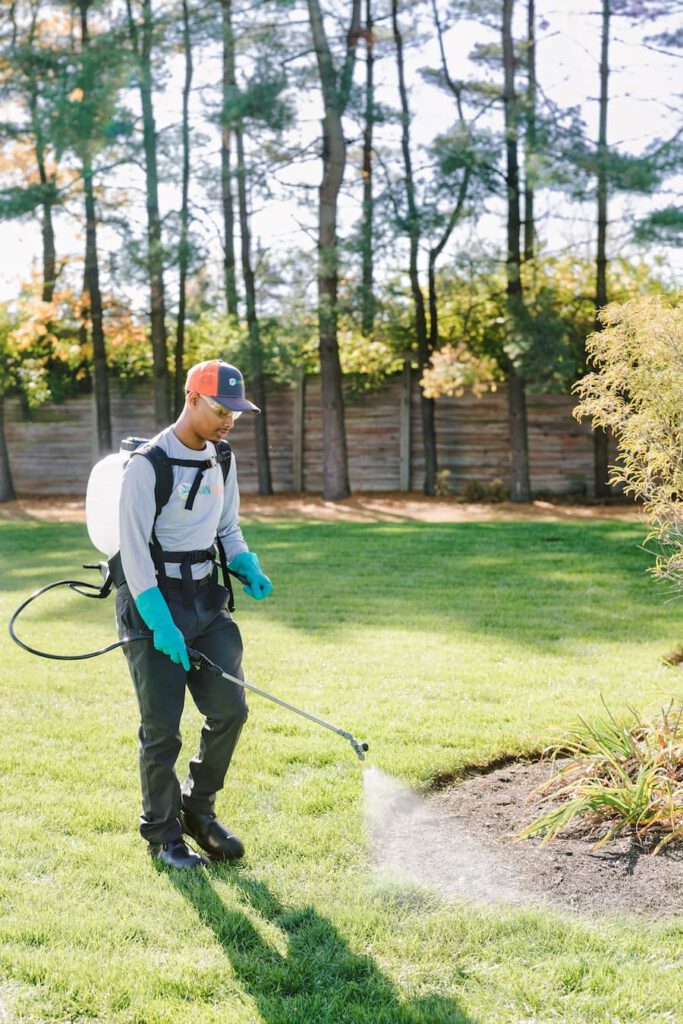
Once mowing is nearly done and the leaves are under control, it is time for the late-season feeding. In November, bluegrass takes up nitrogen and stores it in its roots, crowns, and rhizomes instead of turning it into leaf growth. That stored energy fuels an earlier, more even green-up next spring.
Here is what we have found works best. Apply from early to late November, once mowing has nearly stopped but the grass is still green and the ground is not frozen. Choose a calm day ahead of light rain, not a downpour.
Illinois law restricts lawn fertilizer containing phosphorus on established lawns, with exceptions for new lawns and for soil tests that show a need, so most maintenance products sold here are phosphorus-free. A phosphorus-free, nitrogen-focused product at a moderate rate is the right choice for most established lawns.
5. Do It in That Order
Mow, clear leaves, then fertilize. Mowing first shortens the grass so leaves come off more easily. Clearing leaves second exposes the soil so granules land where they can work. Fertilizing last means the product is not raked up with the leaves a week later.
6. Sweep the Driveway
Granules that land on driveways, sidewalks, and streets wash into storm drains with the next rain, and many of those drains lead to the Fox River and its tributaries. Sweep or blow stray granules back onto the lawn before you finish.
7. Protect New Seed
If you overseeded or aerated this fall, keep leaves off the young grass every few days, mow it gently with a sharp blade once it is tall enough, and keep foot traffic off the new areas through winter.
8. Disconnect Hoses and Winterize Irrigation
Disconnect garden hoses from outdoor faucets before the first hard freeze. If you have an irrigation system, have it blown out and winterized to prevent cracked pipes and heads.
9. Clean and Store Equipment
Rinse the spreader so leftover granules do not corrode the parts. Sharpen or replace the mower blade so it is ready for spring. Store leftover fertilizer sealed and dry, off the garage floor.
10. Stay Off Frozen Grass
Once winter arrives, frozen grass blades are brittle and break under foot traffic, leaving brown footprints. Keep traffic on walkways when the lawn is frozen or frosted, and avoid parking on the lawn or running the snowblower across turf.
11. Go Easy on Rock Salt
Rock salt on driveways and sidewalks builds up in the soil along the edges of the lawn and leaves brown strips in spring. Shovel before you salt, use ice melt only where it is truly needed, consider products labeled as safer for lawns, and avoid piling salty snow onto the grass.
12. Spread Out Snow Piles
Snow piled in the same spot all winter stays on the lawn longest, and that is where snow mold shows up first. Spreading piles around, or piling snow where you can easily rake out matted grass in spring, helps.
13. Check Gutters and Downspouts
Clogged gutters overflow during late fall rain and winter thaws, dumping water onto the lawn and beds along the foundation. On Fox Valley clay, that water can sit for days. Clearing gutters after the leaves are down and making sure downspouts carry water away from low spots helps the turf near the house.
14. Watch for Vole Trails
Voles are small rodents that tunnel along the surface of the lawn under snow, especially near shrubs, beds, and woodpiles. When the snow melts, their runways show up as narrow, winding trails of dead grass. Trimming back tall cover along beds before winter reduces the problem, and raking the trails lightly in spring helps them fill in.
15. Look Up at the Trees
Dead or hanging branches over the lawn can come down in winter ice storms and damage turf, beds, and more. If anything looks risky, a certified arborist can handle it before winter weather arrives.
16. Make Notes for Spring
Jot down anything you noticed this year: thin spots, weed problems, areas that stayed wet, or places that browned out in summer. Those notes make spring planning easier, from crabgrass prevention timing to overseeding next fall.
What a Well-Prepared Lawn Looks Like in Spring
Imagine this. It is mid April. The snow is gone, the soil is warming, and your lawn is greening up evenly ahead of most of the street. There are no matted circles where the snow pile sat, no brown strip along the driveway, and no layer of soggy leaves to rake up. The mower starts with a sharp blade, and the spreader works the first time. A couple of weekends in November set the whole season up.
What to Do Next
Work through this list in order: keep mowing at about three inches until growth stops and then lower slightly for the final cut, clear or mulch leaves, and apply a phosphorus-free, nitrogen-focused late-season feeding in November while the grass is green and the ground is not frozen. Then sweep the driveway, store your equipment, and go easy on salt this winter.
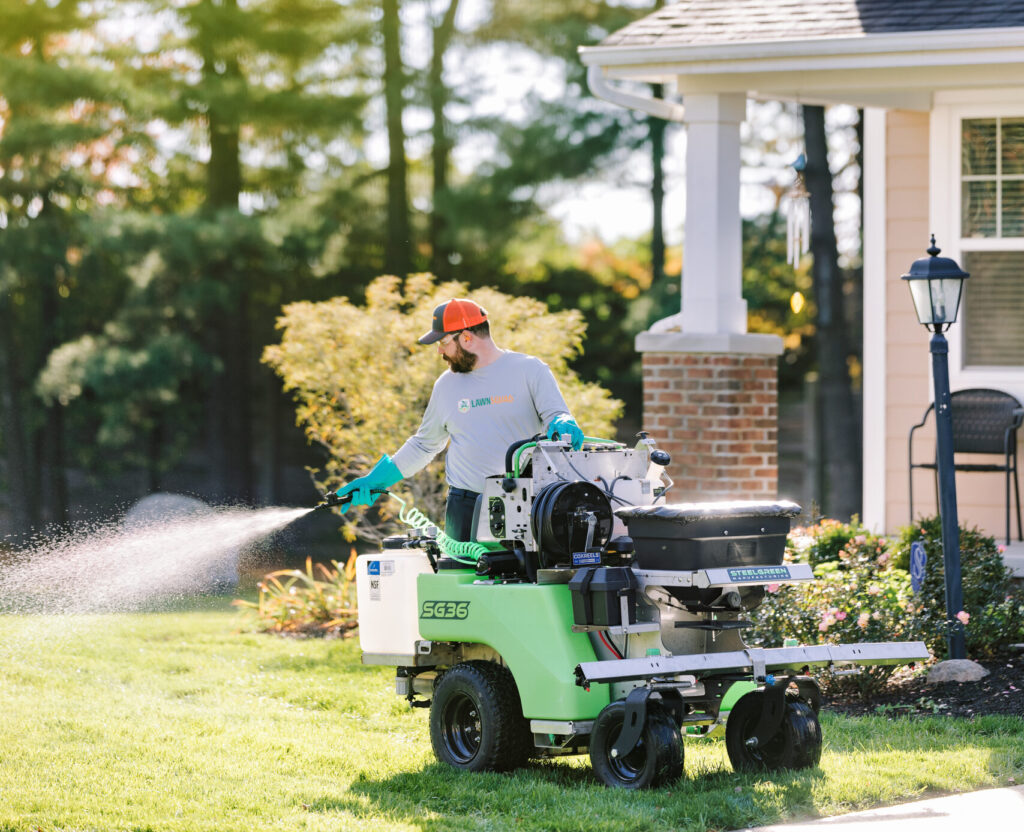
If you would rather have someone else handle the timing decisions, product selection, and application for your Aurora lawn, we are here for that. Lawn Squad of Aurora serves homeowners across Aurora and the Fox Valley. Visit lawnsquad.com to request a free quote. Our VitaminLawn program is built for the grass types, soils, and weather patterns we deal with here.
Here is what to expect. We will look at your grass, talk through how your lawn handled this year, and explain what we would apply before winter and why. If your lawn does not need a late-season application, we will tell you that honestly.