
Fall-Seeded or Sodded This Year? Winterizing a New Central Indiana Lawn

Fall-Seeded or Sodded This Year? Winterizing a New Central Indiana Lawn
Short Answer: A lawn that was seeded, overseeded, or sodded this fall in Central Indiana needs a little extra care before its first winter. Young seedlings and new sod have limited root systems and energy reserves. A late-season, nitrogen-focused feeding in November, while the grass is still green and the ground is not frozen, helps them build roots and store energy for spring. Keep leaves off new grass every few days, water new sod during dry stretches until the ground freezes, mow gently, keep traffic off, and hold off on crabgrass preventer next spring until the new grass is established.
If you are reading this, you probably invested real time or money in your lawn this fall. Maybe you overseeded after aerating in September. Maybe you finally reseeded the bare area by the driveway. Or maybe you moved into a new home in Westfield, Fishers, Whitestown, or Greenwood and the builder laid sod a few weeks ago. Now winter is coming, and you want to make sure that new grass makes it.
That is a reasonable concern, and we hear it from a lot of Central Indiana homeowners in November. The honest answer is that new grass can absolutely make it through an Indiana winter, and a few steps this month make a big difference.
Why New Grass Is More Vulnerable
A mature lawn has deep roots, thick crowns, and plenty of stored energy. Grass seeded in September has short roots, small crowns, and only a few weeks of reserves. Sod laid this fall has a mature top, but its roots are still working their way down into the soil underneath.
That makes new grass more sensitive to winter stress: freeze and thaw cycles that can heave seedlings out of the soil, drying winds, snow mold, and foot traffic on frozen ground. It also means new grass benefits more than established grass from any energy it can store before the ground freezes.
The Late-Season Feeding Matters More for New Lawns
Many fall seedings and sod installations get a starter fertilizer at the beginning. By November, most of that early feeding has been used up.
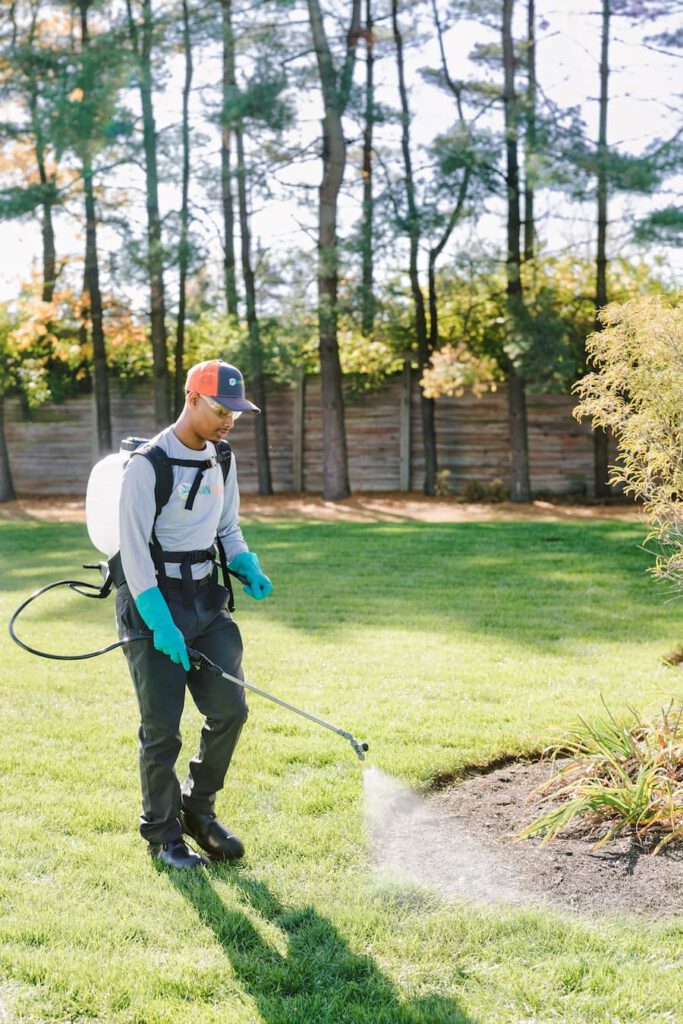
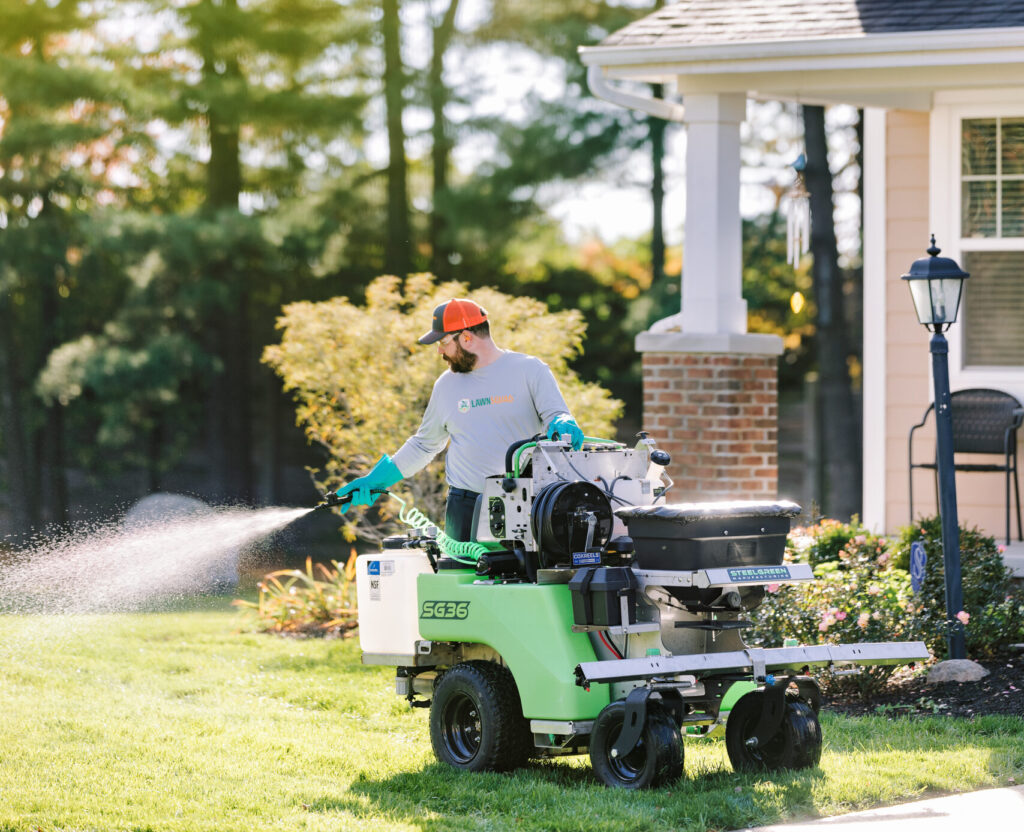
A late-season, nitrogen-focused feeding in November gives new grass the nitrogen it needs to keep building roots and store energy in its crowns. Here is what we have found works best. Apply while the new grass is still green and the ground is not frozen, ahead of a light rain or with a gentle watering afterward.
Phosphorus for New Lawns
Phosphorus supports root development and is especially helpful for seedlings and new sod, which is why starter fertilizers contain more of it. If your new lawn received a starter fertilizer at installation, it usually does not need more phosphorus in November. A soil test is the best way to know for sure.
Watering New Sod in Late Fall
New sod needs consistent moisture until its roots knit into the soil. In November, cooler temperatures mean it needs much less water than it would in summer, but it can still dry out during a dry, windy stretch.
Check new sod by lifting a corner. If the soil underneath is dry, water deeply. Continue watering during dry spells until the ground begins to freeze. Once the ground is frozen, stop.
Newly seeded areas also benefit from light watering if November turns dry, but most of the time, fall rain is enough.
Testing Whether Sod Has Rooted
Gently tug on a corner of the sod. If it lifts easily, the roots have not grown into the soil yet. If it resists, rooting is underway. Sod laid in early fall is often well rooted by November. Sod laid in late October may still be loose heading into winter, which makes the late-season feeding and careful watering even more important.
Leaves Are a Big Threat
A layer of maple or oak leaves that would barely bother an established lawn can smother new seedlings in a matter of days. On new sod, wet leaves can trap moisture and invite disease.
Clear leaves off new grass often, ideally every few days during peak drop. A leaf blower on a low setting or a gentle rake works better than aggressive raking, which can pull up seedlings or shift sod.
Mowing New Grass Before Winter
Mow new seedlings once they reach about three and a half inches, cutting them back to around three inches. That encourages new shoots and helps the lawn thicken. Before winter, mowing young grass at least once or twice helps prevent matting under snow.
For new sod, wait until it has rooted before mowing, then keep it around three inches. Use a sharp blade, and avoid mowing when the ground is soft and wet, which can leave ruts or shift sod pieces.
Keep Traffic Off
Seedlings and new sod are easily damaged by foot traffic, especially when the ground is soft in fall or frozen in winter. Keep kids, pets, and wheelbarrows off new areas as much as possible through winter.
Watch for Frost Heaving
Freeze and thaw cycles are common in Central Indiana winters, and clay soils make heaving more likely. If you see small clumps of seedlings sitting loosely on the surface after a thaw, gently press them back into the soil. Seedlings with deeper roots are much less likely to heave.
Snow Piles and Salt Near New Grass
If new grass is next to the driveway or sidewalk, keep in mind where shoveled and plowed snow will land. Salty snow piles on new grass can damage it. Direct snow elsewhere when you can this first winter, and give those areas a few deep waterings in spring.
Builder Lawns Need Extra Patience
New homes often come with sod laid over compacted subsoil, with only a thin layer of topsoil. Even well-rooted builder sod can struggle for a few seasons until roots push into the native soil. Core aeration in late summer, starting the year after installation, and a late-season feeding each November help those lawns improve steadily.
Planning for Spring
The most important thing to know about a fall-seeded lawn happens in spring. Most crabgrass preventers also stop grass seed from germinating, and some can injure very young grass. If you seeded this fall, check product labels and timing carefully before applying a pre-emergent. Many new lawns need to be mowed a few times in spring first.
New sod is usually less sensitive to crabgrass preventers once it has rooted, but it is still worth checking the label.
Expect Some Unevenness
Not every seedling will make it through winter, and that is normal. Some areas may come up thinner in spring, especially in shade or high-traffic spots. Most fall seedings keep thickening through April and May as the young plants tiller and spread.
What a Successful First Winter Looks Like
Imagine this. It is late April. The areas you seeded in September are green and thick, blending in with the rest of the lawn. The new sod in front of the house has knit firmly into the soil and greened up evenly. The bare spot by the driveway is finally gone. The new grass went into winter well fed and well cared for, and it came out ready to grow.
What to Do Next
If you seeded, overseeded, or sodded this fall, apply a nitrogen-focused late-season feeding in November while the new grass is still green and the ground is unfrozen. Keep leaves off new grass, water new sod during dry stretches until the ground freezes, mow gently with a sharp blade, keep traffic and snow piles off new areas, and check crabgrass preventer timing next spring.
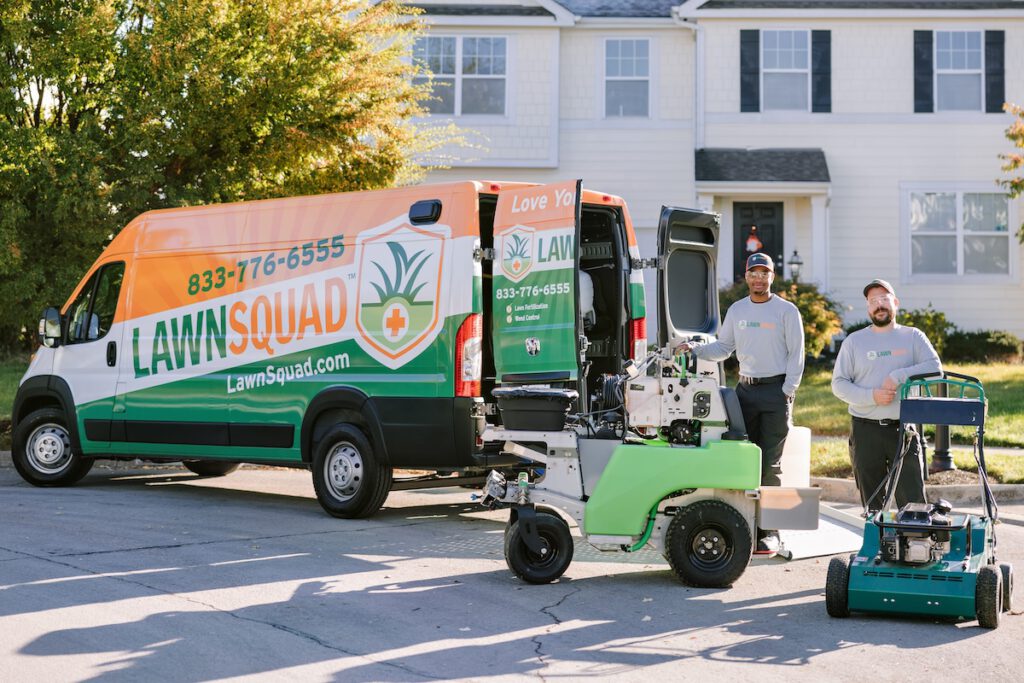
If you would rather have someone else handle the timing decisions, product selection, and application for your Central Indiana lawn, we are here for that. Lawn Squad of Central Indiana serves homeowners across Central Indiana. Visit lawnsquad.com to request a free quote. Our VitaminLawn program is built for the grass types, soils, and weather patterns we deal with here.
Here is what to expect. We will look at your grass, talk through how your lawn handled this year, and explain what we would apply before winter and why. If your lawn does not need a late-season application, we will tell you that honestly.