

Why Ohio State Turf Researchers Recommend Late Fall Fertilization for Columbus Lawns
Why Ohio State Turf Researchers Recommend Late Fall Fertilization for Columbus Lawns
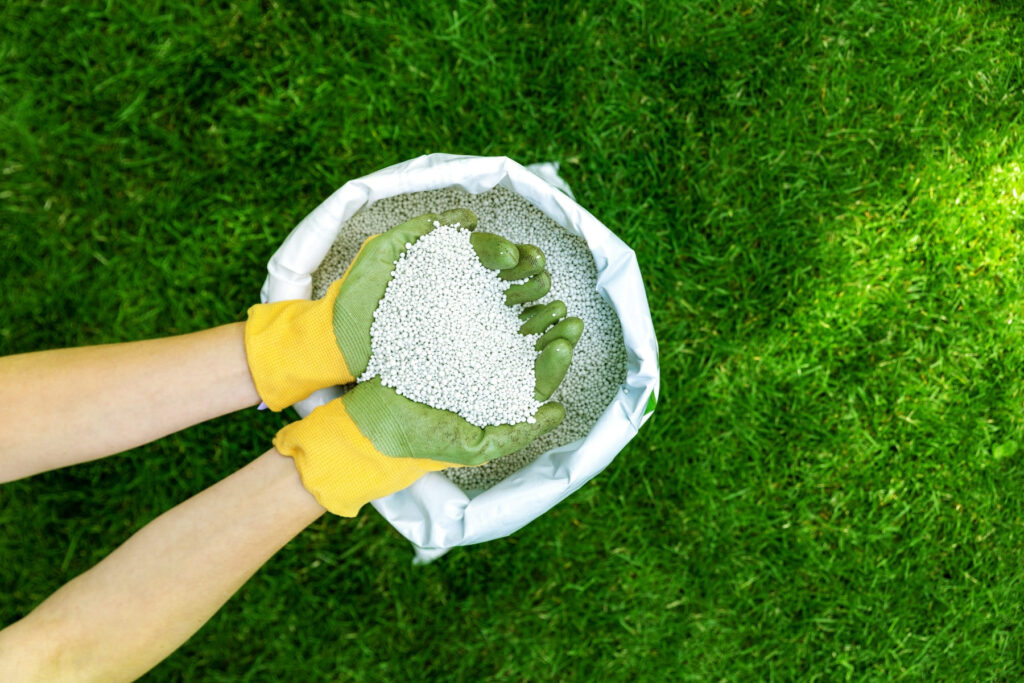
Short Answer: Columbus homeowners have one of the country’s leading turfgrass programs right in town, and Ohio State researchers have long recommended late fall fertilization for cool-season lawns. The reasoning is simple: in November, Kentucky bluegrass, tall fescue, and ryegrass slow their top growth but keep building roots and storing energy until the ground freezes. Nitrogen applied then goes into storage rather than leaves, leading to earlier, more even spring green-up and less need for heavy spring feeding. In Central Ohio, the window usually runs from early to late November.
If you are reading this, you may have heard a neighbor or a lawn care company say that November is the most important time to fertilize. Maybe that sounded backward. Most of us learned to feed the lawn in spring, when everything is turning green and the garden centers are full.
In Columbus, the advice to feed in late fall has a hometown source. Ohio State University’s turfgrass science program has studied cool-season lawns for decades, and late fall fertilization has been one of its most consistent recommendations. Here is what that research means for your lawn this month.
What Most Columbus Lawns Are Made Of
Lawns across Central Ohio are mostly cool-season grasses: Kentucky bluegrass, tall fescue, and perennial ryegrass, often in blends. Shaded areas sometimes include fine fescues. These grasses grow best in the mild temperatures of spring and fall, slow down in summer heat, and go semi-dormant in winter.
That growth pattern is the key to understanding why fall feeding matters.
What the Grass Does in Late Fall
As days shorten in November, cool-season grasses slow their leaf growth. Mowing drops off, and by the end of the month many lawns barely grow at all. But below ground, the plants stay busy. Roots keep growing as long as the soil stays above freezing, and the grass moves carbohydrates down into its crowns, roots, and rhizomes to carry it through winter.
That combination, slow top growth and active roots, creates the ideal moment for a feeding.
Why Late Fall Nitrogen Works So Well
When nitrogen goes down in spring, cool-season grass puts most of it into new leaves. That produces a quick flush of green, more mowing, and a root system that has not kept pace with the top growth.
In late fall, with leaf growth slowed, nitrogen taken up by the plant goes largely into storage and root health. Turfgrass research, including work done at Ohio State, has found that lawns fed in late fall tend to green up earlier and more evenly the following spring, often without the need for heavy early spring fertilization.
The Benefits You See Next Spring
The payoff from a late-season feeding shows up months later. Lawns tend to wake up earlier, sometimes a week or two ahead of unfed lawns. They color up more evenly, without the patchy look many lawns have in March. They fill in thin spots faster, which leaves less room for dandelions, clover, and crabgrass. And because they do not need a heavy push in spring, they often head into summer with a better balance of roots and shoots.
Timing It in Central Ohio
Here is what we have found works best for Columbus-area lawns. Plan the late-season feeding for early to late November, once mowing has slowed to a crawl but the grass is still green. In a mild fall, the window can stretch toward early December. In a year with an early hard freeze, it may close sooner.
The signs to watch for are a lawn that barely needs mowing but still holds good color, and soil that is not frozen. Frost on the grass in the morning does not mean the ground is frozen. If a screwdriver pushes easily into the soil mid-morning, the window is open.
What to Apply
Nitrogen is the key nutrient for a late-season feeding. A quicker-release source is often preferred this late, since the grass needs to take it up before the soil gets too cold. Moderate rates are plenty.
Many products sold as winterizers are high in potassium. Potassium supports stress tolerance, but for cool-season lawns, research points to nitrogen as the nutrient that drives the late-season benefit. Unless a soil test shows a potassium shortage, a nitrogen-focused product is usually the better value.
Phosphorus is rarely needed on established lawns. Many Central Ohio soils have adequate phosphorus, and runoff of phosphorus into streams and lakes has been a concern in Ohio. Choose a product with little or no phosphorus unless a soil test shows a need.
Leaves Before Fertilizer
By November, many Columbus neighborhoods are covered in leaves from mature maples, oaks, and ash trees. Fertilizer spread over a thick leaf layer never reaches the soil and ends up bagged with the leaves. Mulch light leaf cover with the mower or clear heavier layers before applying.
Common Mistakes to Avoid
A few patterns come up often. The first is applying a winterizer too early, in October, while the lawn is still growing actively. At that point, the nitrogen goes mostly into leaf growth. The second is applying too late, on frozen ground in December or January, when much of it washes toward storm drains that lead to the Scioto and Olentangy rivers. The third is skipping it entirely because the lawn looks fine in November.
Spreading It Evenly
Even the best-timed feeding does little good if it goes down unevenly. Spreader settings on the bag are a starting point, but they vary with your spreader, walking speed, and the condition of the equipment. Uneven application shows up next spring as stripes of dark green next to pale grass, or a darker ring around the edges where the spreader was left open while turning.
Here is what we have found works best. Set the spreader at half the recommended rate, walk the lawn in one direction, then walk it again at a right angle. Close the spreader at the end of each pass before turning, and sweep any granules off the driveway and sidewalk when you finish.
What About Zoysia?
A small number of Central Ohio lawns have zoysia, a warm-season grass that turns tan after the first hard frost. Zoysia should not get a late-season nitrogen feeding. It is already dormant and will not use it. If part of your lawn went tan in October while the rest stayed green, skip that area.
A Soil Test Is Worth It
If you want to know exactly what your lawn needs, a soil test is the best starting point. Ohio State University Extension can point homeowners to testing options, and the results show pH and nutrient levels. Testing every three to four years is a good rhythm for most lawns.
What a Research-Backed November Looks Like in Spring
Imagine this. It is early April. Lawns around your neighborhood are still mostly tan, with a few patches of green. Yours is waking up evenly across the whole yard, with deeper color and fewer weeds than last year. You did not do anything unusual in spring. You just followed the advice that has come out of Columbus’s own turfgrass research for years, and fed the lawn in November.
What to Do Next
If you are feeding your own lawn, plan for early to late November, once mowing has slowed but the grass is still green and the ground is not frozen. Clear leaves first, choose a nitrogen-focused product with little or no phosphorus, apply at a moderate rate on a calm day ahead of light rain, and sweep granules off the driveway and sidewalk. Skip zoysia.
If you would rather have someone else handle the timing decisions, product selection, and application for your Columbus lawn, we are here for that. Lawn Squad of Columbus serves homeowners across Central Ohio. Visit lawnsquad.com to request a free quote. Our VitaminLawn program is built for the grass types, soils, and weather patterns we deal with here.
Here is what to expect. We will look at your grass, talk through how your lawn handled this year, and explain what we would apply before winter and why. If your lawn does not need a late-season application, we will tell you that honestly.

