
The Late Fall Feeding: The Application Most Chattanooga Fescue Lawns Never Get
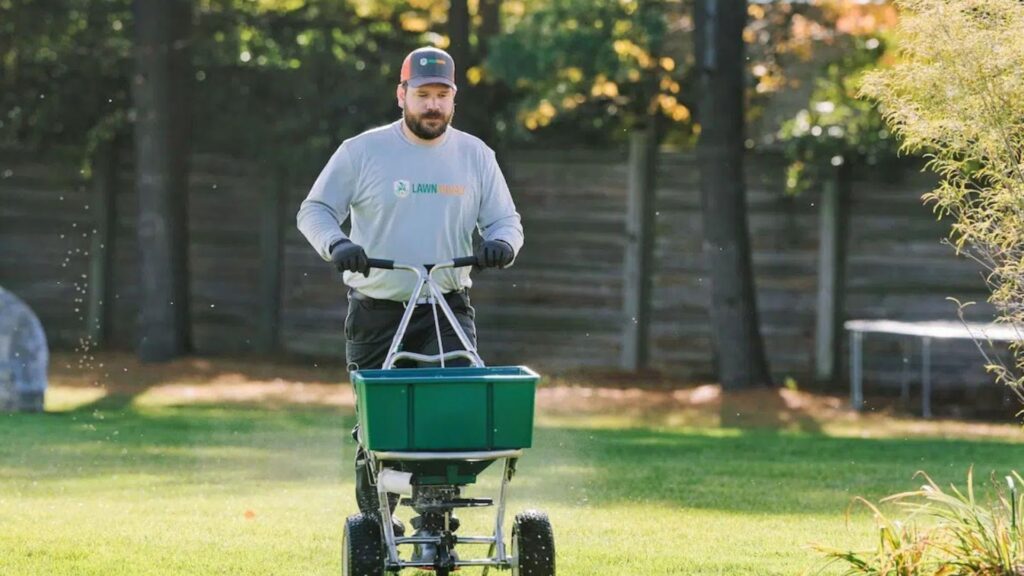
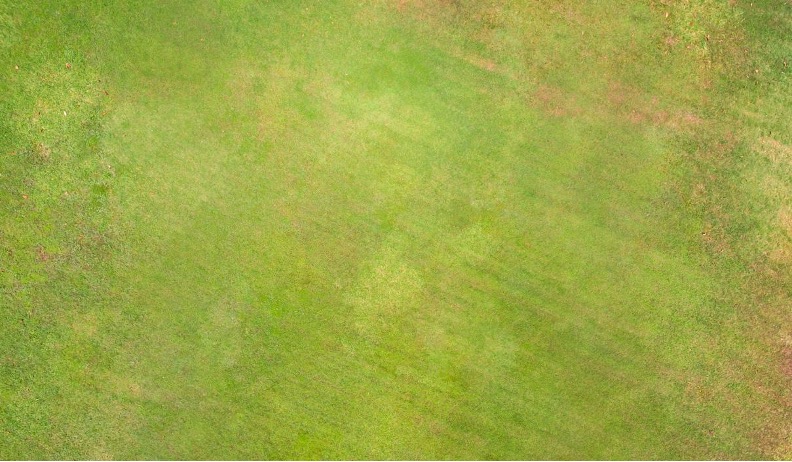
Short Answer: On a tall fescue lawn in Chattanooga, the late fall application is the single highest value feeding of the year, and it is the one most homeowners skip because nothing appears to happen. It goes down once top growth has largely stopped but the grass is still green and soil temperatures are still above roughly forty degrees, typically from late October into November here. At that point roots remain active while blades do not, so nitrogen goes into root mass and stored carbohydrates rather than growth. The payoff shows up as an early, dense green up the following April.
There is one application in the fescue year that outperforms every other, and in our experience most homeowners in Chattanooga and North Georgia never make it. Not because they decided against it, but because by the time the window opens the lawn looks like it is done for the season and putting fertilizer on it feels pointless.
We understand the instinct. You walk outside in the first week of November, the grass has not needed mowing in two weeks, the leaves are down, and spreading fertilizer feels like feeding something that has gone to sleep. It has not. Here is what is actually happening below the surface and why this is the application worth protecting.
Roots Do Not Stop When Blades Do
This is the piece of biology the whole thing rests on. Leaf growth and root growth are governed by different conditions, and they do not stop at the same time.
Top growth slows sharply as air temperatures fall, which is why your mowing frequency drops off through October. Root growth continues as long as soil stays warm enough, and soil holds heat far longer than air does. On a fescue lawn here, roots keep working well into November and sometimes beyond, weeks after the last mow.
So there is a stretch of several weeks where the plant is still actively taking up nutrients but is not spending them on leaves. Nitrogen applied in that window goes almost entirely into root mass and into carbohydrates stored in the crown, the small growing point right at the soil line.
Those stored reserves are what the plant lives on through winter and what it uses to green up in spring before it can photosynthesize much of anything. That is the entire mechanism, and it explains why the results appear months later.
Finding the Window
Calendar dates are a rough guide and conditions are the real one, but a rough guide helps. In Chattanooga and the North Georgia counties below us, the window generally opens in the last week of October and runs into November, occasionally into early December in a mild year.
The signal we watch for is straightforward and you can read it yourself. Mowing frequency has clearly dropped off, the grass is still green rather than dull or tan, and the ground has not frozen. When you have gone two weeks without needing to mow but the lawn has not lost its color, that is your window.
Elevation moves it. Properties up on Signal Mountain or Lookout Mountain run cooler and reach the window earlier than lawns down in the valley. Low areas along the river hold warmth differently than open ridges. Your own lawn is the better indicator than any date we could print.
Missing it in the other direction matters too. Fertilizer applied onto frozen ground or over snow is not taken up and can run off with melt water, which is bad for your lawn and bad for the Tennessee River watershed below us.
What to Actually Apply
This is where product choice matters more than at any other point in the year, and where a lot of homeowners get it wrong by buying the right idea in the wrong form.
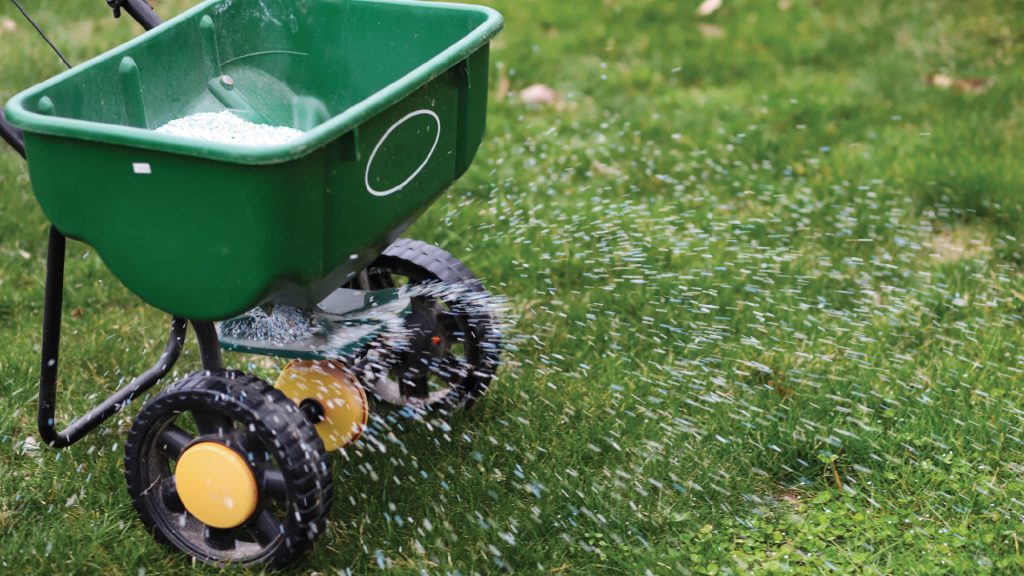
Soil biology slows down considerably in the cold. Slow release nitrogen products that depend on microbial breakdown will not release much of anything in November, so a heavily slow release product applied now largely sits there until spring, which defeats the purpose. This is one of the few times in the year when readily available nitrogen is the correct tool rather than the lazy one.
Look for a product with a meaningful share of quick available nitrogen. The plant can take it up directly without waiting on microbes, which is exactly what this application is for.
On the potassium question, bags marketed as winterizer often carry a high middle or third number and promise root protection. The late fall application is genuinely valuable, but university turf research across the region has consistently found that nitrogen rather than potassium drives the benefit. Potassium matters for overall plant health, and unless a soil test shows you are short, loading up on it is not what produces the spring response you are buying the bag for.
Why This Beats Feeding Hard in Spring
A heavy April application produces exactly what it looks like. Fast, lush top growth. The problem is what that growth costs the plant later.
Resources go into blades rather than roots, and the lawn enters June with a large canopy sitting on a shallow root system. Then our summer arrives, and a fescue lawn in a Tennessee July is already near the edge of what the species tolerates. Lawns that were greenest on the block in May are consistently the first to brown in late July.
Lush spring growth is also more attractive to brown patch, which is the fescue disease that matters most in our humidity, and it means mowing twice a week through May.
The fall fed lawn arrives at spring differently. It greens up early on stored reserves, with deeper roots underneath and without the growth surge. It needs less water in July because roots reach further into moisture. Across the properties we manage, that summer resilience is the clearest result of a consistent late fall program.
Things That Undermine It
A few practices cancel out the benefit and they are worth naming, because homeowners often do them without realizing the connection.
Letting leaves mat on the lawn over winter is the most common. A packed wet leaf layer smothers crowns and creates ideal conditions for snow mold in a cold snap. Mulching light leaf cover with the mower is fine and returns organic matter. Heavy accumulation needs to come off.
Scalping the lawn before winter is the second. Cutting fescue short heading into cold removes the leaf area the plant needs and exposes crowns. Keep mowing at your normal height, around three inches, for as long as growth continues.
The third is applying this feeding to a warm season lawn. If your grass turns tan in winter, it is Bermuda or zoysia, and this entire article does not apply to you. On those lawns a November nitrogen application produces cold damaged tissue and feeds disease. That distinction is the most important thing to get right in a transition zone market.
What to Expect
We want to be direct about this, because it is the reason the application gets skipped. You will apply it, and nothing visible will happen. No color surge, no growth, no obvious sign you did anything at all.
That is the correct outcome. The result is stored in the crown and the roots, and it is spent in April. Homeowners who make this application for the first time frequently tell us the following spring that their lawn came in earlier and thicker than it ever has, and that is the payoff arriving on schedule.
It is worth treating this as the one application not to skip rather than the optional extra at the end of the season. If you were going to drop one feeding from a fescue program for budget reasons, this should be the last one you cut.
What to Do Next
Confirm you have fescue. Wide flat blades with a prominent midrib, growth in clumps rather than spreading runners, and a lawn that stayed green last January. If your lawn was tan in winter, stop here and leave the nitrogen alone.
Then watch your mowing, not the calendar. When two weeks pass without needing to mow and the lawn is still green, that is the window. Check the bag for a meaningful share of quick available nitrogen rather than a fully slow release product.
Keep leaves cleared through the rest of fall, keep mowing height at about three inches while growth continues, and do not scalp before winter. Those three habits protect the value of the application you just made.
If you would rather have someone watch the conditions and make this application at the right moment on your lawn, we are here for that. Visit lawnsquad.com to find Lawn Squad of Chattanooga & North Georgia and request a free quote. Our VitaminLawn program is built around the transition zone grasses and the timing that actually matters here.