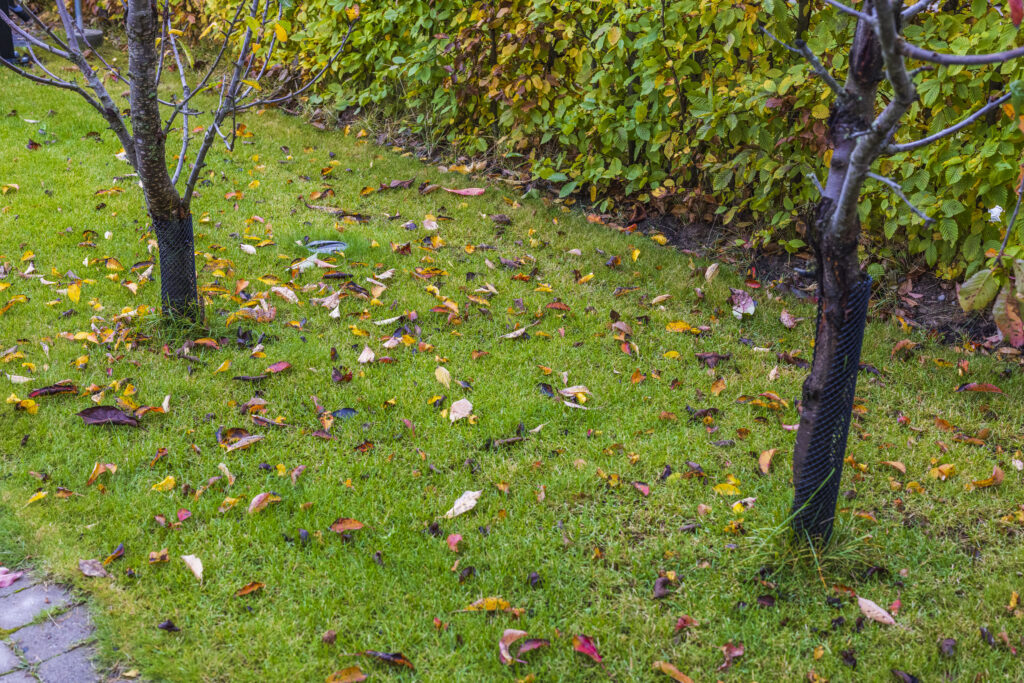
Short Answer: Yes, and if you fertilize only once a year in coastal Connecticut, fall is the application to keep. Cool season grass does most of its root growth in September, October, and November, when air temperatures have dropped but soil is still warm. Nitrogen applied then goes into roots and stored carbohydrates rather than into fast blade growth, which is what produces strong early spring color without the flush of soft top growth that spring feeding creates. Connecticut also regulates lawn fertilizer, so what you put down and when you put it down both matter here.
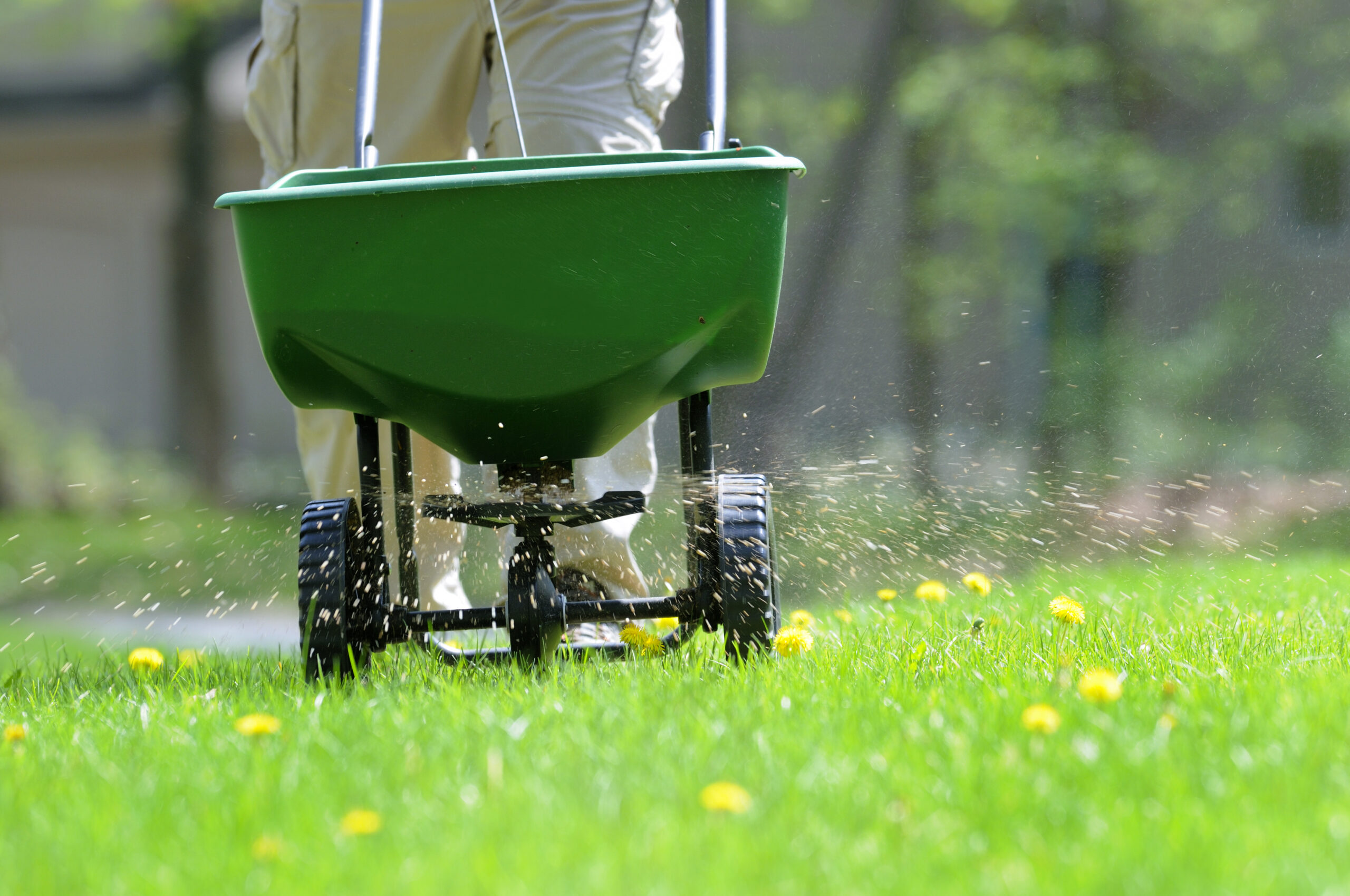
What the Grass Is Actually Doing in October
Cool season grasses have two growth surges a year, and they are not the ones most people assume. The spring surge is mostly leaf growth. The fall surge, which runs from roughly the middle of September through November in this part of Connecticut, is mostly root growth and carbohydrate storage.
That happens because air temperature drops before soil temperature does. The plant is no longer under heat stress and no longer pushing hard on top growth, but the soil is still warm enough that roots keep working. Nitrogen applied into that window gets directed into the root system and into stored energy reserves. The lawn you see in April is largely built by what you did in October.
Why Spring Feeding Is Overrated
Heavy spring nitrogen feels productive. The lawn greens up fast and grows like it means it. The problem is that all of that goes into leaf tissue at the expense of root development, and it arrives right before the season that punishes shallow roots.
A lawn pushed hard in April enters a humid coastal Connecticut July with soft, lush top growth, a limited root system, and heightened susceptibility to brown patch and dollar spot. A lawn fed properly in the fall comes into spring green on its own with far less spring nitrogen needed, and it goes into summer with the root depth to survive it. If you have been feeding heavily in spring and watching the lawn collapse every August, that sequence is not a coincidence.
The Two Applications That Matter
A good fall program in this area is two applications, not one.
- Early to mid September. This one supports recovery from summer damage and feeds new seedlings if you have aerated and overseeded. It goes on while the grass is actively growing and visibly using it.
- Late October into November. This is the important one, often sold as a winterizer. It goes down when top growth has largely stopped but the lawn is still green and the soil is not frozen. The plant takes it up and stores it.
Timing on that second application is the part people get wrong. Too early and you push top growth heading into frost, which raises snow mold risk. Too late, after the ground has frozen, and none of it is taken up. You are looking for the window where the mower has stopped earning its keep but the lawn is still green.
What Connecticut Rules Mean for Your Bag
Connecticut restricts phosphorus fertilizer on established lawns. In broad terms, you cannot apply phosphorus to established turf unless a soil test shows a deficiency or you are establishing a new lawn, and there are also restrictions on applying fertilizer to frozen ground and near water bodies.
Practically, this means most bags you buy for an established Connecticut lawn will show a zero in the middle number, and that is correct and intentional rather than a defect. If a soil test does show you need phosphorus, keep the test results. Regulations get updated, so if you want certainty on the current specifics, check the state guidance directly or use a licensed applicator who tracks it as part of the job.
Reading the Numbers on the Bag
The three numbers are the percentage by weight of nitrogen, available phosphate, and soluble potash. A fifty pound bag of 24-0-6 contains twelve pounds of actual nitrogen and three pounds of potash.
What matters more than the ratio is the pounds of actual nitrogen you are putting on per thousand square feet, and how much of that nitrogen is slow release. The label lists a slow release or controlled release percentage. Spreader settings on the bag are a starting point, not gospel. Calibrate against your own square footage, because over-application is the most common and most expensive fertilizer error, and on our soils it is also the one with environmental consequences.
Test the Soil, Especially Near the Shore
Soils in this area vary enormously across short distances. Sandy soils near the Sound drain fast and leach nutrients quickly, so they hold less and need lighter, more frequent feeding. Inland Fairfield County soils over glacial till behave differently again. Most Connecticut soils also trend acidic, and a lawn sitting at pH 5.3 cannot use much of what you apply no matter how good the product is.
A soil test through UConn Extension or a private lab is inexpensive and gives you pH, a lime recommendation, and potassium and phosphorus levels. It converts fertilizing from a guess into a plan, and it usually saves money because it tells you which of the things you have been buying you did not need.
Slow Release Matters More on Sandy Coastal Soil
Quick release nitrogen dissolves and becomes available immediately. On a heavy inland soil that is manageable. On the sandy, fast-draining soil common near the shoreline, a heavy dose of quick release nitrogen greens the lawn for two weeks, then leaches down past the root zone and is gone.
Products with a meaningful slow release component feed at a steadier rate over six to eight weeks, produce more even color, reduce the surge of soft growth, and put far less nitrogen into groundwater. They cost more per bag and are usually cheaper per season because you apply less total product with better results.
Why Nitrogen Runoff Is a Local Issue Here
This is not an abstraction in this part of the state. Long Island Sound has a well-documented summer hypoxia problem, meaning stretches of low dissolved oxygen that stress marine life, and excess nitrogen entering the Sound is a primary driver. Connecticut has spent decades and considerable money reducing nitrogen loading into it.
Lawn fertilizer is one contributing source among several, and it is one that homeowners directly control. Applying the correct rate rather than a heavy one, keeping granules off driveways and sidewalks where they wash straight into storm drains, sweeping any that land on pavement back onto the lawn, and not applying right before heavy rain are simple habits that keep the fertilizer where you paid for it to be.
What Fertilizer Will Not Fix
Fertilizer feeds grass. It does not solve structural problems, and a great deal of money gets wasted on that misunderstanding. It will not fix compaction, and a compacted lawn cannot use what you apply. It will not create grass in dense shade under a mature oak. It will not stop grubs from eating roots. It will not correct a pH problem, and on acidic soil it is largely wasted until you lime.
It also will not thicken a lawn that is missing plants. Fertilizer makes existing grass plants healthier and greener. If the stand has thinned, you need seed, and fall is when both jobs should happen together.
Rates, Timing, and the Usual Mistakes
A few practical points that come up constantly. Do not fertilize a lawn that is dormant and brown from drought. Water it first and wait for green. Do not apply to a wet lawn with granules sticking to the blades, because that can burn the leaf tissue.
Water lightly after applying granular product to move it off the blades and into the soil, unless the label says otherwise. Overlap your spreader passes slightly rather than leaving gaps, since striping shows up dramatically two weeks later. And keep any product well back from the edges of ponds, streams, and storm drains. In a watershed that drains straight to the Sound, that setback is doing real work.
What to Do Next
Walk the lawn this week and write down the two or three things that actually bother you about it, then work backward from the window rather than forward from today. Almost every fall mistake we see in New Haven and Fairfield County comes from starting with the calendar instead of with the lawn.
If you would rather have someone look at it with you, Lawn Squad of New Haven and Fairfield offers a free quote. Call 833-816-7508 or find us at lawnsquad.com. Every Lawn Squad location is independently owned and operated, and our VitaminLawn fertilization and weed control program is built around the grass, soil, and conditions here rather than a national average.
A first visit is a walk of the property, a look at the thin areas, a check of mowing height and irrigation, and a straight conversation about what is realistic in the weeks left this season. At 30 days you should see color and density improve. At 90 days the lawn should be visibly thicker, with the root growth that carries it through winter.