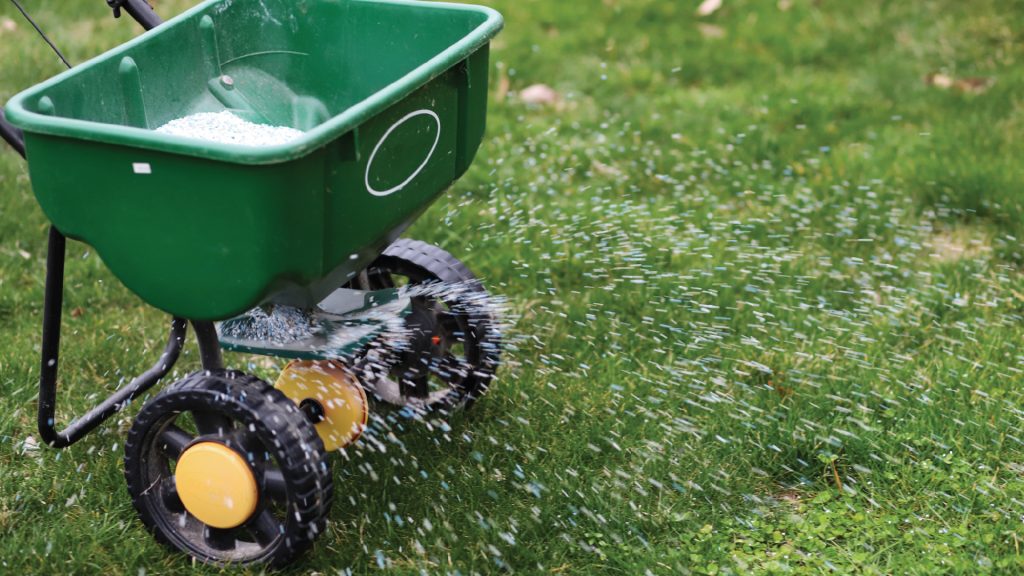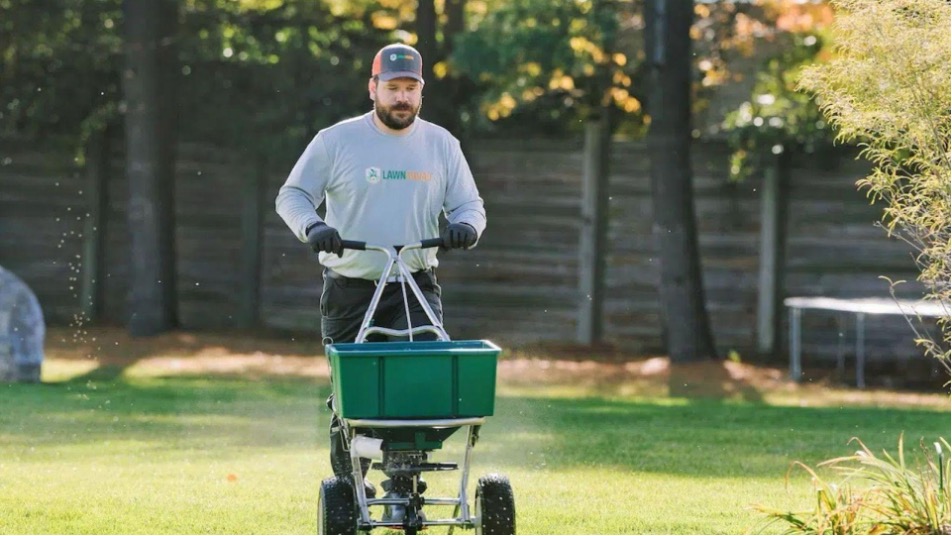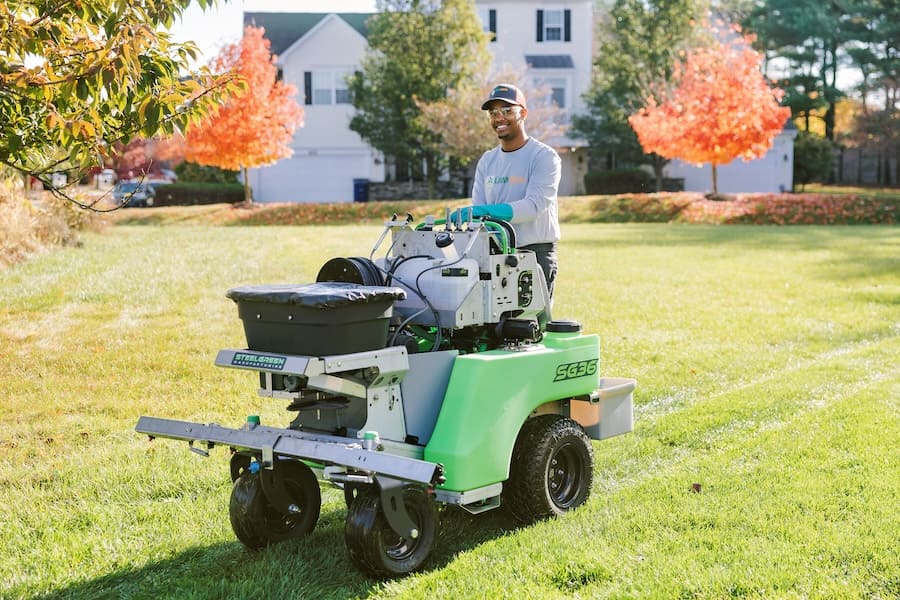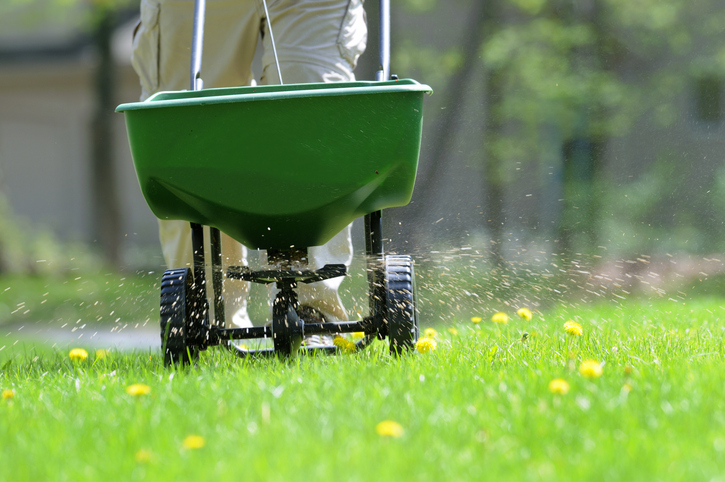
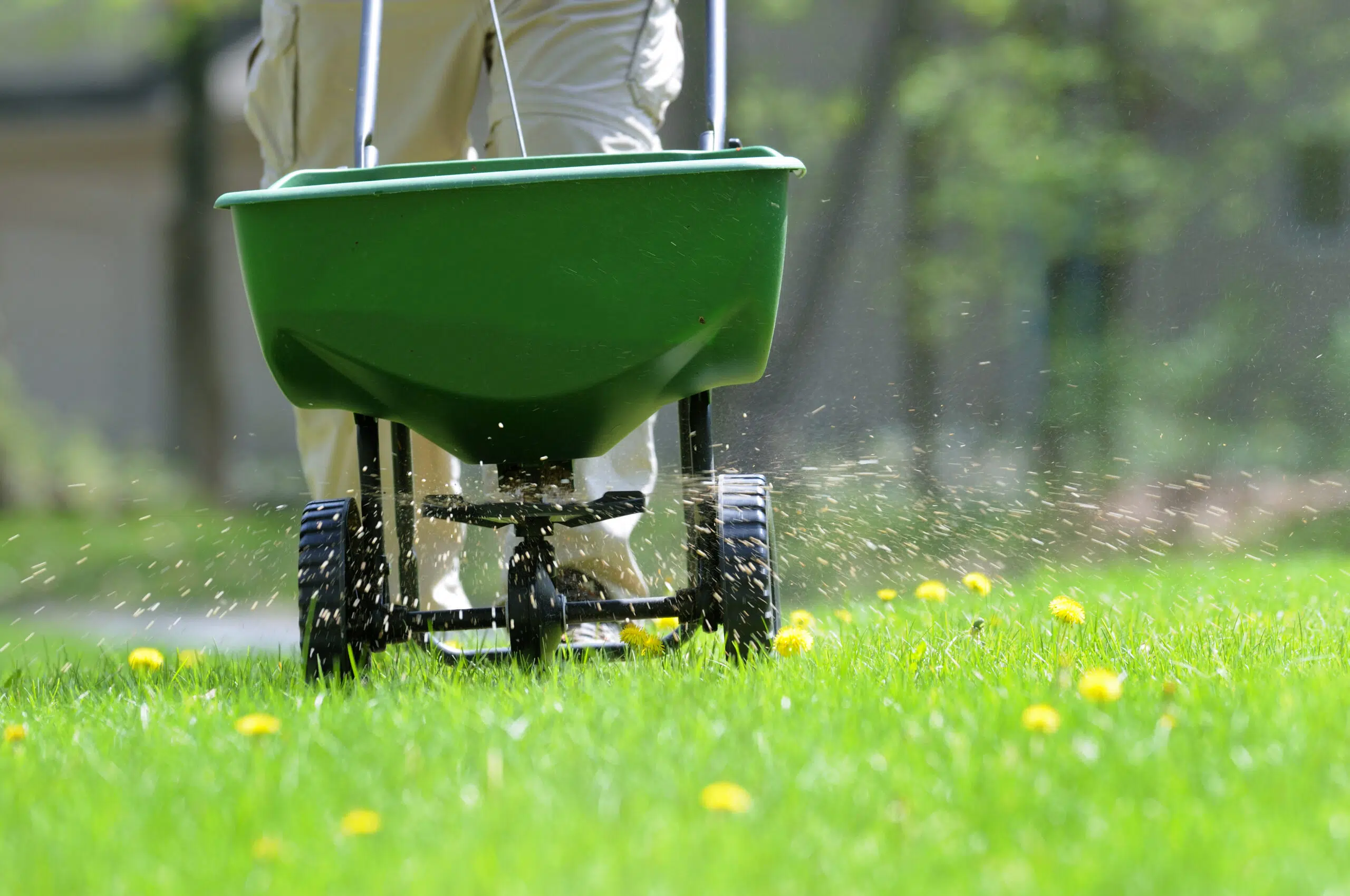
Short Answer: Apply fall pre-emergent in North Austin when soil temperature at two inches has fallen through about 70 degrees and is trending down, which usually lands somewhere in late September to mid October depending on the year. That is the point where annual bluegrass, henbit, chickweed, and burclover germinate. Once those weeds are visible in January the pre-emergent window has passed and control gets harder and more expensive. Watch a soil thermometer or a local soil temperature reading rather than a date, because a warm fall can push the window several weeks later.

Why This Is the Most Valuable Thing You Will Do This Fall
If a North Austin homeowner does exactly one thing to the lawn between September and December, it should be a properly timed pre-emergent. Not a fertilizer, not aeration, not overseeding. Pre-emergent.
The reason has to do with what your grass is doing versus what the weeds are doing. Bermuda, zoysia, and St. Augustine are all slowing down and heading toward dormancy in the fall. Winter annual weeds are just getting started. For roughly five months, from October through February, the weeds are the only thing in your lawn actively growing. They have no competition, and by late winter they can dominate an entire yard while the turf is still tan and asleep.
Stopping them at germination costs a fraction of what it costs to fight them in February, and it produces a much better looking result.
The Soil Temperature Trigger
The window is not a date. It is a soil temperature.
Winter annual weed seeds germinate as soil temperature at about two inches falls through the low 70s and settles into the 60s. That is the signal. A pre-emergent needs to be down and watered in before that happens, because these products form a barrier that stops seedlings as they emerge. They do essentially nothing to a weed that has already sprouted.
In North Austin that usually means somewhere from late September through the middle of October. It is genuinely variable here. A cool front that arrives in the third week of September moves the window earlier. A hot dry October, which we get often enough, pushes it later. Central Texas gives you a wider swing year to year than most parts of the country.
Buy a soil thermometer or check a regional soil temperature source. Watching air temperature is misleading, since soil lags air by a week or more and holds heat especially in the thin rocky ground common on the west and north sides of the metro.
What You Are Actually Preventing
The winter annual set in North Austin is fairly consistent from year to year.
- Annual bluegrass is the big one. It comes up as a bright light green clump against tan dormant bermuda, seeds prolifically, and then dies in the first real heat of May, leaving bare spots exactly where it grew.
- Henbit and purple deadnettle produce the purple flowered carpets you see across Central Texas lawns and fields in February and March.
- Common chickweed forms dense low mats that smother thin turf.
- Burclover and black medic spread flat and produce the burs that get tracked inside.
- Rescuegrass and annual ryegrass show up as coarse clumps that look like a completely different plant, because they are.
Every one of these is an annual. It germinates once, lives one season, sets seed, and dies. That is what makes pre-emergent so effective on them. Break the germination step and you break the whole cycle.
Why Waiting Until You See Them Does Not Work
Most homeowners call about winter weeds in January or February, which is understandable because that is when the lawn looks worst. By then the plants are mature, often flowering, with established root systems and waxy leaf surfaces.
Post-emergent control at that stage is possible but it is a different job. It takes more product, results are slower and less complete, and the weeds have already dropped or are about to drop seed for next year. You also have to be careful about what you spray on dormant turf, since some products that are safe on actively growing bermuda behave differently on dormant grass or on St. Augustine.
The economics are straightforward. One correctly timed fall application generally beats two or three post-emergent applications in the spring, both in cost and in how the lawn looks.
Watering It In Matters as Much as the Timing
Pre-emergent is not active sitting on top of the soil. It needs roughly a quarter to a half inch of water to move into the top layer and form the barrier. Without that, the granules sit on the surface, degrade in sunlight, and much of the value is lost.
If rain is forecast within a day or two, let the rain do it. If not, irrigate after the application. In a dry October that step is easy to skip and it is the most common reason a properly timed application underperforms.
After it is watered in, avoid disturbing the soil. Aerating, dethatching, or heavy raking breaks the barrier and creates channels for weeds to come through. If you plan to aerate, do it before the pre-emergent goes down, not after.
The Nitrogen Question in North Austin
Fall pre-emergent and fall fertilizer often get bundled together in a homeowner mind, and they should not be.
On warm season grass, the last nitrogen application of the year should land roughly six weeks before average first frost. In North Austin that generally means the last real feeding is in place around late August or early September. Nitrogen after that point pushes soft new growth right as the plant should be storing energy in roots and stolons, and that tender growth is what gets damaged when a cold front drops us into the 20s.
Central Texas winters are erratic. We get mild years where bermuda barely goes fully dormant and we get hard events that cause real winter injury. Feeding late is a bet against the second kind of year, and the downside is expensive.
Potassium is a different nutrient with a different effect. It supports stress and cold tolerance without forcing top growth, so an early fall potassium application is often useful. Look at the actual analysis on the bag rather than the word winterizer, since many of those products are built for cool season lawns up north and carry far more nitrogen than a Texas bermuda lawn should get in October.
Do Not Aerate and Overseed a Warm Season Lawn
A lot of national fall lawn content says to aerate and overseed in September. That advice is written for cool season grass and it does not apply to most North Austin lawns.
Bermuda, zoysia, and St. Augustine spread on their own by runners. They do not need seed to thicken, and in the case of St. Augustine and most zoysia, seed is not a practical option at all. Overseeding a dormant bermuda lawn with perennial ryegrass is a separate decision made purely for winter green color, and it comes with real costs: it competes with your bermuda during spring green up, it needs water and mowing all winter, and it can delay the lawn waking up.
If winter color is not important to you, skip it. Most North Austin lawns are better served by protecting the grass they have.
Soil and Water Realities Here
North Austin soils vary a lot over short distances. West and north of the city you often find thin soil over limestone, sometimes only a few inches deep, with a high pH. Further east the profile shifts toward heavy dark clay that swells and cracks. Both are alkaline, and both affect how nutrients behave.
High pH limits iron availability, which is a common reason a lawn looks pale yellow even after fertilizer has been applied. Adding more nitrogen does not fix that. A supplemental iron application usually does, and it is a much better choice in the fall than pushing more nitrogen.
Water availability is the other constant. Central Texas moves in and out of drought and watering restrictions are a normal part of life here, not an exception. Check current restrictions for your utility before setting a schedule, and adjust the schedule as fall progresses. Evaporation drops sharply once nights cool, so the program that was right in August will overwater in November.
What Else Deserves Attention This Fall
Beyond pre-emergent, a short list covers most of what actually helps a North Austin lawn between now and winter.
- Keep mowing at your normal height until growth genuinely stops, and change height gradually rather than scalping before winter. Leaf tissue insulates the crown.
- Scout for chinch bugs in St. Augustine, especially along hot edges near driveways and sidewalks, where damage is often mistaken for drought.
- Watch for fall armyworms, which can strip a lawn in a couple of days after a wet stretch.
- Keep leaves and debris off the turf so dormant grass is not smothered.
- Fix low spots and irrigation problems now, while you can still see how water moves.
What Dormancy Should Look Like
Homeowners new to Central Texas are sometimes alarmed the first time bermuda goes tan. That is normal and healthy. After the first hard frost, warm season grass shuts down and turns straw colored, and it will stay that way until soil warms in the spring.
What is not normal is patchy browning with distinct edges while the rest of the lawn is still green, grass that pulls up easily by the handful, or areas that stay green while everything around them goes dormant. Those patterns point to disease, insects, or an irrigation issue rather than dormancy, and they are worth diagnosing before winter rather than after.
What to Do Next
Walk the lawn this week and write down the two or three things that actually bother you about it, then work backward from the window rather than forward from today. Almost every fall mistake we see in North Austin comes from starting with the calendar instead of with the lawn.
If you would rather have someone look at it with you, Lawn Squad of North Austin offers a free quote. Call 833-816-7508 or find us at lawnsquad.com. Every Lawn Squad location is independently owned and operated, and our VitaminLawn fertilization and weed control program is built around the grass, soil, and conditions here rather than a national average.
A first visit is a walk of the property, a look at the thin areas, a check of mowing height and irrigation, and a straight conversation about what is realistic in the weeks left this season. At 30 days you should see color and density improve. At 90 days the lawn should be visibly thicker, with the root growth that carries it through winter.