
Short Answer: West Houston sits on the leading edge of the Gulf Coast armyworm migration, which means moth waves typically arrive in Katy, Cinco Ranch, and the Energy Corridor 10 to 14 days before Dallas sees the same pressure. Combine that with Beaumont gumbo clay (which complicates granular treatments), St. Augustine sod that often was replanted after Hurricane Beryl, and bayou corridors that hold reservoir grasses, and weekly scouting from mid-July through October becomes non-negotiable. Catch caterpillars in the first ten days after egg hatch and one targeted treatment saves the lawn. Catch them on day eighteen and you are pricing pallets of sod.
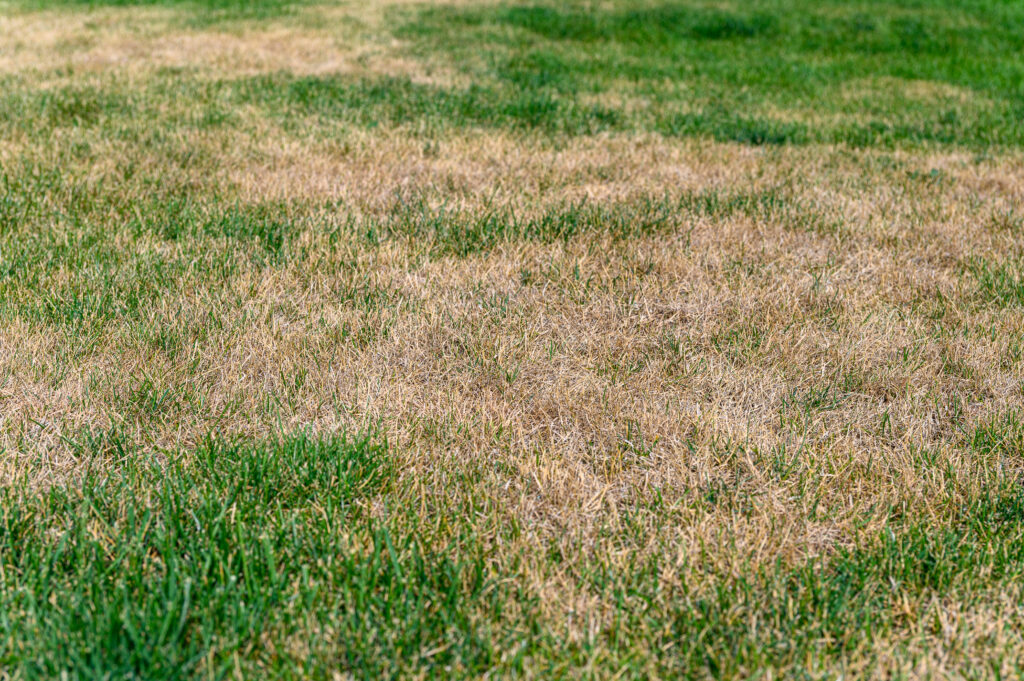
A Cinco Ranch customer messaged us last August from a work trip in Singapore. His irrigation tech texted a photo of the front yard, and a six foot strip of thick St. Augustine on Saturday was tan stubble by Tuesday. He thought a fertilizer truck spilled. It was fall armyworms working a north facing slope that backed onto a Mason Creek tributary. We treated Wednesday morning and the lawn pulled through. Another week and he would have been calling sod suppliers.
That story repeats every late summer. The Energy Corridor runs a constant rotation of oil and gas families on international assignments who have never seen a Texas armyworm wave. The Gulf Coast pattern is different from North Texas, the soils differ from San Antonio, and the timing is earlier and longer than relocated homeowners expect. This guide is built for the corridor between Beltway 8 and the Grand Parkway, where gumbo clay, recent storm sodding, and bayou habitat make armyworm pressure a yearly event.
Why West Houston Gets Hit First
Fall armyworm moths (Spodoptera frugiperda) overwinter along the Gulf Coast and migrate inland every summer on south winds. Sitting roughly fifty miles from Galveston Bay, our area is the early landing zone. Harris County AgriLife Extension consistently reports peak moth captures in West Houston pheromone traps 10 to 14 days before North Texas offices log the same threshold. By the time Dallas County is publishing alerts, our customers in Katy and Bridgeland are often finishing a second treatment cycle.
The other piece is how long our window stays open. Houston Coastal Plain humidity keeps armyworm activity going into October most years, while DFW winds down by late September. That gives West Houston lawns three extra weeks of exposure, plenty of time for a late wave to do serious damage if scouting stops too early.
Gumbo Clay Changes Treatment Selection
If you live in Katy, Cinco Ranch, Bear Creek, or most of Fort Bend County, you are sitting on Beaumont Clay, locally called black gumbo. It is dramatically different from the alkaline clay loams under North Dallas or the caliche under North San Antonio. Gumbo expands when wet and contracts when dry, opening surface cracks an inch or more wide during summer dry stretches.
Those cracks matter for armyworm control. Granular insecticides on a cracked gumbo lawn can drop straight through the canopy and disappear below the thatch where caterpillars actually feed. The treatment looks like it went down, but the active ingredient is six inches deep doing nothing.
Our crews lean on liquid applications for active outbreaks, or irrigate the day before granular goes down so the clay has closed back up. If you self-treat, do the same. A granular on dry, cracked gumbo is wasted product.
Storm Sodding Means More Vulnerable Lawns
West Houston has replanted more lawns in the last decade than almost any market in Texas. Harvey flooded thousands of yards across Memorial and the Energy Corridor in 2017. Imelda hit in 2019. Beryl in 2024 dropped enough mature shade trees that follow-up sod work ran into 2025. A significant share of West Houston St. Augustine and Zoysia lawns are five years old or less.
Young sod cannot absorb armyworm pressure the way an established lawn can. Roots are shallow, lateral runners have not knit, and any defoliation sets recovery back by months. If you sodded after any recent storm, plan on tighter scouting and faster thresholds. The five-caterpillars-per-square-yard guideline that works on a ten year old lawn drops to two or three on fresh sod.
Bayou Corridors Are Local Reservoirs
West Houston is laced with flood control infrastructure: Buffalo Bayou, Mason Creek, Cane Island Branch, the Barker Reservoir greenbelts, and the detention ponds that anchor every master planned community. Those grass corridors are armyworm habitat year round. Adult moths emerge from them, lay eggs on the closest residential lawns, and the larvae move outward from the fenceline into the rest of the neighborhood over the following two weeks.
If your property backs to any of these features, double your scouting frequency during peak pressure. We see a consistent pattern in Cinco Ranch, Towne Lake, and Bridgeland where homes along greenbelts get hit three to five days before interior streets of the same subdivision. The Houston Botanic Garden IPM team has documented similar edge effects along Sims Bayou. Cul de sacs dead-ending at a detention pond are the canary for the block. Treat the edge first and re-check the lawn in three days.
What to Watch For (Beyond the Obvious)
Most armyworm guides tell you to look for ragged blade tips and brown patches. Those signs work, but by the time they show up the late instar larvae are already eating heavily. The earlier signals matter more, especially on West Houston St. Augustine which is the dominant grass across our service area along with significant Bermuda and Zoysia plantings.
Moth flush at dawn or dusk
Walk the lawn just after sunrise or just before sunset. If a small cluster of tan and gray moths lifts off a few feet ahead of you, write it down. That is the egg laying generation working your turf. You have about three days before larvae start feeding.
Birds working a specific patch
Great-tailed grackles are the West Houston tell. If a flock is working a specific patch of lawn for three mornings in a row, walk that section. They are eating caterpillars you have not seen yet. Mockingbirds and white winged doves do the same thing but in smaller numbers.
Sod webworm activity alongside
This is more important on the Gulf Coast than in Dallas. West Houston St. Augustine commonly sees sod webworms and fall armyworms in the same window. Webworms leave small green pellet frass in the thatch, work at night, and create silken tunnels at the soil surface. The two pests respond to different active ingredients, so if you find webworm damage in July or August scout twice as hard for armyworms. Confirming both before you treat saves a second service call.
The bucket flush instead of a soap pour
Skip the standard soap recipe. Instead, fill a five gallon bucket with water and a generous squirt of lemon dish soap, then pour it in a slow ring around a suspect square foot. The ring keeps caterpillars from escaping laterally as the irritant works down through the thatch. Within four minutes any larvae present surface inside the ring. Look for greenish-brown caterpillars an inch to an inch and a half long with three thin yellow stripes and an inverted Y on the head.
Do the flush in late afternoon shade rather than morning sun. Gumbo lawns hold surface heat through midday and caterpillars stay deeper in the thatch when the soil is hot. A four o’clock test in shade pulls larvae up faster.
HOA Reality and Treatment Logistics
Cinco Ranch, Bridgeland, Towne Lake, Sienna, and most other master planned communities on the west side enforce strict appearance standards. A brown patch large enough to draw an HOA notice can develop in 72 hours during an active outbreak. That timeline matters for two reasons.
First, do not wait to see how bad it gets. Confirmed armyworms call for treatment the same day, not next weekend when you have time. Second, if you have an upcoming HOA inspection or a real estate listing photo session in August or September, request a preventive treatment in late July rather than waiting for damage. Our crews schedule preventive chlorantraniliprole applications across Cinco Ranch and Bridgeland in the back half of July specifically because the August and September showings cannot afford a surprise.
For active outbreaks, three active ingredients reliably work in Gulf Coast conditions. Bifenthrin gives fast contact action with about three weeks of residual. Spinosad is softer on beneficial insects and works well around the pollinator beds common in Sienna and Bridgeland front yards. Chlorantraniliprole offers the longest residual and is especially effective against late instar caterpillars. Apply in late afternoon or evening when larvae come out of the thatch to feed, and watch the radar because a pop-up Gulf Coast thunderstorm two hours after spraying washes the treatment off the canopy.
What Not to Do
Do not water harder. Armyworm damage mimics drought, and the reflex is to push the irrigation controller. Extra water does nothing for caterpillar damage, and on gumbo clay it creates the wet thatch conditions that invite gray leaf spot or brown patch on top of the existing damage.
Do not fertilize the damaged area. Nitrogen pushes growth the lawn cannot support yet and feeds whatever larvae remain. Hold fertility until the canopy starts to recover.
Do not assume an August brown patch is just heat stress. The bucket flush takes five minutes. Getting it wrong on a young post-Beryl St. Augustine lawn often means replacing pallets.
Do not skip the second scouting pass after a successful treatment. The Gulf Coast moth migration runs in overlapping waves through September, and we routinely see a second generation hit the same Cinco Ranch or Memorial lawn three to six weeks after the first wave was knocked down. One application does not buy you the season on this side of Houston. If you treated in late July, keep walking the lawn through October.
What to Do Next
If you spot moths lifting off the lawn at dusk, ragged blade tips, sudden grackle flocks, or a brown patch that was not there a week ago, run the bucket flush before you touch the irrigation controller. If you find caterpillars with the inverted Y, treat that day.
Lawn Squad of West Houston serves Katy, Cinco Ranch, Bridgeland, Towne Lake, the Energy Corridor, Memorial, Bellaire, Sugar Land, Sienna, and the surrounding west side communities. Call us at 713-489-6519 or request a free quote at lawnsquad.com.
Our VitaminLawn program includes weekly visual scouting through armyworm season, preventive options for high risk yards backing to bayous or detention ponds, and same-day response on confirmed outbreaks in master planned communities. The Cinco Ranch and Bridgeland yards that come through August and September with full canopy are usually the ones where someone walked the lawn twice a week, not the ones with the heaviest product list.