Short Answer: The first mow of the season on a North Dallas or Prosper area Bermuda lawn should wait until full green-up plus 2 weeks of active growth, typically mid to late April depending on the year. The right height is 1 to 1.5 inches for common Bermuda and 0.5 to 1.25 inches for hybrid Bermuda. Sharp blades are non-negotiable. Some homeowners scalp slightly shorter than normal for the first cut to remove dead winter blades and stimulate regrowth, but only after the lawn is fully active. Mowing too early on barely-active Bermuda damages crowns and slows recovery. Here is the practical guide for properties across Plano, Frisco, McKinney, Prosper, and the surrounding North Dallas area.
Bermuda is the dominant lawn grass across North Dallas and Prosper, and the first mow of the season matters more than most homeowners realize. Get it right and the canopy structure sets up for strong density through the long Texas summer. Get it wrong and you compromise the lawn for the rest of the year.
Across Plano, Frisco, McKinney, Prosper, Allen, Celina, and our broader service area, here is the practical guide.
When to Mow for the First Time
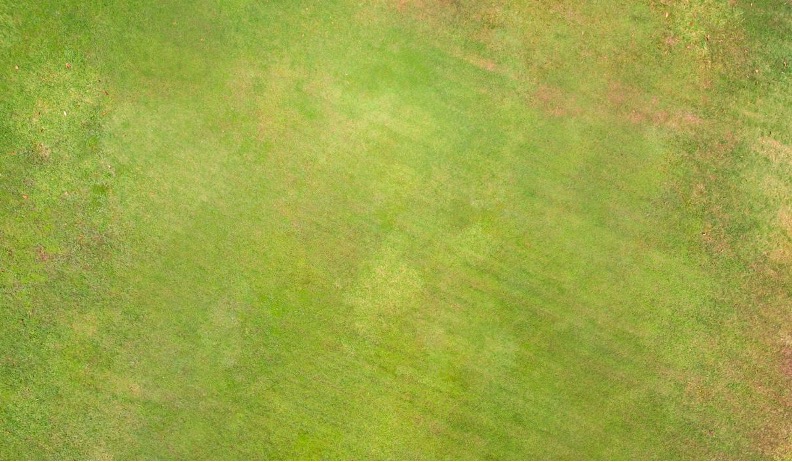
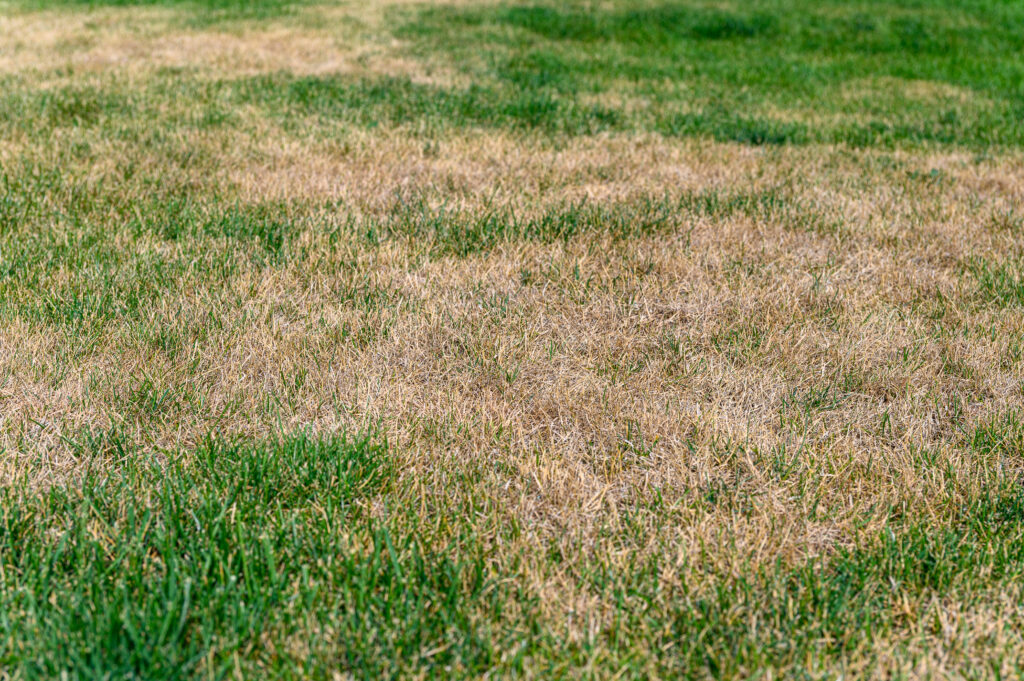
The first mow should wait until the lawn is fully greened up and showing active new growth. Visible cues:
Lawn color is uniform green across the entire visible area, not patchy.
New blade growth is visible above the existing brown winter growth.
Soil temperatures are consistently above 65 degrees.
The grass has been actively growing for at least 2 weeks.
For North Dallas and Prosper, this typically means mid to late April. Warm springs can push the timing earlier; cool springs delay it.
Mowing before the lawn is fully active wastes the cut (removing dormant tissue), damages barely-active crowns, and does not stimulate the growth surge that proper first-mow timing produces.
The Scalping Question
Many North Dallas area homeowners scalp their Bermuda lawns for the first cut. Scalping means cutting significantly shorter than normal, removing dead winter blades and exposing soil to sunlight.
Scalping done correctly stimulates dense regrowth and produces a uniform fresh start. Scalping at the wrong time damages the lawn.
The right time to scalp is after full green-up plus 2 weeks. Scalping height for most Bermuda is 0.75 to 1 inch (below normal mowing height of 1 to 1.5 inches).
The wrong time is before full green-up. Cutting barely-active lawn removes the green tissue the grass needs for recovery.
Common Bermuda: 1 to 1.5 Inches
Common Bermuda (seeded variety installed on many North Dallas properties) is bred for shorter cuts than cool-season grasses. Through the active season, the right mowing height is 1 to 1.5 inches.
Below 1 inch, common Bermuda starts to scalp and weaken. Above 1.5 inches, the canopy lays over and produces less dense appearance. Most homeowners get the best results at 1.25 to 1.5 inches with quality rotary mowers.
Hybrid Bermuda: 0.5 to 1.5 Inches
Hybrid Bermuda varieties (TifTuf, Celebration, TifGrand, Tahoma 31) tolerate shorter cuts and produce premium results at lower heights.
Reel mowers are ideal for hybrid Bermuda below 1 inch. They produce cleaner cuts at heights of 0.5 to 0.75 inches.
For residential homeowners with hybrid Bermuda using rotary mowers, 1 to 1.25 inches works well.
Sharp Blades for the First Mow
Sharp blades cut grass cleanly. Dull blades tear it. Visible difference: cleanly cut grass tips heal quickly and stay green. Torn grass tips brown out and look ragged.
Sharpen or replace blades before the first mow. The blade has been sitting since fall; oxidation may have dulled the edge.
Cost: $10 to $20 per blade for professional sharpening, $20 to $50 for replacement.
The One-Third Rule
Never remove more than one-third of the blade height in a single mowing. For Bermuda at 1.5-inch target, mow before grass reaches 2.25 inches.
This may mean mowing more frequently during peak growing season. In North Dallas, that typically means weekly mowing from May through September, sometimes twice weekly during peak growth.
If the lawn has grown taller than the one-third rule allows for a single cut to target height, do two cuts spaced 4 to 5 days apart.
Why Cut Height Matters
Bermuda is a stoloniferous grass that spreads through above-ground runners. Canopy density depends on stolon coverage, which depends on cutting height. Cut too tall and stolons stretch searching for light. Cut too short and stolons get scalped.
Properties that maintain proper Bermuda height through the season produce dense weed-resistant turf. Properties that mow at wrong height produce thin canopies.
Dry Grass Only
Mow dry grass, not wet. Wet grass produces ragged cuts, clumping clippings, soil rutting, and deck buildup. For North Dallas spring, waiting for a dry afternoon is usually sufficient.
Mulch, Not Bag
Mulching clippings is the right default. Clippings return nutrients and do not contribute to thatch at normal mowing frequencies when the one-third rule is followed.
Bagging makes sense for catching up after overgrowth, removing diseased tissue, or heavy seed heads.
Vary the Pattern
Mowing the same direction every time produces uneven density and compacted wheel paths. Vary direction week to week.
What the First Mow Sets Up
Properties that get the first mow right typically see better summer performance:
Denser canopy that shades out weeds.
Deeper root system for drought tolerance through hot Texas summers.
Lower disease pressure from clean cuts.
Less mowing frequency as the lawn grows at the right rate.
North Dallas Specific Conditions
Several factors affect Bermuda lawn care in our area:
Heavy clay soils common across the area. Drainage and compaction are persistent considerations.
Hot summers with extended dry stretches. Bermuda thrives but proper management matters.
Variable spring weather. Late frosts in March or April can affect Bermuda waking up.
Newer subdivisions with mostly open lawns and less mature canopy than older neighborhoods.
Mixed grass properties are rare but exist. Bermuda dominates most North Dallas lawns.
Common North Dallas Mistakes
Mowing too tall on common Bermuda. Many crews default to 2.5 inches. Adjust to actual Bermuda recommendations.
Scalping at the wrong time. Wait for full green-up plus 2 weeks.
Mowing wet grass. Produces ragged cuts and ruts.
Bagging routinely. Mulching works better day to day.
Same-direction mowing every week. Produces wheel ruts.
Skipping blade sharpening before the first cut.
Equipment Considerations
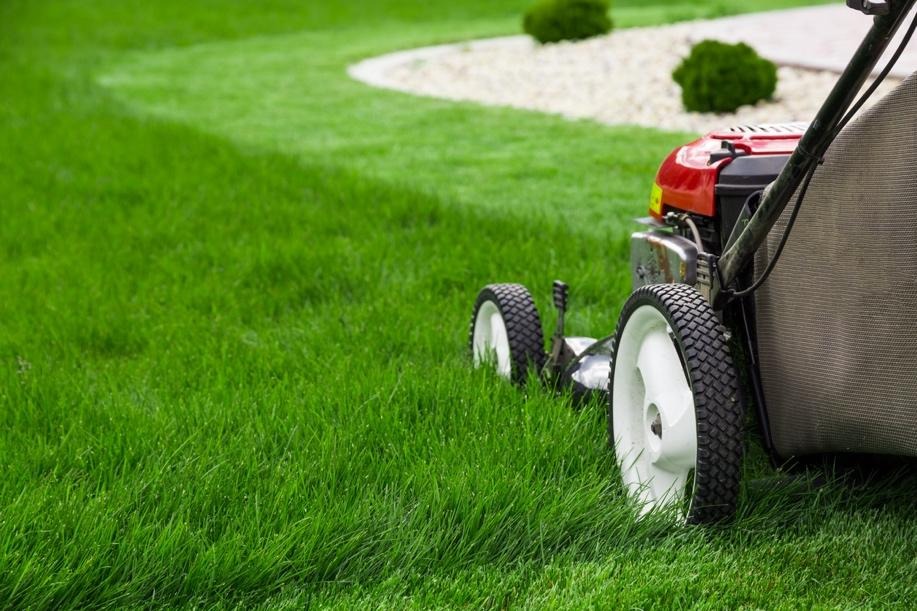
For common Bermuda at 1.25 to 1.5 inches: any quality rotary mower with sharp blades works.
For hybrid Bermuda at 1 to 1.25 inches: rotary works but reel mowers produce premium results.
For premium hybrid Bermuda at 0.5 to 0.75 inches: reel mower required.
Riding mowers work for larger North Dallas lots but tend to compact soil more than walk-behind.
Coordinating First Mow With Other Tasks
The first mow fits into a broader spring sequence. Equipment service before the first mow. Pre-emergent applied earlier (at soil temperature trigger for crabgrass, typically February or March in our area). First fertilization after the first mow when active growth is fully established. Aeration in late spring through early summer.
Properties that coordinate these tasks around proper Bermuda green-up timing produce better results than properties on calendar-driven schedules that may miss the right windows.
Texas Spring Variability and Year-Over-Year Documentation
Texas spring weather varies more year over year than many other regions. Some years bring warm February and March that push Bermuda green-up earlier than expected. Others bring cold snaps into April that delay green-up significantly.
Properties on rigid calendar-based first-mow timing often miss the actual lawn condition. Soil temperature and visible active growth tell you when the lawn is ready, regardless of what the calendar says.
Tracking your first-mow date and conditions year over year reveals weather patterns and your specific property’s response. Most properties find that proper timing varies by 2 to 4 weeks across years. Photo documentation of the lawn after the first mow also produces useful records. Year-over-year comparison shows whether overall lawn health is improving, stable, or declining.
What to Do Next
If you would rather have someone else handle the timing decisions, product selection, and application for your North Dallas and Prosper lawn, we are here for that.
Visit lawnsquad.com to find Lawn Squad of North Dallas-Prosper and request a free quote. Our VitaminLawn program is built specifically for the grass types, soils, and weather patterns in our service area. Most homeowners see noticeable improvement within the first two applications.