
Short Answer: Crabgrass shows up on North Shore Massachusetts lawns despite pre-emergent for predictable reasons: timing was off, application rate was too low, the barrier was disrupted by aeration or heavy rain, thin or bare areas allowed germination, or the product was used past its effective window. Pre-emergent is one of the most timing-sensitive lawn applications, and small mistakes mean visible crabgrass by July. The right approach is correct timing based on soil temperatures (not calendar dates), full-rate application, and a year-round program that builds dense turf to crowd out weeds. Here is the practical guide for properties across Beverly, Salem, Marblehead, and the surrounding North Shore.
You walk out in mid-July and there it is. Light green clumps with finger-like seed heads sprouting up across your North Shore Massachusetts lawn. Crabgrass. The same crabgrass you were supposed to have stopped with the pre-emergent application back in spring.
This is one of the most common frustrations we hear from homeowners across our service area. Pre-emergent worked great last year. This year crabgrass is everywhere. What changed?
Across Beverly, Salem, Marblehead, Peabody, Danvers, and our broader North Shore service area, here are the most common reasons pre-emergent fails and what actually keeps crabgrass out year after year.
Cause 1: Timing Was Off
Pre-emergent is the most timing-sensitive application in lawn care. It must be down before crabgrass seeds germinate. Once germination starts, pre-emergent does nothing.
The trigger is soil temperature, not calendar date. Crabgrass germinates when soil temperatures reach 55 degrees at a 4-inch depth for several consecutive days. In our area, that typically happens in mid to late April, sometimes earlier in mild years.
The most common timing mistake is applying too late. By the time the lawn is greening up vigorously and forsythia is finishing bloom, you may already be past the window. Pre-emergent applied in May after germination has begun has no effect on crabgrass that has already sprouted.
The second most common timing mistake is applying too early. Pre-emergent has an effective window typically lasting 10 to 14 weeks. If you apply in early March, the barrier may be breaking down by mid-June, leaving the late summer germination flush unprotected.
Cause 2: Application Rate Was Too Low
Pre-emergent works by creating a chemical barrier in the top layer of soil. The barrier needs to be thick enough to actually stop seedling growth.
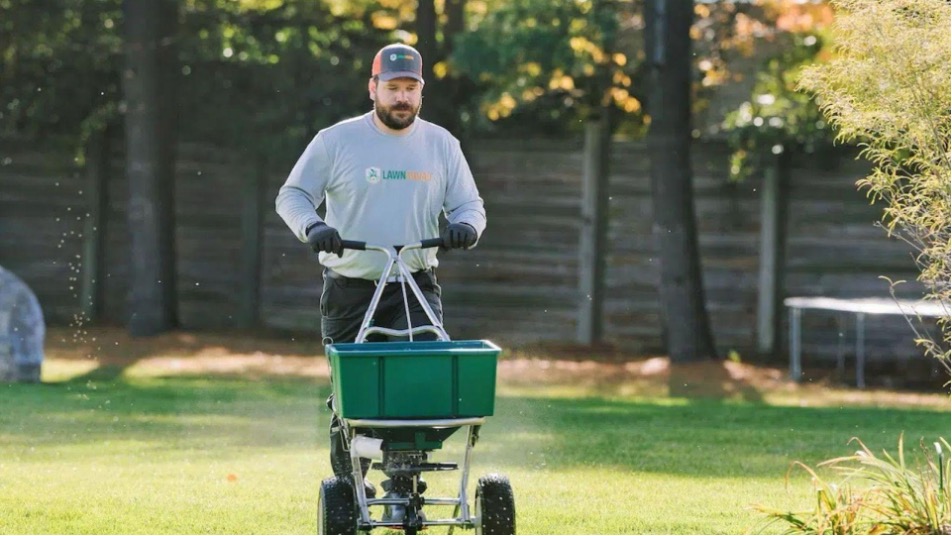
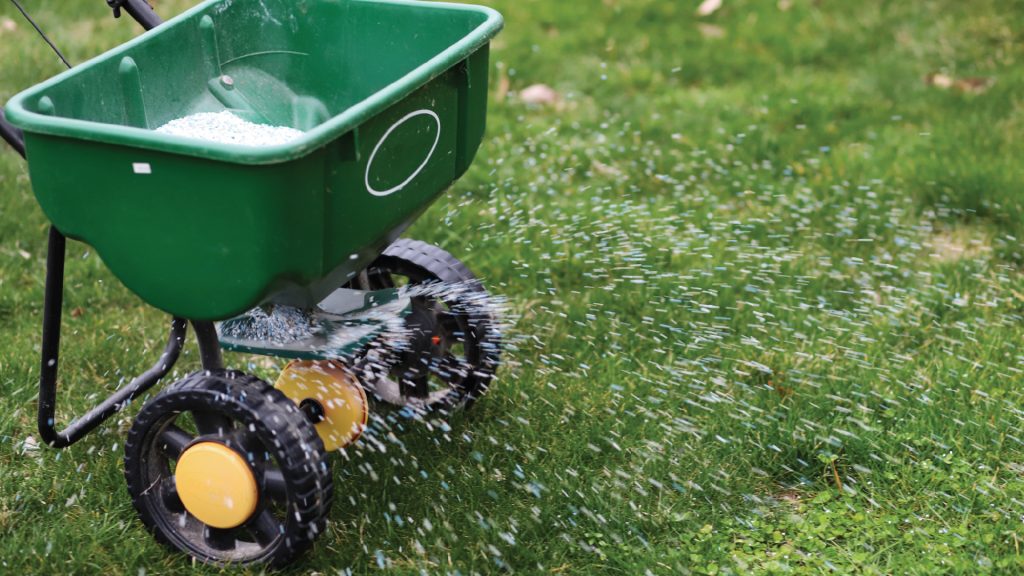
Spreader settings matter. Many homeowners cut application rates to spread the bag further or because they are uncertain. Under-applied pre-emergent creates a partial barrier that crabgrass punches through.
Read product labels carefully. Most consumer pre-emergents are calibrated for one specific spreader setting. Using a different spreader or a different setting creates uneven coverage with weak spots that allow crabgrass through.
Cause 3: The Barrier Was Disrupted
Pre-emergent works only as long as the soil layer it is in remains intact. Several things break the barrier:
Aeration after pre-emergent application. Core aeration pulls plugs of soil to the surface and creates holes through the barrier where weeds can germinate. If you plan to aerate in spring, do it before the pre-emergent application, not after.
Heavy rainfall events that move soil. Significant erosion or washout disrupts the chemical barrier. Properties on slopes are particularly vulnerable.
Power raking or dethatching. Removes the surface layer where the pre-emergent is concentrated.
Garden bed expansion or sod work. Any soil disturbance breaks the barrier locally.
Cause 4: Thin or Bare Areas
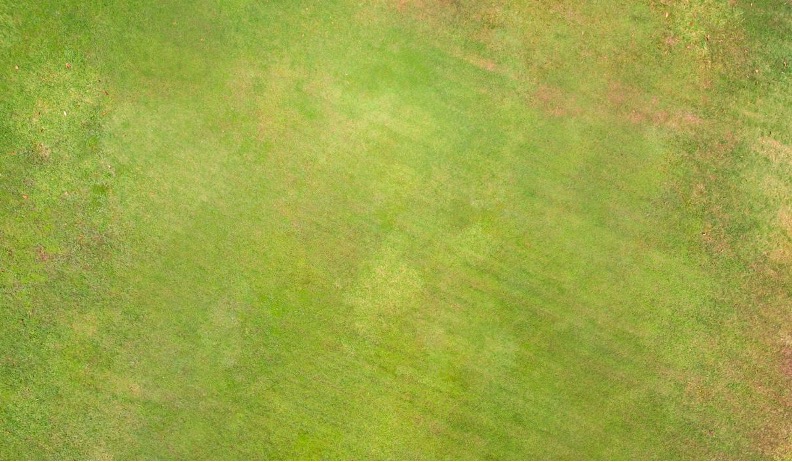
Pre-emergent does not stop crabgrass alone. It works in combination with dense turf that crowds out weed seedlings. Thin lawns with bare patches give crabgrass the open soil it needs to germinate even when pre-emergent is present.
Many North Shore lawns have damaged areas from winter (snow plow piles, salt damage, pet damage) that go bare in spring. These bare patches are crabgrass magnets regardless of pre-emergent.
The fix is repairing those areas with overseeding or sod patches. Thicker turf produces fewer weeds permanently.
Cause 5: Late Season Germination
Crabgrass has multiple germination flushes through the season. The main flush is May. Secondary flushes happen through June and July, especially after rain or when conditions cool slightly.
Single application pre-emergent often loses effectiveness by June. Lawns with significant crabgrass pressure benefit from a split application: a first treatment in mid-April and a second 8 to 10 weeks later in mid-June. The split application maintains the barrier through both germination flushes.
Cause 6: Wrong Product Choice
Several active ingredients are sold as pre-emergent crabgrass control. They are not all equally effective.
Prodiamine has the longest residual but must be applied earlier than other options.
Dithiopyr provides early post-emergent control on small crabgrass plants in addition to pre-emergent action, useful if you missed the timing window slightly.
Pendimethalin works well but has a shorter residual.
Most commercial pre-emergents are more concentrated than store products and provide stronger barrier in difficult conditions.
Cause 7: Crabgrass Was Already Here
Pre-emergent stops new germination. It does nothing to crabgrass plants that established the previous year.
Crabgrass is technically an annual that dies after frost, but the seed bank in the soil can produce new plants for years. A property with heavy crabgrass last summer often has visible crabgrass this summer too, even with perfect pre-emergent timing, because the soil is producing more seedlings than any single barrier can stop.
These properties typically need 2 to 3 consecutive years of strong pre-emergent before crabgrass pressure drops to manageable levels.
What Actually Works
The lawns we manage in our service area that consistently stay crabgrass-free share a common approach:
Soil temperature monitored, application timed correctly. Typically mid-April for our area.
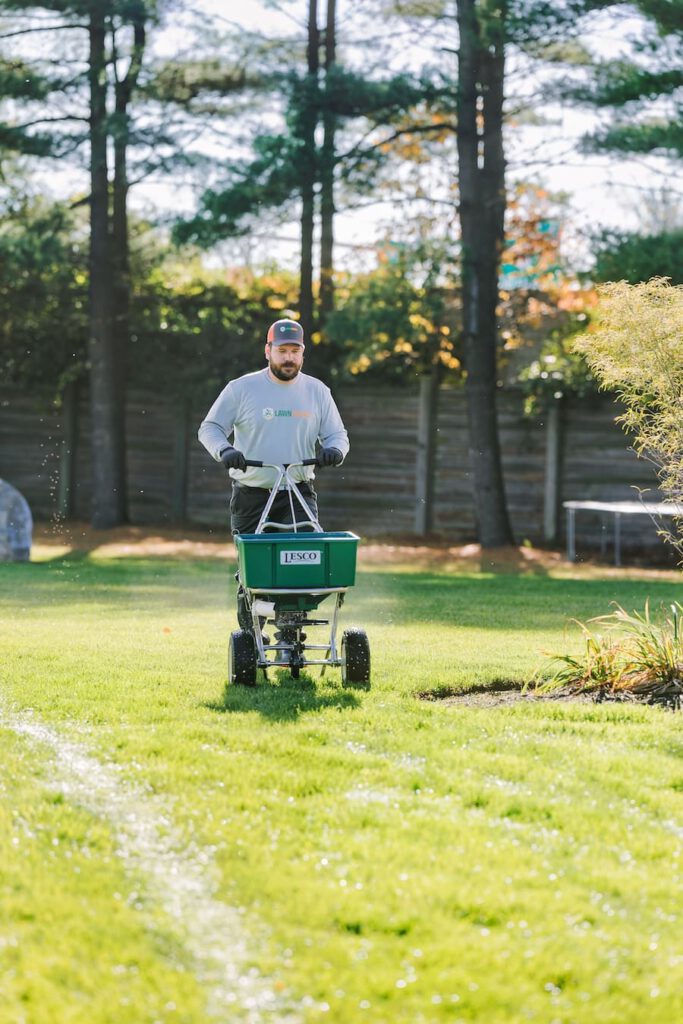
Full-rate application with proper spreader calibration.
Split application on properties with heavy crabgrass history.
Aeration done before pre-emergent, not after.
Bare and thin areas repaired through overseeding.
Year-round program supporting dense turf that crowds out weeds.
Spot treatment with post-emergent herbicide for any crabgrass that does break through.
What If You Already Have Crabgrass?
Once crabgrass is up, pre-emergent does nothing for it. Treatment options:
Post-emergent crabgrass herbicide applied to small actively growing plants. Most effective on plants under 4 leaves. Larger plants are harder to control.
Hand pulling for small infestations. Dispose of plants before seed heads mature.
Living with it for the rest of the season. Crabgrass dies after first frost. Repair bare areas in early September with overseeding.
North Shore Specifics
Several factors affect crabgrass pressure on our area:
Variable spring weather. Some years crabgrass germinates in early April, others not until early May. Timing matters more here than in steadier climates.
Compacted clay soils that recover slowly from winter. Thin turf produces more weeds.
Salt damage from winter road treatments creates bare patches along driveways and street edges. These areas are crabgrass hotspots.
Long warm summers with periodic heavy rain create multiple germination flushes.
What to Do Next
If your North Shore lawn keeps developing crabgrass despite spring pre-emergent, we walk properties across Beverly, Salem, Marblehead, and our broader service area to identify what is driving the failures and put together a year-round program that actually keeps crabgrass out. If you would rather have someone else handle the timing decisions, product selection, and application for your North Shore lawn, we are here for that.
Visit lawnsquad.com to find Lawn Squad of North Shore and request a free quote. Our VitaminLawn program is built specifically for the grass types, soils, and weather patterns in our service area. Most homeowners see noticeable improvement within the first two applications.