
Short Answer: Bermuda lawns across North Atlanta develop bare spots each spring for predictable reasons: winter damage that did not recover, traffic and compaction in high-use areas, take-all root rot that started underground last fall, pet urine accumulation from cold months, and slow green-up in shaded or marginal spots. Each cause has a different fix, and the right response depends on what you are actually seeing on your specific property. Most bare spots are recoverable when caught early. Here is how to diagnose what is happening on your North Atlanta lawn.
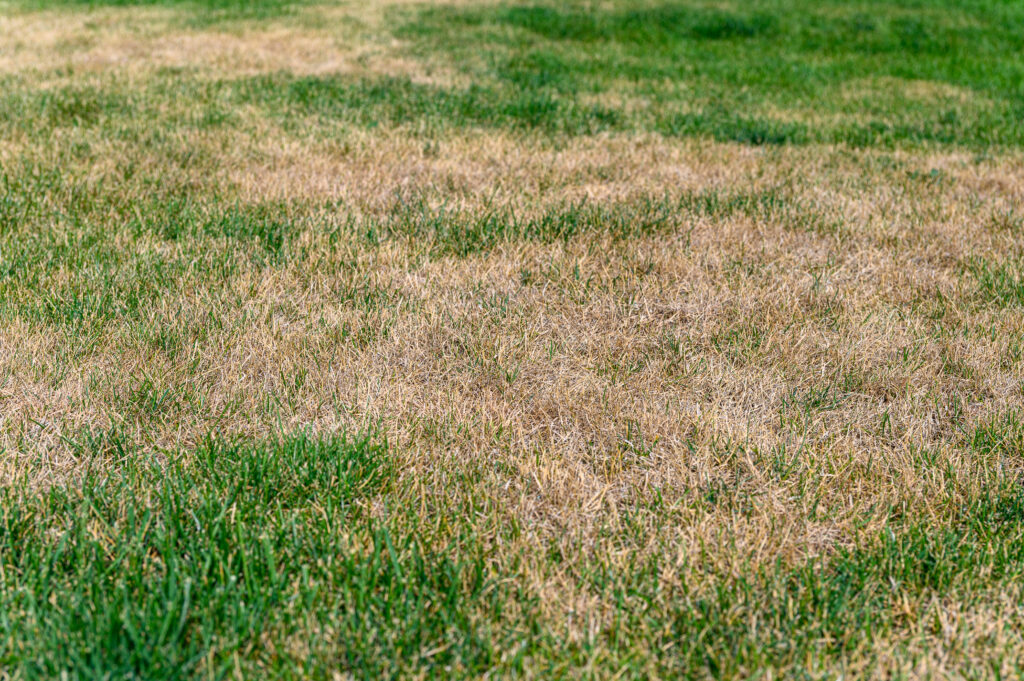
You walk out one morning in April or May and there they are: bare spots across your North Atlanta Bermuda lawn that were not visible last fall. Some are small. Some are larger. The lawn that went into winter looking fine has come out looking patchy.
This is one of the most common spring lawn calls we get across Alpharetta, Roswell, Marietta, Sandy Springs, and our broader North Atlanta service area. Bare spots have several different causes, and the right fix depends on which you have. Here are the five we see most often.
Cause 1: Winter Damage That Did Not Recover
North Atlanta winters are mild compared to northern markets, but we still get cold snaps that can damage Bermuda. Particularly bad cold (below 20 degrees for extended periods) can kill grass crowns in exposed areas, especially on properties with limited windbreak.
The visible signs are bare areas in the same locations year after year, often on the windward sides of houses or in low spots where cold air settles. These are typically permanent damage zones unless you address the underlying exposure issue.
The fix involves replacing the dead grass through plugging or sodding once the soil warms, plus considering windbreak plantings or other protective measures if the same areas die year after year.
Cause 2: Traffic and Compaction in High-Use Areas
High-traffic areas develop bare spots predictably. Paths kids take to the gate, where dogs run, near play equipment, paths to outdoor entertainment areas. The combination of physical wear and soil compaction kills grass faster than it can recover.
The visible signs are bare spots in obvious high-use locations with hard, compacted soil underneath. These typically reappear each spring after winter exposes the cumulative damage.
The fix combines aeration to relieve compaction, traffic redirection where possible (stepping stones, paths, designated play areas), and sod plugs or seeding once soil conditions improve.
Cause 3: Take-All Root Rot
Take-all root rot is one of the most common diseases on Atlanta area Bermuda. The disease attacks roots underground first, and damage often shows up as bare spots in spring before the active disease symptoms (yellow patches, easy-to-pull grass) become obvious.
The visible signs are irregular bare areas that expand year over year, typically with surrounding grass that looks slightly off (yellowish, thin) compared to healthy turf elsewhere in the lawn.
The fix requires fungicide treatment plus addressing soil chemistry. Take-all thrives in alkaline, compacted soils with poor drainage. Sulfur applications gradually reduce pH. Aeration helps with compaction. The combination over multiple seasons brings the disease under control.
Cause 4: Pet Urine Accumulation
If you have a dog and you see bare spots concentrated in specific yard areas the dog uses, particularly near doors or in corners along the fence line, you are likely seeing accumulated pet urine damage.
Cold weather doesn’t reduce pet urine damage; it just makes the seasonal pattern less visible while it is happening. The high nitrogen and salt content burns grass crowns over weeks of repeated exposure. By spring, the affected areas are visibly dead.
The fix is the same as summer pet damage: flush the soil with water to dilute salts, designate a potty area going forward, and reseed or sod the dead spots once soil chemistry has recovered.
Cause 5: Slow Green-Up in Marginal Spots
Some “bare spots” in spring are actually areas where Bermuda is just slow to wake up rather than truly dead. Bermuda needs soil temperatures above 65 degrees consistently to fully green up. Areas in shade, on cool exposures, or with poor drainage warm slower than the rest of the lawn.
The visible signs are bare-looking areas in spring that gradually fill in by mid-summer as growing conditions improve. If your bare spots are in shaded areas or on north-facing slopes, this is likely what you are seeing.
The fix is patience. Most slow-green-up areas fill in by July without intervention. Areas that remain bare past mid-summer are likely dead and need replacement.
How to Tell Which You Have
Walk the lawn and consider:
Location patterns. Same spots year after year? Likely winter damage, traffic, or shade.
Edge appearance. Are the bare areas spreading outward (disease) or static (mechanical damage)?
Surrounding grass. Does the grass around the bare spot look healthy (mechanical issue) or stressed (disease or chemistry)?
Recent history. Did anything change last year that might explain new damage (construction, new pet, new traffic patterns)?
Most properties have two or three different causes producing bare spots in different areas. The right response is targeted to each.
The Recovery Plan
For most North Atlanta Bermuda lawns with spring bare spots:
Wait for soil to warm fully (mid-May at the earliest) so any actively growing grass has shown itself.
Walk the property and document what you are seeing.
Address compaction with core aeration in late spring.
Sod or plug severely damaged areas. Seeding Bermuda is possible but slower than sodding.
Apply appropriate fungicide if take-all is suspected.
Adjust watering and fertility for the rest of the season to support recovery.
Realistic Recovery Timeline
Bermuda is aggressive in summer, so most bare spots fill in faster than they would on cool-season grass. Light damage often recovers within 4 to 6 weeks of warm weather. Moderate damage takes 8 to 10 weeks. Severe damage typically requires sodding or plugging for visible recovery within the season.
Prevention for Next Year
For the most common spring bare spots:
Annual fall fertilization. Strong fall feeding builds reserves that help the lawn survive winter and bounce back faster in spring.
Aeration each year on clay-soil properties.
Pet area designation if you have dogs.
Traffic management for high-use areas.
Disease prevention through soil chemistry management and proper watering.
What to Do Next
If your North Atlanta area Bermuda lawn has spring bare spots and you want help diagnosing the causes plus putting together a recovery plan, we walk properties across our service area to identify each cause separately and recommend targeted fixes. If you would rather have someone else handle the timing decisions, product selection, and application for your North Atlanta lawn, we are here for that.
Visit lawnsquad.com to find Lawn Squad of North Atlanta and request a free quote. Our VitaminLawn program is built specifically for the grass types, soils, and weather patterns in our service area. Most homeowners see noticeable improvement within the first two applications.