
Short Answer: If you are seeing matted gray or pink patches across your Dayton area lawn after the snow finally melted, you are looking at snow mold. The fungal disease develops under prolonged snow cover, especially when the lawn went into winter with too much top growth or excessive thatch. Most snow mold patches recover on their own once exposed to sunlight and air. Light raking accelerates recovery. Severe cases may need overseeding to fill in patches that do not bounce back within a few weeks. Prevention for next winter focuses on the final fall mow, fertilizer timing, and thatch management. Here is the practical guide.
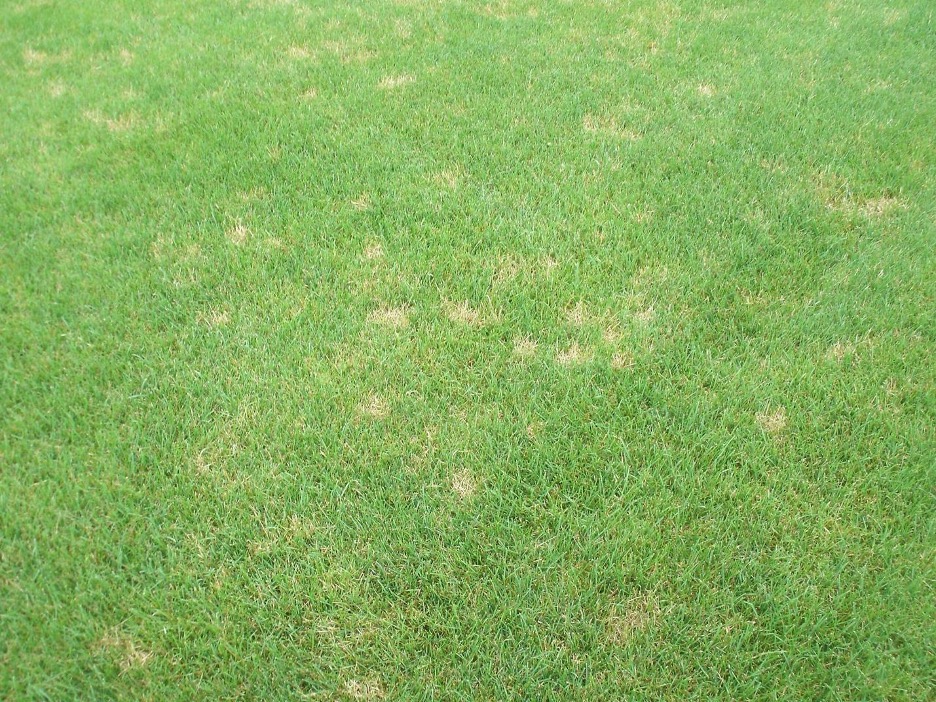
You walked your Dayton, Centerville, Kettering, or Beavercreek lawn after the snow finally melted, and the picture is rough. Circular patches of matted, grayish or pinkish dead grass scattered across the yard. Some patches have a web-like or crusty appearance. The lawn that looked fine in November now looks like it has been beaten up.
What you are seeing is almost certainly snow mold, one of the most common spring lawn issues across Ohio. The good news is that most snow mold damage is repairable. Here is how to handle it now and prevent it next winter.
How to Confirm It Is Snow Mold
Snow mold has two common forms in Dayton area lawns:
Gray snow mold (also called Typhula blight) appears as circular patches of grayish-white, matted grass with a web-like crust on the surface. Patches typically run 4 inches to 2 feet across.
Pink snow mold (also called Microdochium patch) appears similarly but with a pink or salmon-colored cast to the matted grass, especially around the patch margins. The pink color comes from the fungus itself.
Both forms develop under prolonged snow cover and are visible only after snow melts. The diagnostic is the matted, crusty appearance. Healthy spring lawn returns to upright posture as it warms; snow-mold-affected grass stays flat and dead-looking.
Why It Happens
Snow mold fungi exist in soil and thatch year-round. They activate under specific conditions: prolonged snow cover at temperatures just above freezing, lush top growth from late-fall fertilization, and excessive thatch that holds moisture. The combination produces the cool, damp, oxygen-limited environment the fungi need.
Dayton area winters reliably produce these conditions. We get consistent snow cover from late December through February, with temperatures hovering around freezing for extended periods. Properties that went into winter with their last mow above 3 inches and a heavy October fertilization tend to see worse snow mold than properties cut to 2.5 inches with light fall feeding.
Treatment for Active Damage
Most snow mold patches recover on their own once exposed to sunlight and air. The key word is exposure. Matted grass blades trap moisture and limit air circulation, which is why the disease persists even after temperatures rise.
Light raking with a leaf rake or stiff broom breaks up the matted thatch and lets air reach the crowns underneath. Most affected areas show recovery within 3 to 6 weeks of warm weather and exposure.
For severe cases (patches over 2 feet, or patches where you can see no green growth recovering after 4 weeks), overseeding is appropriate. The dead crowns will not regrow on their own, and seed-and-recovery is faster than waiting for surrounding grass to fill in.
What Not to Do
Aggressive raking that tears up unaffected turf. Light raking is helpful; aggressive power raking does more harm than good.
Heavy fertilizer application in early spring to push recovery. Too much nitrogen pushes soft growth that can harbor more disease and stress out the plants that survived.
Fungicide applications after the disease has stopped active growth. Snow mold becomes inactive as conditions warm. Spring fungicide is rarely useful unless conditions are unusually cold and wet.
Prevention for Next Winter
Several practices reduce snow mold risk:
Final fall mow at 2.5 to 3 inches. Lower than your normal summer height. Long grass going into winter is the biggest snow mold contributor we see.
Light final fertilization rather than heavy October feeding. The winterizer application should be moderate, not heavy. Lush growth heading into snow cover invites disease.
Thatch management. If thatch is over half an inch thick, fall power raking or aeration helps reduce the moisture-holding layer that feeds snow mold.
Avoid concentrated snow piles. Plowed snow piles that sit on lawn for weeks create the worst snow mold zones because they extend the cold-wet conditions long after surrounding snow has melted.
For lawns with consistent snow mold history, a preventative fungicide applied in late November before snow cover sets in can dramatically reduce disease pressure. This is appropriate for properties where damage has been severe for multiple winters.
Recovery Timeline
Light snow mold (small patches, fungus is inactive): 3 to 4 weeks to visible recovery once raking has been done and warm weather has arrived.
Moderate snow mold (multiple patches, some grass still alive underneath): 4 to 6 weeks for most areas; spot overseeding may help the worst spots.
Severe snow mold (large patches, no living grass underneath): overseeding or sodding is needed for full recovery. Without intervention, surrounding grass takes 2 to 3 months to fill in.
Combine With Other Spring Tasks
Snow mold treatment fits naturally with broader spring lawn recovery work. The typical sequence we recommend across our Dayton service area:
Wait until snow has fully melted and soil has dried enough to walk on without tracking mud.
Walk the property and assess. Note snow mold patches, vole damage, salt damage, and any other winter issues.
Light raking on snow mold patches and vole trails. Skip aggressive dethatching.
Apply spring pre-emergent timed to soil temperature.
Plan spot overseeding for the most severe damage and full overseeding plus aeration for fall.
Why Dayton Sees Consistent Snow Mold
Our climate produces reliable snow cover, the moderate freezing temperatures that snow mold fungi prefer, and the cool damp early-spring conditions that prolong fungal activity after melt. That combination means most Dayton area lawns face some snow mold pressure most years.
The variation comes from lawn-specific factors: mowing height, fertilization timing, thatch level, and exposure. Properties that manage these factors well see minor snow mold; properties that do not see severe damage.
What to Do Next
If your Dayton area lawn has visible snow mold damage and you want help with recovery plus prevention for next winter, we walk properties across our service area regularly. The right approach depends on severity and the underlying conditions on your specific lawn. If you would rather have someone else handle the timing decisions, product selection, and application for your Dayton lawn, we are here for that.
Visit lawnsquad.com to find Lawn Squad of Dayton and request a free quote. Our VitaminLawn program is built specifically for the grass types, soils, and weather patterns in our service area. Most homeowners see noticeable improvement within the first two applications.