Short Answer: The five most expensive spring lawn care mistakes in North Dallas-Prosper are daily shallow watering, mistimed pre-emergent (our window is February, not March or April), ignoring alkaline soil pH on our blackland prairie clay, treating Bermuda and St. Augustine the same, and missing early take-all root rot signs. Each costs $300 to $2,000 in summer recovery work. Below is how to spot and avoid each, for lawns from Frisco to Plano to Prosper to Allen.
North Texas lawns face pressures most of the country does not see: 100+ degree summer heat on top of high humidity, alkaline blackland prairie clay, water restrictions, and a long growing season for multiple warm-season grasses. Small mistakes in February and March compound dramatically by July and August. Here are the five most expensive ones we see every spring.
Mistake 1: Daily Shallow Watering
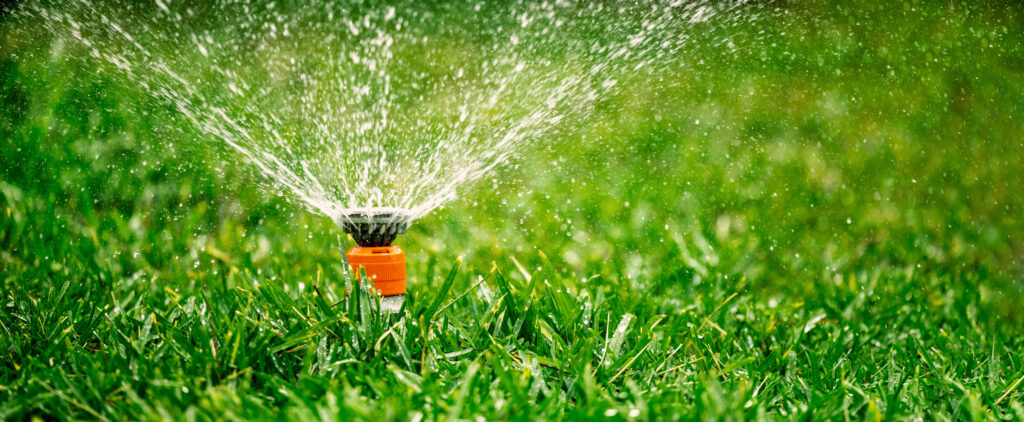
This is the most common mistake on North Dallas-Prosper lawns. Homeowners set irrigation to water 10 to 15 minutes every morning, which delivers shallow water that evaporates before it reaches roots. The grass develops shallow root systems that cannot survive the July heat.
The right approach: Bermuda and St. Augustine need 1 to 1.5 inches of water per week, delivered in one or two deep soakings. Use a rain gauge or tuna can to measure how long your sprinklers need to run to put down half an inch. Then water that long, twice a week. Early morning only, never at night or midday.
Deep infrequent watering forces roots downward. By summer, a deep-rooted Bermuda lawn survives 105-degree days that burn up daily-watered lawns.
Mistake 2: Mistimed Pre-Emergent
In North Dallas-Prosper, crabgrass germinates when soil temperatures hit 55 degrees. That happens between February 1 and February 20 in most years. Our first pre-emergent application needs to be down by mid-February.
What most DIY homeowners do: wait until they “see spring” in late March or early April. By then crabgrass is already germinated. Pre-emergent does not kill what is already growing.
What the pros do: apply prodiamine or pendimethalin February 1 to 20, with a split-rate second application in April to extend coverage through the full germination window. If you missed February entirely, April dithiopyr with light post-emergent activity is your salvage option but expect reduced effectiveness.
Mistake 3: Ignoring Alkaline Soil pH
North Dallas sits on blackland prairie clay with pH often between 7.5 and 8.3. That alkalinity chemically locks up iron and manganese. The visible result: yellow or pale lawns even when nitrogen fertility is adequate.
The fix: soil test through Texas A&M AgriLife Extension ($15). If pH is above 7.5, apply elemental sulfur at 5 pounds per 1,000 sq ft in fall. Foliar chelated iron applications provide short-term greening. Plan on multi-year pH correction, because sulfur works slowly.
Homeowners who skip pH correction and just apply more nitrogen end up with lawns that never look as good as they should. They are over-fertilizing into alkaline soil and wondering why the color is off.
Mistake 4: Treating Bermuda and St. Augustine the Same
North Dallas lawns split roughly between Bermuda (most common), St. Augustine (common in shaded yards and older Richardson and North Dallas neighborhoods), and Zoysia (increasingly popular in Prosper and Frisco new construction).
Each wants different treatment:
- Bermuda: mow at 1 to 1.5 inches, full sun, tolerates high nitrogen
- St. Augustine: mow at 3.5 to 4 inches, tolerates shade, sensitive to excess nitrogen
- Zoysia: mow at 2 to 3 inches, moderate nitrogen, watch for large patch in spring
Applying a Bermuda-friendly program to St. Augustine triggers gray leaf spot and chinch bug damage. Applying a St. Augustine-friendly program to Bermuda under-feeds it. Mixed lawns need section-by-section treatment, not blanket applications.
Mistake 5: Ignoring Take-All Root Rot Signs
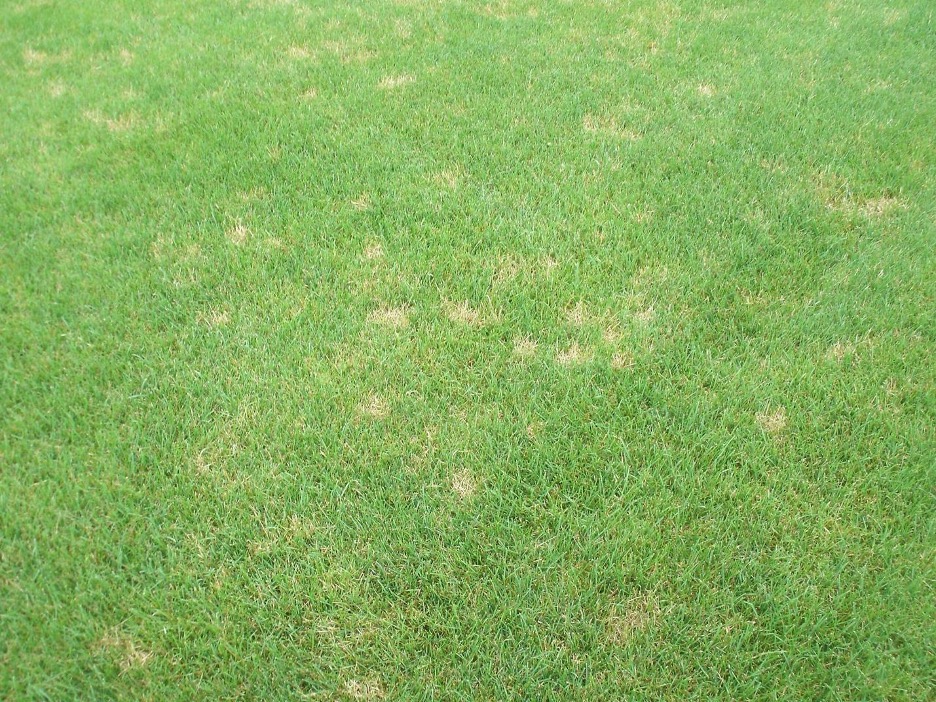
Take-all root rot is common on alkaline clay soils in North Dallas. It shows up as slow-green Bermuda or St. Augustine areas where roots are rotted when you pull a handful.
The signs:
- Bermuda areas slow to green up in spring while surrounding lawn has greened normally
- Thin, yellow-green patches that never fully fill in
- Pulling a handful of grass shows dark, short, rotted roots instead of healthy white ones
The fix: soil test to confirm pH issue. Apply elemental sulfur to gradually lower pH. Supplement manganese (a common co-deficiency at high pH). Fungicide can support recovery in severe cases. Homeowners who ignore these signs for two or three seasons often end up replacing entire sections of turf.
A Sixth Worth Mentioning: Skipping Fire Ant Prevention
Fire ants in North Dallas are not an if-question. They are a when-question. Spring broadcast bait applications prevent colony explosions. Spot-treating mounds after they appear is always more expensive and less effective than one well-timed spring application.
The Pattern Behind These Mistakes
Each mistake comes from doing what feels intuitive (water often, wait to see, feed more) when the right answer is to do something specific at a specific time. North Dallas lawn care rewards calibration and punishes guesswork.
What to Do Next
If you want a team that tracks soil temperature, times pre-emergent correctly, addresses soil pH, and handles chinch bug and take-all pressure proactively, we are here.
Lawn Squad of North Dallas-Prosper serves Allen, Dallas, Frisco, Plano, and Prosper.
Call us at 469-629-1599 or request a free quote at lawnsquad.com. Our VitaminLawn program is built specifically for North Dallas’s alkaline blackland prairie clay and warm-season grasses.