Picture this: it’s a rainy afternoon in your Northern Kentucky neighborhood, and as the storm rolls through, you can see your yard transforming into a muddy swamp. While your neighbors’ lawns appear pristine and untouched, yours is a soggy mess, with water pooling in all the wrong places. The frustration mounts as you feel a mix of guilt for not taking better care of your lawn and pride for your home’s potential. But fear not, you’re not alone, and there are actionable steps you can take to protect your lawn from flooding.

Why Cincinnati Lawns Struggle
Living in the Cincinnati and Northern Kentucky area, we face unique challenges when it comes to maintaining our lawns. The rolling hills, clay-loam soil, and unpredictable weather can wreak havoc on your outdoor space.
You might not realize it, but the very soil that supports your grass also has a tendency to retain water, leading to drainage issues and, eventually, flooding.
As a homeowner in this region, I’ve experienced this firsthand. After a heavy downpour, I stepped into my backyard only to find it resembling a muddy lake. My neighbor’s lush lawn seemed to mock my plight, and I felt a rush of frustration. “Why can’t I have a yard like that?” I thought.
The truth is, many homeowners don’t see how poor drainage and soil issues can drastically affect the health of their lawns. Typical DIY methods often fail because they don’t address the root causes: compacted soil, insufficient drainage, and the wrong grass types. You may aerate, apply fertilizers, or even re-seed, but without addressing the actual drainage issues, you’re just putting a Band-Aid on a much larger problem.
Protect Your Northern Kentucky Lawn From Flooding Solutions
To truly protect your lawn from flooding, you need a tailored approach that considers our local soil, slopes, and weather patterns. Here’s a step-by-step framework specifically designed for Northern Kentucky lawns:
- Assess and Identify Problem Areas: Walk your yard after a rainstorm and observe where the water collects. Are there low spots or areas that seem particularly soggy? Identifying these areas is crucial for developing a targeted strategy.
- Aerate Compacted Clay-Loam Spots: Use a core aerator to relieve soil compaction in the areas you’ve identified. This should ideally be done in early spring or early fall when the grass is actively growing. Aeration allows water to penetrate deeper into the soil, reducing surface pooling.
- Create Rain Gardens: Consider creating rain gardens in areas where water tends to collect. These gardens, filled with native plants, can help absorb excess water and add beauty to your lawn. Not only do they provide a functional solution, but they also support local wildlife and add biodiversity.
- Redirect Downspouts: Ensure your downspouts are directed away from your foundation and towards your gardens or drainage areas. This simple adjustment can significantly reduce the amount of water pooling around your home.
- Regularly Maintain Gutters: Keep your gutters clean and free of debris. Clogged gutters can lead to overflowing, which exacerbates flooding problems.
- Monitor and Adjust: After implementing these changes, keep an eye on your lawn during rainfall. Make adjustments as needed, and don’t hesitate to reach out for professional help if you’re not seeing the desired results.
Your Local Family’s Lawn Makeover
Meet the Reynolds family, who had always dreamed of a lush, green backyard where their kids could play and they could host summer barbecues.
But every heavy rain turned their yard into a soggy, muddy mess. Frustrated and ready for a change, they decided to take action.
After consulting with a local lawn care professional, they learned how critical proper drainage and aeration were. They created a rain-friendly plan, including a small rain garden that not only managed excess water but also attracted butterflies and bees.
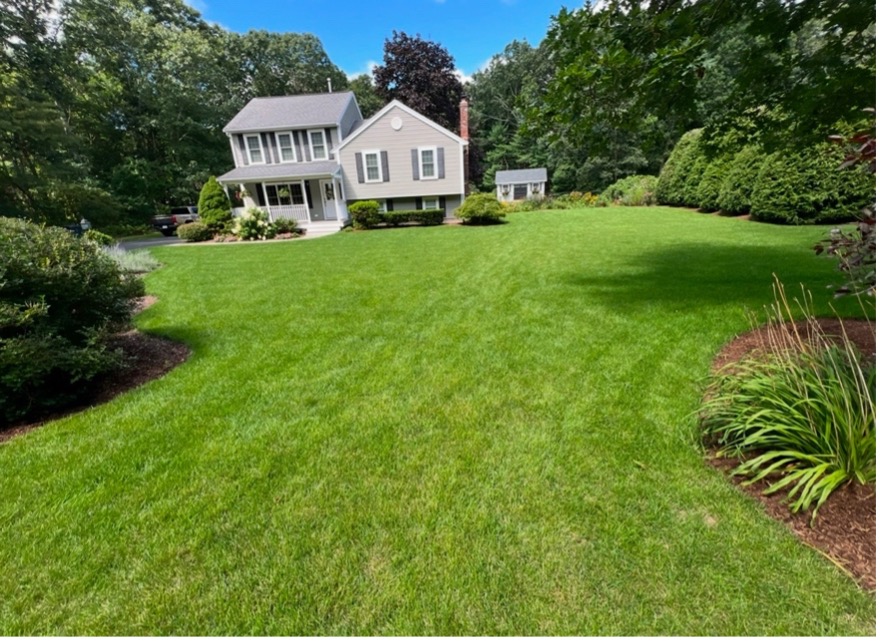
With consistent care and patience, their yard transformed from a swampy patch to a vibrant, usable space—perfect for backyard games, family gatherings, and summer cookouts.
Elevate Your Lawn Today
Don’t let the challenges of our beautiful rolling hills and stubborn clay-loam soil hold you back any longer. It’s time to take action and transform your lawn into the envy of the neighborhood.
Call Lawn Squad® at 513-715-6200 or ask about our VitaminLawn® Program today — let’s make your lawn a thriving oasis that stands tall against flooding and all the challenges nature throws its way!