Life on Florida’s First Coast can be tough on your lawn. The intense heat bakes the grass, and when relief finally comes, it often shows up as sudden, heavy storms that leave your yard soaked, stressed, and struggling. Meanwhile, your neighbor’s lawn somehow looks golf-course green—and you’re left wondering what magic they’re using that you’re not.
Between the blazing sun, salty coastal breezes, and unpredictable downpours, lawns in Jacksonville and St. Augustine take a beating. It’s no surprise that patches of yellow, thinning grass, and storm debris can quickly make your yard look neglected. But with the right post-storm care and a few smart strategies tailored to our coastal climate, you can restore your lawn’s health and enjoy an outdoor space that actually feels like part of the Northeast Florida lifestyle.
This season, we’ll break down the essential steps to revive your lawn after summer’s toughest weather, the common mistakes homeowners make, and how to bring back the lush, vibrant look that makes outdoor living on the First Coast so special.
Lawn Care in Jacksonville–St. Augustine
Let’s face it—keeping a lawn healthy on Florida’s First Coast is no simple task. Our sandy soil makes it hard for grass to hold nutrients, and those sudden coastal storms don’t do your yard any favors. After the rain passes, many homeowners assume their lawn is refreshed, when in reality the downpours may have washed away vital nutrients and left the turf vulnerable to pests and stress.
“I figured the rainfall would perk everything up,” says Mark from St. Augustine. “Instead, I ended up battling chinch bugs and bare spots I never even noticed before.”
It’s understandable—between beach days, local events, and the laid-back coastal lifestyle, it’s easy to overlook what’s happening in your yard. But here’s the reality: skipping post-storm lawn care can quickly turn minor issues into major headaches. If you want a lawn that stays green and resilient, giving it attention after every storm is non-negotiable.
How to Actually Fix It
So, how do you tackle these challenges without sacrificing your precious weekends? Here’s the brReviving your yard doesn’t have to take all your free time. Here’s a straightforward guide to getting back on track:
- Clear Debris: Start by removing any leaves, branches, or debris from your lawn. This allows sunlight to reach the grass and prevents pests from hiding.
- Assess Soil Health: Check for compacted soil or erosion. You can do this by digging a small hole. If it’s hard as a rock, it’s time to aerate.
- Water Wisely: After storms, it’s easy to assume your yard is saturated. However, with our sandy soil, it can dry out quickly. Water deeply, but less frequently to encourage deep root growth.
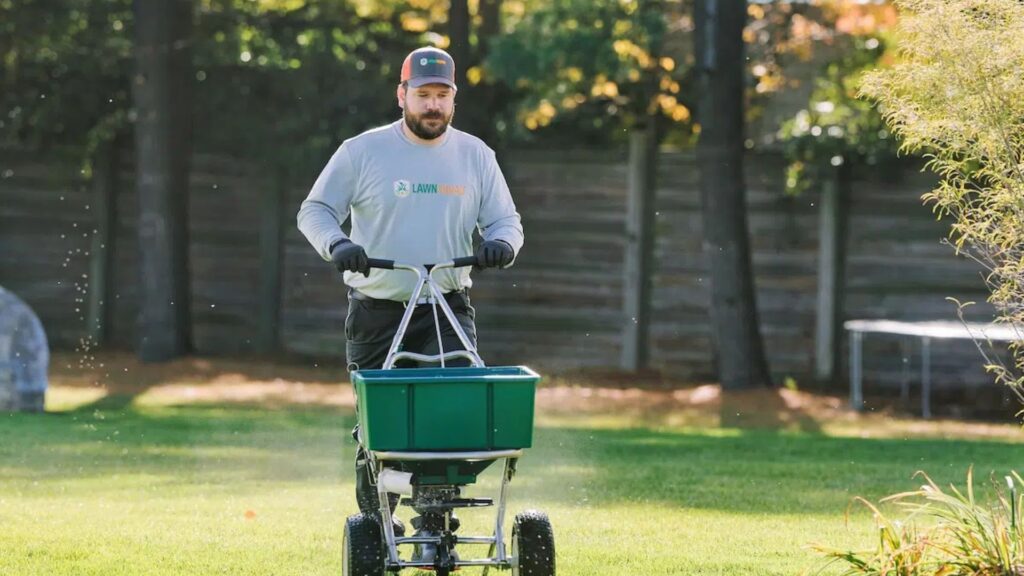
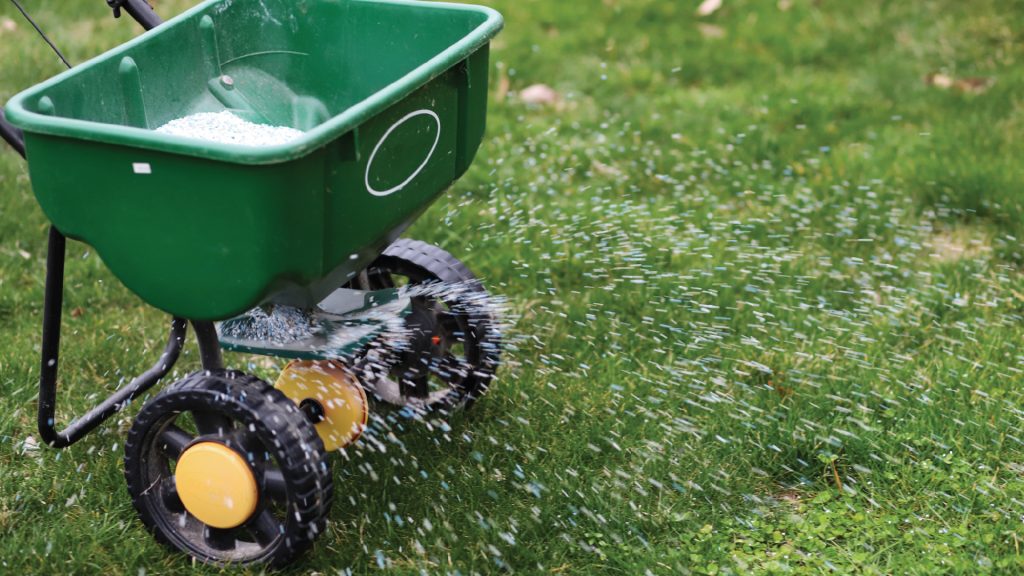
- Fertilization: Apply a slow-release fertilizer that’s specially formulated for sandy soil. Timing is everything—late summer is a great time to give your lawn the nutrients it needs to recover.
- Pest Management: Keep an eye out for pests like chinch bugs. If you notice brown patches, it might be time for a targeted insecticide.
The #1 mistake homeowners make? Waiting too long to take action. The longer you let issues fester, the harder it is to reclaim your lawn.
A Jacksonville–St. Augustine Local Story
Meet Joe, a local dad who loves hosting weekend barbecues in his backyard. Last summer, after a series of storms swept through, Joe’s lawn turned into a patchy reminder of what it once was.
“I felt embarrassed having friends over. I knew I had to do something,” he recalls.
Determined, Joe followed a local lawn care guide and took immediate action. He cleared debris, watered strategically, and applied a targeted fertilizer. Within weeks, his lawn began to bounce back.
“It was like watching a miracle unfold,” he says, smiling. Now, Joe’s backyard is the go-to spot for neighborhood gatherings, complete with kids playing and laughter filling the air.
The Local Game Plan for Late Summer Yard Care
As we transition into the cooler months, it’s crucial to adopt a game plan tailored to our unique climate. Here’s a step-by-step guide to help your lawn thrive:
- Evaluate Your Lawn: Check for any signs of damage or pests. Look for brown patches or areas where grass is thinning.
- Prepare for Hurricane Season: Ensure that your yard is clear of debris that can become projectiles during storms. Trim back any overhanging branches.
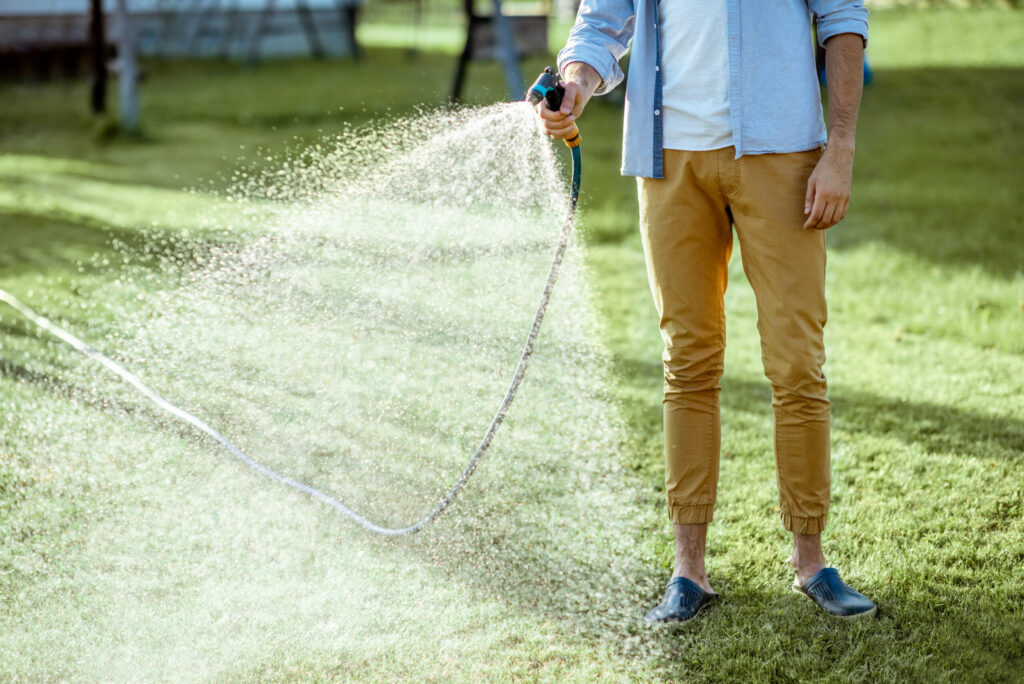
- Watering Needs: With the potential for extreme heat still looming, continue watering early in the morning or late in the evening to minimize evaporation.
- Fertilization: Late summer is the perfect time to fertilize again, especially with a slow-release formula. This will give your grass the boost it needs to survive the cooler months ahead.
- Mowing: Keep your grass at a healthy height—typically around 3 inches. This not only protects the roots but also helps prevent pests.
At Lawn Squad®, our VitaminLawn® Program is designed specifically for the unique needs of Jacksonville–St. Augustine homeowners. We’ll customize a plan that works for your yard, ensuring it stays healthy year-round.
Don’t Settle for Average Grass
Your lawn can be more than just an afterthought—it can be a vibrant space for family gatherings, playdates, and peaceful evenings under the stars. If you’re tired of watching your yard struggle, it’s time to take action.
If you’re ready for a lawn that finally fights back, call 904-594-7380 or ask about our VitaminLawn® Program today. Your dream yard is just a phone call away!