Why Do North San Antonio Homeowners Miss the August Armyworm Invasion Until It Is Over?
Short Answer: Fall armyworms reach North San Antonio as migrating moths, and the damage comes from their caterpillars, which feed heaviest at dusk and just after sunrise. A lawn can look sun scorched one evening and be chewed down to bare runners two days later. Scout by parting the turf at the edge of a browning area and looking for striped caterpillars with a pale inverted Y on the head capsule, or flush them up with soapy water. Treat while the larvae are still small. Bermuda and healthy St. Augustine usually regrow from crowns and runners within a few weeks once feeding stops.
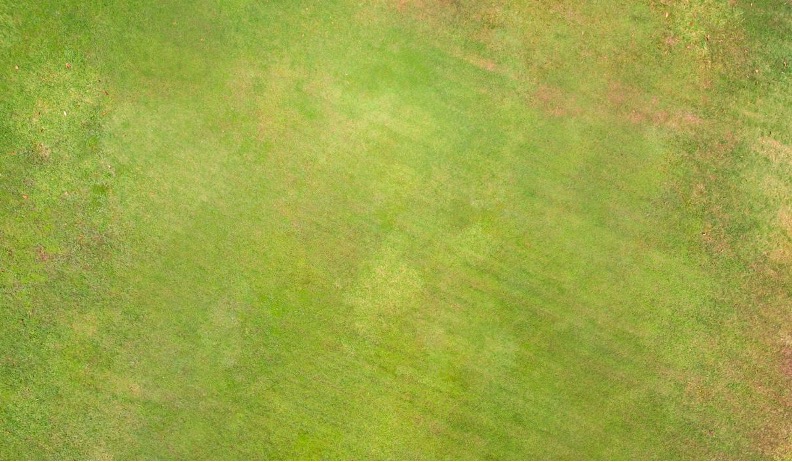
You walk out at seven with coffee and the front yard looks like somebody dragged a rake across it sideways. Yesterday it was tired but green. This morning there is a ragged tan patch near the mailbox with a hard edge to it, and the grass inside that edge is stubbly in a way no mower would leave. Run a hand across it and the blades feel shredded rather than crisp.
The frustrating part is the timing. Most of us have spent all summer nursing these lawns through triple digit afternoons and watering rules, and the reward for keeping the turf alive is a pest that eats the part we saved. It is worth knowing up front that this situation is almost always more recoverable than it looks.
Why Armyworms Show Up Here Late in the Season
Fall armyworms do not overwinter here in meaningful numbers. They ride north on weather systems each year as adult moths, working up from the deep south and the coast, and the population that lands here builds over the season rather than arriving all at once. That is why they are called fall armyworms even though we usually meet them in the second half of summer.
The moths themselves cause no damage. They fly at night, they are drawn to lights, and they lay fuzzy gray egg masses on flat vertical surfaces near turf: a porch eave, a fence rail, a mailbox post, patio umbrella fabric. One mass can hold hundreds of eggs, and the hatching larvae drop into the grass below and start feeding.
Pressure varies a great deal from one year to the next and one neighborhood to the next. Some seasons we barely see them across the north side. Other seasons we get calls from Bulverde and Boerne in the same week. Properties backing up to pasture, hay ground, or open Hill Country grassland tend to see them first, because those grasses are where the moths concentrate before turf enters the picture.
Why the Damage Gets Mistaken for Drought Stress
This is the single biggest reason armyworms get missed here. Our lawns sit on thin soil over caliche and limestone. In many Helotes yards there are only a few inches of workable soil before a shovel rings off rock, and that soil holds almost no water. Under August heat a lawn here browns out constantly for perfectly ordinary reasons, so a new brown area gets blamed on the sprinkler by default.
The difference is in the texture and the edge. Drought stress creeps. It shows first as a blue gray cast, then footprints that stay visible, then blades folding lengthwise, spreading gradually from the hottest, thinnest ground outward. Armyworm damage has a border you can trace with a finger, and it moves. A patch the size of a car on Tuesday can be twice that by Thursday, marching across the yard in a front, which is how the insect got its name.
Look closely at individual blades. Early feeding by small larvae scrapes the green tissue off one side and leaves a thin papery window that catches the light. Later feeding removes the whole blade and leaves a chewed, uneven stub. Drought never does that. Shredded leaf margins, an advancing edge, and heavy bird activity together mean you should stop blaming the irrigation zone.
The Soap Flush: Five Minutes to a Real Answer
Guessing is expensive. Confirming is nearly free. Mix a couple of tablespoons of lemon scented dish soap into a gallon of water and pour it slowly over a square yard of turf at the boundary between damaged and healthy grass. That transition zone is where the active feeders are, not the middle of the bare area, which they have already stripped and left.
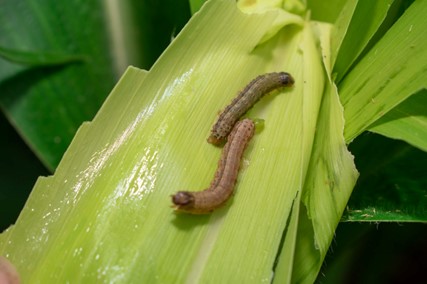
Wait three to five minutes. The soap irritates soft bodied insects and drives them up out of the thatch. Fall armyworm larvae are green to brown with pale stripes running the length of the body, four dark dots in a square near the rear, and a light inverted Y on the front of the head. Small ones are barely a quarter inch, so get down at eye level with the grass. You can also part the turf by hand at dawn or after sunset, since the larvae shelter low in the heat of the day and climb to feed when it cools.
Thresholds: When Treatment Is Actually Warranted
A few caterpillars in a lawn is normal and not worth spraying. Across our service area we start recommending treatment when a flush turns up roughly three or more larvae per square foot, or when feeding damage is clearly expanding day over day. Below that, healthy turf outgrows the nibbling.
Size matters more than most homeowners expect. Small larvae are far easier to control, and they do a fraction of the eating. An armyworm consumes most of its lifetime food in the last few days before it burrows down to pupate, which is why a lawn can look fine for a week and then get flattened over a weekend. Catching them at a quarter inch rather than an inch and a half is the whole game.
Timing of the application matters too. These insects feed in low light, so a late afternoon or evening treatment lines up with when larvae are up in the canopy. Mowing right beforehand removes the leaf surface the material needs to sit on, so we ask homeowners to hold off until after. Unlike a preemergent, this is not something to water in immediately, since heavy irrigation rinses it off the blades where feeding happens.
What Recovers and What Does Not
Here is the reassuring part. Armyworms are leaf feeders. They are not grubs, they do not eat roots, and they do not sever the crown. Bermuda in full sun recovers quickly because the growing points sit at ground level and the stolons stay intact. St. Augustine stripped to its runners pushes new leaves from the nodes as long as those runners are firm and green when you scratch them with a thumbnail. Zoysia fills in more slowly but comes back, and the buffalograss stands out on Boerne and Bulverde acreage generally shrug it off.
What does not recover well is turf already on the edge. A thin, drought stressed St. Augustine lawn under live oak shade, sitting on four inches of soil over rock, may lack the reserves to regrow after August defoliation. That is where we see permanent thinning that needs plugs or sod in the fall. The lawn does not die from the caterpillars. It dies from the caterpillars plus everything else it was carrying. Once feeding stops, a light nitrogen feeding and a deep watering, within whatever restriction stage is in effect, speeds regrowth noticeably.
Keeping Watch Through the Rest of the Season
Armyworm generations stack. Knocking down one wave does not mean another will not arrive behind it, and in an active year we may see a second or third round before the first cool front. That is not a reason to spray on a calendar. It is a reason to keep scouting. Glance at the porch eaves and the top rail of the back fence when you are out in the yard, since egg masses look like small tufts of grayish lint and appear before the damage does. Homeowners in Helotes and northern San Antonio who catch a wave at the scouting stage rarely end up replacing turf.
What to Do Next
If you have an advancing brown edge and a soap flush that turns up caterpillars, act this week rather than next. Call 210-588-0275 or start at lawnsquad.com for a free quote. We serve San Antonio, Boerne, Bulverde, and Helotes, and in an active stretch we prioritize confirmed feeding, because a day or two genuinely changes the outcome.
A first visit is a walk of the property with you, not a pitch from the driveway. We check the damage border, flush a suspect area, look at runners and crowns to judge how much of the stand is viable, and separate caterpillar damage from the drought and thin soil issues almost always sitting underneath it here. If treatment makes sense we explain what we are applying and why. If your lawn is simply thirsty, we say so and save you the money.
Beyond the immediate fix, the lawns that bounce back fastest are the ones fed and rooted properly going into the season. That is the work our VitaminLawn program does year round, building fertilization and weed control around your grass type, your caliche influenced soil, and the water your yard is realistically allowed. A dense, well rooted lawn is not immune to armyworms, but it absorbs a hit and regrows instead of thinning permanently. At 30 days after a treated outbreak most properties are visibly filling in, and by 90 days the affected areas are usually indistinguishable from the rest of the yard.