
When Should the Last Nitrogen Application Go Down on My Birmingham Bermuda Lawn?
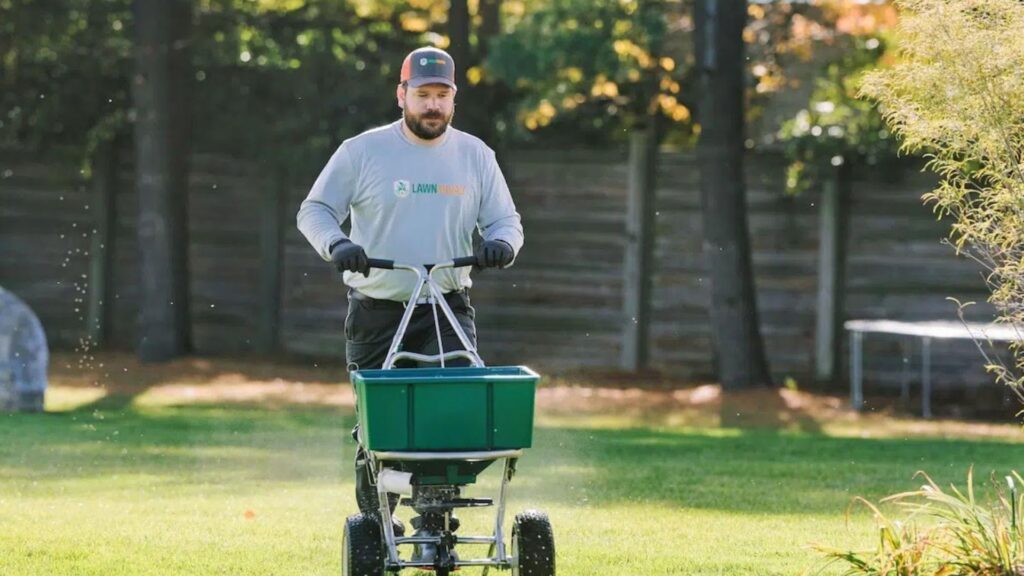
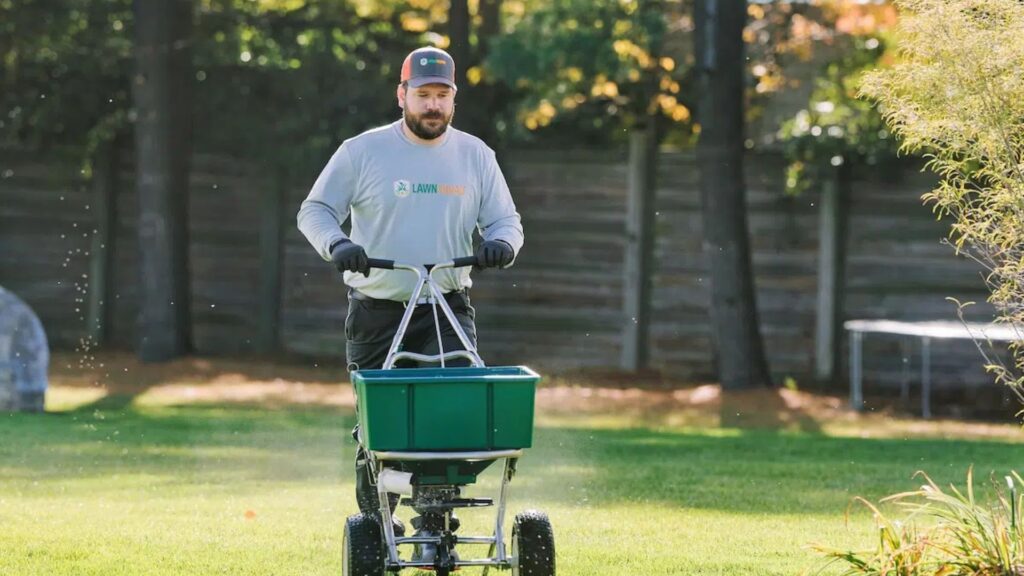
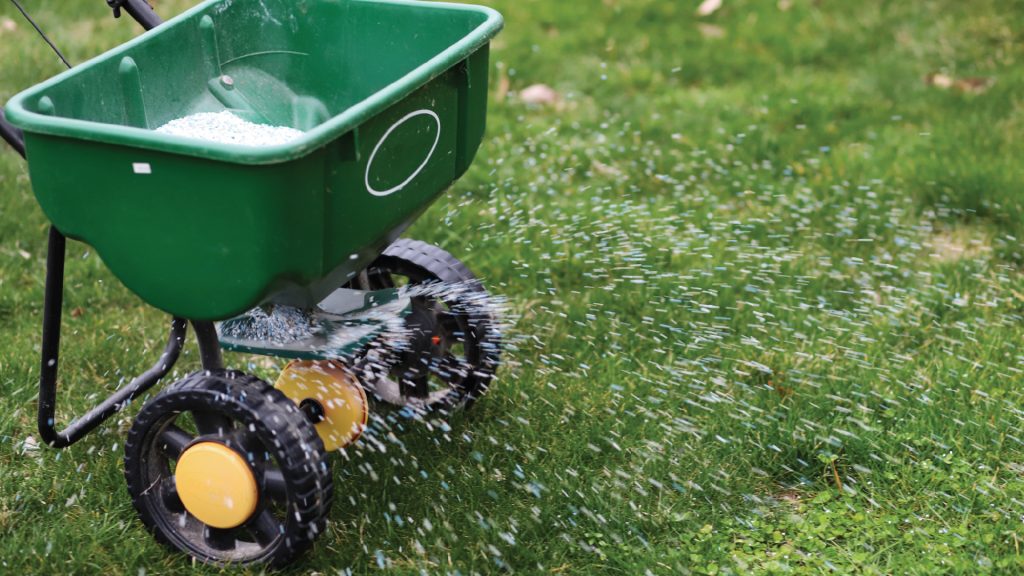
Short Answer: In the Birmingham area we plan the last real nitrogen application on bermuda for the end of August, and we treat Labor Day as the outside edge. Nitrogen applied after that tells the plant to build soft leaf tissue at the exact point in the year it should be moving energy down into rhizomes and stolons for winter. The cost shows up months later as thinner turf coming out of dormancy, slower April green up, and more severe spring dead spot. Late season potassium is the nutrient worth spending on now, guided by a soil test rather than habit.
Step out into a Hoover backyard in the third week of August and the bermuda gives you no reason to think the season is winding down. You are still mowing twice a week. Clippings pile against the driveway apron. The color is that saturated green that makes the whole street look tended, and the heat index says summer has plenty left. Nothing in that scene suggests the lawn is about to start making decisions about February.
Almost nobody calls us worried about winter in August. The calls come in late March, when a neighbor two doors down has a solid green yard and the caller is staring at tan patches that will not wake up. That gap between the mistake and the damage is the most expensive thing about warm season lawn care here, and it is avoidable.
What Nitrogen Actually Tells a Bermuda Plant to Do
Think of nitrogen less as food and more as an instruction. When it is available, bermuda pushes carbon into new leaf tissue, because leaves are how the plant captures more energy. That is exactly the behavior you want in May and June, when every new blade pays for itself several times over.
By late August the arithmetic reverses. Day length is already shrinking, and the plant is wired to start shifting stored sugars downward into rhizomes below the surface and stolons running across it. Those reserves are the bank account bermuda draws on to survive a hard freeze and to push new growth next spring. A late nitrogen application interrupts that transfer. Instead of banking carbohydrates, the plant spends them building blades you mow off and haul to the curb in September.
There is a second problem. Tissue grown under a heavy nitrogen push is soft and high in water content, with thinner cell walls than tissue grown slowly. That growth is measurably less cold hardy and noticeably more attractive to disease. When an early cold snap rolls down out of the Appalachian foothills in November, the lawn that got fed in October is the one that takes the hit.
The Cutoff We Work Backward From in Jones Valley
Our average first frost around Birmingham lands in the first half of November, but the average hides local variation that matters if you are cutting the timing close. Cold air is heavy and drains downhill after sunset. Low ground along Shades Creek, the flats out toward Bessemer, and the bottoms below the Cahaba routinely frost days before ridge lots in Vestavia Hills and Mountain Brook see anything.
Bermuda needs roughly six to eight weeks between the last nitrogen and the first frost to work off that flush of growth and finish hardening. Count backward from early November and you land at the very end of August. That is why we build the Birmingham fertility calendar so the last meaningful nitrogen goes out before the month closes, with Labor Day weekend as the absolute latest we would consider it. Exceptions exist. A brand new sod install in Helena, or a lawn genuinely starved because it was never on a program, may earn a very light rate in early September. That is a judgment call made standing in the yard, not a default.
Potassium Is the Nutrient That Earns Its Keep in September
Homeowners often hear “stop fertilizing” and assume the lawn gets nothing until spring. Not quite. Nitrogen is what we pull back. Potassium regulates water movement in and out of cells, contributes to cell wall thickness, and supports general stress tolerance. Turf with adequate potassium going into dormancy handles freeze and thaw cycles better and tends to show less disease pressure. It is not antifreeze and it will not rescue a lawn mismanaged all year, but it is cheap insurance compared to replacing turf.
The honest caveat is that potassium is only worth applying if your soil is actually short on it. Our weathered red clay varies from lot to lot, and the graded fill around newer construction in Maylene and Calera can test very differently from settled soil under an older Homewood yard. A soil test costs very little and answers the question directly. If potassium is already sufficient, adding more accomplishes nothing, and we will tell you so.
Spring Dead Spot: The Bill That Comes Due in April
If you want one concrete reason to respect the nitrogen cutoff, it is spring dead spot, a root infecting fungal disease specific to bermuda and the problem we field the most calls about once green up starts across the metro.
Picture standing on the back steps in early April. Most of the yard has that patchy half green look bermuda gets coming out of dormancy. Scattered through it are circles, from the size of a trash can lid to several feet across, that stay bleached tan and often feel slightly sunken underfoot. Pull the grass inside one and it lifts easily, because the roots and below ground stems rotted out over the winter.
The infection happens in fall. The symptoms wait until spring. Research ties severity to excessive late season nitrogen, heavy thatch, and low potassium, and the disease shows up most on lawns established several years, which describes a great many properties in Mountain Brook, Trussville, and older Hoover neighborhoods. Recovery is slow, because bermuda creeps back in only from the outside edges of each circle.
Zoysia and Centipede Do Not Follow the Bermuda Schedule
Plenty of yards around here are not bermuda, and the advice shifts. Zoysia keeps a similar late summer cutoff but needs meaningfully less total nitrogen through the year. Push zoysia hard and it builds thatch, the spongy layer of undecomposed stems above the soil that holds moisture against the crowns and invites disease. A zoysia lawn in Inverness fed like bermuda usually ends up needing aeration it would not otherwise need.
Centipede is a different animal. It evolved on poor, acidic soil and wants very little nitrogen, which is why over feeding is the most common cause of centipede decline. We see it on older lots in Pinson and out toward Montevallo, where a homeowner meaning well has fed centipede on a bermuda schedule for three seasons and cannot understand the thinning and yellowing. Centipede is also the least cold hardy of the three warm season grasses common here, so a late nitrogen push carries more risk on it than on anything else in the yard. If color is the goal in September, a light iron application gives you green without telling the plant to grow.
What Changes in the Rest of Your Fall Routine
Stopping nitrogen does not mean stepping away from the lawn. Keep mowing at your normal height as long as the grass is growing, which here usually runs into late October, and resist the urge to scalp low in fall. Scalping is a spring practice. Done in October it strips away the insulating canopy right when the crowns need it. Irrigation should taper as evaporation slows, but do not shut it off the moment the calendar flips, because bermuda roots keep working after top growth stops and a dry autumn followed by a hard freeze is a bad combination. Keep leaves cleared off dormant turf as well. A wet mat of oak leaves on a Homewood lawn holds moisture against the crowns for weeks and builds exactly the conditions disease wants.
What to Do Next
If you are unsure where your lawn stands, start with a soil test and an honest walk of the property before the month ends. That tells us whether potassium is genuinely short, what your pH is doing on weathered red clay, and whether the thinning you see is a nutrition problem or something else wearing a nutrition costume. Quotes are free, and the visit teaches you something either way.
A first visit runs about half an hour. We walk the yard, identify your grass, check thatch, look at drainage and shade, and pull soil where it makes sense. Within 30 days you should see steady color without a surge of growth, which is precisely the goal for September. By 90 days the lawn will be heading into dormancy and losing color, and that is healthy, not a sign anything went wrong. The real report card arrives in April, when a properly closed out lawn greens up faster and more evenly than the one next door.
Our VitaminLawn program is built around this timing, matched to your grass type, your soil results, and the central Alabama calendar rather than a schedule printed on a bag. Lawn Squad of Birmingham serves Birmingham, Homewood, Mountain Brook, Vestavia Hills, Hoover, Trussville, Pinson, Bessemer, Helena, Pelham, Alabaster, Indian Springs, Inverness, Chelsea, Calera, Maylene, and Montevallo. Call 205-573-1921 or visit lawnsquad.com. We are independently owned and operated, we stand behind the work with a satisfaction guarantee, and we would rather teach you the timing than sell you a bag you did not need.