When Should I Apply Fall Pre-Emergent in Prosper and Frisco for Poa Annua and Henbit?
Short Answer: The trigger is soil temperature, not the calendar. Fall pre-emergent needs to be down and watered in as soil temperatures at a four inch depth fall through the mid seventies Fahrenheit and head toward seventy, because that is when annual bluegrass, henbit, and chickweed seed begins germinating. In North Texas that generally arrives sometime between the middle of September and early October, though a warm autumn pushes it later. Apply too early and the barrier weakens before the germination window closes. Apply after the seedlings emerge and the product cannot help, since pre-emergent stops germination rather than killing established plants.
Nobody is thinking about winter weeds in August. The lawn is tan, the thermometer on the back porch reads triple digits by two in the afternoon, and the only green in the yard is whatever the sprinkler head reaches. Yet ask any homeowner in Frisco or Allen what last February looked like and the description is immediate: a low purple carpet of henbit through the dormant bermuda, and by April, pale clumpy tufts of annual bluegrass throwing seedheads faster than the mower could take them off.
The frustrating part is the sense of having already dealt with it. You fought weeds all spring. The idea that the next round is decided in the next several weeks, while the lawn is barely holding on, feels like the season never actually ends.
The Three Weeds This Application Is Built For
Annual bluegrass, or Poa annua, is the headline target. It shows up as a lighter yellow green than your bermuda, grows in small dense clumps rather than spreading, has a leaf tip shaped like the bow of a boat, and produces whitish seedheads even when cut short. It looks almost tolerable in winter. The problem arrives in May, when it dies all at once and leaves scattered bare spots across a lawn that just spent the winter dormant.
Henbit is the purple one. Square stems, rounded scalloped leaves in opposite pairs climbing the stalk, and small orchid colored flowers that turn whole vacant lots violet in late winter. Chickweed runs alongside it, a low mat of small smooth oval leaves with tiny white flowers that look like five petals but are actually five deeply split ones. All three germinate in autumn, sit through winter, and finish their entire life cycle before your bermuda has fully greened up.
Why Soil Temperature and Not a Date
Seed responds to the soil it is sitting in, not to the air. Those three species begin germinating as four inch soil temperatures descend through the mid seventies, so that reading is the signal to have product down and activated. Air temperature is misleading because soil lags well behind it. The first genuine cool front of September feels like a season change, and the ground underneath is still holding summer.
Measuring it yourself is easy and worth doing. A soil thermometer pushed four inches into an open, sunny part of the lawn in the early morning, checked over several consecutive days, tells you more than any forecast. Look for a consistent downward trend rather than one cool reading after a rain. Across our service area that crossing typically lands between the middle of September and the first days of October, but the year decides. A long warm autumn moves it back, and we would rather watch the thermometer than commit to a date in advance.
Missing in the other direction is a real risk too. Homeowners who put something down in late August, reasoning that early cannot hurt, spend the strength of the product on soil where nothing is germinating yet. These materials break down steadily once activated, so a barrier established weeks ahead of the germination window is already thinning by the time seed actually moves. Early is not safe. Early is just a different way to be wrong.
Why Waiting Until You See Them Does Not Work
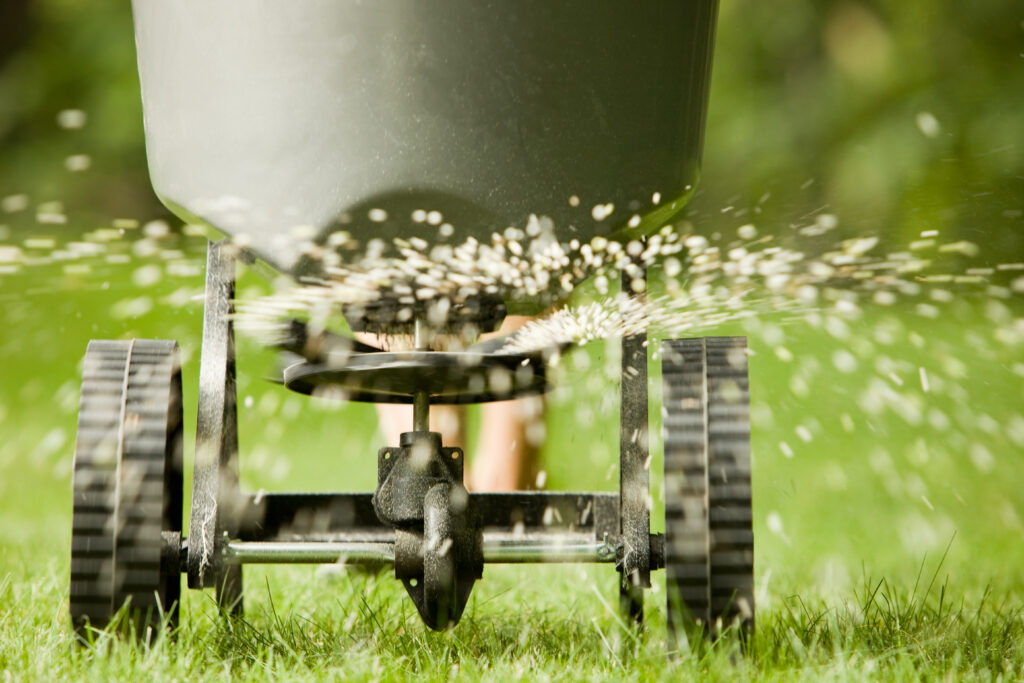
A pre-emergent forms a thin treated layer in the top portion of the soil that interferes with the seedling as it germinates and tries to push through. It has no effect on a plant that already has roots and leaves. That single mechanism explains the whole calendar.
By the time henbit is blooming purple in February, that plant germinated back in the fall and has been growing quietly all winter under the dormant turf. A pre-emergent applied in February does nothing to it. The same is true of the Poa clumps that become obvious in March. There is also a common mix-up worth clearing: the pre-emergent that goes down in late winter is aimed at crabgrass and other summer annuals, which germinate on a completely different schedule. Those are two separate applications for two separate sets of weeds, and skipping the fall one and doubling the spring one accomplishes nothing.
Getting It Watered In on Black Clay
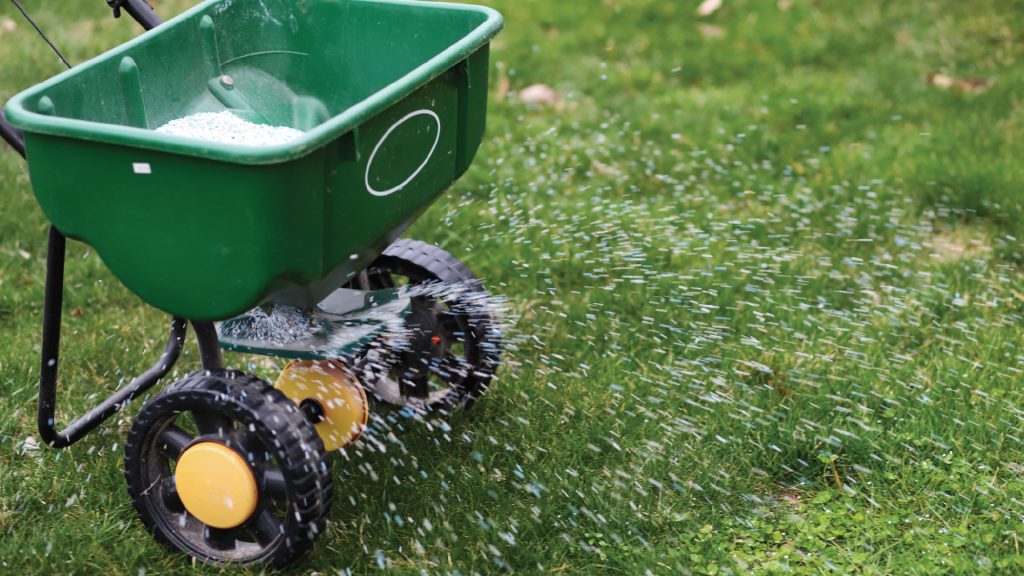
Pre-emergent sitting dry on the surface is not doing anything yet. It needs roughly half an inch of water within the first several days to move it off the granule or the leaf surface and into position. Rain counts, and we watch the radar, but on this soil we plan for irrigation instead of hoping.
Blackland Prairie clay makes this its own small project. If the ground is still cracked open from summer, water heads straight down the fissures and takes product with it, past the shallow zone where it needs to stay. The fix is the same cycle and soak approach that works for everything else here: several shorter runs spaced an hour apart, so the surface has a chance to absorb and the clay begins swelling shut. Most cities across our area limit watering days through the season, and we schedule applications with your permitted days in mind so the barrier activates when it should.
Sequence Matters More Than People Expect
The treated layer is a physical barrier, and anything that stirs the soil breaks it. Core aeration pulls plugs and opens channels straight through it, which is exactly what you do not want a week after application. If your lawn needs aeration this fall, it goes first, then the pre-emergent, not the other way around. The same logic applies to soil amendments and heavy topdressing.
Sod is the other conflict. A pre-emergent that stops annual bluegrass from rooting will also work against new grass trying to root, so any area you plan to sod this fall gets left out of the application and handled separately once it has established. Tell whoever treats your lawn about planned sod work before the truck shows up, not after. It is a five second conversation that prevents a season of confusion about why the new sod never took hold.
Why We Split the Application
Our autumns are long and inconsistent. A single application timed perfectly still begins losing strength while germination continues, because North Texas can deliver a warm spell in November that wakes up another round of seed. That is the argument for a second treatment roughly six to eight weeks after the first, carrying protection through the full window rather than gambling everything on one date.
Even done well, pre-emergent is not absolute. Some seed slips through, particularly along driveway edges, in thin spots, and anywhere runoff concentrates. Those escapes get handled with a targeted post-emergent during winter while the plants are small and the bermuda is dormant and unbothered. A good program expects a few escapes and plans for them rather than pretending they will not happen.
What to Do Next
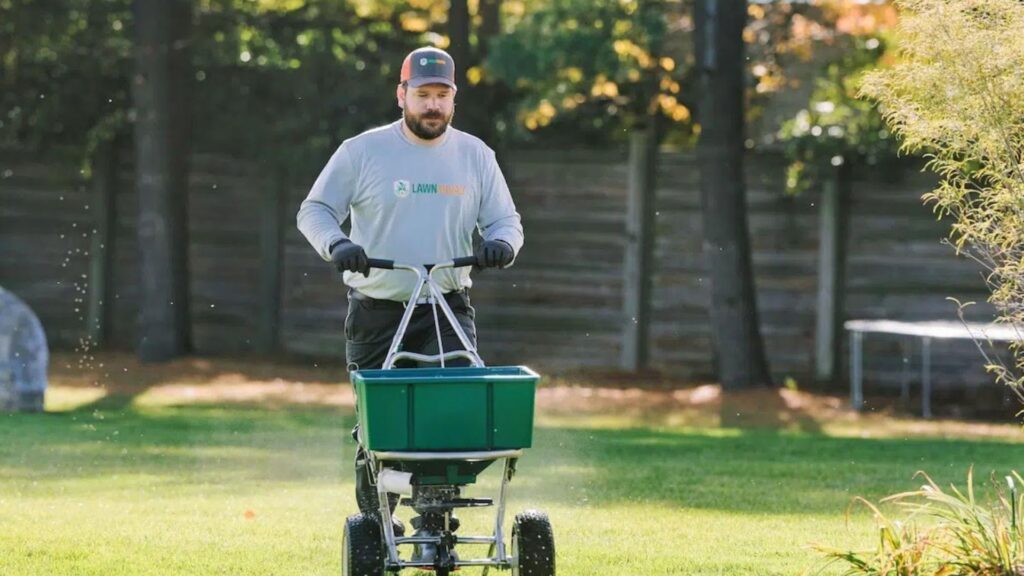
Reach us at 469-629-1599 or request a free quote at lawnsquad.com. A first visit is a walk of the property with you, identifying what actually came up last winter, checking irrigation coverage and your city’s watering days, and deciding whether aeration or sod work needs to happen ahead of the application. Then you go on the schedule and we watch soil temperatures on your behalf, which is the whole point of hiring someone for this.
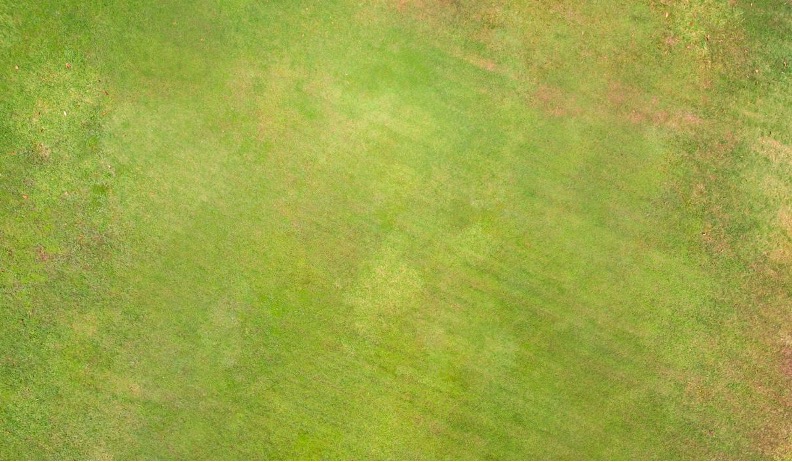
What results look like: within thirty days of application you should notice nothing at all, and that is correct, because success here is the absence of something. The real report card arrives in February and March, when the neighbor’s yard turns purple and yours does not, and again in May, when a lawn without Poa annua greens up evenly instead of coming out of winter full of holes. Our VitaminLawn program builds the fertilization and weed control calendar around bermuda, St. Augustine, or zoysia on this specific clay, and pre-emergent timing is one piece of it rather than a standalone product. We serve Prosper, Frisco, Plano, Allen, and North Dallas, and this location is independently owned and operated.