
The short answer is that fall is the most important season for lawn care in Bucks and Montgomery Counties. Your fall checklist should include aeration, overseeding, fertilization, leaf management, and preparing your lawn for winter dormancy.
Cool season grasses like Kentucky bluegrass and tall fescue, which are the most common types in our area, grow most actively in fall. This makes September through November the perfect time to repair damage, thicken thin spots, and build the root strength your lawn needs to survive winter.
Quick overview:
Aeration and overseeding (September): Relieve soil compaction and fill in bare or thin areas while conditions are ideal for seed germination.
Fall fertilization (September through November): Feed your lawn during its peak growing season to build strong roots and carbohydrate reserves.
Leaf management (October through November): Keep leaves from smothering your grass while returning some nutrients to the soil.
Keep reading to learn exactly how to care for your Bucks or Montgomery County lawn this fall for the best results come spring.
The Complete Fall Lawn Care Approach: Our 6 Step Program
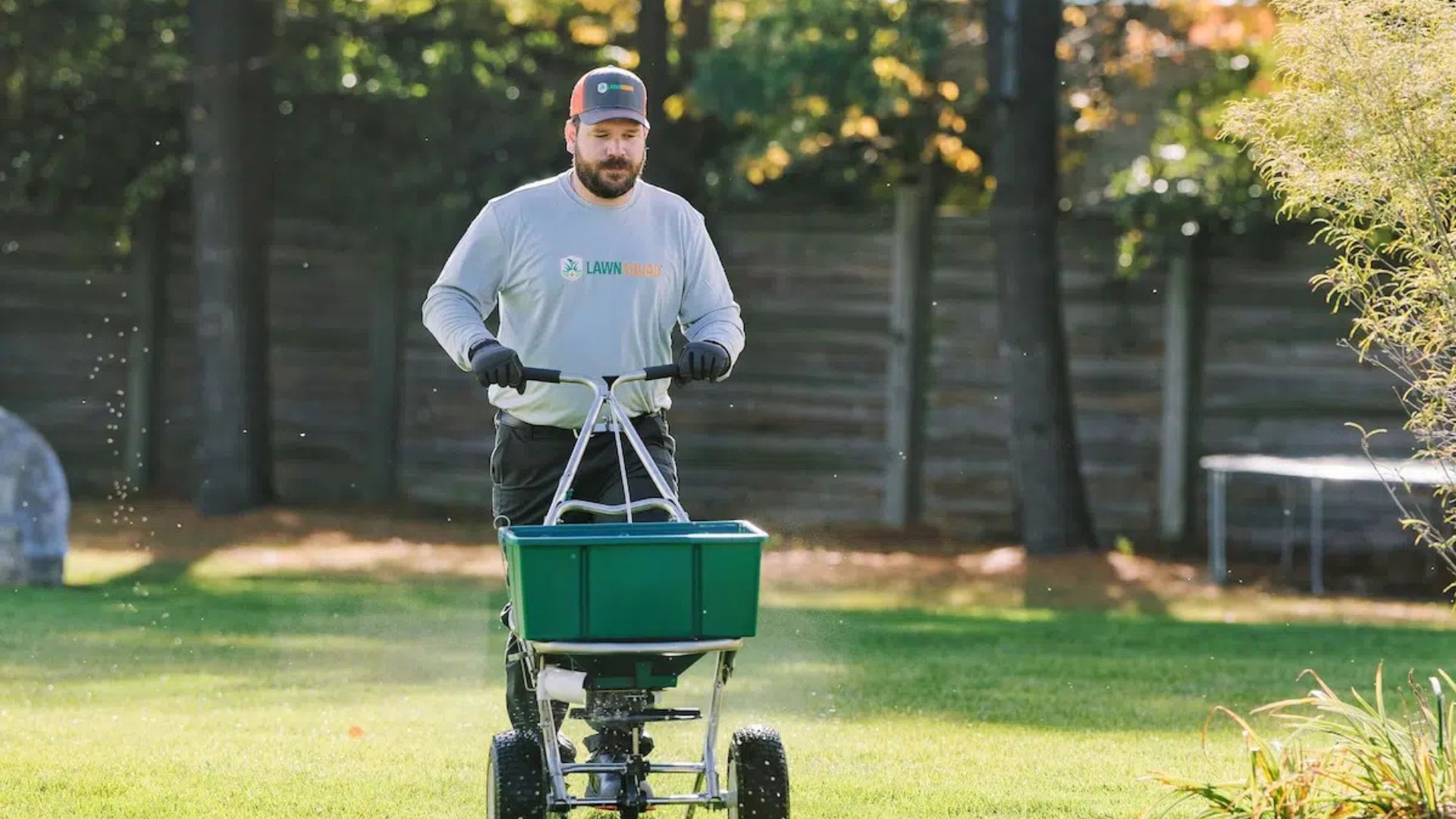
Our lawn care program is designed specifically for homeowners in Bucks and Montgomery Counties who want a thick, healthy lawn without spending every weekend working on it. This program handles the critical fall tasks that set your lawn up for success.
What makes this approach work is that it’s built around how grass actually grows in southeastern Pennsylvania. Our clay heavy soils, variable fall weather, and mix of grass types all require specific timing and techniques that generic advice doesn’t cover.
Whether you tackle fall lawn care yourself or hire us to handle it, understanding what needs to happen and why will help you make better decisions for your property.
Why Fall Lawn Care Matters More Than Most Bucks and Montgomery Homeowners Realize
What you do (or don’t do) for your lawn in fall determines how it looks next spring and summer. Skipping fall care is like skipping meals before running a marathon. Your lawn simply won’t have the reserves it needs.
When you neglect fall aeration, the clay soils common in Bucks and Montgomery Counties stay compacted. Compacted soil prevents water and nutrients from reaching grass roots. Your lawn struggles even when you do everything else right.
When you skip fall fertilization, your grass enters winter without the carbohydrate reserves it needs. It comes out of dormancy weak and thin, giving weeds a head start in spring.
When you let leaves pile up and smother your grass, you create perfect conditions for snow mold and other fungal diseases that damage lawns over winter.
The key principle is this: fall is when cool season grasses naturally want to grow, spread, and build strength. Working with this natural cycle produces better results with less effort than fighting it in spring and summer.
Here in Bucks and Montgomery Counties, we have about eight to ten weeks of prime fall growing conditions. Making the most of this window pays dividends all year long.
Fall Aeration Guide for Bucks and Montgomery County Lawns
Aeration is one of the most beneficial things you can do for lawns in our area. The clay soils throughout Bucks and Montgomery Counties compact easily, and aeration is the solution.
Step 1: Schedule Aeration for Early Fall (Late August to Mid September)
The best time to aerate in Bucks and Montgomery Counties is late August through mid September. This gives your lawn several weeks of active growth to recover before winter.
Plan to aerate when soil is slightly moist but not wet. Dry, hard soil won’t allow proper core penetration. Soggy soil creates a mess and damages turf.
Timing matters because grass needs four to six weeks of good growing conditions after aeration to fill in the holes and recover fully. Aerating too late in fall doesn’t give your lawn enough time.
Step 2: Choose Core Aeration Over Spike Aeration
Core aeration removes small plugs of soil from your lawn. These plugs break down over a few weeks, and the holes allow air, water, and nutrients to reach grass roots.
Spike aeration just pokes holes in the ground without removing soil. This can actually increase compaction around each hole in clay soils like ours.
For Bucks and Montgomery County lawns, core aeration is the only type worth doing. Rent a core aerator or hire a professional to get real results.
Step 3: Make Multiple Passes on Compacted Areas
For best results, make two passes over your lawn in different directions. Pay extra attention to high traffic areas, spots near driveways and sidewalks, and any areas where water tends to puddle.
Leave the soil cores on your lawn. They’ll break down within a couple weeks and return nutrients to the soil.
Step 4: Combine Aeration with Overseeding
Aeration creates the perfect opportunity for overseeding. The holes provide excellent seed to soil contact, and fall’s cooler temperatures and reliable moisture support germination.
Apply grass seed immediately after aerating, before the holes close up.
Critical warning: If you plan to overseed, do not apply crabgrass preventer or any pre emergent herbicide to your lawn in fall. These products prevent all seeds from germinating, including the grass seed you just spread. Many Bucks and Montgomery homeowners make this mistake and wonder why their overseeding failed.
Our lawn care program times aeration and overseeding to take full advantage of fall growing conditions in our area.
Fall Overseeding Guide for Bucks and Montgomery County Lawns
Fall is by far the best time to overseed lawns in Bucks and Montgomery Counties. The conditions are ideal, and you’re not fighting crabgrass and other weeds like you would in spring.
Step 1: Choose the Right Grass Seed for Our Area
For most Bucks and Montgomery County lawns, a blend of tall fescue and Kentucky bluegrass works best. Tall fescue handles heat and drought better, while Kentucky bluegrass spreads to fill in gaps.
Look for seed blends labeled for the transition zone or mid Atlantic region. Avoid cheap seed mixes that contain annual ryegrass, which dies after one season.
Buy fresh seed from a reputable source. Check the test date on the bag to make sure it’s from the current year.
Step 2: Prepare the Lawn for Seeding (Early September)
Mow your lawn shorter than usual, around two to two and a half inches. This helps seed reach the soil and allows sunlight to reach new seedlings.
Rake out any thatch buildup and remove debris. Seed needs contact with soil to germinate, not contact with dead grass and leaves.
If you’re not aerating, use a metal rake to rough up the soil surface in bare spots. This creates small grooves for seed to settle into.
Step 3: Apply Seed at the Right Rate (Early to Mid September)
For overseeding an existing lawn, apply seed at about half the rate recommended for new lawns. Too much seed creates competition that weakens all the seedlings.
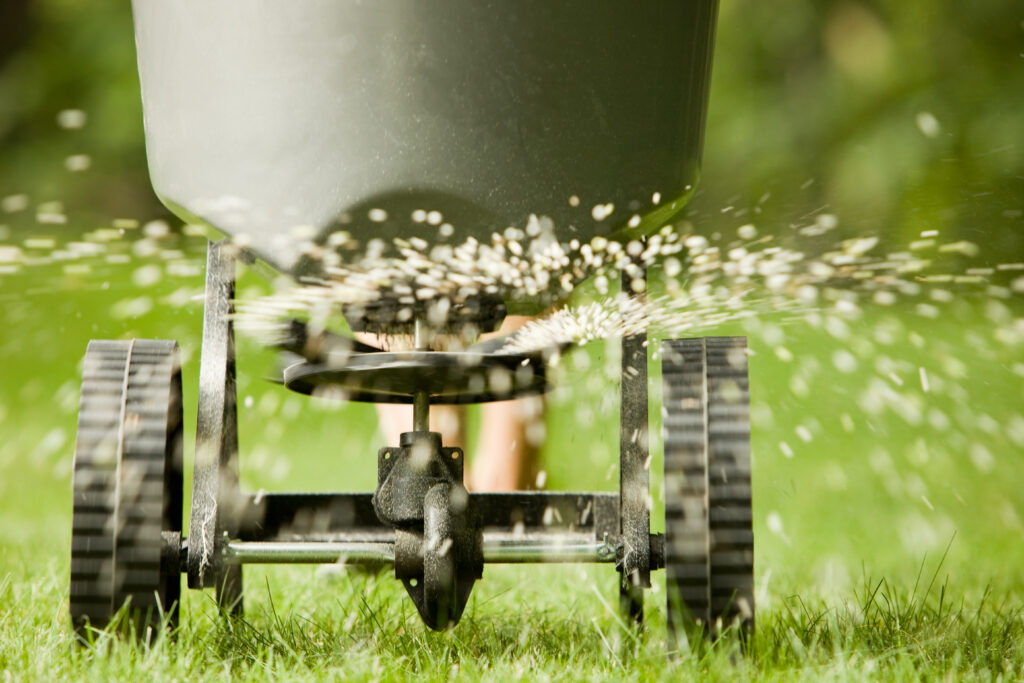
Use a broadcast spreader for even coverage. Make two passes in perpendicular directions to avoid stripes and missed spots.
Important Consideration: Starter Fertilizer
Apply a starter fertilizer when you overseed. Starter fertilizers are higher in phosphorus, which promotes root development in new grass.
This is the one time you should use a high phosphorus fertilizer on an established lawn. New seedlings need it to develop strong root systems before winter.
Step 4: Water Consistently for Three to Four Weeks
New grass seed needs consistent moisture to germinate. Water lightly once or twice daily to keep the top inch of soil moist.
Don’t soak the lawn. You want moisture, not puddles. Overwatering causes seed to rot or wash away.
After seedlings emerge and reach about two inches tall, gradually transition to deeper, less frequent watering to encourage root growth.
How to Calculate Grass Seed Application Rates
Knowing how much seed to apply prevents waste and ensures good results.
Step by step process:
First, measure the area you’re overseeding. Multiply length times width for the square footage.
Second, check the seed bag for the recommended overseeding rate. This is usually around three to four pounds per 1,000 square feet for most grass blends.
Third, calculate total seed needed by dividing your square footage by 1,000 and multiplying by the application rate.
Practical example: If you’re overseeding 5,000 square feet of your Bucks County lawn with a seed blend that recommends 4 pounds per 1,000 square feet for overseeding, you need 20 pounds of seed (5 times 4).
For bare spots or very thin areas, you can apply seed at the full new lawn rate, which is typically double the overseeding rate.
What About Fall Fertilization?
Fall fertilization is the most important feeding your Bucks or Montgomery County lawn will receive all year. This is when your grass can actually use the nutrients to build strength.
Our area typically needs two to three fall fertilizer applications: one in early September, one in mid October, and a winterizer in early to mid November.
Early fall fertilizer supports active growth and helps new grass from overseeding get established. The October application continues building root mass and carbohydrate reserves. The winterizer prepares your lawn for dormancy and promotes early spring green up.
We recommend slow release fertilizers for fall applications. They feed gradually and are less likely to burn your lawn or wash away in fall rains.
Our lawn care program includes properly timed fall fertilization with professional grade products designed for the soil conditions in Bucks and Montgomery Counties.
Common Fall Lawn Care Mistakes Bucks and Montgomery Homeowners Make
After years of caring for lawns in our area, we see these same mistakes every fall.
Mistake #1: Waiting Too Long to Aerate and Overseed
Grass seed needs four to six weeks of good growing weather to establish before winter. Homeowners who wait until October to overseed often get poor results because cold weather arrives before seedlings mature.
Mistake #2: Letting Leaves Pile Up
A light layer of chopped leaves can benefit your lawn. A thick layer of whole leaves smothers grass, blocks sunlight, and creates conditions for disease. Stay on top of leaf removal throughout fall.
Mistake #3: Stopping Mowing Too Early
Keep mowing as long as your grass keeps growing. In Bucks and Montgomery Counties, that often means mowing into November. Letting grass get too long before winter creates a matted mess that invites disease.
Mistake #4: Cutting Grass Too Short for Winter
While you shouldn’t let grass get too long, cutting it too short is equally problematic. Scalping your lawn in fall weakens it going into winter. Keep your final mowing height around two and a half to three inches.
Mistake #5: Skipping the Winterizer Fertilizer
The late fall fertilizer application is one of the most beneficial things you can do for your lawn. Skipping it means your grass enters winter without the nutrient reserves it needs for a strong spring green up.
Fall Aeration vs. Spring Aeration: Which Should You Choose?
Fall aeration takes advantage of ideal growing conditions for recovery. Cool temperatures, reliable moisture, and active grass growth mean your lawn heals quickly and fills in holes before winter.
Best for: Most Bucks and Montgomery County lawns, especially if you plan to overseed. Fall aeration combined with overseeding is the most effective way to thicken a thin lawn.
Spring aeration helps lawns with severe compaction that need relief after winter. However, spring aeration conflicts with crabgrass prevention and doesn’t pair well with overseeding due to weed pressure.
Best for: Lawns with severe compaction issues that didn’t get fall aeration, or as a supplement to regular fall aeration on heavily used lawns.
For most homeowners in our area, fall aeration is clearly the better choice. Spring aeration should be a backup plan, not your primary approach.
Your Fall Lawn Care Calendar at a Glance
Bucks and Montgomery County Fall Timeline
| When | What to Do | Details |
|---|---|---|
| Late August to Early September | Aerate lawn | Core aeration, multiple passes on compacted areas |
| Early to Mid September | Overseed thin areas | Apply seed immediately after aeration |
| Early to Mid September | Apply starter fertilizer | Supports new seed establishment |
| Early to Mid September | First fall fertilizer | Begin feeding for active growth period |
| September to October | Water new seed | Light, frequent watering until established |
| Early to Mid October | Second fall fertilizer | Builds roots and carbohydrate reserves |
| October to November | Manage leaves | Mulch or remove, don’t let them pile up |
| Early to Mid November | Winterizer fertilizer | Final feeding before dormancy |
| November | Final mowing | Cut to 2.5 to 3 inches before winter |
Ongoing Fall Tasks
| Task | Frequency | Notes |
|---|---|---|
| Mowing | Weekly or as needed | Continue until grass stops growing |
| Leaf removal | Weekly or more often | Don’t let leaves smother grass |
| Watering | As needed | Deep watering if fall is dry |
The Bottom Line
Fall lawn care in Bucks and Montgomery Counties comes down to working with your grass during its natural peak growing season.
Key principles to remember:
Aerate in early fall to relieve compaction in our clay soils.
Overseed immediately after aeration for best seed to soil contact.
Fertilize two to three times in fall because this is when grass builds the strength it needs.
Manage leaves consistently so they don’t smother your lawn.
Keep mowing until grass stops growing, usually into November.
Following these guidelines will give you a lawn that survives winter well and greens up thick and healthy next spring.

Let Us Handle It For You
Every lawn in Bucks and Montgomery Counties is different. Soil conditions, grass types, sun exposure, and years of previous care all affect what your specific property needs. Fall lawn care requires good timing and attention to changing conditions.
Our lawn care program accounts for all these variables. We handle aeration, overseeding, fertilization, and seasonal tasks based on what your lawn actually needs, adjusted for real time weather and soil conditions.
Our Fall Lawn Care Program includes:
Professional core aeration timed for optimal recovery in our area.
Premium grass seed blends selected for Bucks and Montgomery County growing conditions.
Properly timed fall fertilization with commercial grade products.
Ongoing monitoring and adjustments based on weather and lawn response.
Stop spending your fall weekends wrestling with lawn equipment and hoping you’re doing things at the right time. Let the local experts handle your fall lawn care so you can enjoy the season.
Contact us today to schedule your fall lawn care services and set your Bucks or Montgomery County lawn up for its best year yet.