The short answer: Fall is the most important season for Middle Tennessee lawns. Your checklist should include aeration, overseeding, fertilization, weed control, and winterization treatments timed between late August and mid November.
For homeowners in Murfreesboro, Smyrna, La Vergne, and surrounding areas, fall lawn care determines how your yard looks not just through winter, but well into the following year. The work you do now sets up success for spring.
Quick overview:
- Late August to September: Aeration, overseeding, early fall fertilization
- October: Peak fertilization, continued weed control, disease monitoring
- November: Final fertilization, winterization, leaf management
Keep reading for the complete fall lawn care checklist designed specifically for Middle Tennessee conditions.
The Complete Fall Approach: Our Seasonal Program
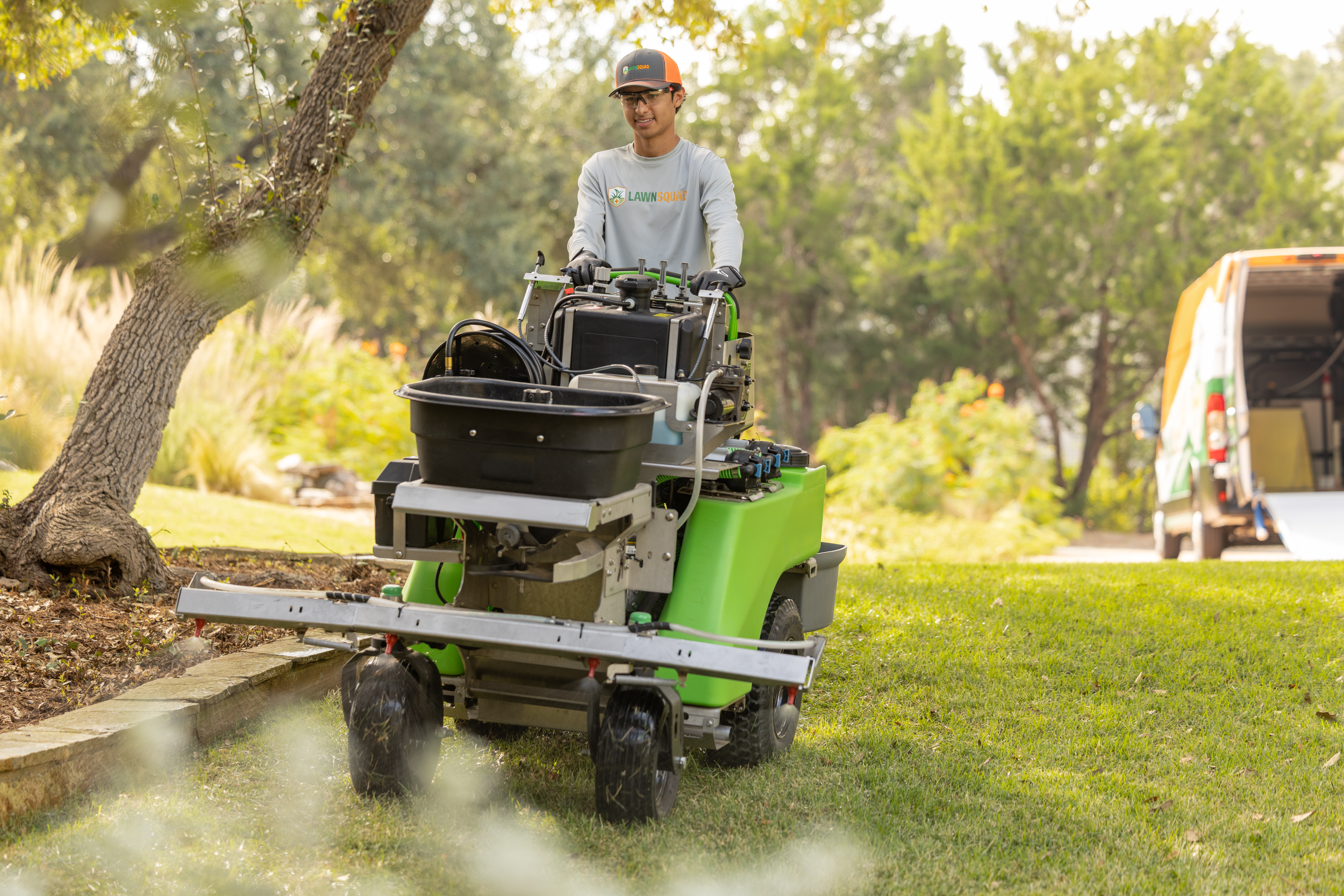
At Lawn Squad of Murfreesboro, our fall treatments span Rounds 6 through 8, covering late August through mid November. This timing aligns with the natural growth cycles of Middle Tennessee lawns and addresses every task on the fall checklist at the optimal time.
What makes this approach work for our region is understanding that Middle Tennessee sits in the transition zone between cool season and warm season grass areas. Our fall conditions create a perfect window for lawn recovery and improvement that doesn’t exist in other seasons.
Whether you tackle fall lawn care yourself or work with professionals, this checklist will guide you through everything your Middle Tennessee lawn needs before winter arrives.
Why Fall Lawn Care Matters More Than Most Middle Tennessee Homeowners Realize
Fall lawn care isn’t just maintenance. It’s the foundation for next year’s lawn. What happens between September and November affects your grass for the next twelve months.
Here’s why fall is so critical in Middle Tennessee:
Cool season grasses like fescue enter their peak growth period in fall. This is when they build root mass, thicken turf density, and store energy for winter dormancy. Missing this window means your lawn enters winter weak and comes out of winter even weaker.
Warm season grasses like bermuda and zoysia are preparing for dormancy. Proper fall care helps them store maximum energy in their root systems, leading to faster green up and stronger growth next spring.
Weeds don’t stop in fall. Many broadleaf weeds actually thrive in cooler temperatures. Without continued weed control, chickweed, henbit, and other winter annuals establish themselves and explode in early spring.
Soil conditions in Middle Tennessee during fall are ideal for almost every lawn care task. Temperatures moderate, rainfall becomes more reliable, and grass responds quickly to treatments.
At Lawn Squad of Murfreesboro, we’ve served homeowners in Rutherford, Williamson, and Wilson counties since 2001. We understand that Christiana, Nolensville, Mt. Juliet, and Gladeville all share these same fall lawn care needs.
Your Complete Fall Lawn Care Checklist
Task 1: Aeration (Late August through November)
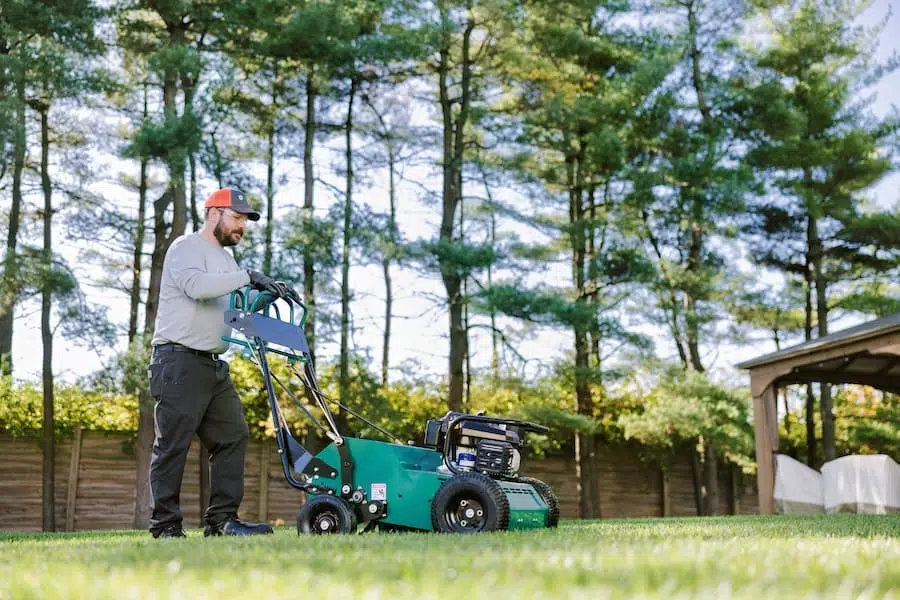
Aeration tops every fall lawn care checklist for Middle Tennessee. After a summer of heat, drought stress, and compaction, your soil needs relief.
What to do:
- Schedule core aeration when soil is moist but not soggy
- Make multiple passes in different directions for best coverage
- Leave soil plugs on the lawn to break down naturally
- Plan aeration before overseeding for best seed germination
Why this matters: Compacted soil prevents water, air, and nutrients from reaching grass roots. Aeration opens pathways that improve root growth and overall lawn health. Middle Tennessee’s clay heavy soils compact more than sandy soils, making annual aeration especially important.
Timing in our program: Lawn Squad of Murfreesboro includes aeration in Rounds 4 through 8, giving you options from June through November. For fall specifically, Round 6 (August 24), Round 7 (October 5), and Round 8 (November 16) all include aeration.
Task 2: Overseeding (September through October)
If your Middle Tennessee lawn has thin areas, bare spots, or summer damage, fall overseeding is your best opportunity to repair and thicken your turf.
What to do:
- Choose quality grass seed appropriate for Middle Tennessee (tall fescue blends work well)
- Aerate immediately before overseeding for best seed to soil contact
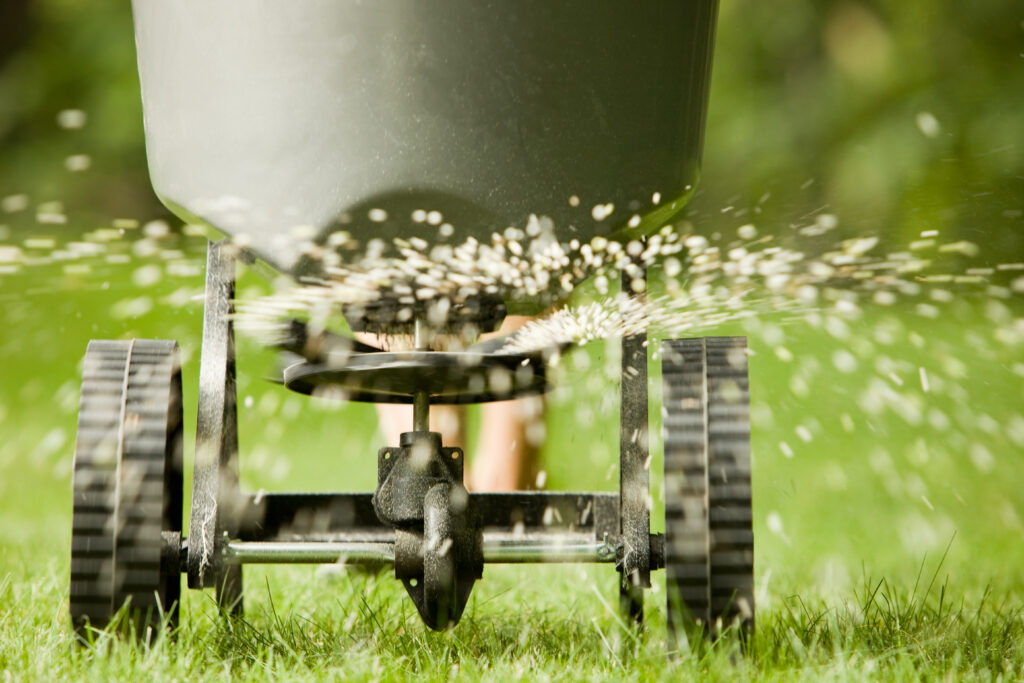
- Apply seed at recommended rates (typically 4 to 8 pounds per 1,000 square feet for overseeding)
- Keep soil consistently moist until seed germinates (usually 10 to 14 days)
- Avoid heavy foot traffic on newly seeded areas
Why this matters: Fall soil temperatures in Middle Tennessee are ideal for grass seed germination. Seeds planted in fall establish root systems before winter and emerge strong in spring. Spring seeding struggles because young grass faces summer heat before roots develop.
Critical warning: If you overseed, you cannot apply pre emergent herbicide until new grass is fully established (usually 2 to 3 mowings). Plan your spring weed control strategy accordingly.
Task 3: Fertilization (August through November)
Fall fertilization is the most important feeding your Middle Tennessee lawn receives all year. This isn’t about top growth. It’s about building root mass and storing energy for winter.
What to do:
- Apply balanced fertilizer in early fall (late August to September)
- Follow with additional fertilization in mid fall (October)
- Finish with winterizer fertilizer in late fall (November)
- Adjust rates based on your lawn’s square footage
Why this matters: Grass uses fall nutrients primarily for root development rather than blade growth. Strong root systems mean better drought tolerance, disease resistance, and spring green up. Lawns that skip fall fertilization enter spring weak and struggle all season.
Timing in our program: Our ELITE program includes fertilization in every round. Fall rounds specifically:
- Round 6 (August 24): Fertilizer with broadleaf weed control and disease control
- Round 7 (October 5): Fertilizer with broadleaf weed control
- Round 8 (November 16): Fertilizer with broadleaf weed control
Task 4: Broadleaf Weed Control (Ongoing through Fall)
Weeds don’t take fall off. Many actually prefer cooler temperatures and will quickly invade lawns that stop weed control after summer.
What to do:
- Continue broadleaf weed control treatments through fall
- Target winter annual weeds like chickweed and henbit before they establish
- Treat dandelions and clover that survived summer
- Address any weed breakthrough from summer stress
Why this matters: Weeds that establish in fall overwinter and explode in early spring. By the time you notice them in March, they’ve already spread extensively. Fall weed control is preventative medicine for spring lawn health.
Timing in our program: Broadleaf weed control continues in Rounds 6, 7, and 8 at Lawn Squad of Murfreesboro.
Task 5: Disease Monitoring and Control (August through October)
Fall brings relief from summer’s worst fungal pressures, but diseases don’t disappear entirely. Cool, moist conditions can trigger different fungal problems.
What to do:
- Monitor for brown patch, which can persist into early fall
- Watch for dollar spot in September and October
- Address any disease quickly before it spreads
- Ensure good air circulation by avoiding excessive thatch buildup
Why this matters: Disease weakens grass heading into winter. Infected areas thin out, creating openings for weeds and leaving your lawn patchy come spring.
Timing in our program: Our ELITE program includes disease control in Round 6 (August 24) and Round 7 (October 5).
Task 6: Surface Insect Control (Through October)
While grub season peaks in late summer, surface insects remain active into fall. Armyworms, in particular, can devastate Middle Tennessee lawns in September.
What to do:
- Monitor for signs of insect activity (birds feeding heavily, grass pulling up easily)
- Treat any armyworm outbreaks immediately
- Continue surface insect control through Round 7
- Check for grub damage before winter
Why this matters: Insect damage in fall doesn’t have time to recover before winter dormancy. What looks like minor damage in October becomes major bare spots in spring.
Timing in our program: Surface insect control continues through Round 6 (August 24) and Round 7 (October 5).
Task 7: Mowing Height Adjustment (October through November)
As temperatures cool, your mowing practices should change too.
What to do:
- Maintain 3 to 4 inch height through September and early October
- Gradually lower to 2.5 to 3 inches for final fall mowings
- Never remove more than one third of blade height at once
- Keep mower blades sharp for clean cuts
Why this matters: Slightly shorter grass going into winter reduces disease pressure from matted wet grass. However, cutting too short too fast stresses grass heading into dormancy.
Task 8: Leaf Management (October through November)
Middle Tennessee’s beautiful fall foliage eventually ends up on your lawn. How you handle leaves affects lawn health through winter.
What to do:
- Remove heavy leaf accumulation weekly during peak leaf fall
- Mulch light leaf coverage with your mower (this adds organic matter)
- Don’t let thick leaf layers sit on grass for more than a week
- Clear leaves completely before final winterization treatments
Why this matters: Thick leaf layers smother grass, trap moisture, and create perfect conditions for fungal disease. Lawns buried under leaves all winter emerge thin and damaged in spring.
Task 9: Final Winterization (November)
The last treatment before winter prepares your Middle Tennessee lawn for dormancy.
What to do:
- Apply final fertilizer application in mid to late November
- Complete any remaining weed control
- Finish aeration if not already done
- Clear debris and leaves from lawn surface
Why this matters: Winterizer fertilizer provides nutrients grass uses for root storage over winter. Proper winterization leads to faster spring green up and stronger early season growth.
Timing in our program: Round 8 (November 16) serves as the final treatment, including fertilizer, broadleaf weed control, and aeration.
Task 10: Equipment and Irrigation Winterization (Late November)
Don’t forget about the equipment that supports your lawn.
What to do:
- Drain and winterize irrigation systems before freezing temperatures
- Clean and store lawn mower properly
- Sharpen mower blades during off season
- Drain gas or add stabilizer to prevent fuel system problems
Why this matters: Frozen irrigation pipes cause expensive repairs. Neglected equipment fails when you need it in spring.
How to Prioritize Your Fall Checklist
Not everything on this checklist carries equal weight. If time or budget is limited, prioritize in this order:
- Fertilization: The single most impactful fall treatment
- Aeration: Essential for Middle Tennessee’s compacted clay soils
- Weed control: Prevents spring weed explosions
- Overseeding: If your lawn has thin areas or bare spots
- Everything else: Important but secondary to the above
Common Fall Lawn Care Mistakes Middle Tennessee Homeowners Make
After more than two decades serving Murfreesboro, Smyrna, La Vergne, Christiana, and surrounding communities, we’ve seen these fall mistakes repeatedly.
Mistake #1: Stopping Lawn Care After Summer Many homeowners breathe a sigh of relief when summer ends and stop thinking about their lawn. This is backwards. Fall is when your lawn does its best work. Stopping now wastes the best improvement opportunity of the year.
Mistake #2: Waiting Too Long to Overseed Grass seed needs time to germinate and establish before winter. Seeding in late October or November doesn’t give seedlings enough growing time. Aim for September overseeding when possible.
Mistake #3: Skipping Fall Fertilization Some homeowners fertilize heavily in spring and skip fall. This is the opposite of what Middle Tennessee lawns need. Fall fertilization builds roots. Spring fertilization just pushes blade growth.
Mistake #4: Leaving Leaves on the Lawn It’s tempting to wait until all leaves fall before cleaning up. But thick leaf layers that sit for weeks smother grass and promote disease. Manage leaves weekly during peak fall.
Mistake #5: Cutting Grass Too Short Too Fast Dramatically lowering mowing height stresses grass. Gradually reduce height over several mowings rather than one dramatic cut.
DIY vs Professional Fall Lawn Care: Which Should You Choose?
DIY fall lawn care puts you in control of timing and products. You can address problems as you see them and save money on service costs. However, fall requires multiple treatments timed correctly over three months. Missing a window or using wrong products can create problems that persist through next year.
Best for: Homeowners with time during fall weekends, knowledge of proper timing and products, and equipment access (especially for aeration).
Professional fall lawn care handles the entire checklist on the proper schedule. Treatments are timed to your lawn’s needs and local conditions. Professional equipment (especially aerators) provides better results than rental equipment. Programs ensure nothing gets missed during the critical fall window.
Best for: Busy homeowners, those without equipment, anyone who wants guaranteed results, or homeowners who struggled with DIY results in the past.
Your Fall Lawn Care Calendar at a Glance
Late August to Early September
| Task | Details | Priority |
|---|---|---|
| Aeration | Core aerate when soil is moist | High |
| Overseeding | Best time for seed establishment | High if needed |
| Fertilization | Early fall feeding | High |
| Weed Control | Continue broadleaf control | High |
| Disease Control | Monitor and treat as needed | Medium |
| Insect Control | Continue surface treatments | Medium |
October
| Task | Details | Priority |
|---|---|---|
| Fertilization | Peak fall feeding | High |
| Weed Control | Target winter annuals | High |
| Aeration | Still effective if not done earlier | High |
| Leaf Management | Begin regular removal | Medium |
| Mowing | Maintain 3 to 4 inch height | Medium |
| Disease Control | Continue monitoring | Medium |
November
| Task | Details | Priority |
|---|---|---|
| Winterizer Fertilizer | Final feeding before dormancy | High |
| Final Weed Control | Last chance for fall weeds | High |
| Leaf Removal | Clear completely before winter | High |
| Aeration | Last chance if not done | Medium |
| Mowing Height | Gradually lower to 2.5 to 3 inches | Medium |
| Equipment Winterization | Irrigation and mower storage | Medium |
The Bottom Line
Fall lawn care in Middle Tennessee isn’t optional if you want a healthy lawn. The work you do between late August and mid November determines your lawn’s health through winter and into the following growing season.
Key principles to remember:
- Fall fertilization matters more than spring fertilization for overall lawn health
- Aeration relieves compaction and prepares soil for winter
- Overseeding is most successful in September when soil temperatures are ideal
- Weed control must continue through fall to prevent spring infestations
- Leaf management prevents disease and smothering over winter
- Proper timing of each task is as important as doing the task itself
Following this checklist will give your Middle Tennessee lawn the best possible foundation for a great year ahead.
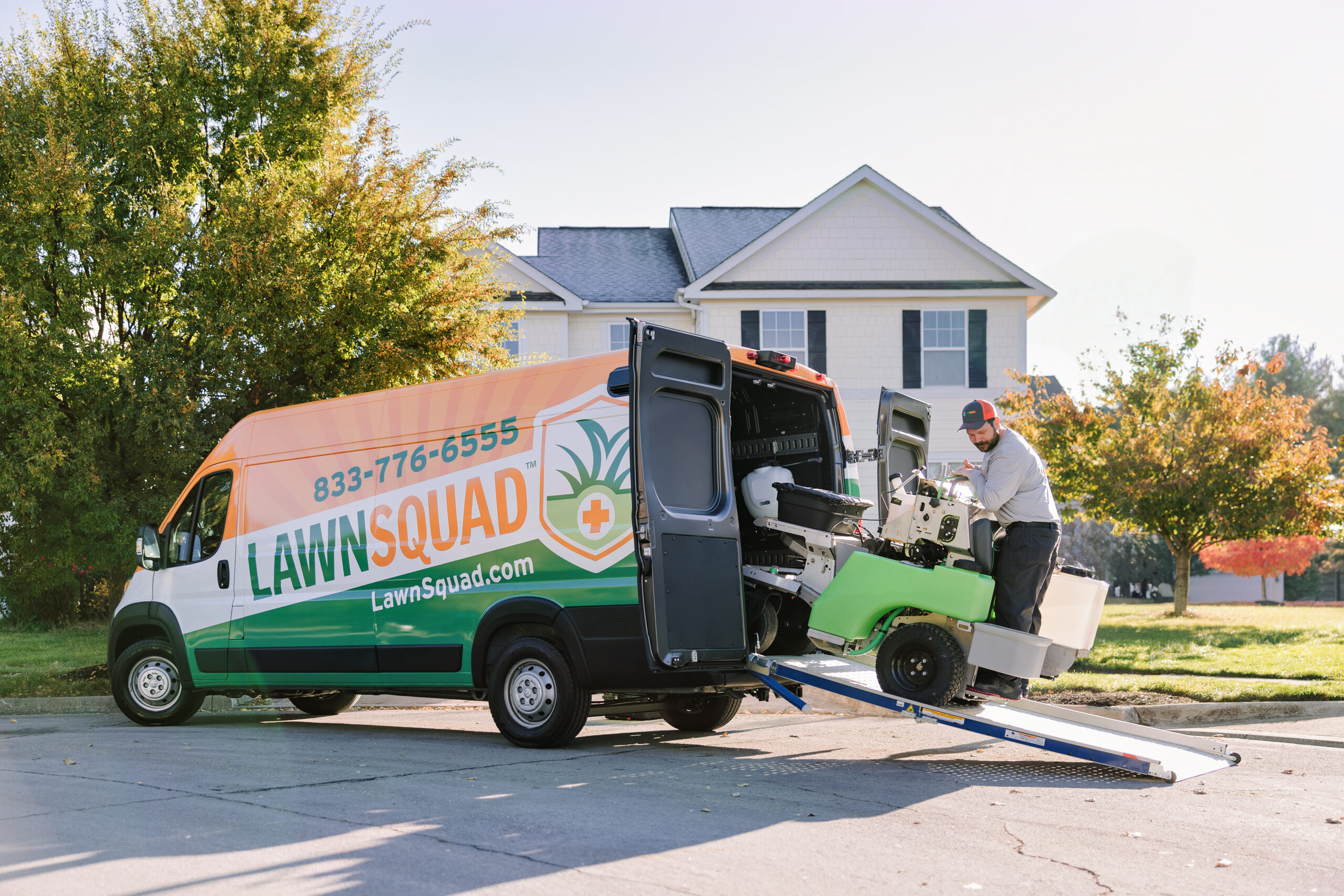
Let Lawn Squad of Murfreesboro Handle It For You
Every Middle Tennessee lawn faces different challenges based on grass type, soil conditions, sun exposure, and summer damage. Our fall programs address these variables with treatments timed specifically for your lawn’s needs.
ELITE Program fall coverage includes:
- Round 6 (August 24): Fertilizer, broadleaf weed control, surface insect control, sedge suppression, disease control, aeration
- Round 7 (October 5): Fertilizer, broadleaf weed control, surface insect control, disease control, aeration
- Round 8 (November 16): Fertilizer, broadleaf weed control, aeration
- Overseeding available as an add on service
- Unlimited service calls if concerns develop between treatments
If managing the full fall checklist yourself feels overwhelming, or if you simply want professional results without the weekend work, we’re here to help.
Contact Lawn Squad of Murfreesboro today at 615-931-4478 or visit lawnsquad.com/contact-us to get a free quote and make sure your lawn gets everything it needs this fall.