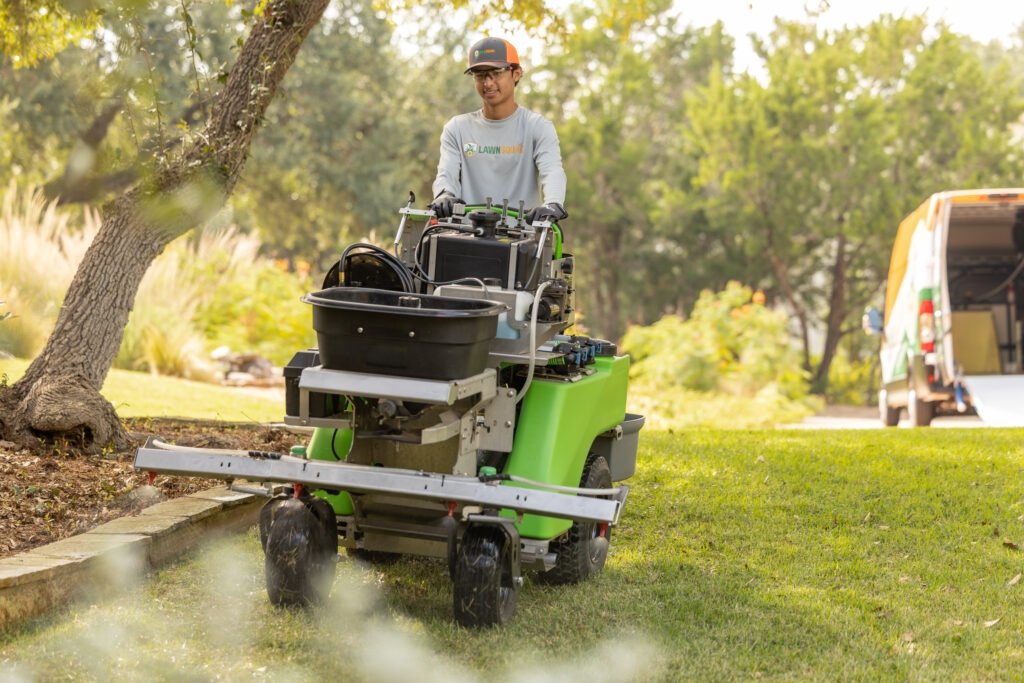
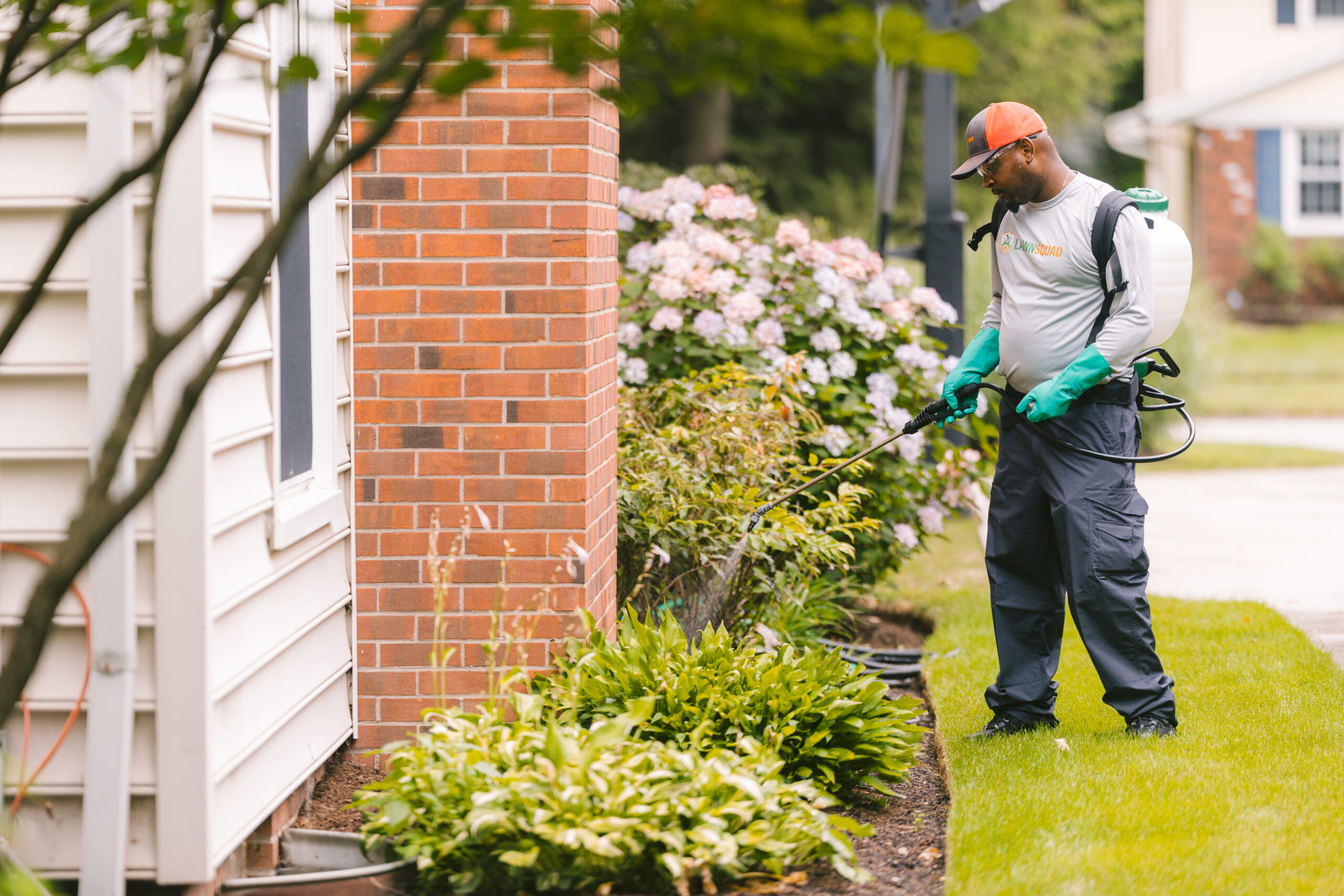
The short answer: Chicago homeowners should start spring lawn care in early March with cleanup and debris removal, then move into pre-emergent crabgrass control, early fertilization, and broadleaf weed treatment as temperatures warm through April and May.
Timing is everything with spring lawn care on the North Shore. Start too early and treatments won’t work. Start too late and you’ve missed critical windows, especially for crabgrass prevention. Most homeowners in areas like Glenview, Northbrook, and Wilmette should begin active lawn care between early March and mid April depending on weather conditions.
Quick overview:
- Early March: Cleanup, debris removal, equipment preparation
- Mid March to Early April: Pre-emergent crabgrass control, first fertilizer application
- Mid April to May: Broadleaf weed control, surface insect treatment, soil testing
- Late May: Second round treatments, grub prevention begins
Let’s break down exactly what you need to do and when to do it for a successful lawn season.

The Complete Spring Approach: Our 6 Round Program
At Lawn Squad of Chicago’s North Shore, spring lawn care begins with Round 1 starting around March 2nd. This timing is specifically calibrated for the cool season grasses that grow throughout Lake, Cook, and DuPage counties.
Our ELITE program delivers 12 billable treatments across 10 visits, with spring covering the critical first three rounds. Round 1 includes pre-emergent crabgrass control, slow release fertilizer, and a soil test. Round 2 adds broadleaf weed control and surface insect treatment. Round 3 brings grub prevention and disease control into the mix.
This systematic approach ensures nothing gets missed and every treatment happens at the right time. Whether you follow our program or create your own checklist, understanding the sequence and timing of spring tasks is essential for success.
Why Spring Timing Matters More Than Most Chicago Homeowners Realize
Spring is when you either set your lawn up for success or create problems that persist all season. The decisions you make in March, April, and May affect how your lawn looks in July, August, and beyond.
Here’s what’s actually happening in early spring: As soil temperatures rise above 55 degrees, crabgrass seeds that have been dormant all winter begin to germinate. Once crabgrass sprouts, it’s extremely difficult to control. Pre-emergent herbicides work by creating a barrier that prevents germination, but they must be applied before seeds sprout.
Miss this window and you’ll be fighting crabgrass all summer. Get it right and you’ve eliminated one of the biggest lawn problems before it starts.
But timing isn’t just about crabgrass. Cool season grasses like Kentucky bluegrass and fescue wake up from winter dormancy in early spring. This is when they’re hungry for nutrients and actively building root systems. The fertilizer you apply in March and April feeds this critical growth period.
The North Shore’s variable spring weather makes timing tricky. Some years we have warm Marches that push everything early. Other years, cold snaps and late snow delay the entire season. That’s why professional lawn care programs adjust timing based on actual conditions rather than fixed calendar dates.
Early Spring Checklist: March Tasks for North Shore Lawns
Before any treatments can happen, your lawn needs basic preparation. These tasks set the stage for everything that follows.
Task 1: Spring Cleanup and Debris Removal
Walk your entire property and remove winter debris. This includes fallen branches, leaves that accumulated after fall cleanup, litter that blew in over winter, and any other objects sitting on the grass.
Pay special attention to areas where snow piled up along driveways, sidewalks, and building foundations. These spots often have concentrated debris and may show signs of snow mold (gray or pink fuzzy patches on matted grass).
Rake up any matted grass areas to allow air circulation. Don’t worry if matted grass looks dead. It usually recovers once air and light reach it.
Why this matters: Debris left on the lawn blocks sunlight and traps moisture, creating conditions for disease. Removing it early gives grass the best chance to recover from winter dormancy.
Task 2: Assess Winter Damage
Take inventory of any damage your lawn suffered over winter. Look for:
Salt damage along streets, driveways, and sidewalks where deicing products were used. This appears as brown, dead strips of grass.
Vole runs appear as surface tunnels or trails through the grass where rodents traveled under snow cover. The grass along these paths is often dead or damaged.
Snow mold shows up as circular patches of matted, gray or pink tinged grass. This fungal disease develops under snow cover.
Frost heaving can push grass plants partially out of the soil. Look for areas where grass seems loose or elevated.
Document problem areas so you can address them appropriately. Some damage requires reseeding while other issues will recover on their own with proper care.
Task 3: Equipment Preparation
Before the season gets busy, prepare your lawn care equipment:
Sharpen mower blades. Dull blades tear grass instead of cutting it cleanly, creating ragged edges that turn brown and invite disease.
Change mower oil and check the air filter. Fresh oil extends engine life and ensures reliable operation.
Check irrigation systems for damage from freezing. Run each zone and look for broken heads, leaks, or coverage problems.
Calibrate spreaders if you’ll be applying your own fertilizer or seed. An improperly calibrated spreader applies products unevenly, creating stripes or missed areas.
Critical warning: Never mow wet grass or waterlogged soil in early spring. The soil is often saturated from snowmelt and spring rains. Mowing on wet soil compacts it and damages grass roots. Wait until the ground firms up and grass blades are dry.
Mid Spring Checklist: April Tasks for Chicago Lawns
April is when active lawn treatments begin. This is the most important month of the lawn care season on the North Shore.
Task 1: Pre-Emergent Crabgrass Control (Critical Timing)
Apply pre-emergent herbicide before soil temperatures consistently reach 55 degrees at a 4 inch depth. In most North Shore communities like Arlington Heights, Park Ridge, and Deerfield, this window typically falls between mid March and mid April.
Pre-emergent products create a chemical barrier in the top layer of soil that prevents crabgrass seeds from successfully germinating. The barrier needs to be in place before germination begins.
At Lawn Squad, Round 1 includes pre-emergent crabgrass control timed specifically for conditions in your area. We apply a second pre-emergent treatment in Round 2 to extend protection through the primary germination window.
If you’re applying your own pre-emergent, look for products containing prodiamine, pendimethalin, or dithiopyr. Follow label rates carefully. More is not better with pre-emergent herbicides.
Why timing is critical: Apply too early and the product may break down before crabgrass germinates. Apply too late and seeds have already sprouted, making the barrier useless. Most North Shore homeowners should target late March to early April.
Task 2: First Fertilizer Application
Cool season grasses are actively growing in early spring and benefit from fertilization once they’ve broken dormancy and begun greening up.
Lawn Squad’s Round 1 includes slow release fertilizer that feeds grass over several weeks rather than dumping all nutrients at once. This produces steady, healthy growth instead of a surge of weak, fast growth.
If you’re fertilizing yourself, look for products with a balanced or slightly higher nitrogen ratio. Apply at the rate specified on the bag. Overfertilizing in spring creates excessive top growth at the expense of root development.
Wait until grass is actively growing before fertilizing. Applying fertilizer to dormant grass wastes product and can damage grass as it wakes up.
Task 3: Initial Broadleaf Weed Assessment
In April, winter annual weeds and early perennial weeds begin appearing. Take note of what weeds are present and where they’re concentrated.
Common spring weeds on North Shore lawns include dandelions, clover, chickweed, henbit, and wild violet. Identifying what you’re dealing with helps determine the right control approach.
At Lawn Squad, broadleaf weed control begins in Round 2 (starting around April 13th) once weeds are actively growing and temperatures support herbicide effectiveness. Treating weeds too early, when they’re small and not actively growing, reduces control effectiveness.
Task 4: Soil Testing (Recommended)
Spring is an excellent time to test your soil. A soil test reveals pH levels and nutrient deficiencies that affect how your lawn responds to fertilizer.
Lawn Squad’s ELITE program includes a soil test in Round 1. This allows us to make recommendations for lime or other amendments based on your specific soil conditions.
If you’re testing yourself, collect samples from multiple spots across your lawn, mix them together, and send to your local extension service or a soil testing lab. Results typically take 1 to 2 weeks.
Why this matters: Applying fertilizer to soil with incorrect pH is like pouring water into a bucket with holes. The nutrients can’t be absorbed by grass roots. Correcting pH issues first makes all other treatments more effective.
Late Spring Checklist: May Tasks for North Shore Lawns
May brings warmer temperatures and the transition into early summer lawn care. Several important treatments happen during this period.
Task 1: Broadleaf Weed Control
Once temperatures consistently reach the 60s, broadleaf herbicides work most effectively. This is the time for aggressive weed treatment.
Lawn Squad’s Round 2 (April) and Round 3 (late May) both include broadleaf weed control to catch weeds at different growth stages.
If you’re treating weeds yourself, choose a selective broadleaf herbicide that kills weeds without harming grass. Apply when weeds are actively growing, rain isn’t expected for 24 hours, and temperatures are between 60 and 85 degrees.
Don’t mow for 2 to 3 days before or after herbicide application. Mowing removes leaf surface where the herbicide needs to contact the weed.
Task 2: Surface Insect Control
As temperatures warm, surface feeding insects become active. These include chinch bugs, sod webworms, and billbugs that damage grass by feeding on blades and stems.
Lawn Squad’s ELITE and PRO programs include surface insect control starting in Round 2 and continuing through the season.
Watch for irregular brown patches that don’t respond to watering. Surface insect damage often looks like drought stress but doesn’t improve with irrigation.
Task 3: Grub Prevention
Grub prevention products need to be applied before grub eggs hatch, which typically happens in mid to late summer. However, some preventative products work best when applied in late spring.
Lawn Squad’s Round 3 (starting around May 25th) includes grub prevention to protect your lawn before the vulnerable period arrives.
Grubs are the larval stage of Japanese beetles, June bugs, and other beetles. They feed on grass roots underground, causing patches of lawn that pull up easily like loose carpet.
Task 4: Address Any Remaining Winter Damage
By late May, you can clearly see which areas recovered from winter damage and which need intervention.
For dead patches from salt damage, vole activity, or disease, you have two options:
Option 1: Let it fill in naturally. Kentucky bluegrass spreads through underground rhizomes and will slowly fill small bare spots over the summer.
Option 2: Patch seeding. For larger bare areas, loosen the soil, apply grass seed appropriate for your conditions, and keep the area moist until germination.
Note that spring seeding conflicts with pre-emergent herbicides. Pre-emergent products prevent all seeds from germinating, including grass seed. If you need to seed in spring, you’ll have to skip pre-emergent in those areas and accept that crabgrass may be a problem there.
This is why fall is the preferred time for overseeding on the North Shore. There’s no conflict with crabgrass prevention.
How to Know When Soil Temperature Reaches 55 Degrees
We’ve mentioned the 55 degree soil temperature threshold for crabgrass germination. Here’s how to actually measure it.
Step by step process:
- Purchase an inexpensive soil thermometer from a garden center or use a meat thermometer
- Insert the probe 4 inches into the soil in a sunny area of your lawn
- Wait 2 to 3 minutes for an accurate reading
- Check at the same time each day (mid morning works well)
- When readings consistently hit 55 degrees for several days in a row, crabgrass germination is imminent
Alternatively, watch for forsythia bushes to bloom. The yellow flowering of forsythia roughly corresponds with soil temperatures reaching the crabgrass germination threshold. It’s not perfect, but it’s a useful natural indicator.
For North Shore communities, this threshold is typically reached somewhere between late March and mid April depending on the specific year’s weather patterns.
What About Spring Aeration?
Aeration is a valuable lawn care practice, but spring aeration requires careful consideration on the North Shore.
The conflict: Core aeration in spring disrupts the pre-emergent barrier you’ve applied for crabgrass control. The holes created by aeration allow crabgrass seeds to bypass the barrier and germinate.
Lawn Squad’s recommendation: We include aeration in our ELITE program during Rounds 5 and 6 (fall) rather than spring. Fall aeration provides all the benefits without compromising crabgrass control.
If spring aeration is necessary: Sometimes spring aeration makes sense, particularly for severely compacted soils or new construction properties. If you must aerate in spring, understand that you’re accepting increased crabgrass risk in exchange for addressing compaction issues.
Spring overseeding faces the same conflict. The pre-emergent that prevents crabgrass also prevents grass seed from germinating. This is another reason fall is the preferred time for overseeding.
Common Spring Lawn Care Mistakes Chicago Homeowners Make
After serving communities from Evanston to Waukegan since 2001, we’ve seen these mistakes repeated every spring.
Mistake #1: Starting Too Early on Wet Soil
Enthusiasm to get the lawn looking good leads homeowners onto soggy lawns with mowers and equipment. This compacts soil and damages grass. Wait until soil has dried and firmed up before any equipment goes on the lawn.
Mistake #2: Missing the Pre-Emergent Window
Waiting until crabgrass is visible to think about prevention means it’s already too late. Pre-emergent must be applied before germination, not after.
Mistake #3: Scalping the Lawn on the First Mow
Cutting the lawn very short to “clean it up” stresses grass that’s just emerging from dormancy. Raise your mower and remove only one third of the blade height at any mowing.
Mistake #4: Overwatering
Spring typically brings adequate rainfall on the North Shore. Running irrigation systems on summer schedules creates waterlogged soil and promotes disease. Let spring rains handle watering unless conditions are unusually dry.
Mistake #5: Fertilizing Too Early
Applying fertilizer before grass is actively growing wastes product and can damage grass. Wait until you’ve mowed at least once or twice before fertilizing, indicating grass is out of dormancy.
Professional Program vs. DIY: Which Should You Choose?
DIY spring lawn care gives you control over timing and products. You’ll save on service costs but invest significant time and need to purchase equipment and materials.
Best for: Homeowners who enjoy yard work, have flexibility to treat at optimal times, and are willing to learn the timing nuances of North Shore lawn care.
Professional program handles timing decisions, product selection, and application. You pay more but get expertise, commercial grade products, and guaranteed timing.
Best for: Busy homeowners who want results without the learning curve, those with larger properties, and anyone who has struggled with DIY lawn care in the past.
Your Spring Lawn Care Checklist at a Glance
Early March: Preparation Phase
| Task | Priority | Notes |
|---|---|---|
| Remove debris and fallen branches | High | Don’t wait for perfect weather |
| Rake matted grass areas | Medium | Improves air circulation |
| Assess winter damage | High | Document problem areas |
| Sharpen mower blade | High | Clean cuts prevent disease |
| Check irrigation system | Medium | Look for freeze damage |
Mid March to April: Treatment Phase
| Task | Priority | Notes |
|---|---|---|
| Pre-emergent crabgrass control | Critical | Before soil reaches 55 degrees |
| First fertilizer application | High | After grass breaks dormancy |
| Begin mowing when needed | Medium | Never remove more than one third |
| Soil test | Recommended | Guides amendment needs |
May: Maintenance Phase
| Task | Priority | Notes |
|---|---|---|
| Broadleaf weed control | High | When temps reach 60s |
| Surface insect control | Medium | Watch for brown patches |
| Grub prevention | High | Apply before eggs hatch |
| Address dead patches | Medium | Seed or let fill naturally |
| Establish mowing routine | High | Weekly during active growth |
The Bottom Line
Spring lawn care on the North Shore comes down to timing, sequence, and consistency. The tasks themselves aren’t complicated, but doing them at the right time makes the difference between a lawn that thrives and one that struggles.
Key principles to remember:
- Pre-emergent crabgrass control must happen before soil reaches 55 degrees consistently
- Fertilize only after grass is actively growing, not while still dormant
- Spring aeration and seeding conflict with crabgrass prevention, making fall the better choice
- Avoid working on wet, soggy soil even if you’re eager to start the season
- Early identification of problems allows early intervention before issues spread
Homeowners who follow a systematic spring checklist enjoy healthier lawns with fewer weeds, less disease, and better summer performance.
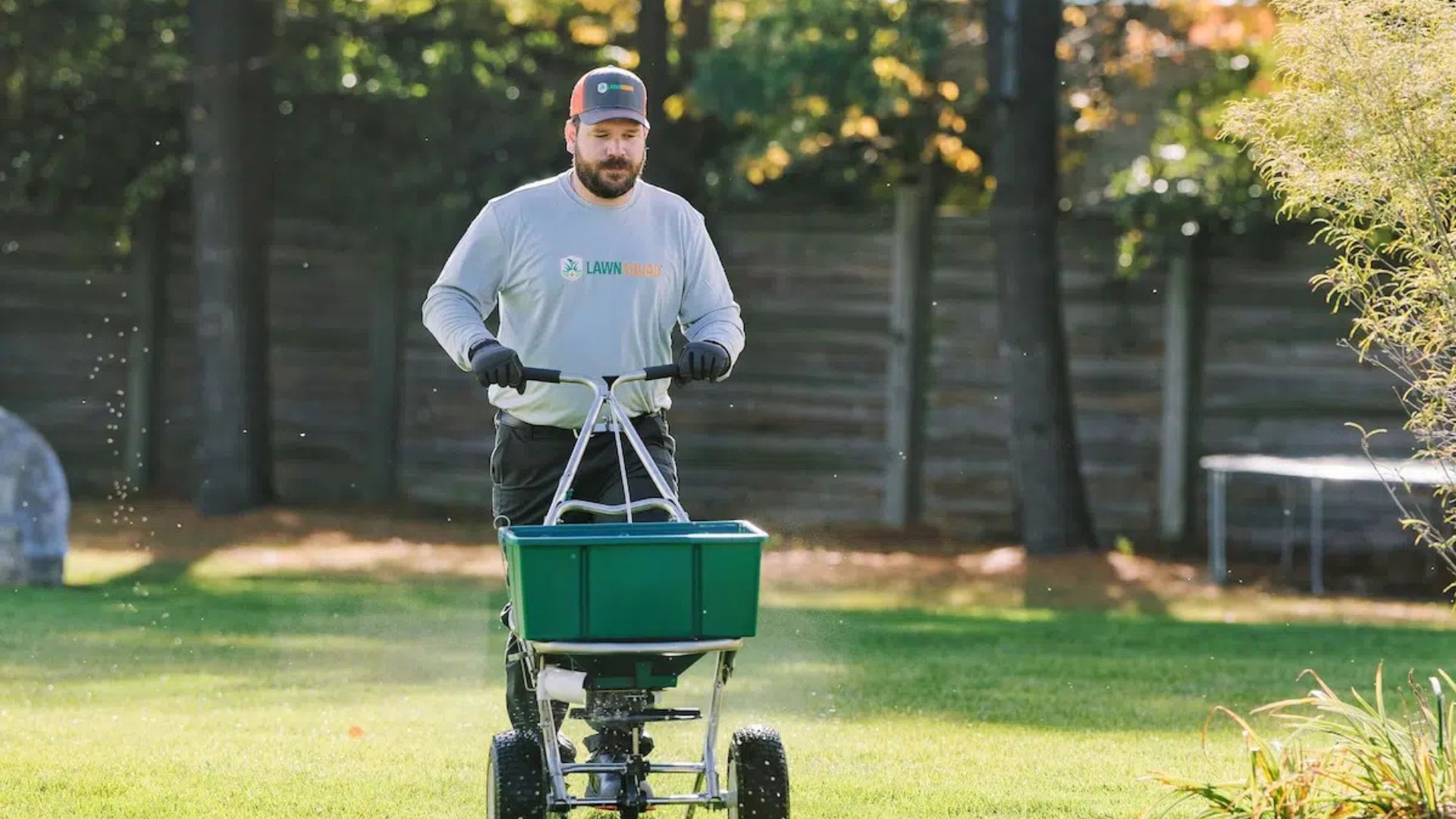
Let Lawn Squad Handle It For You
Every spring on the North Shore is different. Weather patterns vary from year to year, and what works in Wilmette might need slight adjustment for Lake Forest or Buffalo Grove.
Our 6 round program is specifically designed for the cool season grasses and climate conditions across Lake, Cook, and DuPage counties. We adjust timing based on actual conditions, not fixed calendar dates.
ELITE Program spring treatments include:
- Round 1 (March): Pre-emergent crabgrass control, slow release fertilizer, soil test
- Round 2 (April): Second pre-emergent, fertilizer, broadleaf weed control, surface insect control
- Round 3 (May): Fertilizer, weed control, surface insect control, grub prevention, disease control
- Unlimited service calls to address any spring concerns
If you’re tired of guessing about timing, worrying about whether you missed the crabgrass window, or spending your spring weekends on lawn treatments, we can help.
Contact Lawn Squad of Chicago’s North Shore today at 847-310-7312 or email MAtilano@LawnSquad.com to get your lawn on a professional program before the spring treatment window closes.