The short answer: Birmingham’s lawn care calendar runs differently than calendars for other parts of the country because our warm season grasses wake up earlier in spring, stay active longer in fall, and face unique challenges from our humid summers and mild winters.
The most important thing to understand is that timing matters more than products. Applying the right treatment at the wrong time often does more harm than good, while properly timed care gives your lawn the best chance to thrive.
Quick overview:
Spring (March through May): Pre emergent herbicide, first fertilizer, begin regular mowing
Summer (June through August): Disease prevention, careful watering, reduced fertilization
Fall (September through November): Aeration, fall fertilizer, weed prevention, overseeding for fescue
Winter (December through February): Minimal activity, equipment maintenance, planning for spring
Keep reading for the complete month by month guide to Birmingham lawn care.
The Complete Seasonal Approach: Our Year Round Lawn Care Program
A professional lawn care program designed for Birmingham follows the natural rhythm of our local growing season. These programs apply the right treatments at precisely the right time based on soil temperatures, grass growth patterns, and pest cycles specific to central Alabama.
What makes a Birmingham specific program effective is local knowledge. National lawn care advice often misses the mark because our climate doesn’t fit neatly into northern or deep southern categories. We’re in a transition zone where timing windows are narrower and mistakes are harder to correct.
Whether you handle your lawn yourself or hire a professional, following a Birmingham specific calendar gives your grass what it needs when it needs it.
Why a Local Lawn Care Calendar Matters More Than Most Birmingham Homeowners Realize
Using a generic lawn care calendar costs Birmingham homeowners time, money, and results. Treatments applied at the wrong time can damage grass, feed weeds instead of turf, or simply wash away without any benefit.
Here’s what can go wrong: A homeowner follows advice to apply pre emergent herbicide in April, not realizing that Birmingham’s soil warms earlier than northern states. By April, crabgrass has already germinated and the pre emergent is useless. They spend all summer fighting weeds that could have been prevented with proper March timing.
The key principle Birmingham homeowners need to understand is that our calendar is driven by soil temperature, not calendar dates. A warm February can push everything earlier, while a cold March can delay green up. Watching your lawn and checking soil temperatures gives better results than following fixed dates.
Birmingham’s growing season runs roughly from late March through early November for warm season grasses. That’s over seven months of active growth requiring attention, compared to five months or less in northern states.
January Lawn Care Guide for Birmingham
January is the quietest month for Birmingham lawn care. Warm season grasses are fully dormant and cool season grasses grow slowly if at all.
What to Focus On
Equipment maintenance: This is the perfect time to service your mower, sharpen blades, and replace worn parts. A well maintained mower makes cleaner cuts that keep grass healthier throughout the growing season.
Planning and soil testing: Order a soil test kit from the Alabama Cooperative Extension System. Results take a few weeks, and having them before spring helps you choose the right fertilizer and amendments.
Monitoring for winter weeds: Annual bluegrass, henbit, and chickweed are active in January. While they’ll die when temperatures rise, heavy infestations can be treated now to prevent them from spreading seeds.
What to Avoid
Do not apply fertilizer to dormant grass. Warm season grasses cannot absorb nutrients while dormant, and fertilizer will either wash away or feed winter weeds.
Do not walk on frozen grass. Ice crystals in grass blades break cell walls, causing damage that shows up as brown footprints in spring.
February Lawn Care Guide for Birmingham
February is a transition month in Birmingham. Late winter weeds are still active, and the first signs of spring may appear during warm spells.
What to Focus On
Prepare for pre emergent application: Check soil temperatures using a soil thermometer. When soil at 4 inch depth consistently reaches 55 degrees, crabgrass germination begins. In Birmingham, this typically happens in late February to early March.
Final winter weed treatment: If winter annuals like henbit or chickweed are problematic, treat them now before they set seed. Once they flower, the damage is done for next year.
Late February scalping: For Bermuda grass lawns, a late February scalping removes dead material and allows soil to warm faster. Cut Bermuda to 1 inch and bag the clippings. Do not scalp Zoysia, St. Augustine, or fescue lawns.
What to Avoid
Do not fertilize yet. Even during warm spells, grass is not actively growing and cannot use nutrients effectively.
Do not begin regular irrigation. Dormant and semi dormant grass needs minimal water, and wet soil stays cold longer.
March Lawn Care Guide for Birmingham
March is the most critical month for Birmingham lawn care. The window for pre emergent herbicide is narrow, and missing it means fighting crabgrass all summer.
What to Focus On
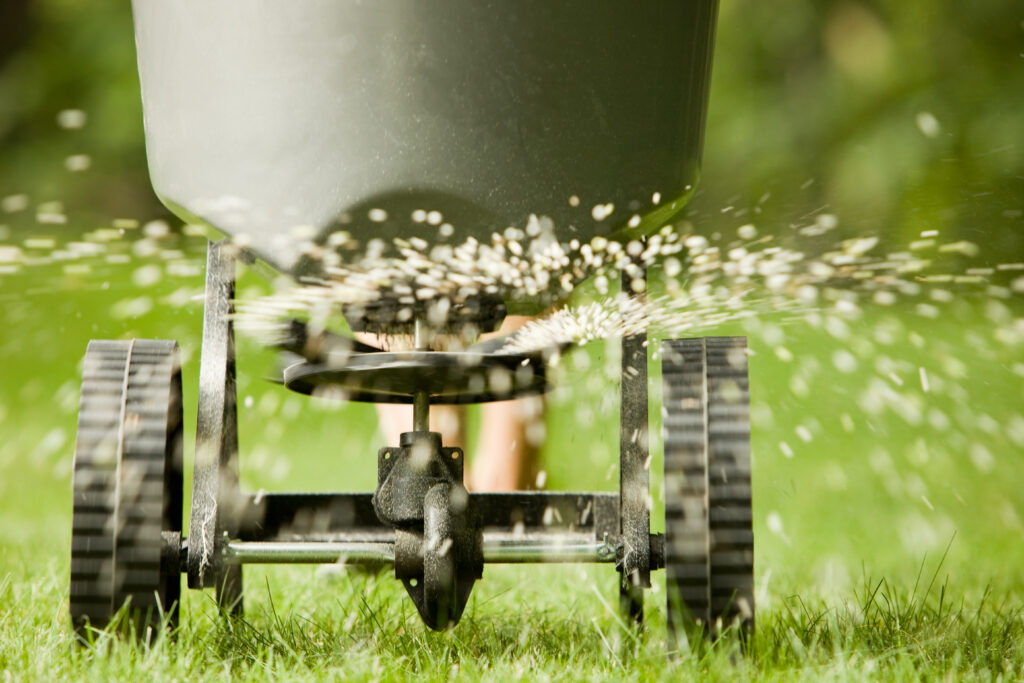
Pre emergent herbicide application: Apply pre emergent when soil temperature reaches 55 degrees and before it hits 65 degrees. In Birmingham, this window typically falls in the first two weeks of March. Timing is everything with this application.
Watch for green up: Bermuda grass typically begins greening in late March when soil temperatures reach 65 degrees. Zoysia greens up slightly later, and St. Augustine later still.
Begin mowing when grass is actively growing: Start mowing once you see consistent new growth, not just a few green blades. First mowing should remove winter dead material and stimulate spring growth.
Address bare spots: March is a good time to plant Bermuda seed or install sod in bare areas. Soil is warming and spring rains help establishment.
What to Avoid
Do not fertilize until grass is fully green and actively growing. Early fertilizer feeds weeds more than dormant or semi dormant grass.
Do not apply pre emergent and grass seed at the same time. Pre emergent prevents all seeds from germinating, including grass seed.
Critical warning: The pre emergent window in Birmingham is typically just two to three weeks. Mark your calendar, check soil temperatures, and do not miss this application.
April Lawn Care Guide for Birmingham
April brings rapid grass growth and the true start of the growing season in Birmingham. Warm season lawns should be fully green by mid April.
What to Focus On
First fertilizer application: Once grass is fully green and actively growing, apply a balanced fertilizer or one slightly higher in nitrogen. Use slow release nitrogen sources to avoid rapid growth spurts and reduce loss to spring rains.
Begin regular mowing schedule: Most Birmingham lawns need weekly mowing in April. Set Bermuda at 1.5 to 2 inches, Zoysia at 2 to 2.5 inches, and St. Augustine at 3 to 3.5 inches.
Post emergent weed control: Treat any weeds that emerged before or despite pre emergent application. Weeds are easier to kill when young and actively growing.
Monitor irrigation needs: April rainfall in Birmingham averages 4 to 5 inches, but dry spells can occur. Supplement with irrigation if grass shows signs of drought stress.
What to Avoid
Do not apply pre emergent in April. The window has passed, and late application wastes money without preventing weeds.
Do not overwater. Spring rains usually provide adequate moisture. Overwatering promotes shallow roots and fungal disease.
May Lawn Care Guide for Birmingham
May marks the transition from spring to summer in Birmingham. Grass growth peaks and the first disease pressure of the year may appear.
What to Focus On
Continue regular mowing: Mow frequently enough that you never remove more than one third of the grass blade at a time. This may mean mowing twice per week during peak spring growth.
Watch for disease: Late May brings the first brown patch risk when nighttime temperatures stay above 65 degrees. Inspect your lawn weekly for circular brown patches.
Adjust watering to morning only: As temperatures rise and humidity increases, shift all watering to early morning. This allows grass to dry before evening, reducing disease risk.
Second pre emergent application (optional): If crabgrass pressure is historically high, a second pre emergent in early May can extend protection through summer.
What to Avoid
Do not wait to treat disease. Fungal diseases spread rapidly in late May conditions. Early treatment limits damage.
Do not mow wet grass. May thunderstorms make timing tricky, but mowing wet grass spreads disease and cuts poorly.
June Lawn Care Guide for Birmingham
June begins Birmingham’s challenging summer season. Heat, humidity, and afternoon thunderstorms create perfect conditions for lawn stress and disease.
What to Focus On
Summer fertilizer application: Apply a slow release fertilizer in early June. Use a lower nitrogen rate than spring to avoid promoting lush growth susceptible to disease.
Disease prevention: Consider preventive fungicide applications if your lawn has a history of brown patch or other summer diseases. Prevention is more effective than treatment.
Deep, infrequent watering: Water deeply two to three times per week rather than lightly every day. Deep watering encourages deep roots that survive summer stress better.
Raise mowing height: Increase mowing height by half an inch going into summer. Taller grass shades soil, keeps roots cooler, and competes better against weeds.
What to Avoid
Do not apply heavy nitrogen in June. Excessive fertilization promotes disease susceptible growth during the highest risk period.
Do not water in the evening. Grass that stays wet overnight is far more susceptible to fungal infection.
July Lawn Care Guide for Birmingham
July is typically the most stressful month for Birmingham lawns. Daytime temperatures regularly exceed 90 degrees, and humidity makes conditions feel even hotter.
What to Focus On
Monitor for drought stress: Despite afternoon thunderstorms, July can bring dry periods that stress lawns. Look for grass blades folding, footprints remaining visible after walking on grass, or a blue gray color change.
Continue disease monitoring: July’s heat and humidity keep disease pressure high. Inspect weekly and treat promptly if you see brown patch, dollar spot, or other disease symptoms.
Maintain mowing schedule: Continue mowing at summer height. Never skip mowing so long that you must remove more than one third of the blade, even if this means mowing during a heat wave.
Spot treat weeds: Summer annual weeds like crabgrass and goosegrass are actively growing. Spot treat problem areas rather than broadcasting herbicide across stressed grass.
What to Avoid
Do not fertilize in July. Heat stressed grass cannot effectively use nutrients, and nitrogen promotes disease susceptible growth.
Do not aerate in July. Summer aeration stresses grass already struggling with heat. Wait for fall.
August Lawn Care Guide for Birmingham
August continues summer’s challenges but also brings the first planning for fall lawn care. Late summer decisions set up success or struggle for the coming year.
What to Focus On
Plan for fall aeration: Schedule aeration for September. If you aerate yourself, reserve equipment early as fall is the busiest season.
Continue summer maintenance: Keep mowing at summer height, watering deeply and infrequently, and monitoring for disease.
Order fall products: If you apply your own fertilizer and weed control, order fall pre emergent and fertilizer now to have them ready for September.
Assess lawn condition: Walk your lawn and note areas that are thin, bare, or struggling. These areas will need attention during fall renovation.
What to Avoid
Do not apply fertilizer in August. Wait for September when temperatures begin cooling and grass can recover from summer stress.
Do not overseed warm season lawns in August. Heat makes establishment nearly impossible. Wait for fall or next spring.
September Lawn Care Guide for Birmingham
September is the second most important month in Birmingham lawn care after March. Fall treatments set up your lawn for success next year.
What to Focus On
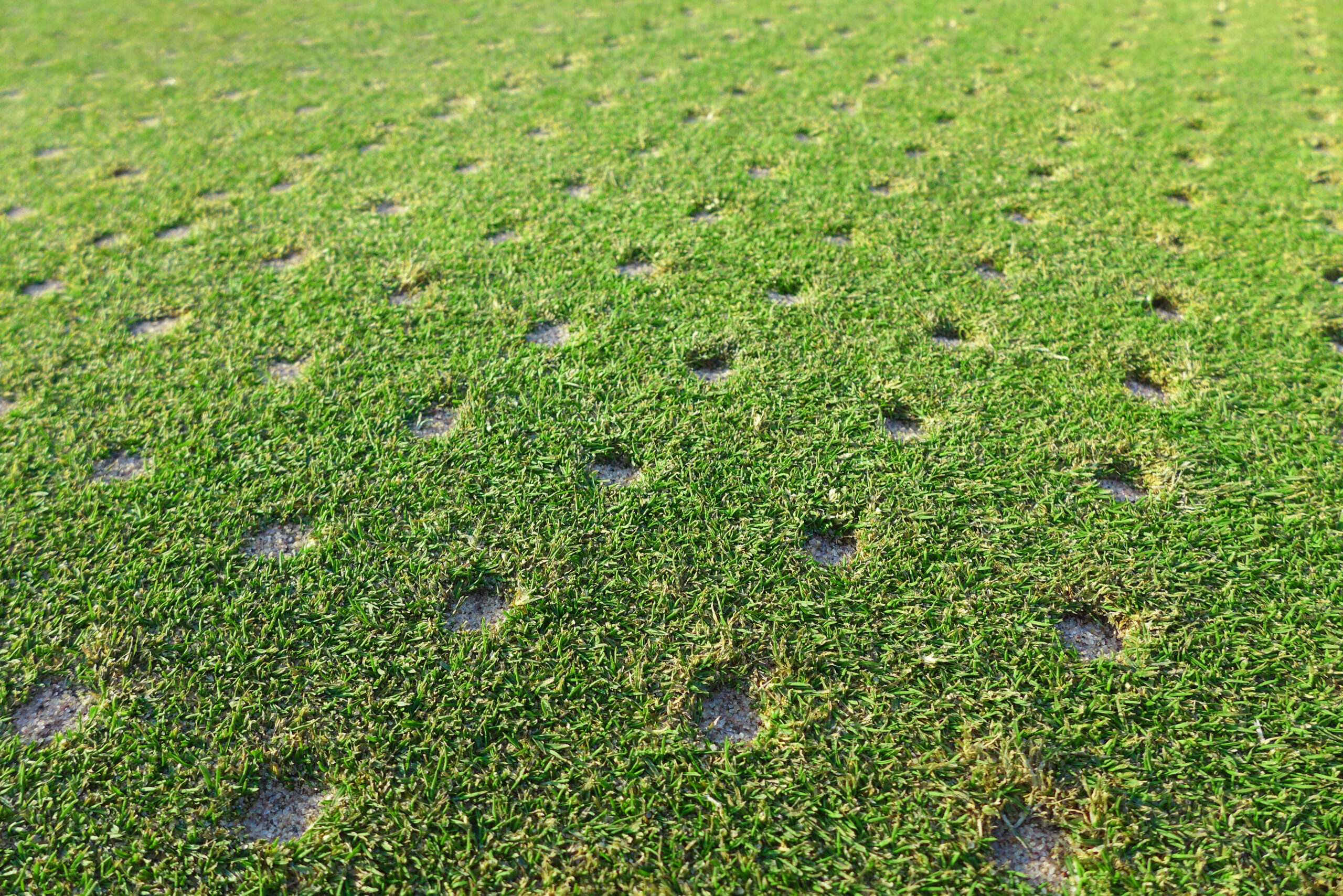
Core aeration: September is the ideal time to aerate warm season lawns in Birmingham. Soil temperatures are still warm enough for grass to recover, but heat stress is diminishing.
Fall fertilizer application: Apply a fall fertilizer with higher potassium to help grass store energy for winter and prepare for spring green up. Slow release nitrogen sources are still preferred.
Fall pre emergent application: Apply pre emergent in late September to prevent winter annual weeds like annual bluegrass, henbit, and chickweed from establishing.
Overseed fescue lawns: If you have fescue, September is the critical overseeding window. Aerate, overseed, and keep soil moist until new grass establishes.
What to Avoid
Do not skip aeration thinking your lawn looks fine. Compaction damage accumulates over years and is not always visible until grass seriously declines.
Do not apply pre emergent and grass seed together. Wait three to four weeks after overseeding before applying pre emergent to fescue lawns.
October Lawn Care Guide for Birmingham
October offers ideal weather for lawn care in Birmingham. Temperatures are comfortable for working outside, and grass responds well to fall treatments.
What to Focus On
Continue fall fertilization: A second fall fertilizer application in October provides nutrients for root growth that continues until soil cools.
Post emergent weed control: Treat any remaining summer weeds and emerging winter weeds. Fall herbicide applications are highly effective because weeds are storing energy for winter.
Final overseeding window for fescue: Early October is the last reliable window for fescue overseeding in Birmingham. Later seeding may not establish before winter.
Begin reducing mowing frequency: As grass growth slows, extend time between mowings. Continue mowing at summer height.
What to Avoid
Do not stop mowing too early. Grass continues growing until soil temperatures drop below 55 degrees, usually in late November.
Do not neglect irrigation during dry fall periods. October can bring dry spells that stress grass preparing for winter.
November Lawn Care Guide for Birmingham
November marks the transition into dormancy for warm season grasses and reduced activity for cool season lawns.
What to Focus On
Final mowing: Continue mowing until grass stops growing. The last mowing of the year can be slightly lower than summer height to reduce winter disease risk.
Clean up leaves: Fallen leaves smother grass if left in thick layers. Mulch light leaf cover with your mower or rake and remove heavy accumulations.
Final fertilizer for fescue: Cool season fescue lawns benefit from a November fertilizer application that promotes root growth through mild winter months.
Winterize irrigation systems: If you have an in ground irrigation system, have it blown out and winterized before freezing temperatures arrive.
What to Avoid
Do not fertilize warm season grass in November. Dormant grass cannot use nutrients, and late fertilization can promote tender growth that freezes.
Do not apply herbicide to dormant grass. Wait until spring when grass is actively growing.
December Lawn Care Guide for Birmingham
December is a quiet month for lawn care. Warm season grasses are dormant and require minimal attention.
What to Focus On
Equipment storage: Clean mower thoroughly, stabilize fuel, and store equipment properly for winter.
Plan for next year: Review what worked and what didn’t this year. Note any problem areas that need attention in spring.
Monitor for winter weeds: Winter annuals continue growing during mild December weather. Note infestations for treatment in January or February.
Enjoy the break: December through February offers a well deserved rest from lawn maintenance after Birmingham’s long growing season.
What to Avoid
Do not walk on frozen grass. December can bring occasional freezes that make grass blades brittle.
Do not pile snow from driveways onto lawn areas if we receive winter precipitation. Concentrated snow piles melt slowly and can damage grass beneath them.
How to Track Soil Temperature for Proper Timing
Throughout this calendar, soil temperature determines proper timing more than calendar dates. Here’s how to track it accurately.
Step by step process:
Purchase an inexpensive soil thermometer from any garden center.
Insert the thermometer 4 inches into bare soil (not under mulch or in shade).
Take readings at the same time each morning for consistency.
Track temperatures for several days to identify trends rather than reacting to single readings.
Practical application: When daily soil temperatures consistently reach 55 degrees in late winter, apply pre emergent within the next week. Do not wait until the calendar says it’s time if soil is already warm.
The Alabama Cooperative Extension System and local news stations often report soil temperatures during spring, which can supplement your own measurements.
What About Professional Lawn Care Programs?
A professional lawn care program eliminates the guesswork of timing and product selection. Trained technicians know Birmingham’s soil temperature patterns and adjust application timing each year based on actual conditions.
Professional programs also ensure product quality and proper application rates. Store bought products often contain lower concentrations of active ingredients, and homeowners frequently apply at incorrect rates.
We recommend professional programs for homeowners who want reliable results without the time investment of DIY care, those who have struggled with pest or disease problems, and anyone who wants their lawn to reach its full potential.
Common Calendar Mistakes Birmingham Homeowners Make
Following a lawn care calendar requires attention to detail. These mistakes undermine even the best planned care.
Mistake 1: Missing the Pre Emergent Window
The March pre emergent window is narrow and unforgiving. Missing it means fighting crabgrass all season. Set reminders and check soil temperatures starting in late February.
Mistake 2: Fertilizing Before Grass Is Active
Eager homeowners fertilize at the first sign of green, feeding weeds rather than still dormant grass. Wait until grass is fully green and actively growing.
Mistake 3: Skipping Fall Treatments
Fall feels like winding down, but September through November treatments are critical for next year’s success. Aeration, fall fertilizer, and pre emergent should never be skipped.
Mistake 4: Following Calendar Dates Instead of Conditions
A warm year might push everything two weeks earlier. A cold year might delay green up by two weeks. Watch your lawn and check soil temperature rather than blindly following dates.
Mistake 5: Maintaining the Same Schedule Every Year
Weather varies significantly from year to year in Birmingham. Adjust your calendar based on current conditions rather than assuming last year’s timing will work this year.
DIY vs. Professional Care: Which Should You Choose?
DIY lawn care gives you complete control over products, timing, and methods. It costs less in service fees but requires significant time investment and knowledge. Success depends on following through consistently throughout the year.
Best for: Homeowners who enjoy yard work, have time on weekends, and are willing to learn proper techniques and timing.
Professional lawn care delivers consistent results without demanding your time and attention. Professionals bring expertise, commercial grade products, and accountability for results.
Best for: Busy homeowners, those who want guaranteed results, and anyone who has struggled to maintain a healthy lawn on their own.
Many homeowners find a hybrid approach works well: professional fertilization and weed control combined with DIY mowing and watering.
Your Complete Birmingham Lawn Care Calendar at a Glance
Warm Season Grass (Bermuda, Zoysia, St. Augustine)
| Month | Primary Tasks | Critical Timing |
|---|---|---|
| January | Equipment maintenance, soil testing | Order soil test early |
| February | Prepare for pre emergent, scalp Bermuda | Check soil temps starting late month |
| March | Pre emergent application | When soil reaches 55°F (critical window) |
| April | First fertilizer, begin regular mowing | After grass is fully green |
| May | Continue mowing, watch for disease | Transition to morning watering |
| June | Summer fertilizer, disease prevention | Early month fertilizer application |
| July | Monitor stress and disease, maintain mowing | No fertilizer this month |
| August | Plan fall treatments, continue maintenance | Schedule aeration |
| September | Aeration, fall fertilizer, fall pre emergent | Most important fall month |
| October | Second fall fertilizer, weed control | Continue until growth stops |
| November | Final mowing, leaf cleanup, winterize irrigation | Before first hard freeze |
| December | Equipment storage, planning | Minimal lawn activity |
Cool Season Grass (Fescue)
| Month | Primary Tasks | Critical Timing |
|---|---|---|
| January | Equipment maintenance, soil testing | Same as warm season |
| February | Monitor winter weeds | Treat before flowering |
| March | Pre emergent, light fertilizer | Same timing as warm season |
| April | Regular mowing begins | Keep height at 3.5 to 4 inches |
| May | Reduce fertilizer, prepare for stress | Last fertilizer until fall |
| June through August | Survival mode: water, mow high, no fertilizer | Keep grass tall and watered |
| September | Aeration, overseeding, fertilizer | Critical renovation month |
| October | Continue overseeding care, fertilizer | Keep new seed moist |
| November | Final fertilizer, reduce mowing | Promotes winter root growth |
| December | Minimal activity | Same as warm season |
The Bottom Line
Birmingham’s lawn care calendar runs from late February through November, with critical windows in March and September that determine success for the entire year.
Key principles to remember:
Watch soil temperature, not just calendar dates. Conditions vary from year to year, and timing adjustments make the difference between success and failure.
Never miss the March pre emergent window. This single application prevents more problems than any other treatment all year.
Respect summer stress. June through August require reduced fertilization and careful attention to disease prevention.
Invest in fall treatments. September aeration, fertilization, and pre emergent set up your lawn for success next spring.
Consistency matters more than perfection. Following a reasonable calendar every year produces better results than sporadic intensive care.
Following this Birmingham specific calendar will give you a healthier, more attractive lawn than generic advice can provide.

Let Us Handle It For You
Every Birmingham lawn has its own timeline based on grass type, sun exposure, soil conditions, and microclimate. Your lawn might green up a week earlier or later than your neighbor’s and need adjusted treatment timing.
Our Year Round Lawn Care Program provides professionally timed treatments throughout the Birmingham growing season, adjusted for current conditions each year.
Our program includes:
Pre emergent applications timed precisely for Birmingham soil temperatures
Fertilizer treatments using commercial grade slow release products
Disease prevention during high risk summer months
Fall aeration and fertilization for winter preparation
Year round monitoring and adjustments based on your lawn’s specific needs
Stop trying to remember what to do and when. Stop missing critical treatment windows that determine your lawn’s health for the entire year.
Contact us today for a free lawn evaluation and let our Birmingham lawn care experts keep your yard on the right schedule all year long.