The short answer: The best fertilization schedule for North Atlanta lawns follows a 42 day interval with 5 to 8 applications per year, starting in mid January and ending in early November. The exact schedule depends on your grass type and which lawn care program you choose.
Warm season grasses like Bermuda and Zoysia need fertilizer during their active growth from spring through early fall. Cool season grasses like Fescue need fertilizer in spring and fall but should skip summer entirely.
Quick overview:
- ELITE Program: 8 fertilizer applications across the full growing season
- PRO Program: 8 fertilizer applications with balanced coverage
- ESSENTIAL Program: 5 fertilizer applications focusing on core nutrition
Understanding when and why to fertilize helps you grow a thicker, healthier lawn whether you handle applications yourself or work with professionals.
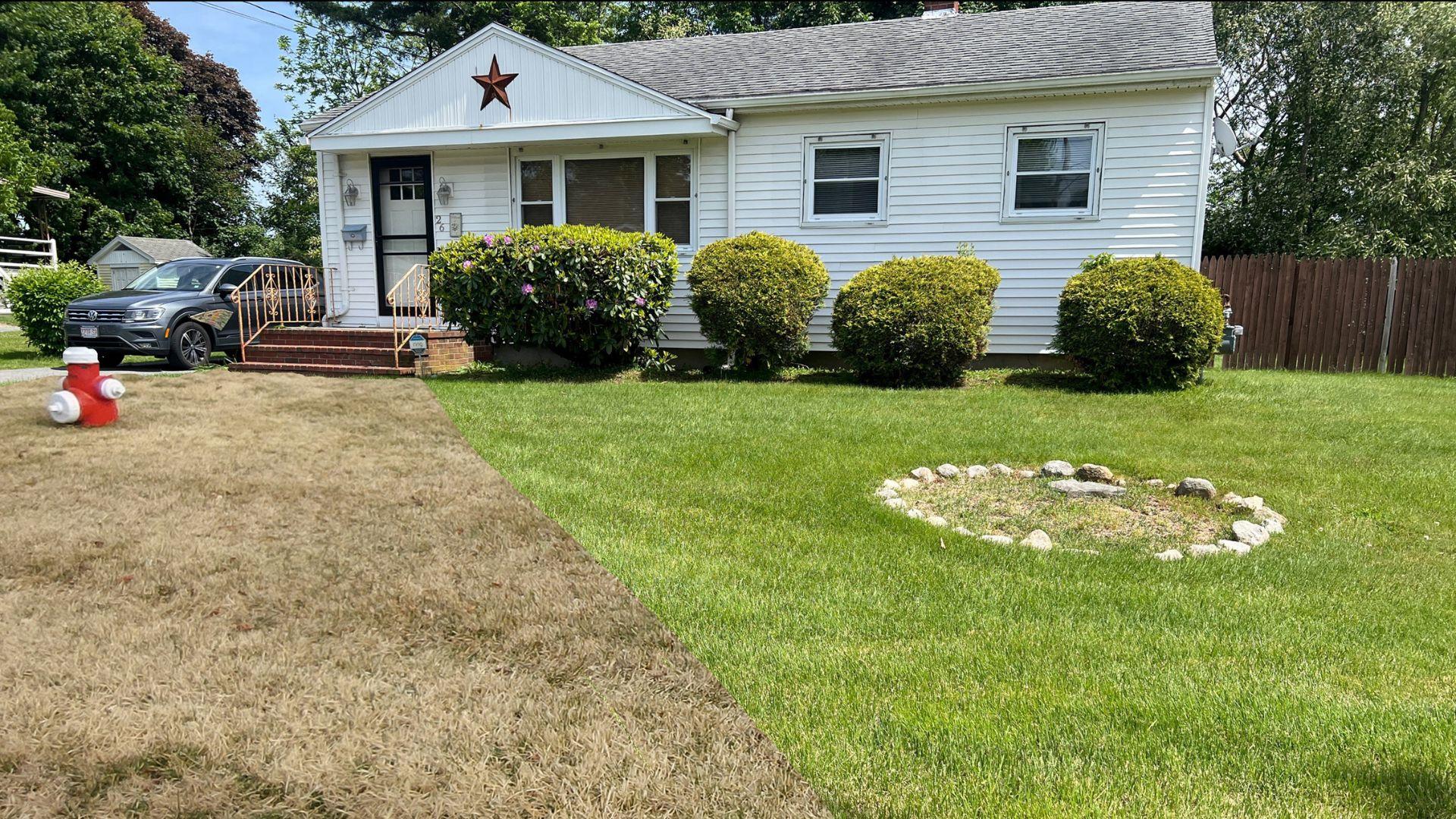
The Complete Fertilization Approach: Our 8 Round Program
At Lawn Squad of North Atlanta, we built our fertilization schedule around what grass actually needs in each season. Our programs deliver nutrients when your lawn can use them, not just on a calendar date that looks convenient.
The 42 day interval between treatments gives grass time to absorb and process nutrients before the next application. Fertilizing too often wastes product and can actually burn your lawn. Waiting too long leaves grass hungry during critical growth periods.
Whether you choose our ELITE, PRO, or ESSENTIAL program, every fertilizer application pairs with other treatments like weed control and pre-emergent to maximize results from each visit.
Why Fertilization Timing Matters More Than Most North Atlanta Homeowners Realize
Fertilizing at the wrong time does more harm than good. Your lawn can only use nutrients when it is actively growing. Applying fertilizer during dormancy feeds weeds instead of grass and can damage root systems.
North Atlanta sits in a transition zone where both warm and cool season grasses grow. This creates a unique challenge because the two grass types need opposite schedules. Bermuda wants fertilizer in summer when Fescue needs a break. Fescue wants fertilizer in fall when Bermuda is slowing down.
The consequences of bad timing show up fast. Over fertilizing in summer causes Fescue to push weak growth that fungal diseases attack. Under fertilizing in spring leaves Bermuda thin and patchy when it should be filling in. Fertilizing too late in fall prevents grass from hardening off before winter.
After serving Alpharetta, Roswell, and Woodstock since 2001, we have learned exactly what lawns in Fulton and Cherokee counties need and when they need it.
Warm Season Grass Fertilization Guide for North Atlanta
Most lawns in North Atlanta have warm season grasses like Bermuda, Zoysia, or Centipede. These grasses thrive in our hot summers and go dormant in winter.
Round 1: Late Winter Wake Up (January 12, 2026)
Apply a balanced fertilizer with pre-emergent herbicide as grass begins to break dormancy. This feeding supports early root development before top growth starts.
Why this matters: Grass that gets early nutrition builds stronger roots that support better growth all season. The pre-emergent prevents crabgrass and other weeds from establishing before your lawn fills in.
Round 3: Spring Growth Push (April 6, 2026)
Apply fertilizer with broadleaf weed control as grass enters its rapid growth phase. This is when warm season grass is hungriest and can process nutrients fastest.
Your lawn will be actively spreading and thickening during this period. Proper nutrition now determines how dense your turf becomes by summer.
Round 4: Early Summer Strength (May 18, 2026)
Apply fertilizer along with surface insect control and sedge suppression. This round also includes iron treatment to deepen green color without pushing excessive growth.
Why this matters: Summer fertilization keeps grass growing strong enough to crowd out weeds and resist insect damage. The iron treatment improves color without the rapid growth that requires more mowing.
Round 5: Mid Summer Maintenance (June 29, 2026)
Continue fertilization with broadleaf weed control and surface insect control. Grass is growing fast and using nutrients quickly during the hottest months.
Round 6: Late Summer Preparation (August 10, 2026)
Apply fertilizer with root stimulant and pre-emergent to prepare grass for fall. This round helps roots store energy for winter dormancy.
The root stimulant in our ELITE program encourages deeper root growth that improves drought tolerance and winter hardiness.
Round 7: Fall Transition (September 21, 2026)
Apply fertilizer with pre-emergent as growth begins slowing. This feeding supports the final push of growth before dormancy.
Round 8: Winter Preparation (November 2, 2026)
Apply final fertilizer application to help grass store nutrients for winter. This late feeding improves spring green up the following year.
Critical warning: Never apply fertilizer to warm season grass after it goes dormant in late fall. The grass cannot use it, and winter weeds will take advantage of the free nutrients.
Cool Season Grass Fertilization Guide for North Atlanta
Fescue and other cool season grasses grow best in spring and fall when temperatures stay between 60 and 75 degrees. Summer heat forces these grasses into survival mode.
Round 1: Early Spring Feeding (January 12, 2026)
Apply light fertilizer with pre-emergent as grass breaks winter dormancy. Cool season grass starts growing early in North Atlanta, often by late February.
Round 3: Spring Peak (April 6, 2026)
Apply fertilizer as grass reaches peak spring growth. This is the most important feeding for cool season lawns because it builds reserves for summer stress.
Skip Summer Fertilization (June through August)
Do not fertilize Fescue during summer months. The grass naturally slows down to protect itself from heat. Fertilizer forces growth when the plant should be conserving energy.
This is the biggest mistake we see homeowners make with cool season lawns in North Atlanta. Pushing summer growth leads to thin, disease prone turf by fall.
Round 6: Fall Recovery (August 10, 2026)
Resume fertilization as temperatures begin cooling. This feeding helps grass recover from summer stress and begin rebuilding.
Round 7: Fall Growth Push (September 21, 2026)
Apply fertilizer during peak fall growth. Cool season grass grows fastest in fall, and this feeding supports thick, healthy turf going into winter.
Round 8: Winter Hardening (November 2, 2026)
Apply final fertilizer to help grass store nutrients and harden off for winter. A well fed lawn in fall comes back stronger in spring.
How to Calculate Fertilizer Amounts for Your Lawn
Fertilizer bags list application rates in pounds per 1,000 square feet. Knowing your lawn size helps you buy the right amount and apply it correctly.
Step by step process:
- Measure your lawn’s length and width in feet
- Multiply length times width for total square feet
- Subtract areas like driveways, patios, and garden beds
- Divide by 1,000 to get your application units
For example, a lawn that measures 100 feet by 80 feet equals 8,000 square feet. If your driveway and patio total 500 square feet, your treatable lawn area is 7,500 square feet. Divide by 1,000 to get 7.5 application units.
If the fertilizer bag says to apply 4 pounds per 1,000 square feet, you would need 30 pounds total (4 times 7.5).
Lawn Squad prices services based on lawn square footage. For lawns between 6,000 and 10,000 square feet, fertilizer applications range from $62 to $78 per treatment.
What About Soil Testing?
Soil testing tells you exactly what nutrients your lawn needs and what it already has enough of. Without a soil test, you are guessing.
Soil testing matters because North Atlanta soils vary widely. Clay soils in parts of Roswell hold nutrients differently than sandy soils in some Woodstock neighborhoods. pH levels affect how well grass can absorb nutrients even when they are present in the soil.
Our ELITE program includes a soil test in Round 1. This lets us customize your fertilization based on actual soil conditions rather than generic recommendations.
Based on soil test results, we may recommend limestone to raise pH, sulfur to lower pH, or adjusted nutrient ratios in your fertilizer applications.
Common Fertilization Mistakes North Atlanta Homeowners Make
After 25 years serving this area, we see the same fertilization mistakes repeat every season.
Mistake 1: Using the Same Schedule for All Grass Types
Bermuda and Fescue need completely different fertilization timing. Treating them the same way guarantees poor results for one or both. Know your grass type before setting a schedule.
Mistake 2: Fertilizing Based on Calendar Dates Instead of Grass Condition
A cold spring might delay the best time to fertilize by several weeks. Watch your grass for signs of active growth rather than just checking the date.
Mistake 3: Applying Too Much at Once
More fertilizer does not mean greener grass. Excess nitrogen burns leaf tissue, pollutes waterways, and promotes disease. Follow label rates exactly.
Mistake 4: Skipping Fall Fertilization
Many homeowners stop lawn care when summer ends. But fall fertilization is the most important feeding for cool season grass and critical for warm season winter hardiness.
Mistake 5: Ignoring Soil pH
Grass cannot absorb nutrients efficiently when soil pH is too high or too low. A soil test reveals pH problems that fertilizer alone cannot fix.
DIY Fertilization vs. Professional Programs: Which Should You Choose?
DIY fertilization lets you control exactly what goes on your lawn and when. You can adjust timing based on weather and save money on labor costs. Consumer grade fertilizers are widely available at home improvement stores. Best for: Homeowners who enjoy lawn care, have time to learn proper techniques, and want to save money on a smaller lawn.
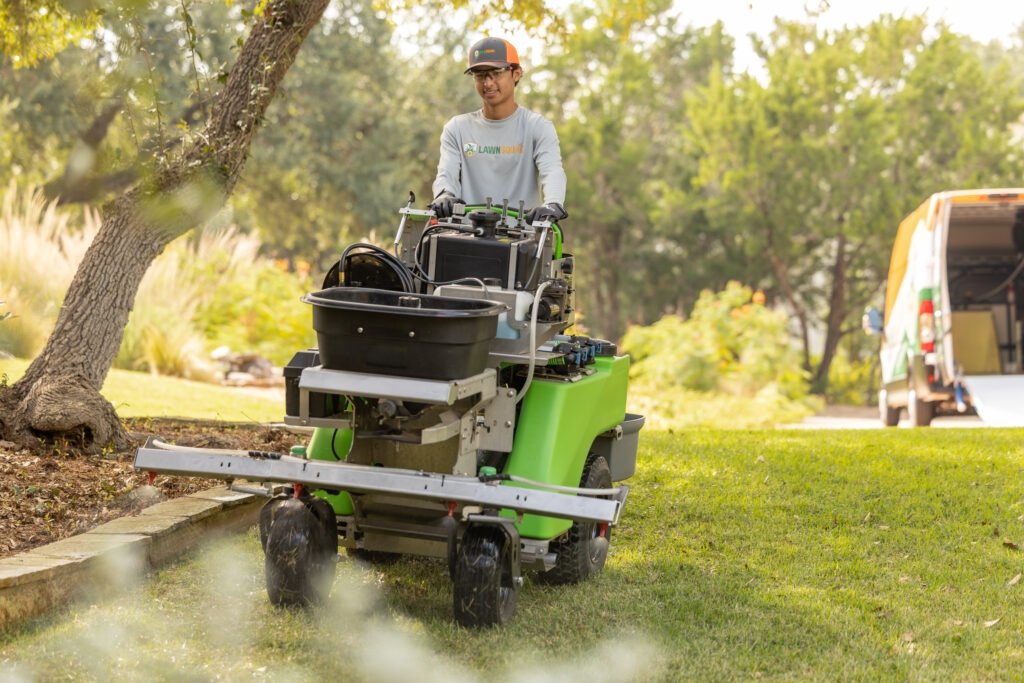
Professional programs provide commercial grade products, precise application equipment, and expertise in timing. Professionals handle the math, storage, and cleanup while guaranteeing results. Best for: Busy homeowners, those with large lawns, and anyone who wants consistent results without the learning curve and equipment investment.
Your North Atlanta Fertilization Calendar at a Glance
Warm Season Grass (Bermuda, Zoysia, Centipede)
| Round | Date | Fertilizer Application | Additional Services |
|---|---|---|---|
| 1 | January 12 | Yes | Pre-emergent, Weed Control |
| 2 | February 23 | No | Pre-emergent, Weed Control |
| 3 | April 6 | Yes | Weed Control, Insect Control |
| 4 | May 18 | Yes | Weed Control, Insect Control, Iron |
| 5 | June 29 | Yes | Weed Control, Insect Control |
| 6 | August 10 | Yes | Pre-emergent, Root Stimulant |
| 7 | September 21 | Yes | Pre-emergent, Weed Control |
| 8 | November 2 | Yes | Weed Control |
Cool Season Grass (Fescue)
| Round | Date | Fertilizer Application | Notes |
|---|---|---|---|
| 1 | January 12 | Yes | Light application |
| 3 | April 6 | Yes | Peak spring feeding |
| 4 | May 18 | Light or Skip | Based on temperatures |
| 5 | June 29 | Skip | Summer dormancy |
| 6 | August 10 | Yes | Recovery feeding |
| 7 | September 21 | Yes | Peak fall feeding |
| 8 | November 2 | Yes | Winter preparation |
The Bottom Line
The best fertilization schedule for North Atlanta grass matches nutrient applications to your grass type’s natural growth cycle. Warm season grasses need consistent feeding from spring through fall. Cool season grasses need spring and fall fertilization with a summer break.
Key principles to remember:
- Follow a 42 day interval between applications for best results
- Know your grass type before choosing a fertilization schedule
- Skip summer fertilization for Fescue and other cool season grasses
- Test your soil to identify pH and nutrient issues
- Never fertilize dormant grass
Lawns that receive properly timed fertilization grow thicker, resist weeds better, and look healthier all season long.
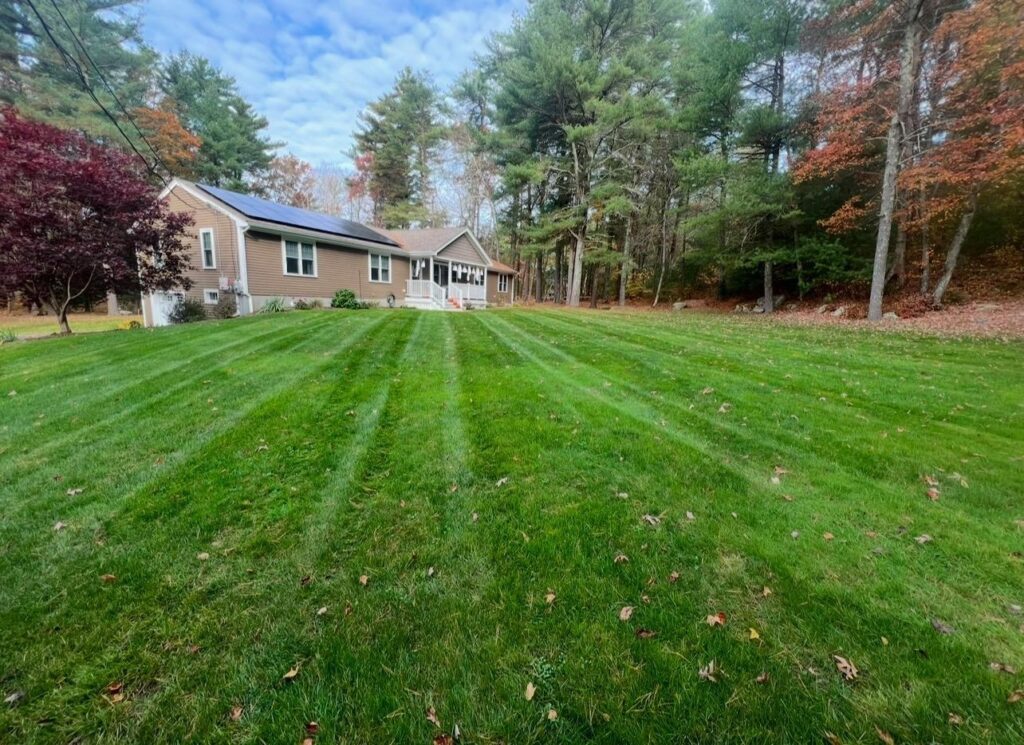
Let Lawn Squad Handle It For You
Every lawn in North Atlanta has different needs. Soil conditions across Alpharetta, Roswell, and Woodstock vary block by block. Your lawn’s history, shade patterns, and grass type all affect the ideal fertilization approach.
Our lawn care programs account for all these variables with treatments designed specifically for Fulton and Cherokee county conditions.
ELITE Program includes:
- 8 fertilizer applications timed to your grass type’s needs
- Soil testing to customize nutrient applications
- Pre-emergent weed prevention in 4 rounds
- Broadleaf weed control in all 8 rounds
- Unlimited service calls between scheduled visits
PRO Program includes:
- 8 fertilizer applications with balanced coverage
- Pre-emergent applications in 4 rounds
- Broadleaf weed control in all 8 rounds
- Sedge suppression during summer months
ESSENTIAL Program includes:
- 5 fertilizer applications for core nutrition
- Pre-emergent applications in 3 rounds
- Broadleaf weed control in 6 rounds
Stop guessing about what your lawn needs and when. Let our trained technicians deliver the right nutrients at the right time for a lawn that looks great all year.
Contact Lawn Squad of North Atlanta today at (678) 250-6493 or visit lawnsquad.com/contact-us to get a quote and start your lawn on the fertilization schedule it deserves.