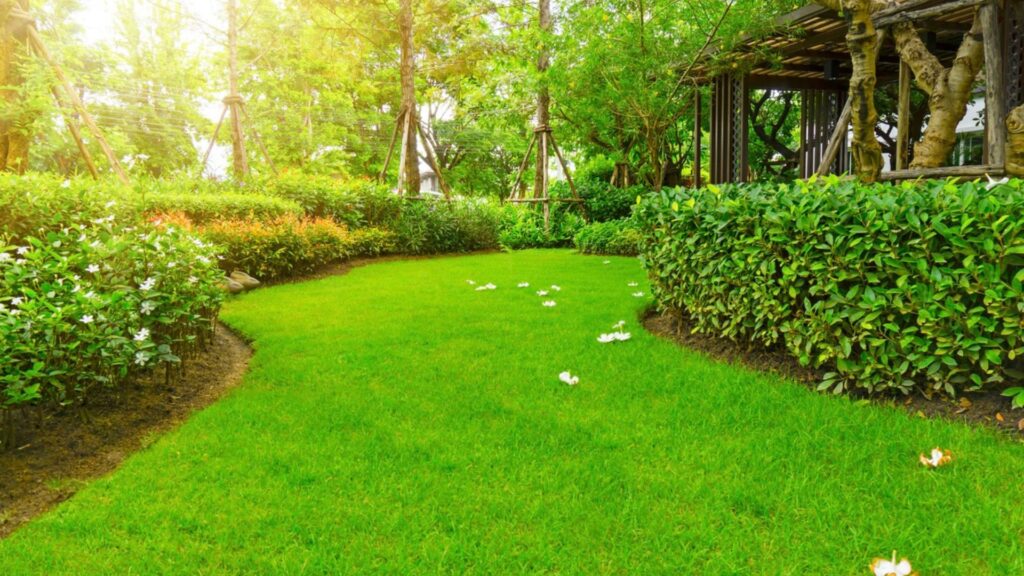
The short answer: If you live near the beach in Myrtle Beach, North Myrtle Beach, Pawleys Island, or anywhere along the Grand Strand, you need a grass type that can handle salt exposure. St. Augustinegrass and Bermudagrass are your best options, with Zoysiagrass as a solid third choice for partially shaded yards.
The amount of salt your lawn encounters depends on how close you are to the ocean and whether your property gets irrigation from a well that pulls brackish water.
Quick overview:
- High salt tolerance: St. Augustinegrass, Seashore Paspalum
- Good salt tolerance: Bermudagrass, Zoysiagrass
- Poor salt tolerance: Centipedegrass, Fescue, most cool season grasses
If you’re choosing grass for a new lawn or wondering why your current lawn struggles despite good care, salt exposure might be the hidden factor. Let’s look at what coastal South Carolina homeowners need to know about salt tolerance and turf selection.
The Complete Turf Care Approach: Our Year Round Program System
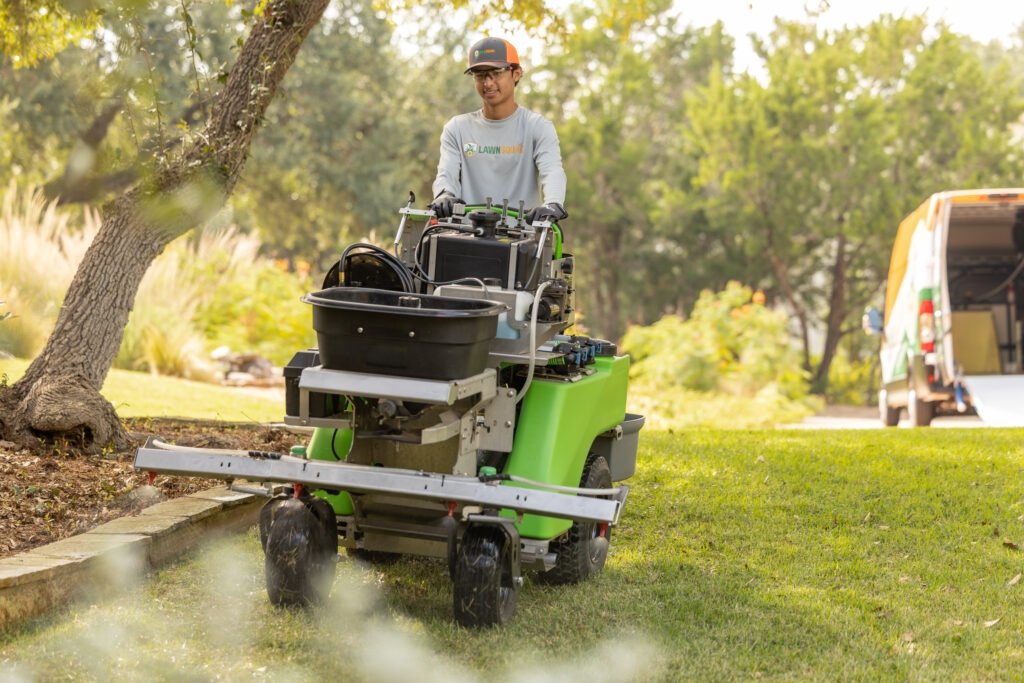
At Lawn Squad of Myrtle Beach, we treat lawns across Horry, Georgetown, and Williamsburg counties. Many of our customers live within a few miles of the Atlantic Ocean, and we’ve learned that salt tolerance affects everything from grass selection to fertilization timing.
Our lawn care programs are designed for the specific turf types that thrive in coastal South Carolina. Whether you have St. Augustinegrass in Little River or Bermudagrass in Murrels Inlet, our treatment schedules account for the unique stresses that salt exposure creates.
Understanding how salt affects your lawn helps you make better decisions about grass selection, irrigation, and ongoing maintenance. Even if you handle your own lawn care, this knowledge will save you time and money.
Why Salt Tolerance Matters More Than Most Coastal Homeowners Realize
Many homeowners move to the Myrtle Beach area from other parts of the country and bring their lawn care expectations with them. They plant the grass types they’re familiar with and wonder why their lawn looks worse every year.
Here’s what happens: Salt in the air and soil pulls water out of grass plants through a process called osmotic stress. Even when you water regularly, the grass can’t absorb moisture efficiently because the salt concentration in the soil is too high. The grass essentially dies of thirst while sitting in wet soil.
Salt damage shows up as brown leaf tips first, then spreads to entire blades, and eventually kills the plant from the roots up. It looks a lot like drought stress, which leads many homeowners to water more. But adding more water without addressing the salt problem can actually make things worse by concentrating salts in the root zone.
The closer you live to the ocean, the more salt your lawn encounters. Properties in North Myrtle Beach, Cherry Grove, Garden City, and Surfside Beach face higher salt exposure than homes in Conway or Aynor. But even properties several miles inland can have salt issues if they irrigate with well water that contains dissolved salts.
This is why generic lawn care advice from national websites often fails for coastal South Carolina properties. Your Myrtle Beach lawn faces challenges that a lawn in Charlotte or Atlanta never encounters.
Salt Tolerant Grass Guide for Myrtle Beach Properties
Choosing the right grass type is the single most important decision for a healthy coastal lawn. Here’s what works best in our area.
St. Augustinegrass: The Coastal Champion
St. Augustinegrass is the most popular choice for oceanfront and near ocean properties along the Grand Strand. It handles salt spray, sandy soils, and partial shade better than most warm season grasses.
What makes it work: St. Augustine has a thick blade that holds moisture well and a deep root system that can find water below the salt-affected surface soil. It spreads by stolons (above ground runners) and fills in damaged areas quickly.
Best varieties for Myrtle Beach: Palmetto, Floratam, and CitraBlue all perform well in coastal South Carolina. Palmetto handles shade better than Floratam, making it a good choice for properties with tree cover.
Downsides to consider: St. Augustine requires more water than Bermudagrass and is susceptible to chinch bugs and gray leaf spot disease. It also doesn’t tolerate heavy foot traffic as well as some other options.
Why this matters for your lawn care program: St. Augustine lawns need careful attention to insect control, especially during hot summer months when chinch bug populations explode. Lawn Squad’s ELITE and PRO programs include surface insect control treatments specifically timed to protect against these pests.
Bermudagrass: The Tough All Rounder
Bermudagrass is the second most common choice for coastal South Carolina lawns. It handles salt reasonably well, tolerates drought, and recovers quickly from damage.
What makes it work: Bermuda spreads aggressively through both stolons and rhizomes (underground runners). This dual spreading habit helps it recover from salt damage and fill in bare spots faster than almost any other grass.
Best varieties for Myrtle Beach: Celebration, Tifway 419, and TifTuf are all excellent choices. TifTuf in particular has proven drought tolerance that helps in salty conditions.
Downsides to consider: Bermudagrass needs full sun. If your property has significant shade from trees or buildings, Bermuda will thin out and allow weeds to take over. It also goes dormant and turns brown in winter, which bothers some homeowners.
Important note: Bermudagrass is slightly less salt tolerant than St. Augustine. For oceanfront properties or those with brackish well water, St. Augustine is usually the safer choice.
Zoysiagrass: The Middle Ground Option
Zoysiagrass offers moderate salt tolerance with better shade tolerance than Bermuda. It creates a dense, carpet like lawn that many homeowners love.
What makes it work: Zoysia’s dense growth habit helps it compete against weeds, and its moderate salt tolerance makes it viable for properties a mile or more from the ocean.
Best varieties for Myrtle Beach: Empire, Zeon, and Geo all perform well in coastal South Carolina. Empire handles salt better than some other Zoysia varieties.
Downsides to consider: Zoysia grows slowly, which means it takes longer to establish and recovers more slowly from damage. It’s also more expensive to install than Bermuda or St. Augustine.
Critical warning: Do not plant Centipedegrass if you live near the coast. Centipede has very poor salt tolerance and will struggle constantly, requiring more water, more treatments, and still looking worse than a salt tolerant variety would with less effort.
Seashore Paspalum: The Specialty Choice
For properties directly on the oceanfront or those irrigating with reclaimed water, Seashore Paspalum offers the highest salt tolerance of any turf grass.
What makes it work: Paspalum evolved in coastal marshes and can actually be irrigated with seawater in some cases. It’s commonly used on oceanfront golf courses throughout the Southeast.
Downsides to consider: Paspalum requires specialized management and isn’t as widely available for residential installation. It also needs consistent moisture and doesn’t handle drought as well as Bermuda.
Lawn Squad can treat Seashore Paspalum lawns, though they require adjusted fertilization and weed control approaches compared to more common turf types.
How to Test for Salt Problems in Your Soil
If your lawn struggles despite regular watering and fertilization, salt buildup might be the cause. Here’s how to find out.
Step by step process:
- Collect soil samples from several spots in your lawn, mixing them together
- Send the sample to Clemson Extension or a private lab requesting a salinity test
- Look for the EC (electrical conductivity) reading in the results
An EC reading below 2.0 is safe for most turf grasses. Readings between 2.0 and 4.0 indicate moderate salt levels that sensitive grasses will struggle with. Readings above 4.0 mean only highly salt tolerant species will survive.
Lawn Squad’s ELITE program includes a soil test in Round 1 that helps identify pH problems and nutrient deficiencies. While standard soil tests don’t always include salinity, we can recommend additional testing if salt damage is suspected.
What About Salt Damage Recovery?
Even salt tolerant grasses can suffer damage during storms or periods of drought when salt concentrates in the soil. Recovery is possible with the right approach.
The key to recovering from salt damage is leaching. This means applying enough fresh water to push salts below the root zone. For a lawn showing salt damage, you’ll need to apply 6 to 8 inches of water over several days to flush the salts out.
This only works if your soil drains well. If water pools on your lawn after heavy rain, the salts have nowhere to go. In that case, you may need to address drainage issues before salt leaching will help.
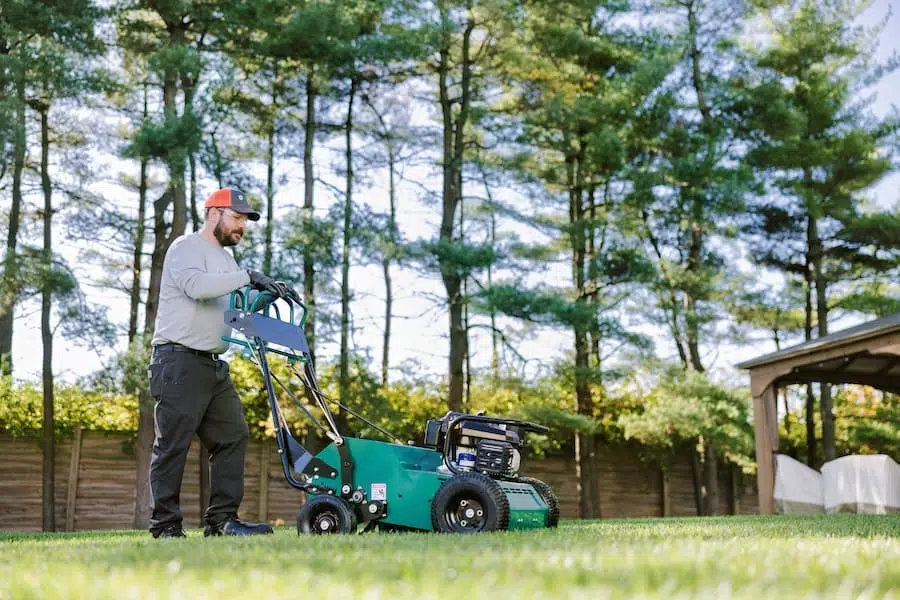
Aeration can also help salt damaged lawns by improving water penetration and encouraging deeper root growth. Lawn Squad offers aeration as part of our ELITE program during summer rounds, and as a standalone service for customers on other programs.
After flushing salts and aerating, proper fertilization helps grass recover. Avoid high nitrogen fertilizers immediately after salt damage, as they can stress the plant further. A root stimulant treatment helps rebuild the root system first.
Common Salt Related Mistakes Coastal Homeowners Make
After treating lawns across the Myrtle Beach area since 2001, we’ve seen these mistakes repeatedly.
Mistake #1: Planting the Wrong Grass Type Installing Centipedegrass or Fescue near the coast sets you up for years of frustration. These grasses will always struggle with salt exposure no matter how well you care for them.
Mistake #2: Ignoring Well Water Quality If you irrigate from a well, get your water tested for salt content. Many wells in Horry and Georgetown counties pull water that contains enough salt to damage sensitive plants over time.
Mistake #3: Overwatering Without Drainage Adding more water to a lawn with poor drainage just concentrates salts in the root zone. Fix drainage problems before increasing irrigation.
Mistake #4: Fertilizing Salt Stressed Grass When grass is already stressed from salt exposure, adding fertilizer pushes it to grow when it can’t support that growth. This makes the damage worse, not better.
Mistake #5: Waiting Too Long to Address Problems Salt damage is progressive. The longer you wait to address it, the more grass you’ll lose. Early intervention saves money and gets your lawn back on track faster.
Established Lawn vs. New Installation: Which Approach Should You Take?
Keeping your existing lawn makes sense if you have a salt tolerant grass type that’s struggling due to care issues rather than fundamental incompatibility. Adjusting your watering schedule, improving drainage, and following a proper treatment program can often turn things around. Best for: Homeowners with St. Augustine, Bermuda, or Zoysia lawns that have declined due to neglect or incorrect care.
Starting over with new sod makes sense if you have a salt sensitive grass type or if salt damage has killed more than 50% of your lawn. Replanting with a salt tolerant variety gives you a fresh start with grass suited to your property. Best for: Homeowners with Centipedegrass or Fescue near the coast, or any lawn with severe salt damage throughout.
Your Salt Tolerant Turf Selection Guide at a Glance
Grass Types by Salt Tolerance
| Grass Type | Salt Tolerance | Sun Needs | Traffic Tolerance | Best Use |
|---|---|---|---|---|
| Seashore Paspalum | Excellent | Full sun | Moderate | Oceanfront properties |
| St. Augustinegrass | Very good | Sun to part shade | Low to moderate | Most coastal properties |
| Bermudagrass | Good | Full sun only | High | Sunny yards, high traffic areas |
| Zoysiagrass | Moderate | Sun to part shade | High | Properties 1+ miles from ocean |
| Centipedegrass | Poor | Sun to part shade | Low | Inland properties only |
| Fescue | Poor | Part shade | Moderate | Not recommended for coastal SC |
Signs of Salt Damage vs. Other Problems
| Symptom | Salt Damage | Drought Stress | Disease | Insect Damage |
|---|---|---|---|---|
| Brown leaf tips | Yes | Yes | Sometimes | No |
| Pattern of damage | Near ocean or irrigation | Throughout lawn | Circular patches | Irregular patches |
| Response to water | Slow improvement | Quick improvement | May worsen | No change |
| Timing | After storms or dry spells | During hot, dry periods | Humid conditions | Seasonal |
The Bottom Line
Choosing the right grass type for your coastal South Carolina property is the foundation of a successful lawn. No amount of fertilizer, weed control, or watering will overcome a fundamental mismatch between your grass type and your growing conditions.
Key principles to remember:
- St. Augustinegrass and Bermudagrass are the best choices for most Myrtle Beach area properties
- The closer you are to the ocean, the more salt tolerance matters
- Well water can contain hidden salts that damage lawns over time
- Centipedegrass and Fescue are poor choices anywhere near the coast
- Salt damage is treatable if caught early, but prevention is better than cure
Choose your grass wisely, care for it properly, and your coastal lawn can thrive year round.
Let Lawn Squad Handle It For You
Every property along the Grand Strand faces different levels of salt exposure. Your distance from the ocean, your irrigation source, your soil drainage, and your grass type all affect what your lawn needs to stay healthy.
Lawn Squad of Myrtle Beach has treated lawns across Conway, North Myrtle Beach, Little River, Longs, Loris, Georgetown, Murrels Inlet, and Pawleys Island since 2001. We understand the unique challenges coastal South Carolina lawns face.
Our lawn care programs include:
- Treatments timed for warm season grasses common to the Myrtle Beach area
- Surface insect control to protect against chinch bugs in St. Augustine lawns
- Disease control for gray leaf spot and other coastal lawn diseases
- Soil testing to identify pH and nutrient issues
- Aeration to improve water penetration and root development
- Unlimited service calls if problems develop between visits
Not sure if your lawn’s problems are salt related or something else? We can evaluate your property and recommend the right approach, whether that’s adjusting your current care program or considering other options.
Contact Lawn Squad of Myrtle Beach today at (843) 896-0806 or visit lawnsquad.com/contact-us to get a free quote and find out what your coastal lawn really needs.