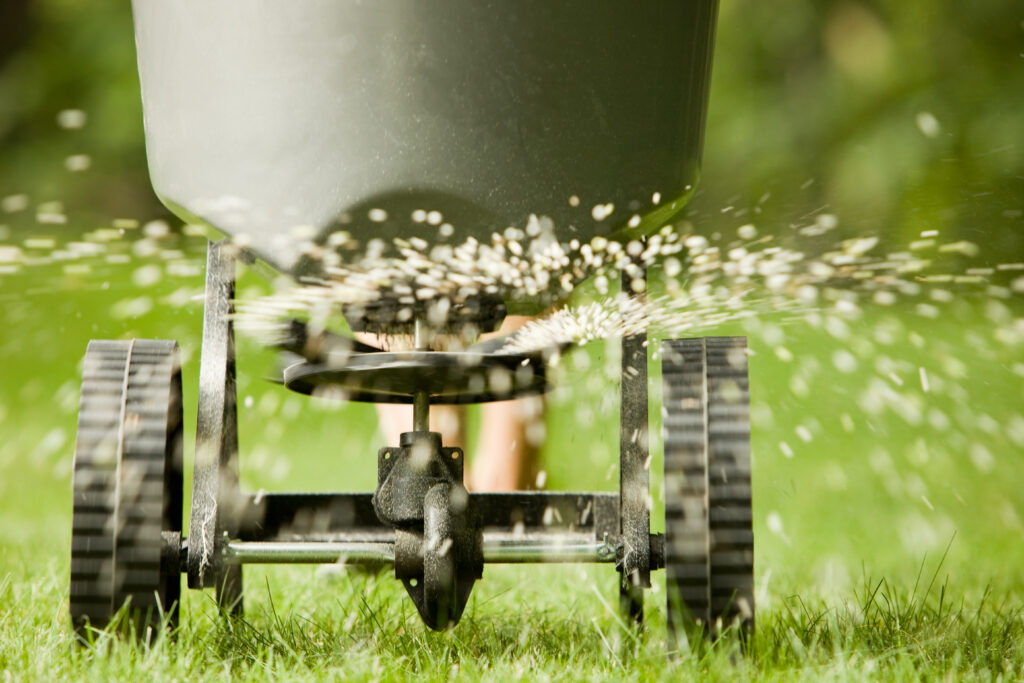
If you live anywhere between Fall River and Plymouth, you already know Southeastern Massachusetts soil has a personality. A stubborn one. Between the clay-heavy pockets near the coast, the decades of foot traffic, lawn mowers, and the freeze-thaw cycle New England puts your yard through every winter, your soil gets packed down tighter than a Thanksgiving parking lot in Fall River.
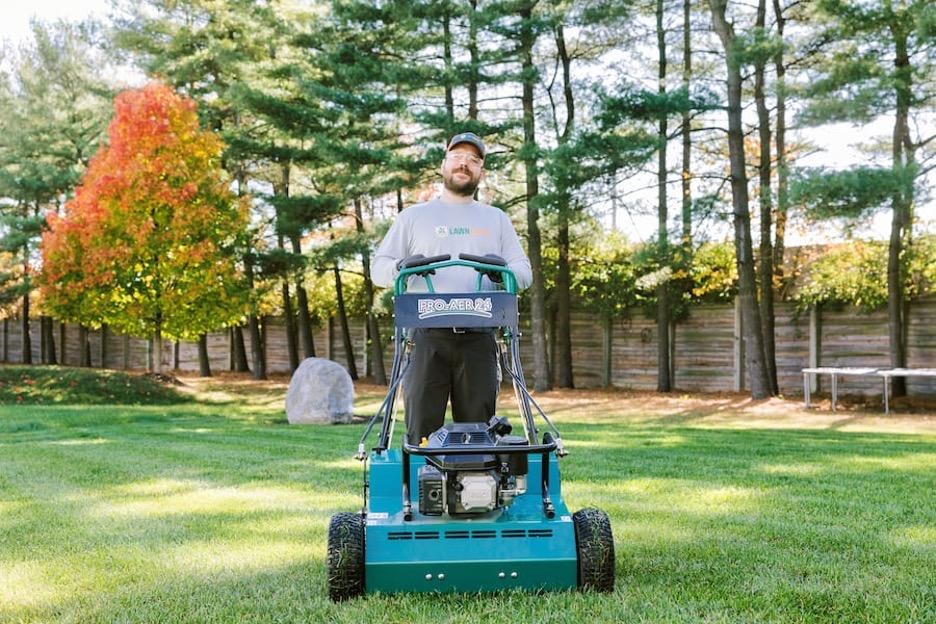
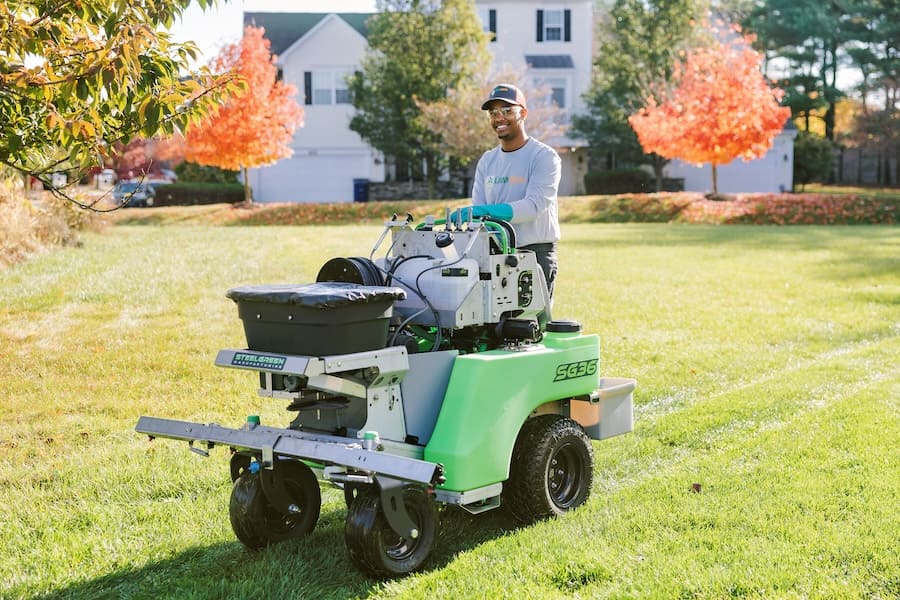
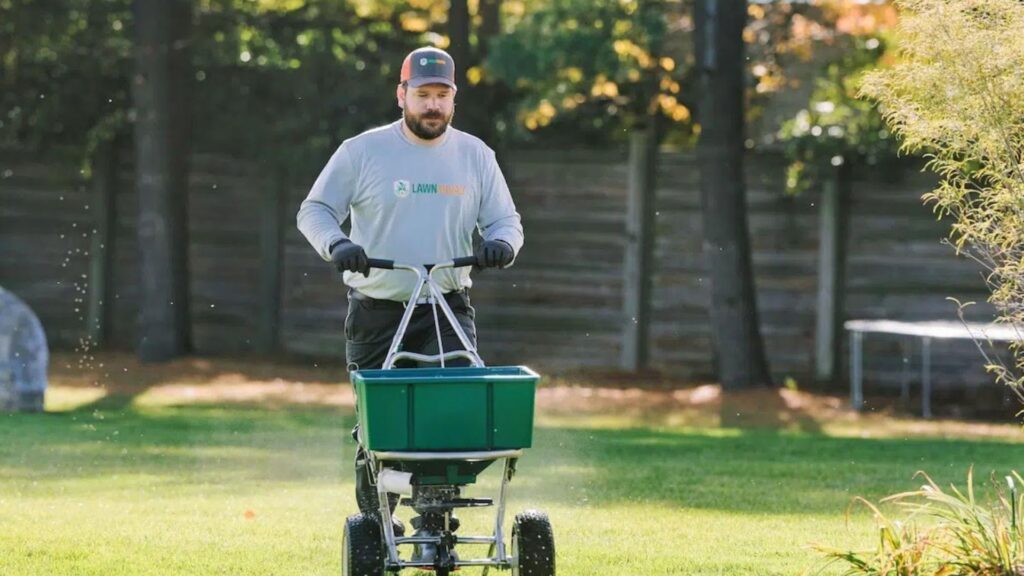
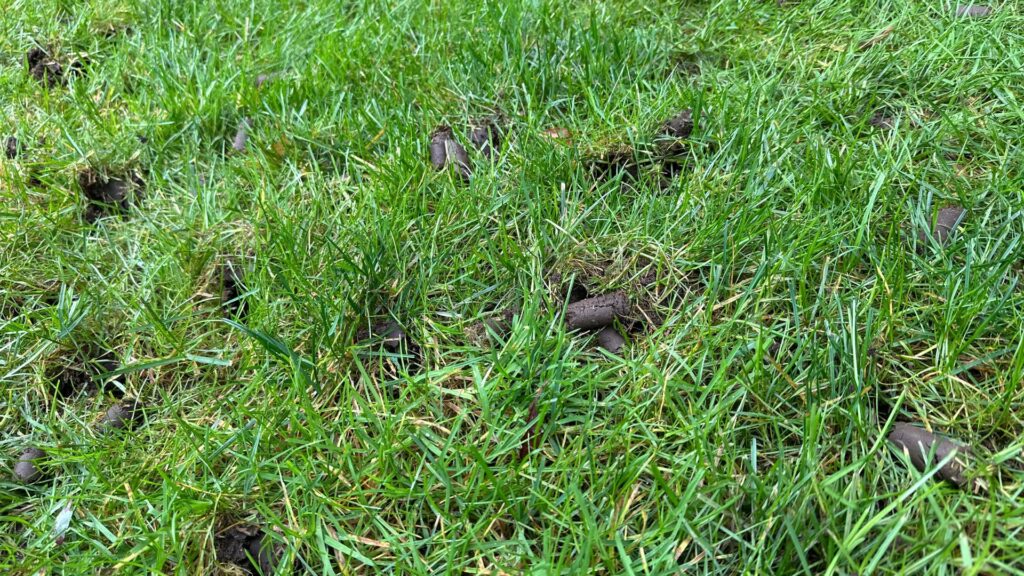
That’s where core aeration comes in. It’s not glamorous but it is important. A machine (directed by a Lawn Squad technician) walks around your yard pulling little plugs of soil out of the ground. This might be the single most underrated thing you can do for your lawn. So instead of just telling you, “aeration is good, trust us,” we’re going to break down exactly why, using the letters in CORE AERATION itself…
C – Compaction Gets Crushed
Every time someone parks in the yard, the dog does laps along the fence line, or the kids run bases in the backyard, your soil gets a little denser. Compacted soil is basically concrete with a green rug on top. Roots can’t push through it, water pools on it, and your grass just kind of… gives up. Aeration physically pulls plugs of soil out, loosening things up so your lawn has room to breathe and grow again.
O – Oxygen Reaches the Roots
Believe it or not, grass roots need to breathe. Sounds odd for something rooted in dirt, but it’s true, and in compacted soil, oxygen basically stops an inch or two down. Below that, roots are gasping. Growth stalls. The lawn just sort of stagnates instead of thriving. Aerating punches actual air channels into the ground so oxygen can get where it needs to go instead of stopping at the surface.
R – Root Systems Grow Deeper
Here’s the thing about shallow roots: they’re fine right up until they’re not. A lawn running on an inch of root depth looks okay in June, then falls apart the first week August humidity flips into a dry stretch. We see it every year. Loosen that soil up with aeration, though, and roots have somewhere to go (down, not just sideways) which is what gets you a lawn that shrugs off dry spells instead of browning out.
E – Excess Thatch Breaks Down Faster
Thatch is that spongy layer of dead grass and roots sitting between your soil and your living grass and it builds up over time and can choke out a lawn if it gets too thick. Aeration helps speed up its breakdown by getting soil microbes and organic matter mixing again, instead of leaving that thatch layer sealed off like bad insulation.
A – Absorption of Water and Nutrients Improves
Ever water your lawn and watch half of it just run off into the driveway? That’s compacted soil telling you it’s not accepting deliveries. Aerated soil lets water, fertilizer, and nutrients soak down to the root zone instead of sitting on the surface or washing away, which, frankly, makes every other lawn treatment you invest in work harder for you.

E – Eliminates Puddling and Drainage Headaches
Anyone with a low spot in the yard knows the drill … A good Nor’easter rolls through and suddenly you’ve got a small pond where your lawn used to be. Clay-heavy soil is especially bad about this; it just doesn’t want to let water pass through. Aerating gives that water an actual place to go besides sitting on top for three days breeding mosquitoes.
R – Resists New England’s Weather Mood Swings
Our region doesn’t do “mild.” We go from ice and snow cover to humid, sticky summers, sometimes within a matter of weeks. A lawn with a strong, deep root system (thanks to regular aeration) handles those swings far better than one clinging to the surface with shallow roots.
A – Access for Seed and Fertilizer
This one’s the whole ballgame if you’re overseeding, which, if we’re being honest, most SE Mass lawns need every single fall. Seed can’t just land on hardpan dirt and figure it out on its own. It needs actual soil contact to germinate, and a lawn full of thatch or compaction gives it nothing to grab onto. Those little plugs aeration leaves behind? That’s exactly where seed and fertilizer want to be.

T – Thicker Turf, Full Stop
Put all the above together; better oxygen, better root depth, better water absorption, better seed contact and the result is a noticeably thicker lawn. Thicker turf also does you a favor by crowding out crabgrass and other weeds before they get a foothold.
I – Improves Overall Lawn Health Long-Term
Aeration isn’t a one-and-done miracle fix, it’s more like a yearly checkup that keeps compounding in your favor. Lawns that get aerated consistently tend to need less water, bounce back from stress faster, and hold their color longer into the fall than lawns that never get the treatment.
O – Overseeding Actually Works
Pairing aeration with overseeding (which is exactly what our VitaminLawn ELITE plan does) gives new grass seed the best possible shot at survival. Skip the aeration step and a lot of that seed just sits on the surface, gets eaten by birds, or dries out before it ever germinates.
N – New England Soil Gets a Reset
Think of it this way; your lawn takes a beating all year. Foot traffic, mowers, downpours, plus whatever brutal freeze-thaw cycle New England decides to throw at it come January. Aeration is basically the reset button after all of that. It’s not magic; it’s just giving tired soil a chance to loosen up and try again.

So, Is Core Aeration Worth It for Your SE Mass Lawn?
If your lawn feels spongy in some spots, hard as a sidewalk in others, or just hasn’t looked as thick as it used to, compaction is probably the quiet culprit. Fall is prime aeration season here in Southeastern Massachusetts, since cooler temps and fall rain give newly loosened soil and overseeded grass the best chance to establish before winter hits.
Core Aeration comes standard with our ELITE VitaminLawn plan, and we pair it with overseeding and seed enhancement, since that combo just gets the best results. However, you can also tack it on to any of our other plans. Somewhere between Abington and New Bedford, Plymouth and Taunton? We’re probably already in your neighborhood.
Give your lawn some room to breathe. Grab a free quote from Lawn Squad of Southeastern Massachusetts, or just call us at 774-295-1455.