The short answer: The best time to overseed Northern Kentucky lawns is mid September through early October when soil temperatures stay between 50 and 65 degrees. Success requires core aeration before seeding, proper seed to soil contact, consistent moisture for two to three weeks, and avoiding pre-emergent herbicides that prevent germination.
Most Northern Kentucky homeowners get the best overseeding results by combining aeration with seeding in a single service. The aeration holes create perfect pockets for seed germination while relieving soil compaction from summer stress.
Quick overview:
- Optimal timing: Mid September through early October in Kenton, Boone, Campbell, and Grant counties
- Must have preparation: Core aeration immediately before seeding for best seed to soil contact
- Critical requirement: Consistent moisture for 14 to 21 days after seeding without overwatering
- Important warning: Spring pre-emergent herbicides prevent grass seed germination, so timing and product selection matter
Keep reading to learn exactly how to overseed your Northern Kentucky lawn this fall and avoid the mistakes that waste seed and money.products work best, and how to avoid the mistakes that ruin Cincinnati lawns every year.
The Complete Overseeding Approach: Our Aeration and Seeding Program
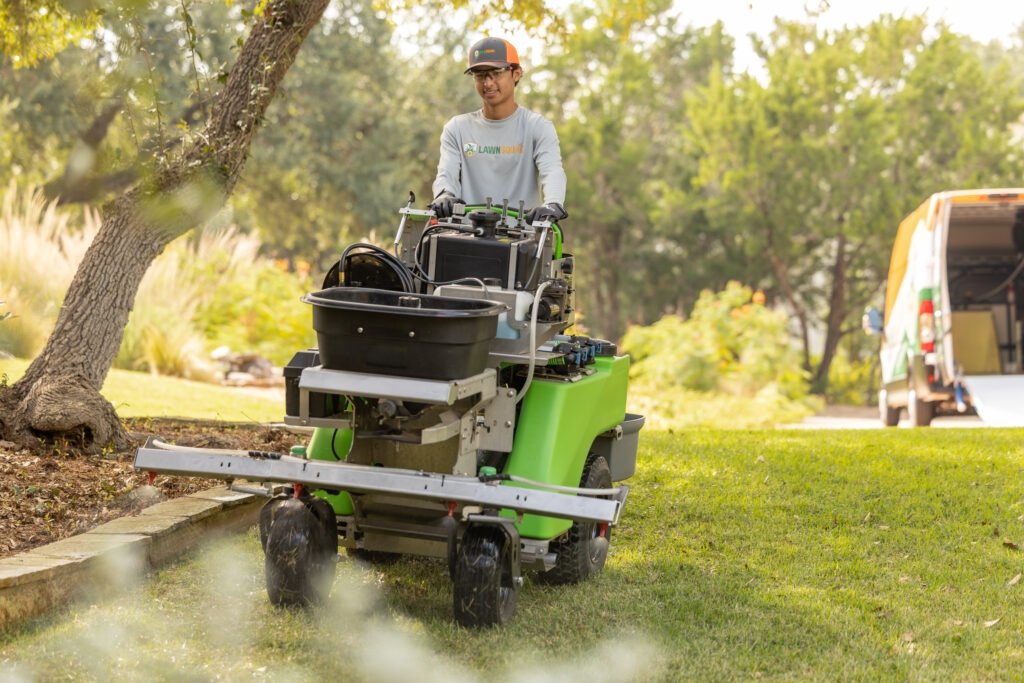
At Lawn Squad of Cincinnati and Northern Kentucky, we pair overseeding with core aeration in our fall programs because this combination produces dramatically better results than seeding alone. The ELITE program includes aeration in Rounds 5 and 6, timed perfectly for fall overseeding.
Our approach addresses the specific challenges lawns face in Kenton, Boone, Campbell, and Grant counties. The clay soils common throughout Northern Kentucky compact severely during summer, making it difficult for new seed to establish without aeration. Our humid climate also creates disease pressure that affects seedling survival.
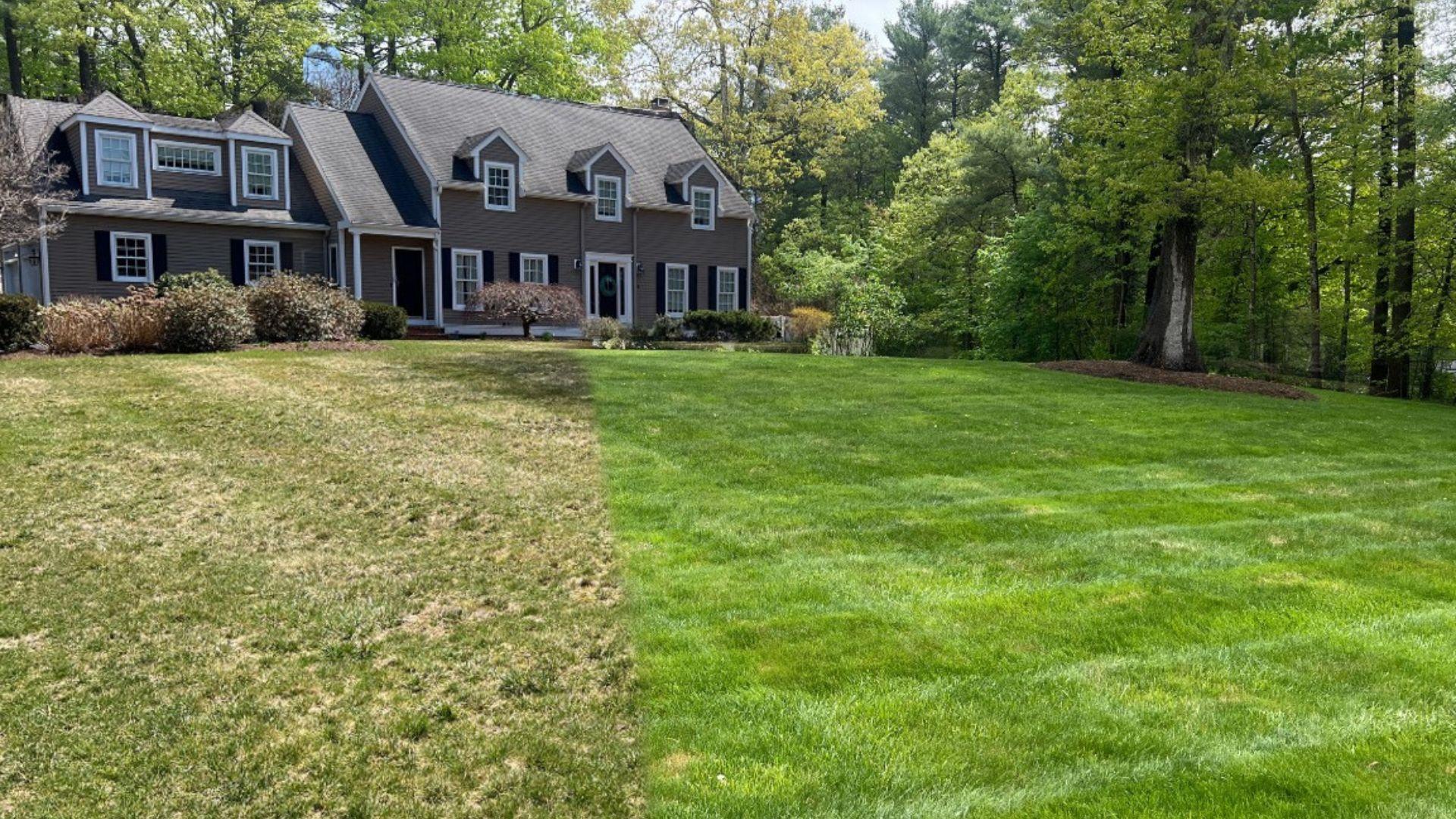
Whether you overseed yourself or hire professionals, understanding the process helps you make better decisions. Fall overseeding is one of the most effective ways to thicken a thin lawn, repair summer damage, and crowd out weeds before they take over next spring.
Why Fall Overseeding Matters More Than Most Northern Kentucky Homeowners Realize
Thin lawns do more than look bad. They invite problems that become expensive to fix.
Every bare spot in your lawn is an open invitation for weeds. Crabgrass seeds lie dormant in soil waiting for space to grow. Dandelions, clover, and other broadleaf weeds establish easily where grass is thin. A thick lawn crowds out weeds naturally by competing for sunlight, water, and nutrients.
Here is the key principle every Northern Kentucky homeowner needs to understand: cool season grasses like Kentucky bluegrass, tall fescue, and perennial ryegrass germinate best when soil temperatures range from 50 to 65 degrees and air temperatures stay between 60 and 75 degrees. In our region, these conditions occur reliably from mid September through early October.
Spring overseeding is possible but far less successful. Rising temperatures stress new seedlings before they establish deep roots. Pre-emergent crabgrass control, which most lawns need in spring, prevents grass seed from germinating just like it prevents crabgrass. Fall avoids both problems.
The lawns that look best in Northern Kentucky neighborhoods were overseeded at some point. Grass naturally thins over time from traffic, disease, insects, drought, and normal aging. Regular overseeding maintains density that keeps lawns healthy and weed free.
Professional Overseeding for Northern Kentucky Lawns
Professional overseeding combines multiple services for maximum results. Here is what a complete fall renovation looks like.
Step 1: Lawn Assessment and Timing (Late August through Early September)
Before overseeding, we evaluate your lawn’s current condition. How thin is the turf? Are there bare spots from grub damage, disease, or drought? What grass types currently grow in your lawn?
Timing depends on weather patterns. We target mid September through early October for Northern Kentucky, but exact dates vary by year. Soil temperature matters more than calendar date. We begin when soil temperatures drop below 70 degrees and complete seeding before they fall below 50 degrees.
The assessment also identifies any obstacles to successful germination. Heavy thatch layers prevent seed from reaching soil. Severe compaction limits root development. Active fungal disease can kill new seedlings. We address these issues before or during the overseeding process.
Step 2: Core Aeration (Immediately Before Seeding)
Core aeration is the single most important factor in overseeding success. The aerator removes small plugs of soil across your lawn, creating thousands of holes that become perfect germination chambers for grass seed.
Seeds that fall into aeration holes have direct soil contact, protection from birds and wind, and consistent moisture as water collects in the holes. Germination rates in aeration holes can be three to four times higher than seed broadcast on the surface.
Aeration also addresses the compaction that developed during summer. Northern Kentucky’s clay soils pack down severely during drought, blocking water, air, and nutrients from reaching roots. Fall aeration opens the soil so new seedlings can establish deep root systems before winter.
Lawn Squad includes core aeration in the ELITE program’s Rounds 5 and 6, scheduled for mid August and late September. This timing aligns perfectly with fall overseeding windows.
Step 3: Seed Selection and Application
Seed quality matters tremendously. Professional grade seed contains higher percentages of pure seed with fewer weed seeds and inert material than economy seed from hardware stores.
For Northern Kentucky lawns, we typically recommend tall fescue blends or Kentucky bluegrass and perennial ryegrass mixes depending on sun exposure and intended use. Tall fescue handles heat and drought better. Kentucky bluegrass spreads to fill gaps but needs more water. Perennial ryegrass germinates fastest but is less heat tolerant.
Application rates for overseeding typically range from three to five pounds per thousand square feet for tall fescue and two to three pounds for Kentucky bluegrass mixes. Heavier rates apply to thin lawns or bare areas.
We apply seed with calibrated spreaders that ensure even coverage. Uneven application creates patchy results with thick spots and thin spots.
Step 4: Seed Enhancement and Starter Fertilizer
Professional overseeding often includes seed enhancement treatments that improve germination rates. These coatings help seeds retain moisture and may include fungicides that protect young seedlings from disease.
Starter fertilizer provides phosphorus that new grass needs for root development. Established lawns rarely need phosphorus, but new seedlings cannot develop strong roots without it. The fertilizer application is timed so nutrients are available when seeds germinate.
Lawn Squad offers seed enhancement as an add on service for customers who want maximum germination success, especially in challenging areas.
Step 5: Post Seeding Care Instructions
After professional overseeding, we provide specific watering instructions based on your lawn’s conditions. The general rule is keeping the seed moist but not waterlogged for 14 to 21 days.
We also advise on mowing timing. New seedlings need to reach three to four inches before the first mow, and that first cut should remove no more than one third of the blade height. Mowing too soon or too aggressively damages tender new grass.
Critical warning: Do not apply weed control products for at least 60 days after overseeding. Broadleaf herbicides can damage young grass plants. Pre-emergent herbicides prevent germination entirely. We adjust your lawn care program to protect new seedlings while still controlling weeds in established areas.
Lawn Squad coordinates overseeding with your ongoing lawn care program so treatments work together rather than against each other.
DIY Overseeding for Northern Kentucky Lawns
If you prefer overseeding yourself, here is how to get professional quality results in Kenton, Boone, Campbell, and Grant counties.
Step 1: Choose Your Timing Carefully
Target mid September through early October for Northern Kentucky. Watch weather forecasts for a stretch of moderate temperatures with some expected rainfall.
Avoid overseeding during heat waves, even in September. Soil temperatures above 70 degrees reduce germination rates significantly. Wait for cooler conditions if an unusual warm spell arrives.
Also avoid seeding too late. Grass seed needs six to eight weeks of growing conditions before the first hard frost to establish roots strong enough to survive winter. In Northern Kentucky, this means completing seeding by mid October at the latest.
Check the calendar against any pre-emergent herbicide you applied in spring. Most pre-emergent products remain active for three to four months. If you applied pre-emergent in late April or May, the residual may still prevent germination in September. Products applied in March typically break down by fall seeding time.
Step 2: Rent or Hire Core Aeration
Do not skip aeration. Overseeding without aeration cuts your success rate dramatically, especially in Northern Kentucky’s compacted clay soils.
You can rent a core aerator from equipment rental stores for around $75 to $100 per day. The machine is heavy and requires physical effort to operate, but one person can aerate an average lawn in two to three hours.
Make at least two passes over your lawn in different directions. More passes mean more holes, which means more places for seed to germinate. Water your lawn the day before aeration so the tines penetrate effectively but soil is not muddy.
Leave the soil plugs on the surface. They break down within a few weeks, returning nutrients to the soil. Raking them up wastes the organic material and creates unnecessary work.
If the physical demands of aeration are too much, hiring a professional for aeration only while doing the seeding yourself is a reasonable compromise. Lawn Squad offers standalone aeration services.
Step 3: Select Quality Seed
Buy the best seed you can afford. Check the label for the analysis tag that shows pure seed percentage, germination rate, weed seed content, and other crop seed content.
Look for pure seed percentage above 85 percent and germination rates above 80 percent. Weed seed should be below 0.5 percent. Other crop content should be minimal.
For Northern Kentucky lawns in full sun, tall fescue blends perform best. They handle summer heat, tolerate drought once established, and resist most diseases common to our region.
For lawns with significant shade, look for mixes containing fine fescue varieties along with tall fescue. Kentucky bluegrass struggles in heavy shade.
For high traffic areas, perennial ryegrass mixes establish quickly and tolerate wear, but they may thin during hot summers and need periodic overseeding.
Calculate your lawn’s square footage and buy enough seed for the recommended rate. For overseeding existing lawns, use three to five pounds of tall fescue per thousand square feet. Use higher rates for thin lawns and lower rates for lawns that just need thickening.
Step 4: Prepare the Surface
Mow your existing lawn shorter than normal before overseeding, around two to two and a half inches. This allows seed to reach the soil rather than sitting on top of grass blades.
Bag the clippings for this mowing to remove debris that could block seed from contacting soil.
If your lawn has heavy thatch, more than half an inch of spongy material between grass blades and soil, consider renting a dethatcher or power rake. Thatch prevents seed from reaching soil and holds moisture at the surface where it promotes disease rather than germination.
Rake any leaves or debris from the lawn surface. Seed trapped under leaves will not germinate properly.
Step 5: Apply Seed and Starter Fertilizer
Use a broadcast spreader for even seed distribution. Apply half the seed walking in one direction, then apply the remaining half walking perpendicular to your first pass. This crosshatch pattern prevents stripes and missed areas.
After seeding, apply a starter fertilizer designed for new grass. These fertilizers contain higher phosphorus than regular lawn fertilizers. Follow label rates carefully because over fertilizing can burn new seedlings.
Lightly rake the seeded area to improve seed to soil contact if you did not aerate, or if seed landed on surface areas between aeration holes. Dragging a leaf rake upside down works well for this.
Caution: Watering New Seed
Watering correctly is the difference between overseeding success and failure. New grass seed needs consistent moisture but not standing water.
Water lightly two to three times daily for the first 10 to 14 days. Each watering should moisten the top inch of soil without creating puddles or runoff. Early morning, midday, and late afternoon applications work well.
Avoid evening watering that leaves grass wet overnight. This promotes fungal disease that kills seedlings.
After seedlings emerge and reach about one inch tall, reduce watering frequency but increase duration. Water once daily for another week, applying enough to moisten the top two inches of soil.
Once grass reaches two inches, transition to normal deep watering once or twice weekly. This encourages roots to grow downward seeking moisture.
Step 6: First Mowing and Ongoing Care
Wait until new grass reaches three and a half to four inches before the first mowing. This allows seedlings to develop enough leaf surface for photosynthesis and enough root mass to anchor themselves.
Set your mower at three inches for the first cut, removing no more than one inch. Use a sharp blade to cut cleanly rather than tearing tender new grass.
Avoid heavy traffic on newly seeded areas for at least six weeks. New roots cannot withstand the stress of compaction or tearing.
Do not apply broadleaf weed control for at least 60 days after germination. Young grass plants are vulnerable to herbicide damage. Hand pull any weeds that appear rather than spraying.
If you use a lawn care program, inform your provider that you overseeded so they can adjust fall treatments accordingly.
How to Calculate Seed Amounts for Your Northern Kentucky Lawn
Buying the right amount of seed prevents waste and ensures complete coverage.
Step by step process:
- Measure the length and width of lawn areas to be overseeded
- Multiply length times width for each section
- Add all sections together for total square footage
- Multiply by the recommended seeding rate
For example, if you are overseeding a 4,000 square foot lawn with tall fescue at four pounds per thousand square feet, you need 16 pounds of seed. Buy a 20 pound bag to have some extra for any missed spots.
For bare soil renovation rather than overseeding existing grass, double the seeding rate. Bare areas need six to eight pounds of tall fescue per thousand square feet for proper coverage.
What About Spring Overseeding?
Spring overseeding is possible but far less reliable than fall overseeding. Several factors work against spring success.
Pre-emergent herbicides that prevent crabgrass also prevent grass seed germination. You must choose between crabgrass control and overseeding, and skipping pre-emergent in spring often leads to serious crabgrass problems by summer.
Rising temperatures stress new seedlings before they develop deep roots. Grass that germinates in April faces 90 degree heat by July with only a shallow root system. Many spring seedlings die during their first summer.
Spring also brings more disease pressure. Fungal problems like brown patch attack tender new grass during warm, humid weather.
If you must overseed in spring, Lawn Squad advises customers about the pre-emergent conflict. We can adjust treatment timing or skip pre-emergent on overseeded areas while still protecting the rest of the lawn.
However, fall remains the clear best choice for overseeding Northern Kentucky lawns. The ELITE program’s Round 5 aeration in mid August and Round 6 aeration in late September align perfectly with fall overseeding for this reason.
Common Overseeding Mistakes Northern Kentucky Homeowners Make
After serving thousands of customers across Greater Cincinnati and Northern Kentucky since 2001, we see the same overseeding failures every year.
Mistake 1: Skipping Aeration
Broadcasting seed on compacted clay soil results in minimal germination. The seed cannot penetrate hard soil surfaces. Birds and wind remove exposed seed. Aeration creates the holes seed needs to establish successfully.
Mistake 2: Overseeding After Spring Pre-Emergent
Pre-emergent herbicides prevent all seed germination, including grass seed. If you applied pre-emergent in spring and try to overseed in early fall, residual product may still be active. Wait until late September or early October when most spring pre-emergent has broken down.
Mistake 3: Inconsistent Watering
Grass seed that dries out after germination begins dies. Seeds that never stay moist long enough never germinate. Either failure wastes your seed investment. Commit to consistent light watering for two to three weeks, or install temporary irrigation for seeded areas.
Mistake 4: Seeding Too Late
Grass seed that germinates in late October does not develop enough root mass to survive winter. Plan overseeding for mid September to allow six to eight weeks of growth before hard frost. In Northern Kentucky, this means completing seeding no later than mid October.
Mistake 5: Using Cheap Seed
Economy seed contains lower germination rates, more weed seeds, and more filler material. You pay less per bag but need more seed to get the same results. Worse, you may introduce new weeds to your lawn. Quality seed costs more upfront but produces better results.
Professional Overseeding vs. DIY: Which Should You Choose?
Professional overseeding provides expert timing, commercial grade seed, proper equipment, and coordination with your lawn care program. Aeration plus overseeding is handled in one visit with calibrated application rates. The cost is higher, but results are more consistent.
Best for: Homeowners without equipment or physical ability for aeration, those who want guaranteed results, and anyone with significant lawn damage that needs professional renovation.
DIY overseeding costs less if you already have a spreader and are willing to rent an aerator. You control timing and seed selection. However, success depends entirely on your execution and commitment to watering.
Best for: Homeowners comfortable with equipment operation, those with time for daily watering, and anyone with smaller areas that just need thickening rather than full renovation.
Your Northern Kentucky Fall Overseeding Calendar at a Glance
Preparation Phase (Late August through Early September)
| When | What to Do | Why It Matters |
|---|---|---|
| Late August | Assess lawn condition and identify problem areas | Determines seed rates and any extra preparation needed |
| Late August | Check pre-emergent application date from spring | Ensures residual product has broken down |
| Early September | Lower mowing height to 2.5 inches and bag clippings | Allows seed to reach soil surface |
| Early September | Purchase quality seed and starter fertilizer | Ensures you have materials ready when conditions are right |
Seeding Phase (Mid September through Early October)
| When | What to Do | Why It Matters |
|---|---|---|
| Mid September | Core aerate lawn making two passes | Creates seed germination pockets in soil |
| Mid September | Apply seed at 3 to 5 pounds per 1,000 square feet | Fills thin areas and aeration holes |
| Mid September | Apply starter fertilizer | Provides phosphorus for root development |
| Mid September to early October | Water lightly 2 to 3 times daily | Keeps seed moist for germination |
Establishment Phase (October through November)
| When | What to Do | Why It Matters |
|---|---|---|
| 2 weeks after seeding | Reduce watering to once daily | Encourages roots to grow deeper |
| 3 weeks after seeding | Transition to normal deep watering | Establishes mature watering pattern |
| When grass reaches 4 inches | First mowing at 3 inch height | Encourages tillering and thickening |
| 60 days after germination | Resume normal weed control if needed | Protects young grass from herbicide damage |
The Bottom Line
The best early fall overseeding results for Northern Kentucky lawns come from proper timing in mid September through early October, core aeration immediately before seeding, quality seed applied at correct rates, starter fertilizer for root development, and consistent moisture for two to three weeks after seeding.
Key principles to remember:
- Fall overseeding dramatically outperforms spring overseeding in our region
- Core aeration before seeding increases germination rates three to four times
- Quality seed with high germination rates costs more but delivers better results
- Consistent light watering for 14 to 21 days is essential for germination
- Pre-emergent herbicides from spring may still prevent germination in early fall
- New grass needs 60 days before herbicide applications
Following these principles transforms thin, weedy lawns into thick turf that crowds out problems naturally and looks great year round.

Let Lawn Squad Handle It For You
Every lawn in Northern Kentucky presents different challenges. Soil compaction varies by neighborhood. Shade patterns affect grass variety selection. Previous lawn care history influences what treatments are safe after seeding.
Our lawn care programs account for all these variables. We coordinate aeration and overseeding with your ongoing treatments so everything works together for the best results.
The ELITE Program includes:
- Core aeration in Rounds 5 and 6 timed for fall overseeding
- Treatment timing adjusted to protect new seedlings
- Soil testing to identify nutrient needs
- Fertilizer applications that support establishment without burning new grass
- Unlimited service calls if you have questions during germination
Overseeding services include:
- Professional grade seed selected for Northern Kentucky conditions
- Calibrated application at proper rates
- Seed enhancement options for maximum germination
- Starter fertilizer application
- Detailed watering instructions for your specific lawn
Tired of bare spots that fill with weeds every spring? Frustrated with thin grass that never seems to thicken? Ready for a lawn that looks lush and healthy all season?
Contact Lawn Squad of Cincinnati and Northern Kentucky today at 513-817-4887 or visit lawnsquad.com/locations/cincinnati-northern-ky to schedule fall aeration and overseeding before the optimal window closes.