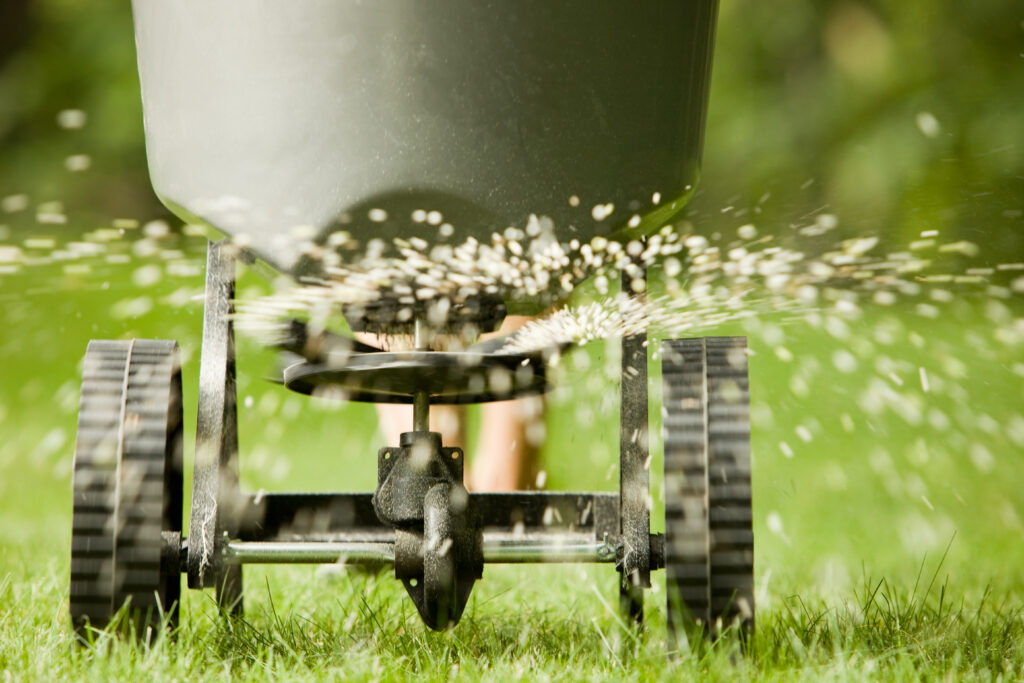
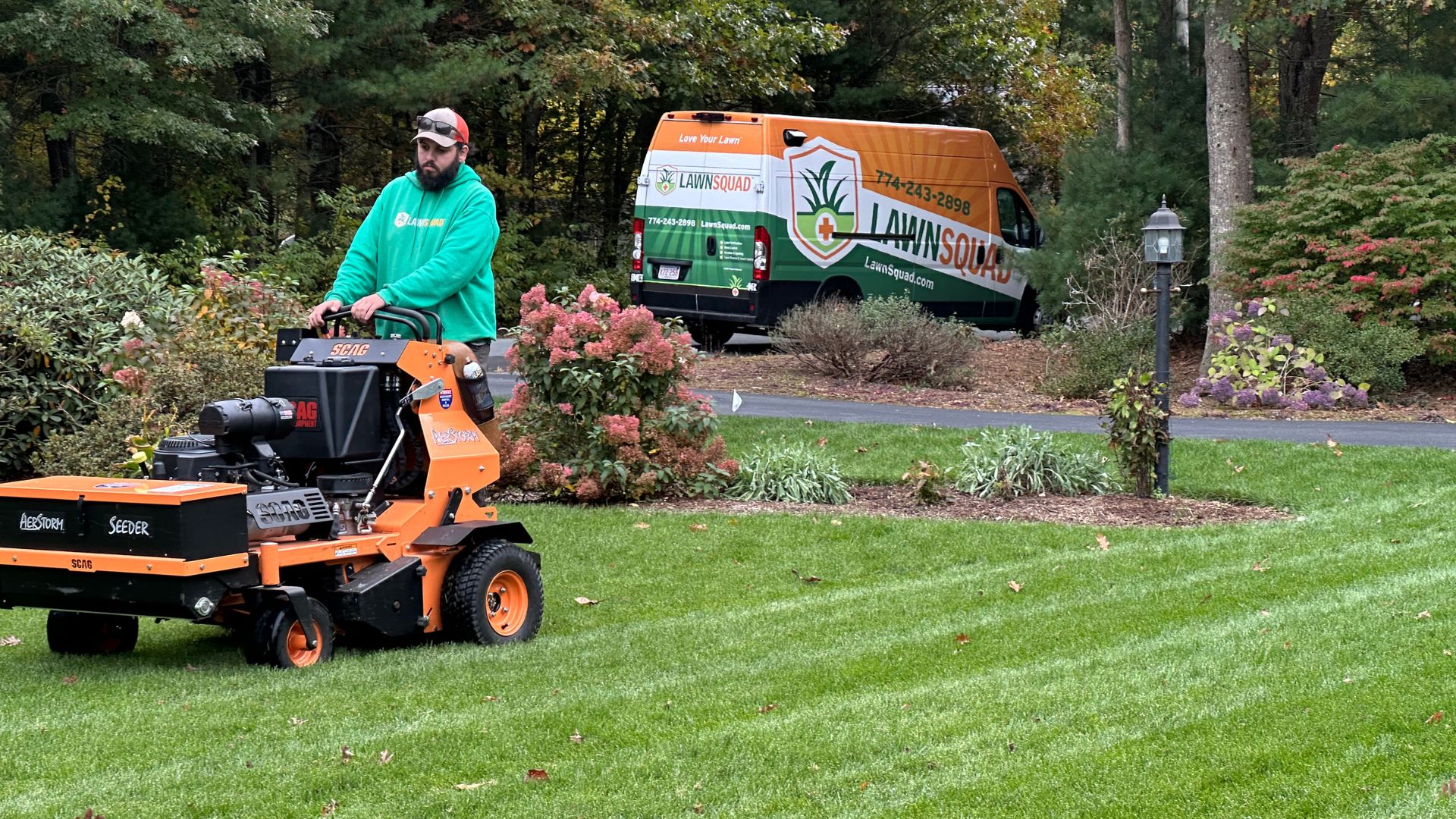
The short answer: The best aeration strategy for Atlanta lawns involves core aeration during your grass’s active growth period, typically late spring through early fall for warm season grasses. Most North Atlanta lawns benefit from multiple aerations per year due to our heavy clay soils.
Warm season grasses like Bermuda and Zoysia should be aerated from late April through September. Cool season grasses like Fescue do best with fall aeration in September or October.
Quick overview:
- Timing: Aerate during active growth when grass recovers fastest
- Frequency: Clay soils need aeration 2 to 4 times per year for best results
- Method: Core aeration removes soil plugs and works better than spike aeration
Understanding how aeration helps your specific soil type will help you decide when and how often to aerate for the healthiest lawn possible.
The Complete Aeration Approach: Our Multi-Round Program
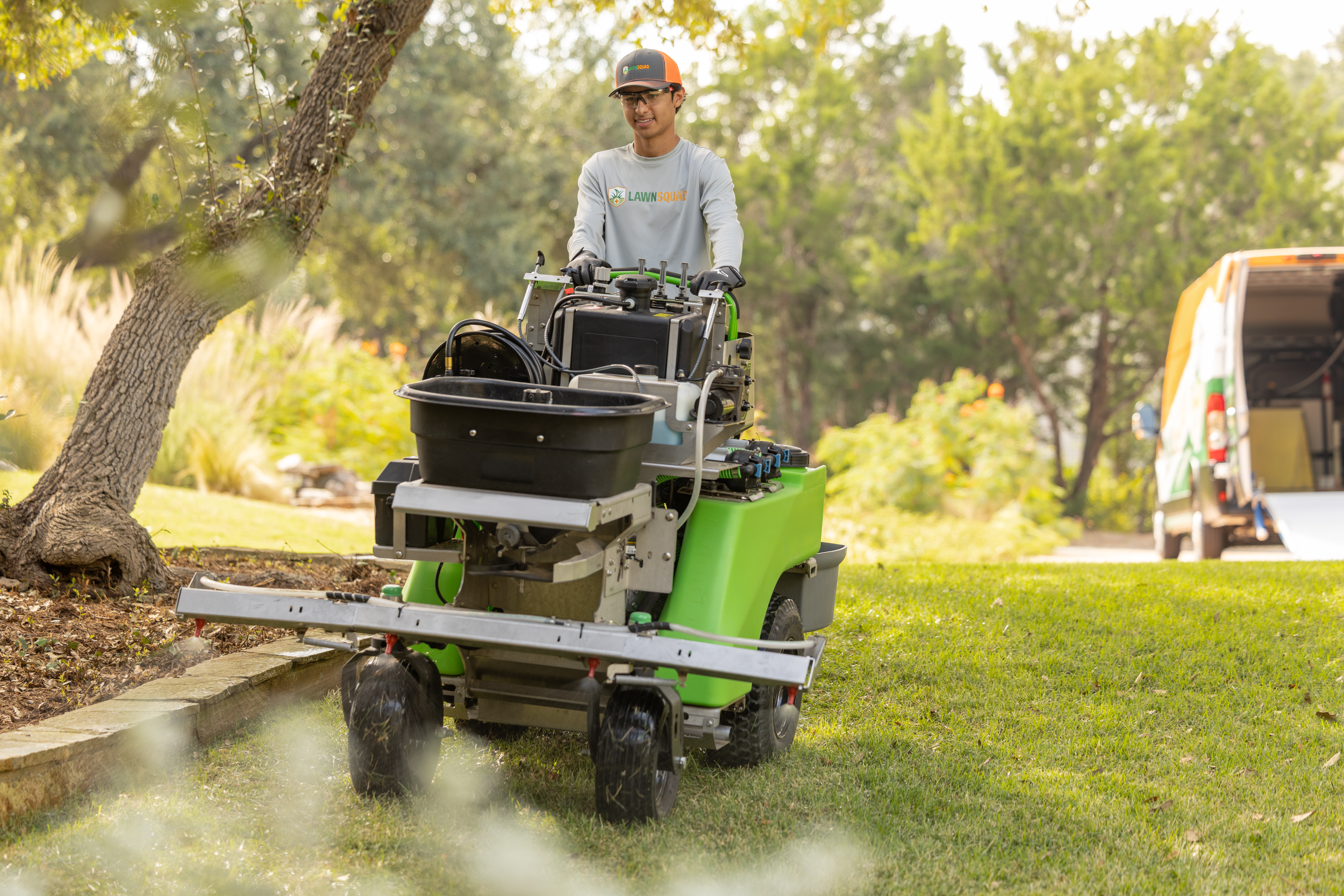
At Lawn Squad of North Atlanta, we include aeration in our ELITE program across multiple rounds because one annual aeration simply is not enough for our clay-heavy soils. Our schedule places aeration in Rounds 4, 5, 6, 7, and 8 to keep soil loose throughout the growing season.
This approach works for Atlanta homeowners because compaction happens continuously. Every time someone walks across the lawn, drives on it, or even when heavy rain pounds the soil, compaction increases. A single spring aeration cannot counteract months of compression.
Even if you handle your own lawn care, understanding why we aerate multiple times helps you plan a more effective schedule for your yard.
Why Aeration Matters More Than Most Atlanta Homeowners Realize
Atlanta sits on some of the heaviest clay soil in the Southeast. This red Georgia clay looks beautiful in pottery but creates serious problems for lawns. Clay particles pack together tightly, squeezing out the air and water that grass roots need to survive.
Compacted soil causes a chain reaction of lawn problems. Roots cannot grow deep, so grass stays shallow and weak. Water runs off instead of soaking in, leaving grass thirsty even after rain. Fertilizer sits on the surface instead of reaching roots. Thatch builds up because soil organisms cannot break it down without oxygen.
The result is a lawn that looks thin, turns brown during dry spells, and struggles to recover from any stress. Many homeowners blame their grass variety or watering schedule when compacted soil is the real problem.
After serving Alpharetta, Roswell, and Woodstock since 2001, we have learned that aeration makes a bigger difference in North Atlanta than almost any other service we offer.
Core Aeration Guide for North Atlanta Lawns
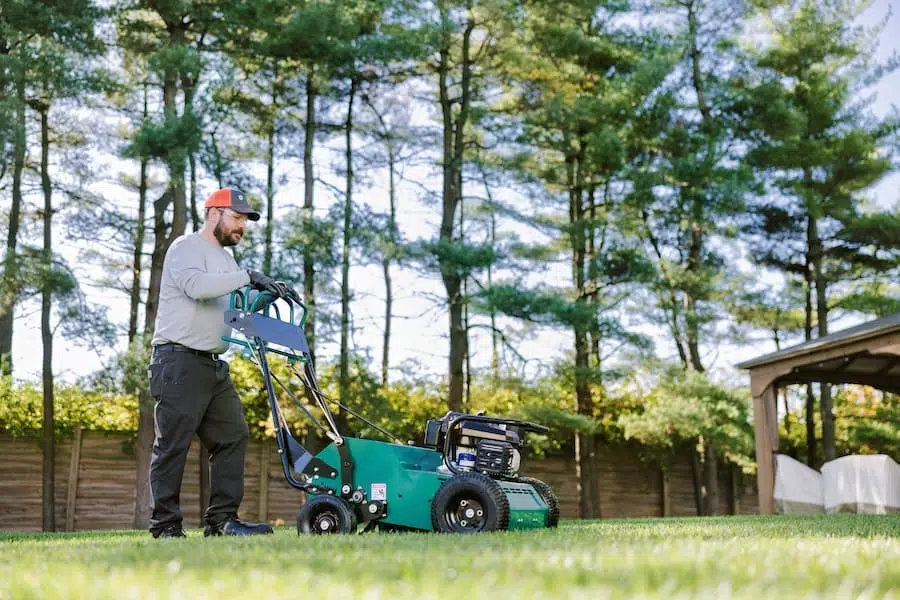
Core aeration is the gold standard for relieving soil compaction. This method removes small plugs of soil, creating channels for air, water, and nutrients to reach roots.
Step 1: Check Soil Moisture Before Aerating
Aerate when soil is moist but not soggy. Dry, hard soil prevents the aerator from penetrating deeply. Waterlogged soil smears instead of creating clean holes.
Water your lawn thoroughly 1 to 2 days before aerating if rain has not fallen recently. The soil should be moist 4 to 6 inches deep.
Why this matters: Aerating dry clay soil damages equipment and creates shallow holes that close up quickly. Proper moisture lets the machine pull full depth plugs that provide maximum benefit.
Step 2: Mark Obstacles and Irrigation Heads
Walk your lawn and mark sprinkler heads, shallow irrigation lines, cable TV lines, and any other buried obstacles. Use small flags or spray paint to make them visible.
Core aerators can damage irrigation systems and underground utilities. Taking 15 minutes to mark hazards prevents expensive repairs.
Step 3: Make Multiple Passes
For compacted Atlanta clay, make 2 to 3 passes over the entire lawn in different directions. This creates more holes and breaks up compaction more effectively than a single pass.
High traffic areas like paths between the driveway and front door may need 4 or more passes. These zones compact faster and need more aggressive treatment.
Step 4: Leave the Plugs on the Surface
The soil plugs pulled during aeration should stay on the lawn. They break down within 2 weeks, returning nutrients to the soil and helping beneficial microbes spread.
Raking up plugs removes valuable topsoil and defeats part of the purpose of aerating. The plugs look messy for a few days but disappear quickly.
Critical warning: Never aerate within 6 to 8 weeks of a pre-emergent herbicide application. Aeration breaks the chemical barrier that prevents weed seeds from germinating. Our treatment schedule accounts for this timing conflict automatically.
Lawn Squad coordinates aeration with pre-emergent applications so you get weed prevention and soil improvement without conflicts.
Liquid Aeration Guide for North Atlanta Lawns
Liquid aeration offers an alternative for lawns where core aeration is difficult or impossible. This method uses soil conditioners to loosen clay particles without mechanical equipment.
Step 1: Understand What Liquid Aeration Does
Liquid aeration products contain compounds that break the bonds between clay particles. This loosens soil over time, allowing better water and air penetration.
Liquid aeration works differently than core aeration. It improves soil structure gradually rather than creating immediate channels. Many lawns benefit from using both methods together.
Step 2: Apply During Active Growth
Apply liquid aeration when grass is actively growing and soil temperatures are above 50 degrees. The biological components in these products need warmth to work effectively.
For warm season grasses, apply from April through September. For cool season grasses, apply in spring or fall when growth is strongest.
Step 3: Water In Thoroughly
Liquid aeration products need water to carry them into the soil. Apply the product, then water the lawn with at least half an inch of irrigation.
Why this matters: The product cannot loosen soil if it stays on the surface. Thorough watering moves the active ingredients down to where compaction occurs.
When to Choose Liquid Over Core Aeration
Liquid aeration works well for lawns with extensive irrigation systems that would be damaged by core aeration, very small lawns where renting equipment is not practical, heavily shaded areas where grass is already stressed, and situations where you cannot coordinate timing around pre-emergent applications.
Lawn Squad offers liquid aeration in both spring and fall as an alternative or supplement to core aeration.
How to Tell If Your Lawn Needs Aeration
Not sure whether your Atlanta lawn has compaction problems? These simple tests reveal the truth about your soil.
The screwdriver test:
- Push a screwdriver into the soil after watering
- Note how much resistance you feel
- If the screwdriver will not penetrate easily to 6 inches, your soil is compacted
The water test:
- Watch your lawn during irrigation or rain
- Note whether water soaks in or runs off
- Puddles that last more than 30 minutes indicate compaction
The visual test:
Look for thin grass in high traffic areas, water pooling on the surface, excessive thatch buildup, and grass that wilts quickly during dry periods. These all suggest compaction problems that aeration can solve.
Most lawns in Fulton and Cherokee counties will fail at least one of these tests due to our clay soil composition.
What About Overseeding After Aeration?
Aeration creates the perfect conditions for overseeding because seeds fall into the holes where they contact soil directly and stay protected from birds and wind.
Overseeding after aeration matters because established lawns thin over time. Individual grass plants live 5 to 7 years, and without new seedlings coming in, the lawn becomes patchy.
Fall aeration and overseeding is especially important for Fescue lawns in North Atlanta. The combination thickens turf before winter and fills in bare spots before spring weeds emerge.
Lawn Squad offers overseeding services priced based on lawn size. For lawns between 6,000 and 10,000 square feet, overseeding ranges from $222 to $370 when combined with aeration.
We recommend overseeding with aeration at least once per year for cool season lawns and as needed for warm season lawns with thin areas.
Common Aeration Mistakes Atlanta Homeowners Make
After serving North Atlanta for over two decades, we have seen every aeration mistake possible.
Mistake 1: Aerating at the Wrong Time of Year
Aerating warm season grass in early spring wastes the effort because grass is still dormant and cannot recover. Aerating Fescue in summer stresses grass that is already struggling with heat.
Mistake 2: Only Aerating Once Per Year
One aeration cannot keep up with the compaction that happens in Atlanta clay soil. By midsummer, a spring-aerated lawn is nearly as compacted as before.
Mistake 3: Using Spike Aerators Instead of Core Aerators
Spike aerators and aerator sandals poke holes but do not remove soil. This actually increases compaction around each hole. Only core aeration that removes plugs provides real relief.
Mistake 4: Raking Up the Soil Plugs
Those messy plugs contain topsoil, microbes, and nutrients. Removing them eliminates benefits you paid for. Let them break down naturally.
Mistake 5: Forgetting About Pre-Emergent Timing
Aerating right after pre-emergent application destroys the weed barrier you just created. Plan aeration before pre-emergent goes down or wait at least 8 weeks after.
Core Aeration vs. Liquid Aeration: Which Should You Choose?
Core aeration physically removes soil plugs, creating immediate channels for air and water. Results are visible right away, and the process directly addresses compaction at the root zone level. Best for: Heavily compacted lawns, high traffic areas, lawns that have never been aerated, and situations where maximum immediate improvement is needed.
Liquid aeration improves soil structure chemically over time without disturbing the surface. It works around irrigation systems and can be applied more frequently without scheduling concerns. Best for: Lawns with extensive irrigation, maintenance after core aeration, areas where equipment access is limited, and ongoing soil health programs.
Many North Atlanta lawns benefit from core aeration in spring and fall with liquid aeration applications during summer months.
Your North Atlanta Aeration Calendar at a Glance
Warm Season Grass (Bermuda, Zoysia)
| Round | Date | Aeration Service | Notes |
|---|---|---|---|
| 4 | May 18 | Core Aeration | After pre-emergent has worked |
| 5 | June 29 | Core Aeration | Peak growing season |
| 6 | August 10 | Core Aeration | Before fall pre-emergent |
| 7 | September 21 | Core Aeration | As growth begins slowing |
| 8 | November 2 | Core Aeration | Final treatment of season |
Cool Season Grass (Fescue)
| Timing | Service | Notes |
|---|---|---|
| Early Spring | Liquid Aeration | Avoid disturbing pre-emergent |
| Late Spring | Core Aeration if needed | Before summer stress |
| Early Fall | Core Aeration | Best timing for Fescue |
| Fall | Overseed with Aeration | Thicken turf before winter |
The Bottom Line
Aeration is the most underrated lawn care service for Atlanta’s clay soils. Without regular aeration, even perfect watering and fertilization cannot produce a healthy lawn because roots simply cannot access what they need.
Key principles to remember:
- Core aeration works better than spike or liquid aeration for compacted soil
- Atlanta clay needs aeration 2 to 4 times per year, not just once
- Time aeration during active growth for fastest recovery
- Leave soil plugs on the lawn to break down naturally
- Coordinate aeration with pre-emergent applications to avoid conflicts
Lawns that receive regular aeration grow deeper roots, absorb water better, and look healthier even during summer stress.
Let Lawn Squad Handle It For You
Every lawn in North Atlanta faces compaction, but the severity varies based on soil composition, traffic patterns, and lawn history. Some areas of Alpharetta have heavier clay than parts of Woodstock. Your backyard might compact faster than your front yard.
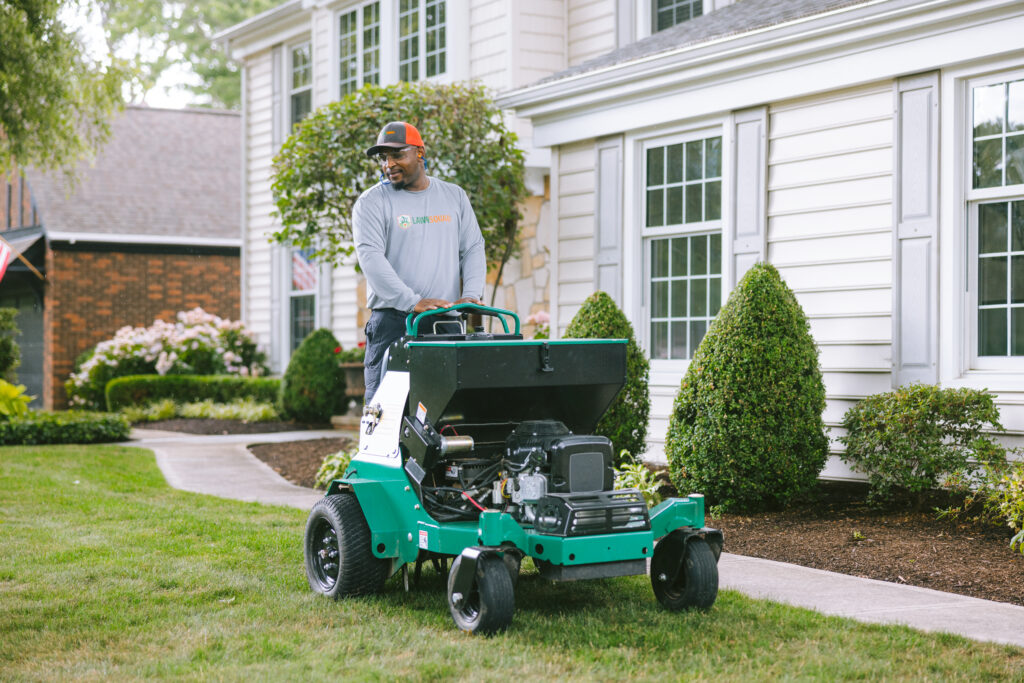
Our lawn care programs account for all these variables with aeration scheduled throughout the growing season.
ELITE Program includes:
- Aeration in Rounds 4, 5, 6, 7, and 8
- Soil testing to identify compaction and nutrient issues
- Coordination with pre-emergent to avoid timing conflicts
- Surface insect control during aeration visits
- Unlimited service calls between scheduled treatments
Aeration pricing for North Atlanta:
- 1,000 to 5,000 square feet: $55 to $77
- 6,000 to 10,000 square feet: $88 to $132
- 11,000 to 15,000 square feet: $143 to $187
- 16,000 to 20,000 square feet: $198 to $242
Stop fighting your soil and start working with it. Let our trained technicians relieve compaction and give your grass roots room to grow.
Contact Lawn Squad of North Atlanta today at (678) 250-6493 or visit lawnsquad.com/contact-us to get a quote and give your lawn the aeration program it needs.