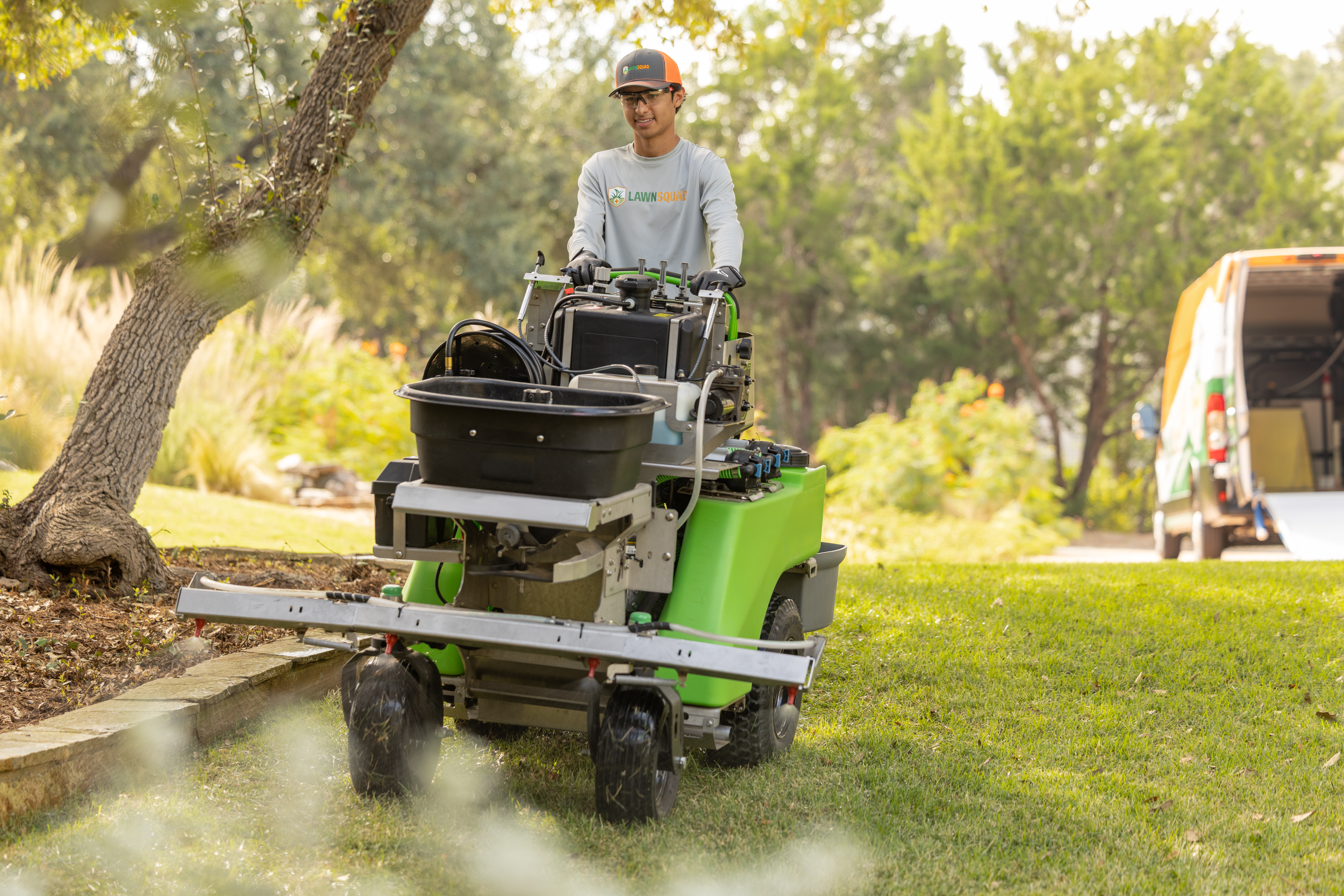
The short answer: A healthy, beautiful lawn in Westchester County comes down to doing the right things at the right time of year — mowing at the correct height, feeding cool-season grasses on a fall-focused schedule, watering deeply and infrequently, and staying ahead of weeds, pests, and disease before they become expensive problems.
Westchester County is one of the most visually stunning counties in New York, and the lawns here reflect that standard. But maintaining a great-looking lawn in this region is not as simple as mowing and watering on a fixed schedule. Westchester’s variable climate — cold winters, humid summers, unpredictable spring rainfall — demands a seasonal approach that works with your grass rather than against it.
Whether you are a new homeowner tackling lawn care for the first time or a longtime resident looking to level up your results, this guide covers everything you need to know to keep your Westchester lawn healthy, green, and thriving through every season.
Quick overview:
- Mowing: Height and frequency matter more than most homeowners realize — and scalping is one of the most common lawn-damaging mistakes in Westchester
- Fertilizing: Fall is the most important feeding season for cool-season grasses, not spring
- Watering: Deep and infrequent beats daily and shallow every time
- Weed control: Pre-emergent timing in early spring is your single most powerful weed prevention tool
- Seasonal rhythm: Matching your lawn care tasks to Westchester’s four seasons produces dramatically better results than a year-round fixed routine
Keep reading for a season-by-season breakdown of exactly what your Westchester lawn needs and when.
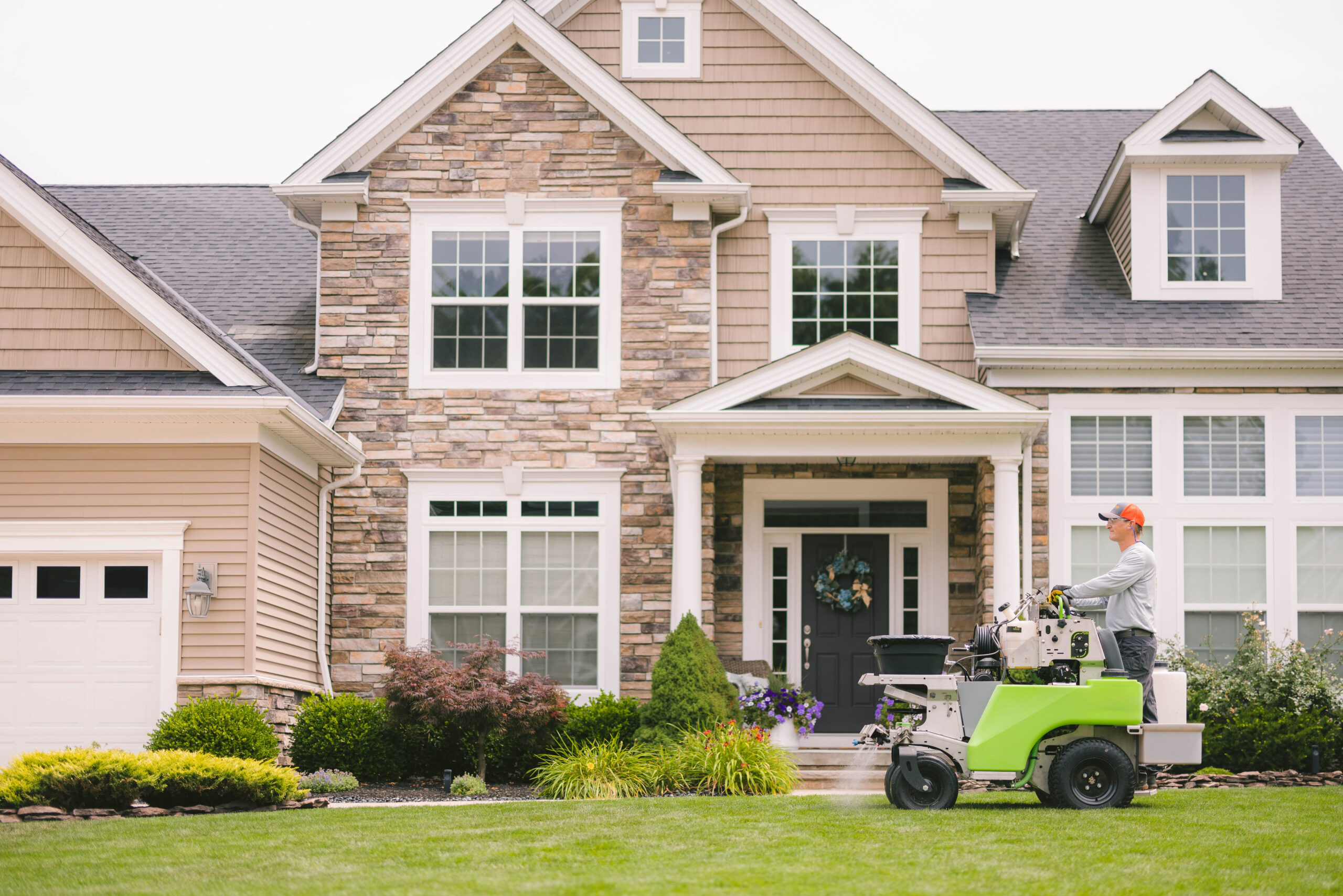
Know Your Grass: The Foundation of Good Lawn Care
Every good lawn care decision starts with knowing what type of grass you are managing. Westchester County lawns are almost exclusively cool-season turf — grasses that thrive in the moderate temperatures of spring and fall and slow down or go dormant during summer heat and winter cold.
Tall fescue is the most common grass across Westchester. Deep-rooted and moderately drought-tolerant, it handles summer heat better than other cool-season varieties. Tall fescue is a bunch-type grass, meaning it does not spread to fill in bare spots on its own — annual overseeding is important for maintaining density.
Kentucky bluegrass produces the dense, dark green, fine-textured lawn that many Westchester homeowners aspire to. It spreads through underground rhizomes and repairs itself over time, but it requires more consistent fertilization and water than tall fescue to stay at its best.
Perennial ryegrass establishes quickly and is frequently mixed with Kentucky bluegrass in Westchester lawns. It has a fine texture and good wear tolerance but is less heat-tolerant than tall fescue.
Fine fescues — including creeping red, chewings, and hard fescue — are often included in seed mixes for shaded areas. They require less fertility than other cool-season grasses and are well-suited to the areas under Westchester’s abundant tree canopy.
Understanding your grass type helps you set the right mowing height, choose the right fertilizer rates, and time overseeding correctly — all of which have a direct impact on lawn quality.
Mowing: The Most Frequent Lawn Care Task and the Most Often Done Wrong
Most Westchester homeowners mow their lawn every week without giving much thought to height or timing. But mowing decisions — how high, how often, and with what equipment — have an outsized impact on turf health, weed pressure, and disease susceptibility.
Mow at the Right Height
Taller grass is healthier grass. This is one of the most consistent findings in turf management, and one of the most consistently ignored by homeowners chasing a golf-course aesthetic.
- Tall fescue: 3.5 to 4 inches
- Kentucky bluegrass: 2.5 to 3.5 inches
- Perennial ryegrass: 2.5 to 3.5 inches
- Fine fescues: 3 to 4 inches
Taller grass develops a larger leaf surface for photosynthesis, grows deeper roots that access more water and nutrients, and shades the soil surface in a way that suppresses weed seed germination. Grass mowed too short — a practice called scalping — stresses turf, exposes soil to sunlight that weed seeds need to germinate, and makes your lawn significantly more vulnerable to drought, disease, and insect damage.
Raise your mower deck to the upper end of the recommended range during summer. The extra height provides more protection against heat stress and helps cool-season grasses manage through Westchester’s hottest months.
Never Remove More Than One-Third at a Time
The one-third rule is one of the most important mowing guidelines in lawn care. Removing more than one-third of the grass blade in a single mowing shocks the plant, sends it into stress recovery mode, and temporarily redirects energy away from root development.
If your lawn gets ahead of you and grows too tall between mowings, step the height down gradually over two or three cuts rather than cutting it all the way down at once.
Keep Blades Sharp
Dull mower blades tear grass blades rather than cutting them cleanly. Torn grass tips turn brown, create ragged texture, and leave wounds that are more susceptible to fungal infection. Sharpen mower blades at least twice per season — once at startup in spring and again mid-season — for clean cuts that promote healthy recovery after each mow.
Leave Clippings on the Lawn
Grass clippings left on the lawn after mowing decompose quickly and return nitrogen and organic matter to the soil — the equivalent of one free fertilizer application per year. Clippings only cause problems when they form heavy clumps from cutting overgrown grass. Regular mowing at the right height produces fine clippings that disappear into the turf within a day or two.
Mow in the Morning or Evening, Not Midday
Mowing during the hottest part of the day stresses grass that is already managing heat. Morning or early evening mowing — after dew has dried but before peak afternoon temperatures — is gentler on turf and produces cleaner cuts.
Fertilization: Feed Your Lawn on a Cool-Season Schedule
Cool-season grasses have a growth cycle that surprises many homeowners: their peak periods of root development and nutrient uptake are fall and spring — not summer. Fertilizing on a cool-season schedule produces dramatically better results than a warm-season approach.
The Westchester Fertilization Calendar
Early spring (late March – April): A moderate feeding as the lawn breaks dormancy supports the spring flush of growth without pushing excessive lush top growth that is vulnerable to late frosts and summer disease. Use a slow-release nitrogen formulation.
Late spring (May – early June): A second application sustains growth through the remainder of spring and builds stress tolerance heading into summer. This is the last significant nitrogen application before summer — resist the urge to feed heavily again until fall.
Early fall (September): The most important growth-stimulating application of the year. Fall feeding thickens turf density, supports recovery from summer stress, and fuels the root development that defines a lawn’s winter hardiness and spring green-up. Pair this application with overseeding for maximum results.
Late fall (October – mid November): The winterizer application — applied when top growth has slowed but roots are still active — is the single most impactful feeding of the entire year. Nutrients absorbed at this time are stored in roots and fuel early green-up weeks before the first spring application can take effect. Do not skip this one.
Soil Testing and Lime
Westchester soils tend toward acidity, and a pH below 6.0 dramatically reduces the effectiveness of any fertilizer you apply. A soil test every two to three years tells you exactly where your pH stands and what nutrients your soil actually needs. Lime applications to correct acidity are one of the highest-return investments in Westchester lawn care — and one of the most frequently overlooked.
Watering: Deep and Infrequent Beats Daily and Shallow
The most impactful change most Westchester homeowners can make to their lawn care routine is switching from daily light watering to deep, infrequent irrigation cycles.
Water two to three times per week during dry stretches, applying enough per session to wet the soil 4 to 6 inches deep. This trains roots to grow downward into cooler, more stable soil — producing a lawn that handles summer heat and dry spells far better than one kept shallow by daily surface watering.
Always water in the morning — between 4 and 10 a.m. — so grass blades dry completely through the day. Evening watering leaves grass wet overnight in warm temperatures, which is the primary driver of brown patch and dollar spot outbreaks across Westchester County every summer.
Account for rainfall. Westchester receives meaningful precipitation year-round. A week with an inch or more of rainfall needs little to no supplemental irrigation. Use a simple rain gauge and the screwdriver-in-the-soil test to water based on actual need rather than a fixed calendar schedule.
Winterize your system before hard freezes arrive — typically late October to mid-November in Westchester. A professional air blow-out clears water from pipes and heads before freezing temperatures cause cracked pipes and broken heads that are expensive to repair in spring.
Weed Control: Prevention Is Far Cheaper Than Cure
A thick, well-maintained Westchester lawn is your best long-term weed defense. Dense turf shades the soil surface, preventing the sunlight that weed seeds need to germinate. But even healthy lawns need chemical weed control support to stay clean through the growing season.
Pre-Emergent Herbicide: Your Most Powerful Tool
Pre-emergent herbicides create a chemical barrier in the soil that kills germinating weed seedlings before they emerge. Applied at the right time, they prevent crabgrass — the most notorious summer annual weed in Westchester — from ever appearing.
The timing trigger in Westchester County is forsythia bloom. When forsythia begins flowering in your area, get your pre-emergent application down. Crabgrass germination follows forsythia bloom by two to three weeks, and your barrier needs to be in place before that happens.
A second pre-emergent application in late August through September targets cool-season annual weeds — particularly annual bluegrass and chickweed — that germinate in fall and surge the following spring.
Critical coordination: Pre-emergent herbicides prevent all seeds from germinating, including grass seed. If you plan to overseed in fall — which you should — plan your pre-emergent and overseeding schedule so they do not conflict.
Post-Emergent Control
Broadleaf weeds — dandelions, clover, ground ivy, wild violet — require post-emergent herbicide treatment once they are growing. Spring and fall are the optimal treatment windows in Westchester, when temperatures between 60 and 80°F favor herbicide effectiveness without the turf stress risks of summer application.
Wild violet and ground ivy are among the most persistent weeds in Westchester County and often require specialized herbicide formulations containing triclopyr. Multiple fall applications over two seasons typically produce the best results for these stubborn species.
Aeration and Dethatching: The Practices Most Homeowners Skip
Core aeration and dethatching address problems below the surface that no amount of fertilizer, water, or weed control can fix on their own.
Core Aeration
Westchester’s soils — particularly the heavier clay soils common in many parts of the county — compact over time from rainfall, foot traffic, and the freeze-thaw cycle. Compacted soil restricts root growth, reduces water infiltration, and limits the effectiveness of every other input in your lawn care program.
Core aeration pulls small plugs of soil from the lawn, creating channels that allow air, water, and nutrients to reach the root zone. Annual fall aeration — combined with overseeding and fertilization — is one of the highest-impact practices in the Westchester lawn care calendar. The benefits compound meaningfully over two to three seasons of consistent annual treatment.
Dethatching
Thatch — the layer of dead organic matter between soil and grass blades — becomes a problem when it exceeds half an inch. Excessive thatch blocks water and nutrient penetration, harbors fungal disease and insects, and causes grass roots to grow into the thatch layer rather than the soil. If your lawn feels spongy underfoot, a thatch problem is likely contributing to other issues you are seeing.
Lawn Disease: Know the Signs Before Damage Spreads
Fungal lawn diseases are common across Westchester County, particularly during the warm, humid summers the region experiences. Most infections are preventable or treatable when caught early — and misdiagnosed disease is one of the most common reasons homeowners apply the wrong treatment and make things worse.
Brown patch is the most destructive summer disease in Westchester, producing circular brown patches with a darker ring at the edge. It thrives when nighttime temperatures stay above 70°F with high humidity — a combination Westchester sees regularly from late June through August. Evening irrigation is the primary cultural driver of brown patch outbreaks.
Dollar spot produces small, silver-dollar-sized patches of straw-colored grass with characteristic tan lesions on individual blades. It is strongly associated with low nitrogen fertility — a well-fed lawn resists dollar spot far better than an underfertilized one.
Red thread creates pink to tan patches with distinctive red thread-like fungal strands visible at grass tips. Like dollar spot, it frequently signals a fertilization deficiency and often improves significantly with a timely nitrogen application.
Snow mold appears when snow melts in late winter, leaving circular patches of matted, discolored grass. Gray snow mold usually recovers on its own with light raking. Pink snow mold is more aggressive and may require overseeding damaged areas in fall. Mowing at a slightly shorter height for the final cut of the season and avoiding heavy late-fall nitrogen applications reduce snow mold risk.
Pest Control: Stay a Step Ahead of the Most Common Culprits
Westchester County lawns face a range of insect pests that, left unchecked, cause damage that is far more expensive to repair than to prevent.
White grubs — the larvae of Japanese beetles and other beetles — feed on grass roots underground, killing turf from below. The first visible sign is often patches of grass that look drought-stressed but do not respond to irrigation, followed by turf that pulls up like a loose carpet. Preventive grub treatments applied in late spring to early summer are significantly more effective than curative treatments applied after damage appears.
Chinch bugs are less common in Westchester than in warmer climates but still occur in hot, dry summers. They damage grass by injecting a toxin while feeding, creating yellowing patches that look like drought stress but do not improve with watering.
Sod webworms are moth larvae that feed on grass blades at night, leaving ragged, chewed areas. They are most active in summer and early fall. A soap flush test — two tablespoons of dish soap in two gallons of water drenched over a square yard of turf — brings sod webworms to the surface for positive identification.
Billbugs are weevil larvae that feed on grass stems at the thatch-soil interface. Billbug damage is common in Westchester and often misidentified as drought stress or disease. Affected turf pulls up easily and shows no visible root system at the base of the stem.
Preparing Your Westchester Lawn for Winter
How you close out the lawn care season in fall directly determines how your lawn looks and performs the following spring. A few well-timed fall tasks make a significant difference.
Final mowing: Gradually lower your mowing height for the last two to three cuts of the season, finishing around 2.5 to 3 inches. Grass that goes into winter too tall is prone to matting under snow cover, which creates ideal conditions for snow mold and makes spring recovery slower.
Winterizer fertilization: As described above, the late fall fertilizer application — when top growth has slowed but roots are still active — is the single most impactful feeding of the year. Do not skip it.
Core aeration and overseeding: If you have not already aerated and overseeded in early fall, completing these tasks before mid-October in Westchester still gives new grass seed adequate time to germinate and establish before winter. Thin or bare areas that go into winter unseeded become weed magnets the following spring.
Leaf management: Thick layers of leaves left on the lawn over winter mat down, block light, and create the warm, moist conditions that favor snow mold and fungal disease. Mulching leaves with your mower is an efficient option for light to moderate leaf coverage — heavy accumulation should be collected and removed.
Irrigation winterization: Schedule a professional blow-out before hard freezes arrive. Cracked pipes and broken heads from an improperly winterized system are among the most common and preventable irrigation repairs in Westchester County every spring.
Your Westchester County Lawn Care Calendar at a Glance
| Season | Key Tasks |
|---|---|
| Early spring (Mar – Apr) | System startup inspection; pre-emergent herbicide; light fertilization; lime if needed |
| Late spring (May – Jun) | Late spring fertilization; broadleaf weed control; mow at full height |
| Summer (Jul – Aug) | Deep infrequent watering; monitor for disease and pests; avoid heavy nitrogen |
| Early fall (Sep) | Core aeration; overseeding; early fall fertilization; broadleaf weed control |
| Late fall (Oct – Nov) | Winterizer fertilization; final mowing; leaf management; irrigation winterization |
| Winter (Dec – Feb) | System dormant; plan spring program; schedule soil testing |
Common Lawn Care Mistakes Westchester Homeowners Make
Mowing too short: Scalping cool-season grass is one of the most damaging things you can do. Raise the deck and keep it there — especially through summer.
Fertilizing heavily in summer: High nitrogen in July and August pushes disease-susceptible growth during the period when cool-season grasses are least equipped to handle it. Save the heavy feeding for fall.
Watering in the evening: This single habit is responsible for more brown patch outbreaks in Westchester than any other factor. Switch to morning watering immediately.
Skipping the fall program: Many homeowners wind down lawn care after Labor Day. The fall window — aeration, overseeding, and winterizer fertilization — is the most impactful period of the entire lawn care year for cool-season turf.
Reacting to problems instead of preventing them: Pre-emergent herbicide applied in April prevents crabgrass from appearing at all. Preventive grub treatments in spring prevent the root damage that shows up as dead patches in August. Staying ahead of problems is always less expensive and less stressful than reacting to them.
The Bottom Line
Great lawns in Westchester County are built on a foundation of consistent, well-timed seasonal care — not heroic interventions when things go wrong. Cool-season grasses thrive here when they are mowed at the right height, fed on a fall-focused schedule, watered deeply and infrequently, and protected from weeds, pests, and disease through proactive management.
Key principles to carry with you:
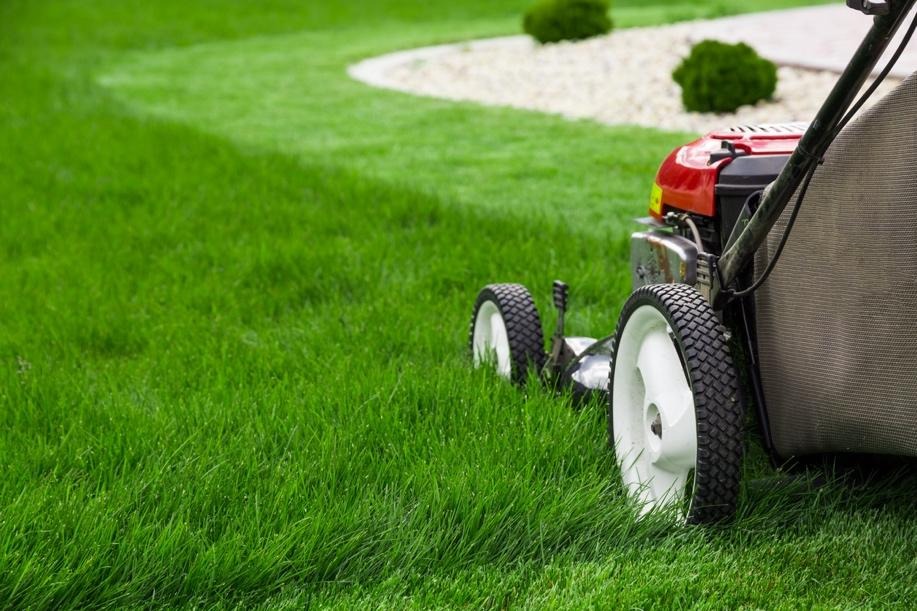
- Mow tall, mow sharp, and never remove more than one-third of the blade at once
- Fall is your most important lawn care season — aeration, overseeding, and fertilization all happen here
- Water in the morning, deeply and infrequently, and account for rainfall
- Pre-emergent in early spring is your single most powerful weed prevention investment
- Annual core aeration produces cumulative soil health benefits that amplify everything else you do
When these fundamentals are executed consistently and seasonally, the results compound year over year — producing a lawn that gets healthier, thicker, and more resilient with every passing season.
Let Lawn Squad Take Care of It All
Managing every aspect of your Westchester lawn on the right schedule — mowing, fertilizing, watering, weed control, aeration, overseeding, pest and disease management — is a year-round commitment that requires knowledge, timing, and the right products and equipment.
Lawn Squad handles it all with programs built specifically for Westchester County’s cool-season grasses, variable climate, and unique soil conditions.
Lawn Squad programs include:
- Fertilization timed to Westchester’s cool-season grass calendar
- Pre-emergent and post-emergent weed control throughout the growing season
- Core aeration and overseeding in fall for maximum turf density
- Pest and disease monitoring and treatment built into every visit
- Unlimited service calls when issues arise between scheduled visits
Stop spending your weekends guessing at what your lawn needs. Let Lawn Squad handle the details so you can enjoy the results.
Contact Lawn Squad today at 914-581-9014 or visit https://lawnsquad.com/contact-us/ to get your free quote and start building the Westchester lawn you have always wanted.