In West Palm Beach, summer’s heat can leave your backyard looking more patchy than picturesque. Even with a light coastal breeze, the sun can take a toll, and the pressure from HOA standards only adds to the stress. Glancing at your neighbor’s perfectly manicured lawn can make you wonder if yours will ever catch up. The good news? It can—and overseeding is the key.
In this post, we’ll cover the ideal approach to overseeding your West Palm Beach lawn, tackling challenges like sandy soil, local pests, and extreme heat. You’ll get practical tips and strategies to help your yard bounce back, turning it into a lush, green space that thrives year-round.

Facing the Facts: Lawn Care in West Palm Beach
Let’s face it: overseeding isn’t just a seasonal chore; it’s a necessity for homeowners in West Palm Beach. Many of us battle with fast-draining sandy soil that struggles to retain moisture, and we contend with relentless chinch bugs that seem to thrive in our warmth.
Add to that the salt spray from the coast, and you have a recipe for a lawn that’s often more struggle than success.
Take it from Julie, a homeowner in Palm Beach Gardens: “I used to feel defeated every summer. My lawn was either burnt out or full of bugs. I thought I’d never have that lush green oasis I dreamt of.” Julie’s experience is all too common, but the good news is that with the right overseeding strategy, you can turn your lawn around.
How to Fix It Without Spending Hours in the Sun
Overseeding can feel overwhelming, especially when you’re juggling family schedules and the demands of homeownership. But it doesn’t have to be! Here’s how to tackle the overseeding process efficiently:
Monitor for Pests: Keep an eye out for chinch bugs and other pests. If you notice signs of damage, treat the affected areas promptly with appropriate pest control measures.ur local grass varieties require specific care, particularly in terms of salinity tolerance and drought resistance.
Timing is Everything: The best time to overseed your yard in West Palm Beach is from late September to early October. This timeframe allows the seeds to germinate in cooler fall temperatures, establishing a strong root system before the colder months hit.
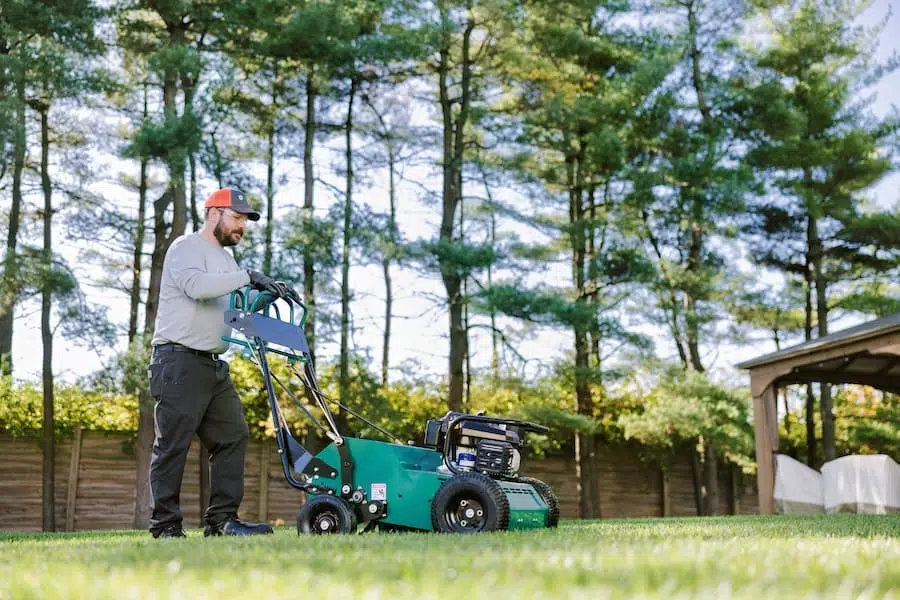
Mow and Prepare: Start by mowing your existing grass to about an inch in height. This helps the new seeds make contact with the soil. Clear away any debris, such as leaves and sticks, to ensure a clean slate.
Choose the Right Grass Mix: Opt for a mix of warm and cool-season grasses, such as Bermuda and Fescue, to adapt to our unique climate. These varieties are more resilient to the sandy soil and can withstand the occasional salt spray.
Water Wisely: Regular watering is crucial. Aim for light, frequent watering in the early morning to help your seeds establish. Avoid overwatering, as this can lead to disease and pest infestations.
Turning a Fading Lawn into a Vibrant Oasis in West Palm Beach
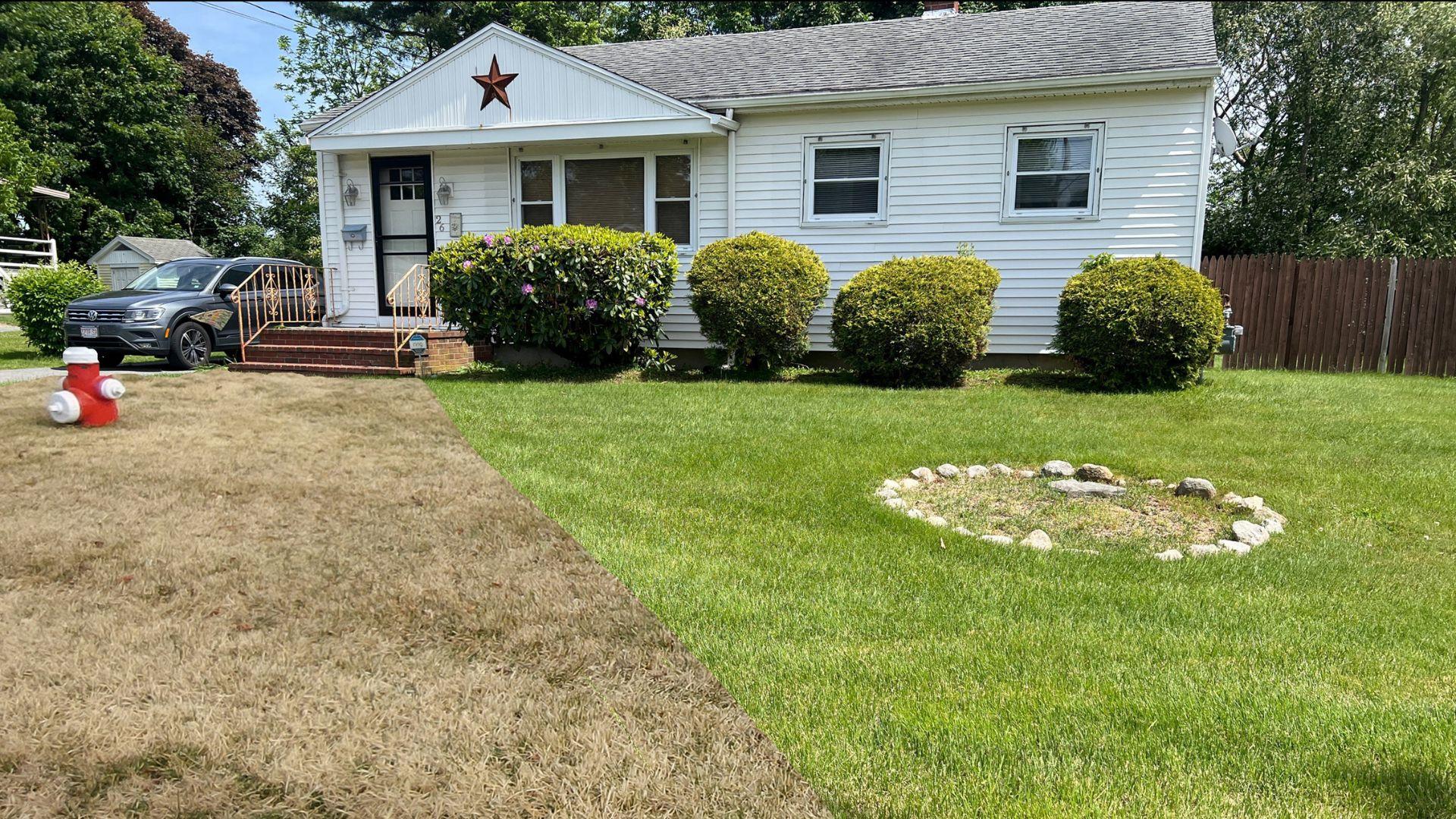
Picture a sunny Saturday in Emma Castillo’s backyard. Her kids are laughing and running through the grass, but the brown patches and thinning areas had been causing her constant worry.
After a heavy summer storm left her yard flooded, Emma knew it was time for professional help. She called Lawn Squad®.
The team developed a customized lawn care plan tailored to her sandy soil and coastal environment. With expert guidance, Emma learned how to properly adjust her watering routine and apply fertilizer for lasting results.
The results spoke for themselves. Her lawn recovered beautifully, and her kids could play safely across a lush, green yard. “I finally feel proud of my lawn,” Emma said, smiling as she watched them run around. “It’s become the safe, welcoming space for my family that I’ve always wanted.”

Step By Step Game Plan for Your Lawn
Now that you understand the importance of overseeding, here’s your step-by-step game plan for a thriving lawn:
- Late September to Early October: Begin your overseeding process. Mow, clean, and seed during this time.
- Weekly Watering Schedule: Water lightly every day for the first two weeks to keep the seeds moist. Transition to deeper watering sessions once the grass begins to grow.
- Mid-October: Apply a light fertilizer to give your new grass the nutrients it needs to thrive.
- November: Monitor for pests and treat as necessary. Continue regular watering and mowing to encourage growth.
- Winter Prep: As temperatures drop, begin to adjust your watering schedule based on rainfall and temperature fluctuations.
If you find it all too overwhelming, consider enrolling in our VitaminLawn® Program, where our experts take care of the hard work for you while guiding you through the best practices for your lawn.
Take the Leap — Your Lawn Deserves Better
Don’t let the coastal sun and sandy soil hold your lawn back any longer. It’s time to take action and create the lush, vibrant outdoor space you’ve always wanted.
Whether it’s hosting family gatherings or simply enjoying the beauty of your surroundings, a thriving lawn can be your sanctuary.
If you’re ready to finally have a lawn that thrives in West Palm Beach, call 561-940-2397 or ask about our VitaminLawn® Program today. Let’s work together to make your dream lawn a reality!