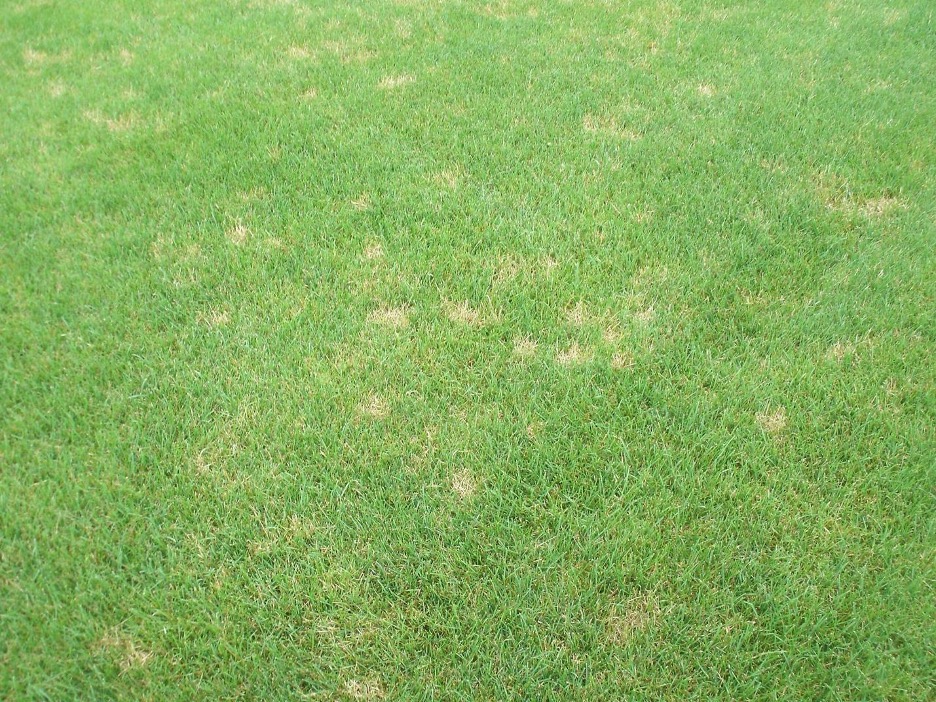
If you glance out your window in Jacksonville, your lawn might look more like a dry, patchy field than a lush green oasis. Between sandy soil, intense Florida heat, and sudden summer storms, maintaining a healthy lawn can feel like a constant challenge. But this is all part of life on the First Coast—and with the right care, your St. Augustine grass can thrive and become the envy of the neighborhood.
In this blog, we’ll go beyond simple tips. You’ll learn about common lawn care mistakes in our unique coastal climate, hear a real story from a local homeowner, and get practical, actionable steps from Lawn Squad® to help your yard stay green, healthy, and resilient—no matter what the weather brings.
Northeast Florida Lawn Care Made Simple
Let’s get real for a moment. Many homeowners make the same mistakes when caring for their St. Augustine grass. Overwatering, improper mowing heights, and neglecting pest control are common missteps that can lead to a lawn that’s more brown than green.
Take it from Karen, a homeowner in Riverside: “I thought I was doing everything right. I watered every day and kept my grass short. But by mid-summer, it looked like a desert. I was so frustrated—my kids wanted to play outside, but the lawn was in such bad shape!”
Many of us can relate to that frustration. With sandy soil that drains quickly and salt exposure from our coastal location, St. Augustine grass requires special attention. The heat can be brutal, and those chinch bugs seem to appear out of nowhere. But understanding these challenges is the first step toward a vibrant lawn.
Fix Your Lawn Fast—Keep Your Weekend Free
Adjusting your lawn care routine doesn’t have to consume your precious weekends. Here’s how to turn your lawn from lifeless to lively:
- Water Deeply, but Infrequently: Aim to water your lawn deeply once a week, preferably in the early morning before it gets too hot. This encourages deeper root growth and makes your grass more drought-resistant.
- Mow at the Right Height: Keep your St. Augustine grass at a height of 3 to 4 inches. This height minimizes water loss and helps shade the soil, keeping it cooler.
- Sharpen Your Mower Blades: Dull blades can leave your grass with brown tips, making it look unhealthy. A clean cut helps your lawn recover quickly.
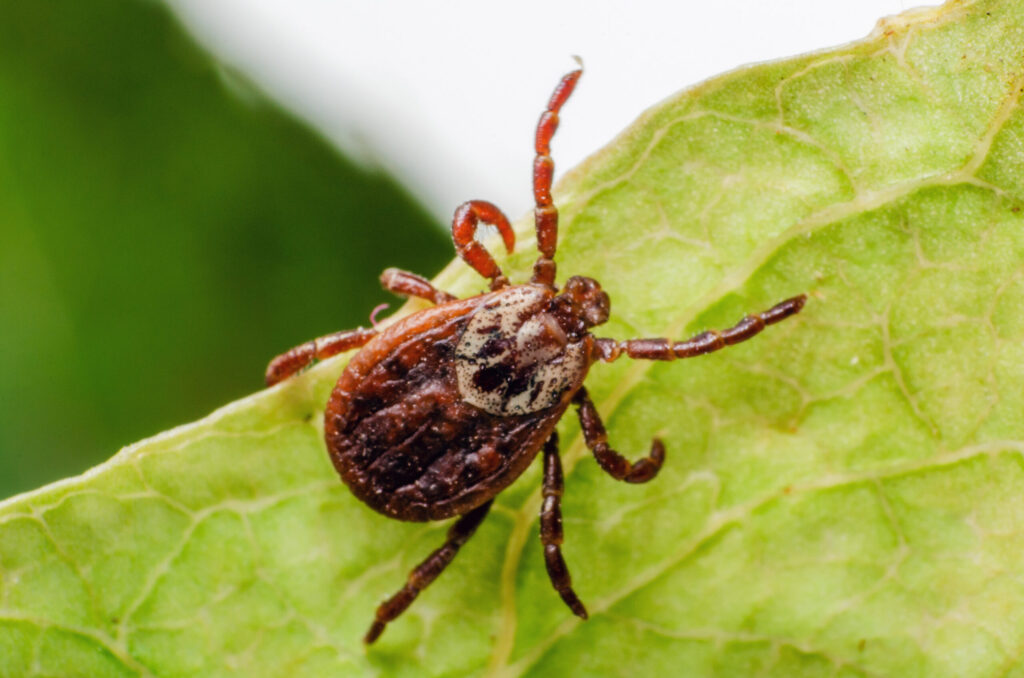
- Monitor for Pests: Keep an eye out for chinch bugs, especially during the hottest months. If you notice patches of dying grass, it might be time to treat for pests.
- Fertilize Wisely: Timing is everything. Apply a slow-release fertilizer in late spring and again in early fall to give your grass the nutrients it needs to thrive during peak growing seasons.
By avoiding the #1 mistake—overwatering—you can significantly improve your lawn’s health. Remember, St. Augustine grass is designed to withstand some drought, so give it a fighting chance!ts.
A Local Perspective from Jacksonville–St. Augustine
Meet Karen again. After a rough summer, she decided to take action. Armed with our tips, she implemented a new watering schedule and raised her mowing height.
“I can’t believe the difference! My lawn started to green up, and my kids were back out playing in the yard. We even hosted a BBQ, and everyone commented on how nice it looked,” she shared with a smile.
Her story is a testament to what’s possible when you adapt your lawn care to our local climate. Picture the kids running through the sprinklers, laughter filling the air, and neighbors stopping by to admire your lush, green lawn.
The Local Game Plan for Late Summer
Now that you’re ready to transform your lawn, here’s a clear, step-by-step plan tailored for late summer in Jacksonville:
Join the VitaminLawn® Program: For those who want an extra edge, consider our VitaminLawn® Program for tailored fertilization and pest control solutions.
Water Schedule: Stick to watering once a week. Adjust based on rainfall—if you get a good rain, skip watering that week.
Mowing: Maintain a height of 3 to 4 inches. Set a reminder to mow every 7 to 10 days, depending on growth.
Pest Control: Check for chinch bugs weekly, especially in sunny patches. If you see signs of damage, treat immediately.
Fertilization: Apply a slow-release fertilizer in mid-August to prepare your lawn for fall.
Hurricane Prep: As hurricane season is upon us, ensure your lawn is clear of debris and secure any loose outdoor items that could become projectiles in a storm.
Make Your Lawn Last!
Your lawn can be a source of pride and joy, not just a patch of green. With the right care, you can cultivate a St. Augustine lawn that thrives despite Jacksonville’s challenges.
If you’re ready for a lawn that finally fights back, call 904-594-7380 or ask about our VitaminLawn® Program today. Let’s turn your lawn into the vibrant outdoor space you’ve always wanted!