Short Answer: You can, but for most Central Georgia homeowners it is not worth it. Annual ryegrass seeded into dormant bermuda or zoysia does give you green through winter, but it competes with the permanent lawn in spring, delays green up by several weeks, conflicts directly with fall pre emergent, and requires mowing and watering all winter. It makes the most sense on bermuda in high visibility settings where someone is prepared to manage the spring transition. On centipede or St. Augustine, the answer is simply no.
What Winter Overseeding Actually Means Here
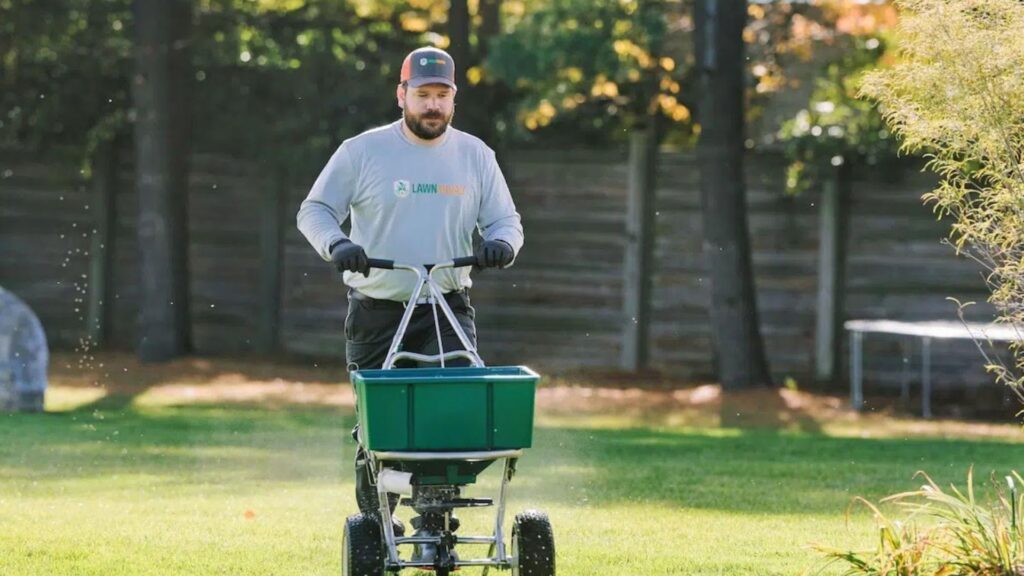
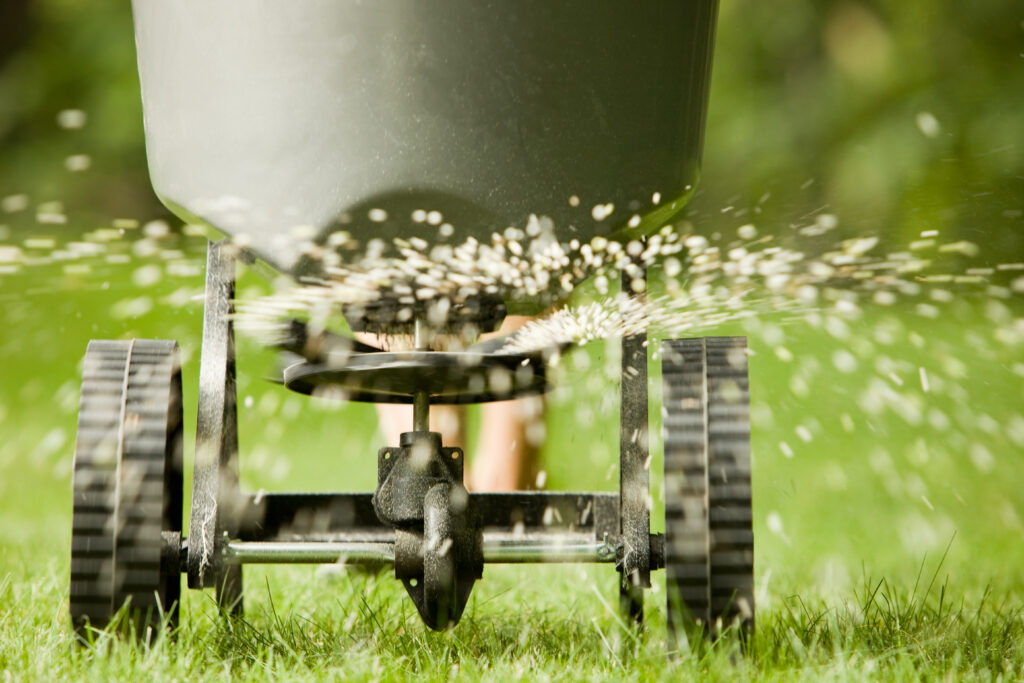
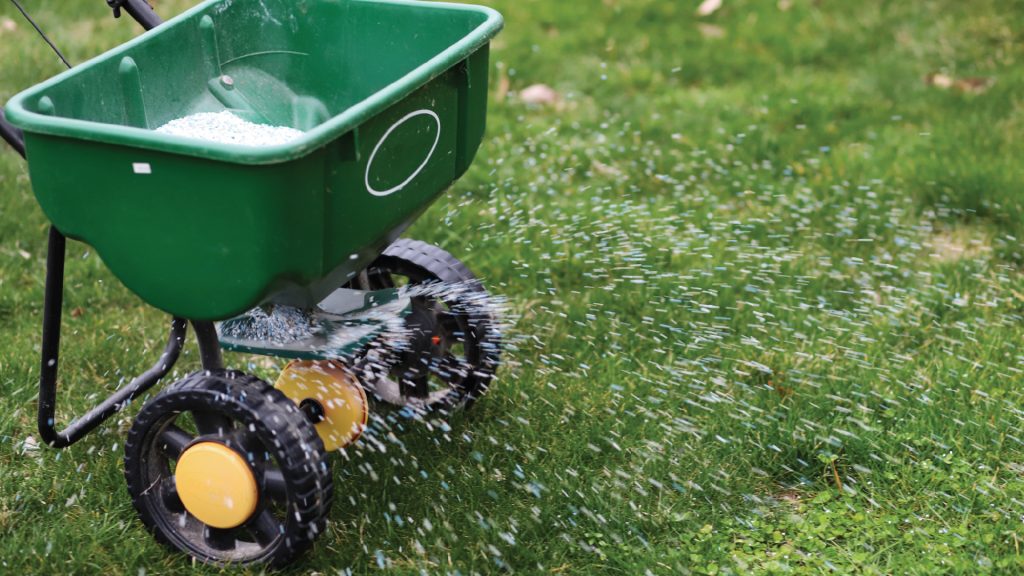
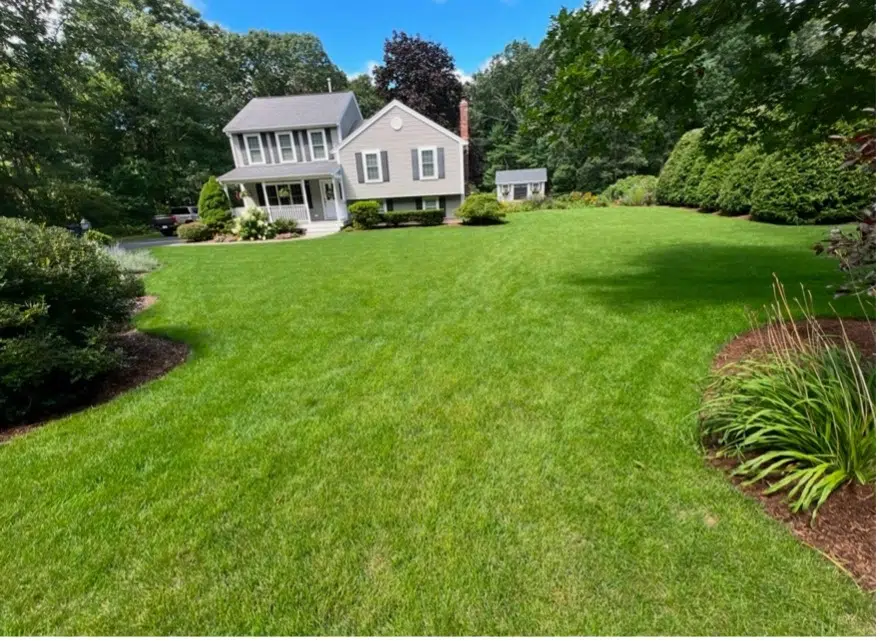
Winter overseeding is the practice of sowing a cool season grass, almost always ryegrass, into a warm season lawn in the fall so the property stays green while the permanent turf is dormant. It is standard on golf courses and athletic fields across the Southeast and it has been marketed to homeowners on the back of that.
The important distinction is that a golf course superintendent overseeds with a budget, equipment, and a deliberate spring transition plan. A homeowner in Central Georgia overseeds with a spreader and hope. The practice itself is not wrong. The support around it usually is.
Why Your Lawn Goes Tan in the First Place
Bermuda, zoysia, centipede, and St. Augustine are warm season grasses. They evolved to grow hard in heat and shut down completely in cold. When soil temperatures drop and the first frost arrives, they pull their resources into the crown, rhizomes, and stolons and stop producing leaf tissue.
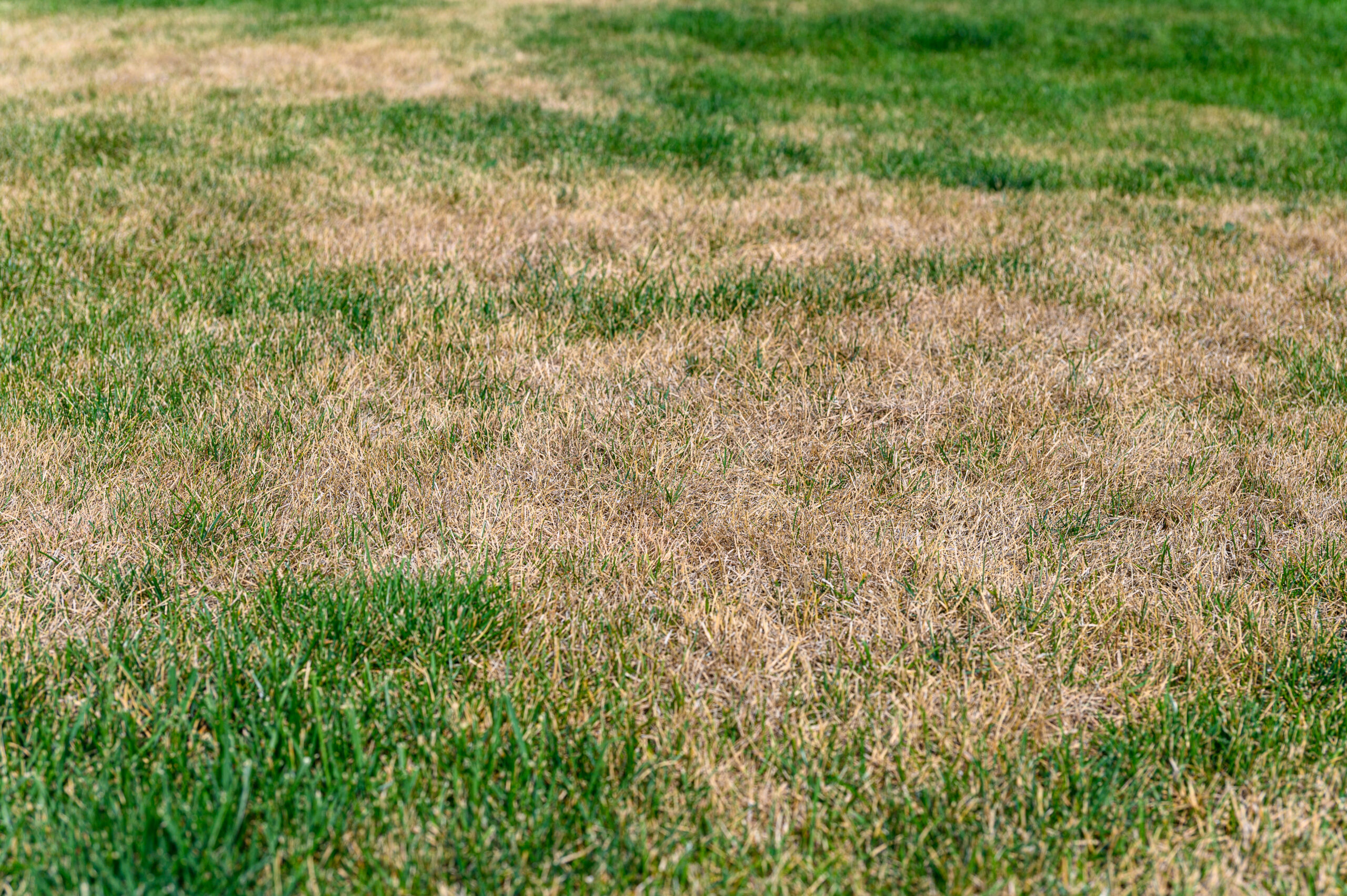
The tan color is not death and it is not neglect. It is a functioning survival mechanism. In Central Georgia that dormancy typically runs from around the first frost in early to mid November until green up begins in April. Roughly five months of tan is normal for a healthy lawn here.
Understanding that matters, because overseeding does not fix a problem. The dormant lawn underneath is fine. Overseeding covers the appearance of something that was never broken, and it charges you for the privilege in ways that show up later.
The Real Appeal, Stated Honestly
There are legitimate reasons people do this. A property listed for sale in January photographs and shows dramatically better green than tan. A commercial frontage or a highly visible corner lot in a neighborhood with an active association may effectively require it. Some homeowners simply do not want to look at five months of brown and are willing to pay for it in work and in spring performance.
Ryegrass also provides some erosion control and traffic cover on slopes and in high use areas during a season when the permanent lawn cannot repair itself. Those are real benefits and worth weighing.
Annual Ryegrass Versus Perennial Ryegrass
The two are sold side by side and they behave very differently.
- Annual ryegrass is inexpensive, germinates fast, has a coarse texture and a lighter green color, and dies out relatively readily as heat arrives. It is what most homeowners buy.
- Perennial ryegrass costs several times more, has a finer texture and a darker color, and looks considerably better. Its drawback is significant in this climate, because it holds on longer into the heat and fights the bermuda much harder during transition.
For a Central Georgia homeowner, if you overseed at all, annual ryegrass is usually the more sensible choice specifically because it gives up more easily in the spring. Choosing the better looking grass makes the worst part of this practice worse.
The Spring Transition Problem
This is where most homeowner overseeding goes wrong, and it happens in April and May rather than in the fall.
Warm season grass begins waking up when soil temperatures climb into the sixties. To do that it needs sunlight reaching the crown and soil warmth at the surface. A dense stand of ryegrass sitting on top provides neither. It shades the crowns and it keeps the soil cooler, and the bermuda or zoysia underneath stays asleep.
Meanwhile the ryegrass is consuming the water and nitrogen the permanent lawn needs for green up. The typical outcome in Central Georgia is that an overseeded lawn greens up two to four weeks later than the unseeded lawn next door, and comes back thinner because the permanent grass spent its stored reserves competing instead of growing.
Do that once and it is a nuisance. Do it four or five years running and you can genuinely thin a bermuda stand to the point where weeds take the space.
The Pre Emergent Conflict Nobody Mentions
This is the single most practical reason we advise against homeowner overseeding here, and it rarely gets discussed at the store.
Fall pre emergent, applied as soil temperature falls through about seventy degrees, is the highest value application on a Central Georgia lawn all season. It is what prevents annual bluegrass, henbit, chickweed, and the rest of the winter annual weeds from germinating and taking over a dormant tan lawn in February.
Pre emergent works by stopping seeds from establishing. It cannot distinguish between a weed seed and a ryegrass seed. If you overseed, you cannot apply fall pre emergent, and you spend the winter with an unprotected lawn. Many people who overseed for the sake of appearance end up with a lawn that is partly ryegrass and partly annual bluegrass, and annual bluegrass leaves bare patches when it dies out in May.
You are trading your best weed control application of the year for winter color. Weigh that trade deliberately rather than discovering it in February.
Grass Types Where the Answer Is Simply No
Overseeding is only a defensible practice on bermuda, and to a much more limited extent on zoysia.
Centipede should never be overseeded. It is very common through Bibb, Houston, Peach, and the surrounding counties, it grows slowly, it spreads only by stolons, and it does not have the aggressive recovery capacity to fight back through a ryegrass stand in the spring. Overseeded centipede thins, and thin centipede takes years to fill back in.
St. Augustine should not be overseeded either, for similar reasons plus its coarse texture and shallow root system. Zoysia is a marginal case. It will survive the practice but it green up slowly to begin with, and adding several weeks of transition delay to an already late green up is rarely worth it.
If you have bermuda in full sun and you want to do this, you are the only good candidate on that list.
The Work You Are Signing Up For
An overseeded lawn is a growing lawn all winter. That means it needs the maintenance of a growing lawn all winter.
- Mowing continues through December, January, and February whenever growth warrants it, which in a mild Central Georgia winter is regularly.
- Watering must continue through establishment and during dry winter stretches. Ryegrass seed needs consistent surface moisture for two to three weeks to establish, and fall here is frequently dry.
- The ryegrass needs its own light nitrogen to look good, which is nitrogen you would not otherwise apply and which has to be managed so it is not sitting available when the warm season grass is trying to harden off.
- In spring, you may need to scalp the lawn low and reduce irrigation deliberately to push the ryegrass out and let the permanent grass through.
If those four items are not going to happen, the honest answer is not to start.
If You Are Going to Do It, Do It on Time
Timing determines whether this works or turns into a mess.
Seed when soil temperatures have fallen into the low seventies and nighttime air temperatures are consistently in the fifties. In Central Georgia that generally lands in October. Seeding too early puts ryegrass into competition with a warm season lawn that is still actively growing, and the bermuda wins while the ryegrass sits weak and thin. Seeding too late risks poor germination before real cold arrives.
Mow the permanent lawn low and remove clippings before seeding so the seed reaches soil rather than sitting in the canopy. Keep the surface consistently moist with light frequent watering until germination, then back off to deeper and less frequent watering. Do not apply pre emergent, and be aware that this is the trade you accepted.
A Better Plan for Most Homeowners Here
For the majority of Central Georgia properties, the stronger winter strategy is to accept dormancy and spend the effort on the things that make April look good.
Put down fall pre emergent on the correct soil temperature trigger so the tan lawn stays clean and weed free instead of turning into a green carpet of annual bluegrass. Stop nitrogen roughly six weeks before first frost so the grass hardens off properly. Apply potassium late for cold tolerance. Get a soil test and correct pH, since centipede in particular is sensitive to soil that has drifted out of range. Cut irrigation back to match the season.
A clean, uniform, weed free dormant lawn looks considerably better in January than a patchy overseeded one, and it greens up first in the spring. That combination is what most people actually wanted when they asked about ryegrass.
What to Do Next
Walk the lawn this week and write down the two or three things that actually bother you about it, then work backward from the window rather than forward from today. Almost every fall mistake we see in Central Georgia comes from starting with the calendar instead of with the lawn.
If you would rather have someone look at it with you, Lawn Squad of Central Georgia offers a free quote. Call 833-816-7508 or find us at lawnsquad.com. Every Lawn Squad location is independently owned and operated, and our VitaminLawn fertilization and weed control program is built around the grass, soil, and conditions here rather than a national average.
A first visit is a walk of the property, a look at the thin areas, a check of mowing height and irrigation, and a straight conversation about what is realistic in the weeks left this season. At 30 days you should see color and density improve. At 90 days the lawn should be visibly thicker, with the root growth that carries it through winter.