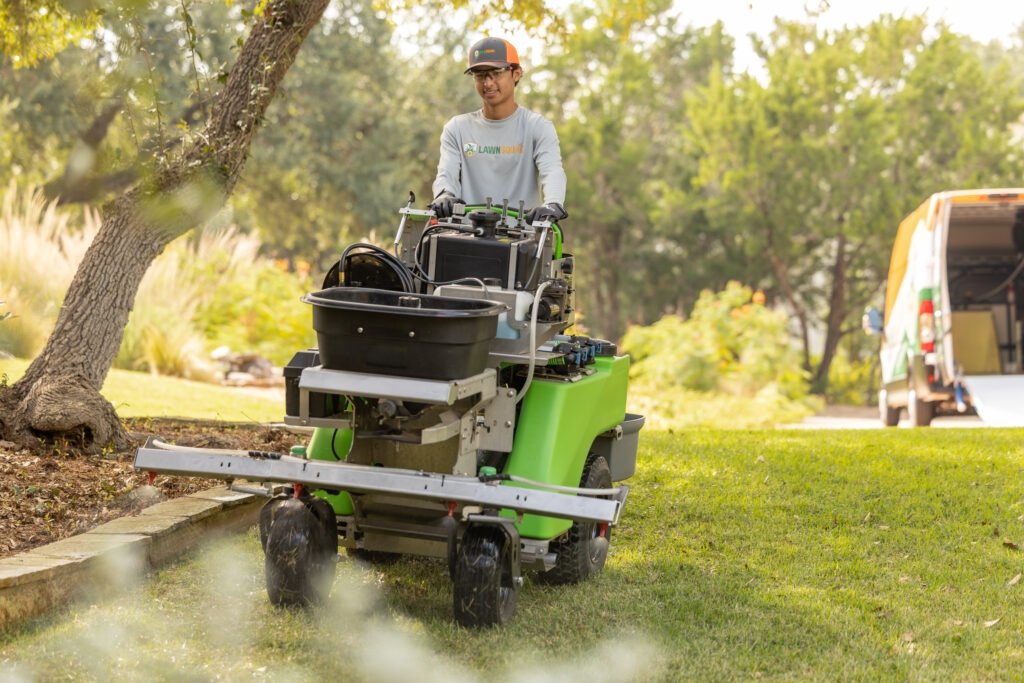
The short answer: Preparing your Dayton lawn for fall and winter involves four key steps: aeration to relieve compacted soil, overseeding to thicken thin areas, fertilization with winterizer to build root reserves, and proper mowing until growth stops. The work you do in September and October determines how your lawn looks when spring arrives.
Most Dayton homeowners should complete fall lawn prep between mid August and late October to give grass time to strengthen before the ground freezes.
Quick overview:
- Aeration: Late August through October relieves compaction and improves root growth
- Overseeding: September through mid October fills thin spots before winter
- Winterizer fertilizer: Late September or October builds nutrient reserves
- Final mowing: Gradually lower height for the last few cuts of the season
Fall is the most important season for Ohio lawn care. The preparation you do now pays dividends all next year.
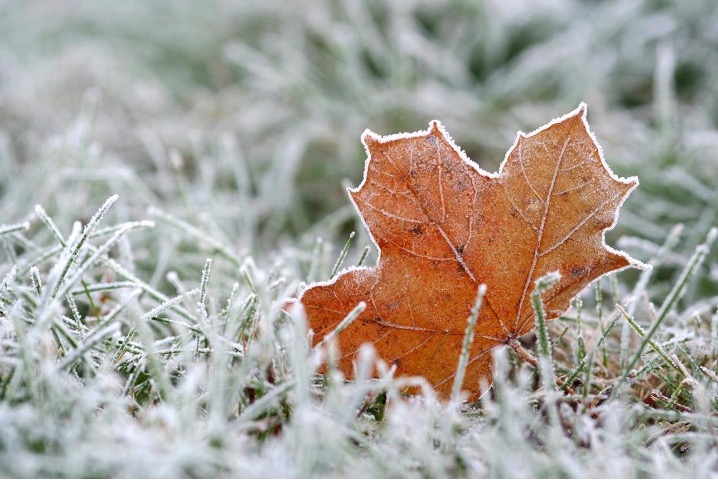
The Complete Fall Prep Approach: Our Rounds 5 and 6 Program
At Lawn Squad of Dayton, we designed our fall treatments specifically for the challenges Miami Valley lawns face heading into winter. Rounds 5 and 6 of our program deliver everything your lawn needs to survive Ohio’s cold months and emerge strong in spring.
Round 5 starts in mid August with fertilizer, root stimulant, weed control, insect control, disease control, and aeration. Round 6 follows in late September with fertilizer, weed control, insect control, winterizer, and additional aeration.
This approach works because it aligns with how cool season grasses naturally behave. As temperatures drop, Kentucky bluegrass, tall fescue, and perennial ryegrass shift energy from blade growth into root development. The nutrients and cultural practices we apply in fall support this natural process.
Whether you handle fall prep yourself or work with professionals, understanding why each step matters helps you make better decisions for your property.
Why Fall Prep Matters More Than Most Dayton Homeowners Realize
Cool season grasses have two major growth periods each year: spring and fall. Of the two, fall is more important for long term lawn health. The root growth and nutrient storage that happens between September and November determines how well your lawn handles winter stress and how quickly it greens up in spring.
Dayton’s climate makes fall prep especially critical. Our winters bring freeze and thaw cycles that heave soil and damage grass crowns. Ice formation, snow mold, and winter desiccation all threaten lawns that enter dormancy in poor condition.
The Greater Dayton area also deals with heavy clay soils that compact over the summer season. By fall, many lawns have soil so hard that water runs off instead of soaking in. Compacted soil limits root growth and stresses grass heading into winter.
Lawns that skip fall preparation often show it the following spring. Slow green up, thin spots, increased weed pressure, and disease susceptibility all trace back to poor fall care. The work you do now is an investment in next year’s lawn.
Fall Aeration Guide for Dayton Lawns
Core aeration is one of the most beneficial things you can do for your Dayton lawn in fall. Aeration relieves compaction, improves drainage, and creates ideal conditions for root growth and overseeding.
Why Aeration Matters
Every time you mow, walk across, or play on your lawn, you compress the soil underneath. Over a full growing season, this compression adds up. By fall, many Dayton lawns have soil packed so tight that grass roots cannot grow properly.
Compacted soil also limits water and nutrient penetration. Rain runs off instead of soaking in. Fertilizer sits on the surface instead of reaching roots. Grass growing in compacted soil stays shallow rooted and weak.
Core aeration pulls small plugs of soil out of the ground, creating thousands of channels through the compacted layer. Air, water, and nutrients flow through these channels to reach grass roots. Over time, the plugs break down and the soil structure improves.
When to Aerate
The best time to aerate Dayton lawns is late August through October. This timing allows grass to recover and fill in the holes before winter dormancy. Aerating earlier in summer stresses grass during heat, and aerating too late does not give grass time to recover.
Lawn Squad of Dayton includes aeration in our ELITE program during both Round 5 (mid August) and Round 6 (late September). This provides maximum benefit during the fall growing season.
What to Expect
After aeration, your lawn will be covered with small soil plugs about two to three inches long. Leave these plugs on the surface. They break down within a few weeks, returning organic matter and beneficial microbes to the soil.
Your lawn may look rough for a week or two after aeration. This is normal. The grass quickly recovers and the holes fill in as roots grow.
Critical warning: Avoid aerating during drought stress or extreme heat. Water your lawn well in the days before aeration so the soil is moist but not soggy. Aerating dry, hard soil produces poor results.
Fall Overseeding Guide for Dayton Lawns
Fall is the ideal time to thicken your lawn with overseeding. Cool temperatures, reliable rainfall, and reduced weed competition give new grass seed the best possible start.
Why Fall Seeding Works Best
Cool season grasses germinate best when soil temperatures are between 50 and 65 degrees. In the Dayton area, this typically occurs from mid September through mid October. Air temperatures are cool enough to reduce stress on seedlings, but soil is still warm enough for germination.
Fall seeding also avoids the pre emergent conflict that makes spring seeding difficult. Pre emergent crabgrass control, applied in early spring, prevents all seeds from germinating. Seeding in fall means you can apply pre emergent the following spring without affecting your new grass.
Weed pressure is naturally lower in fall. Annual weeds like crabgrass are dying back, and most weed seeds have already germinated for the year. Your new grass faces less competition than it would in spring.
How to Overseed
Combine overseeding with aeration for best results. Seeds that fall into aeration holes have direct contact with soil and are protected from birds and wind. Germination rates are significantly higher when you seed immediately after aerating.
Choose a seed blend that matches your existing lawn. Most Dayton lawns grow Kentucky bluegrass, tall fescue, or a mix of cool season grasses. Using similar seed produces a consistent appearance.
Apply seed at the rate recommended on the bag for overseeding, typically three to four pounds per 1,000 square feet. Water lightly two to three times daily until grass reaches about two inches tall, then transition to deeper, less frequent watering.
Seed Enhancement
Lawn Squad of Dayton offers seed enhancement as an add on service. Seed enhancement treatments improve germination rates and help young grass establish faster. This is especially valuable when seeding into challenging conditions like heavy clay or shaded areas.
Fall Fertilization Guide for Dayton Lawns
Fall fertilization is the single most important feeding your lawn receives all year. The nutrients applied in fall build root reserves that carry your lawn through winter and fuel spring green up.
Why Fall Feeding Matters
As temperatures cool, cool season grasses shift their energy from blade growth to root development. Grass plants store carbohydrates in their roots and crowns to survive winter dormancy. The more nutrients available during this storage period, the more reserves your lawn builds.
Lawns with strong fall fertilization green up faster in spring, resist disease better, and handle stress more effectively throughout the following year. Skipping fall fertilization shows in poor spring performance.
The Two Fall Applications
Dayton lawns benefit from two fall fertilizer applications: one in mid to late August and one in late September or October.
Round 5 (Mid August): This application includes fertilizer plus root stimulant. Root stimulant encourages deeper root growth during the fall growing season. Deeper roots help your lawn access water during dry periods and survive winter freeze cycles.
Round 6 (Late September to October): This application includes regular fertilizer plus winterizer. Winterizer formulations are designed specifically for late season feeding. They provide nutrients that grass stores for winter survival and early spring growth.
Winterizer Explained
Winterizer fertilizer is not optional for Dayton lawns. This late season application provides potassium and other nutrients that strengthen cell walls and improve cold tolerance. Lawns that receive winterizer survive Ohio winters better and green up weeks earlier than lawns that skip this feeding.
Apply winterizer after grass growth has slowed but before the ground freezes. In the Dayton area, this typically means late September through mid October. Applying too early wastes nutrients on blade growth. Applying too late means grass cannot absorb nutrients before dormancy.
Fall Weed Control Guide for Dayton Lawns
Fall is actually the best time to control many stubborn perennial weeds. Understanding why helps you make the most of fall weed treatments.
Why Fall Weed Control Works
Perennial weeds like dandelions, clover, and plantain survive winter by storing energy in their roots. In fall, these weeds actively move nutrients from their leaves down to their root systems for winter storage.
When you apply broadleaf weed control in fall, the herbicide travels with those nutrients directly to the roots. This delivers a more complete kill than spring applications, which target weeds focused on upward growth.
Fall weed control also reduces the weed population that emerges the following spring. Killing weeds before they set seed and before they build winter root reserves means fewer weeds to deal with next year.
Timing Fall Weed Treatments
Apply broadleaf weed control when weeds are actively growing but before hard frost kills them back. In the Greater Dayton area, this typically means September through mid October.
Lawn Squad of Dayton includes broadleaf weed control in both Round 5 and Round 6 applications. This provides multiple opportunities to catch weeds at their most vulnerable.
Fall Mowing Guide for Dayton Lawns
Proper mowing in fall helps your lawn enter winter in the best possible condition. A few adjustments to your routine make a significant difference.
Maintain Regular Height Through Early Fall
Keep mowing at your normal summer height of 3.5 to 4 inches through September and into October. Grass is still actively growing during this period and benefits from taller blades that support root development.
Continue mowing as long as grass is growing. Many Dayton homeowners put their mowers away too early and let grass get too tall before winter.
Gradually Lower for Final Cuts
For the last two or three mowings of the season, gradually lower your cutting height. Aim to have grass at about 2.5 to 3 inches going into winter.
Grass that enters winter too tall can mat down under snow and develop snow mold. Grass that is cut too short going into winter lacks the leaf area to photosynthesize during mild winter days.
Remove Leaves Regularly
Fallen leaves left on your lawn block sunlight and trap moisture against grass blades. This creates perfect conditions for fungal diseases. Rake or mulch mow leaves regularly through fall.
Light layers of chopped leaves from mulching can benefit your lawn by adding organic matter. Heavy layers that block sunlight need to be removed or chopped more finely.
How to Create a Fall Lawn Care Schedule
Planning your fall activities ensures nothing gets missed during this important season.
Step by step process:
- Check the calendar for your local first frost date (typically late October in Dayton)
- Count backward six weeks for your aeration and overseeding window
- Schedule winterizer application two to four weeks before first frost
- Plan final mowing for when grass stops growing, usually early to mid November
For example, if first frost is expected around October 25, schedule aeration and overseeding for mid September, winterizer for early October, and plan to mow through early November.
Practical tip: Weather varies year to year. Watch actual conditions, not just calendar dates. A warm October extends your working window while an early cold snap shortens it.
What About Fall Pest and Disease Control?
Fall pest and disease management protects your lawn heading into winter and prevents problems from carrying over to spring.
Grub Monitoring
If you applied preventative grub control in summer, your lawn should be protected. However, if you skipped prevention or moved into a new property, check for grub activity in early fall.
Signs of grub damage include brown patches that pull up easily and increased bird or animal digging in your lawn. If you find more than five to ten grubs per square foot, curative treatment may be needed.
Lawn Squad of Dayton includes grub prevention in our ELITE and PRO programs during Rounds 3 and 4. By fall, protected lawns have strong defenses against grub damage.
Surface Insect Control
Surface insects like chinch bugs and sod webworms can remain active into fall. Our programs include surface insect control in Round 5 and Round 6 to address any late season activity.
Disease Prevention
Fall diseases like snow mold can damage lawns during winter. Proper fall care reduces disease risk. Avoid heavy nitrogen fertilization late in fall, keep leaves raked, and maintain proper mowing height.
Lawns with a history of fungal problems may benefit from preventative fungicide treatment in fall. Talk with your lawn care provider about adding fungicide applications if disease has been an issue on your property.
Common Fall Lawn Care Mistakes Dayton Homeowners Make
After serving the Greater Dayton area and Miami Valley since 2001, we have seen these mistakes compromise fall preparation year after year.
Mistake 1: Skipping Aeration
Many homeowners think aeration is optional or only needed for problem lawns. In reality, most Dayton lawns benefit from annual aeration due to our heavy clay soils. Skipping aeration allows compaction to build year after year.
Mistake 2: Waiting Too Long to Overseed
Grass seed needs time to germinate and establish before winter. Seeding in late October gives seedlings little time to develop. Aim for mid September through early October in the Dayton area.
Mistake 3: Forgetting Winterizer
Some homeowners apply one fall fertilizer and consider the job done. Winterizer is a specific late season application that differs from regular fall fertilizer. Both are important for Ohio lawns.
Mistake 4: Cutting Grass Too Short for Winter
Scalping your lawn for the final mowing of the season weakens grass heading into winter. Gradually lower height over the last few mowings rather than cutting drastically short all at once.
Mistake 5: Letting Leaves Pile Up
A thick layer of leaves smothers grass and promotes disease. Stay on top of leaf removal throughout fall rather than waiting for all leaves to drop at once.
DIY Fall Prep vs. Professional Programs: Which Should You Choose?
DIY fall prep gives you control over timing and saves money on labor. You can rent an aerator, buy seed and fertilizer, and handle the work yourself. However, you need to coordinate multiple tasks within the right time windows and invest significant physical effort.
Best for: Homeowners with smaller properties, those who enjoy lawn work, and people with flexibility to work when weather cooperates.
Professional fall programs coordinate all the necessary services at optimal times. Professionals bring commercial equipment, quality products, and expertise in local conditions. The cost is higher but includes convenience and reliability.
Best for: Busy homeowners, larger properties, anyone who wants professional results without researching products and renting equipment.
Your Dayton Fall Lawn Care Calendar at a Glance
DIY Fall Schedule
| When | What to Do | Key Notes |
|---|---|---|
| Late August | Apply fall fertilizer with root stimulant | Supports fall root growth |
| Early September | Aerate lawn | Water well beforehand if soil is dry |
| Mid September | Overseed thin areas | Combine with aeration for best results |
| Late September | Apply broadleaf weed control | Target actively growing weeds |
| Early October | Apply winterizer fertilizer | Do not skip this application |
| October | Continue regular mowing | Remove leaves regularly |
| Late October | Begin lowering mowing height | Gradual reduction over final cuts |
| Early November | Final mowing at 2.5 to 3 inches | Clean up remaining leaves |
Lawn Squad of Dayton Program Schedule
| Round | Start Date | What We Apply |
|---|---|---|
| Round 5 | August 17, 2026 | Fertilizer, root stimulant, broadleaf weed control, surface insect control, disease control, aeration |
| Round 6 | September 28, 2026 | Fertilizer, broadleaf weed control, surface insect control, winterizer, aeration |
Add on services: Overseeding, seed enhancement, limestone application, fungicide program
The Bottom Line
Fall preparation is the foundation of a healthy Dayton lawn. The work you do between August and November determines how your grass survives winter and performs the following year.
Key principles to remember:
- Aerate in fall to relieve compaction from the growing season
- Overseed thin areas between mid September and mid October
- Apply both fall fertilizer and winterizer for complete nutrition
- Treat broadleaf weeds while they are moving nutrients to roots
- Gradually lower mowing height for the final cuts of the season
- Keep leaves removed to prevent smothering and disease
Lawns that receive thorough fall preparation green up faster in spring, resist weeds and disease better, and look healthier all season long. The investment you make now pays off for months to come.
Let Lawn Squad of Dayton Handle It For You
Every Dayton property has different fall needs based on soil conditions, sun exposure, existing grass health, and past problems. Our programs account for all these factors and deliver comprehensive fall care at the right times.
Our ELITE Program fall services include:
- Core aeration during Rounds 5 and 6
- Fertilizer applications timed for fall growth
- Root stimulant to encourage deep root development
- Winterizer to build nutrient reserves
- Broadleaf weed control at peak effectiveness
- Surface insect and disease control
- Unlimited service calls to address any concerns
Stop spending your fall weekends on lawn care. Let our experienced team prepare your lawn for winter while you enjoy the season.
Contact Lawn Squad of Dayton today at 937-984-1659 to get a free quote and ensure your lawn is ready for whatever Ohio’s winter brings.