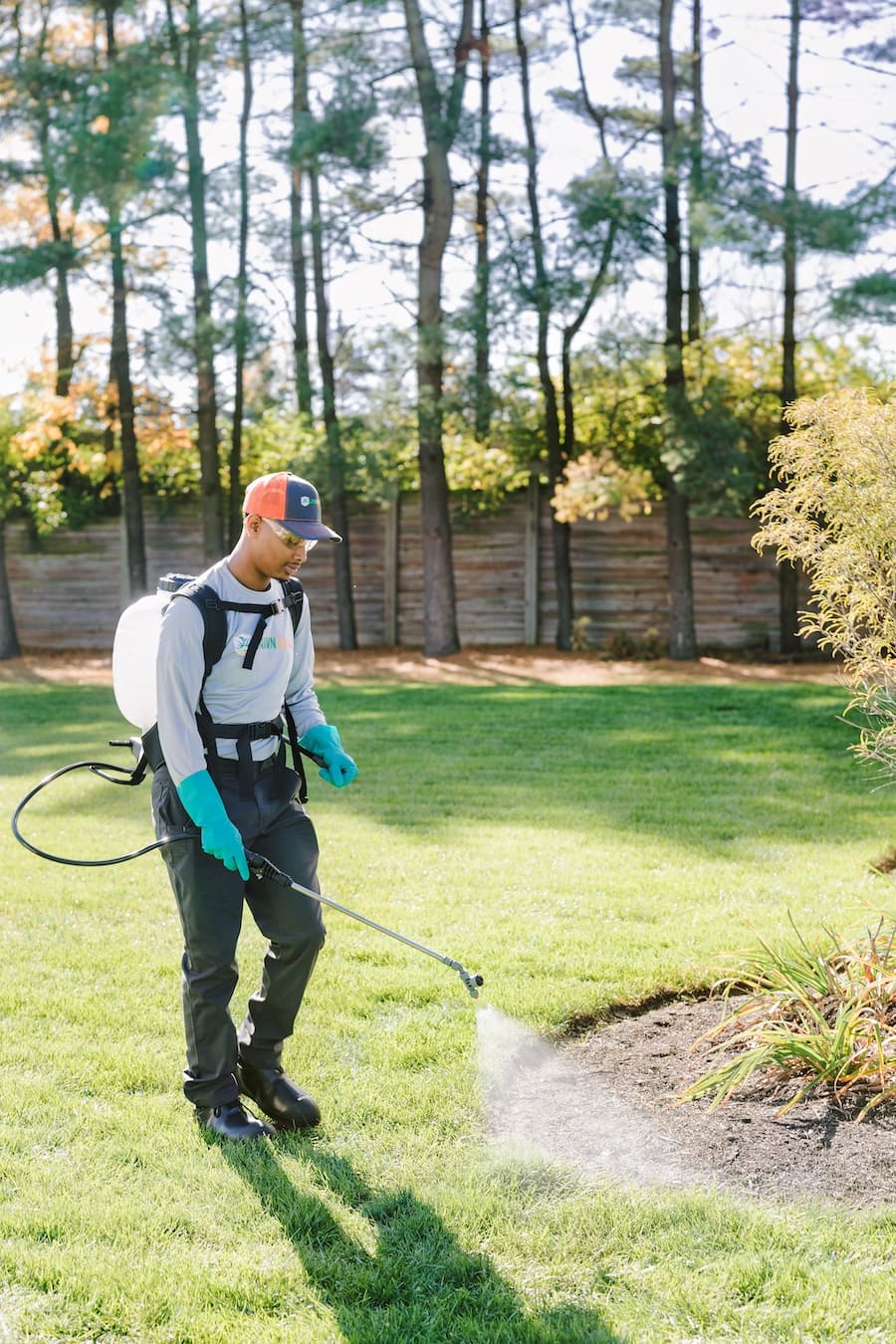
Short Answer: Pre-emergent crabgrass control in the Palm Beaches area is determined by soil temperature, not calendar date. The window opens when soil temperatures cross 55 degrees Fahrenheit at 4-inch depth consistently. In our area, that typically happens in late January or early February. Warm winters can push the window earlier. The early timing surprises many homeowners moving from cooler climates who expect April or May timing. Product choice matters: standard pre-emergent products work on most grasses but centipede requires careful product selection due to sensitivity. Split applications produce stronger control on chronic-crabgrass properties. Here is the practical guide for properties across West Palm Beach, Boca Raton, Delray Beach, Lake Worth, and the surrounding Palm Beaches area.
Pre-emergent crabgrass control in South Florida happens months before homeowners from cooler climates expect. Properties used to April or May timing miss the Palm Beaches window badly, and the resulting summer crabgrass shows up despite the spring application.
Across West Palm Beach, Boca Raton, Delray Beach, Lake Worth, Wellington, and our broader Palm Beaches service area, here is the practical guide.
The Soil Temperature Trigger
Crabgrass seeds germinate when soil temperatures reach 55 degrees Fahrenheit at 4-inch depth consistently. Air temperature does not drive this; soil temperature does.
For the Palm Beaches area, soil temperatures typically cross this threshold in late January through early February. Coastal proximity moderates winter temperatures and can produce earlier soil warming than inland areas. Cold winters delay the window; warm winters push it earlier.
Warm-season grasses (Bermuda, Zoysia, St. Augustine, Centipede) wake later than crabgrass. This means pre-emergent goes down on dormant or barely-active warm-season grass, well before the lawn looks like it needs anything.
Why Earlier Timing Here
The Palm Beaches pre-emergent window opens 1 to 3 months earlier than cooler climates. Properties applying in March or April have already missed the primary window in most years.
By the time most homeowners are thinking about lawn care in April, the crabgrass barrier should have been in place for weeks already. Earlier-than-expected timing is one of the most common explanations for poor crabgrass control here.
How Pre-Emergent Works
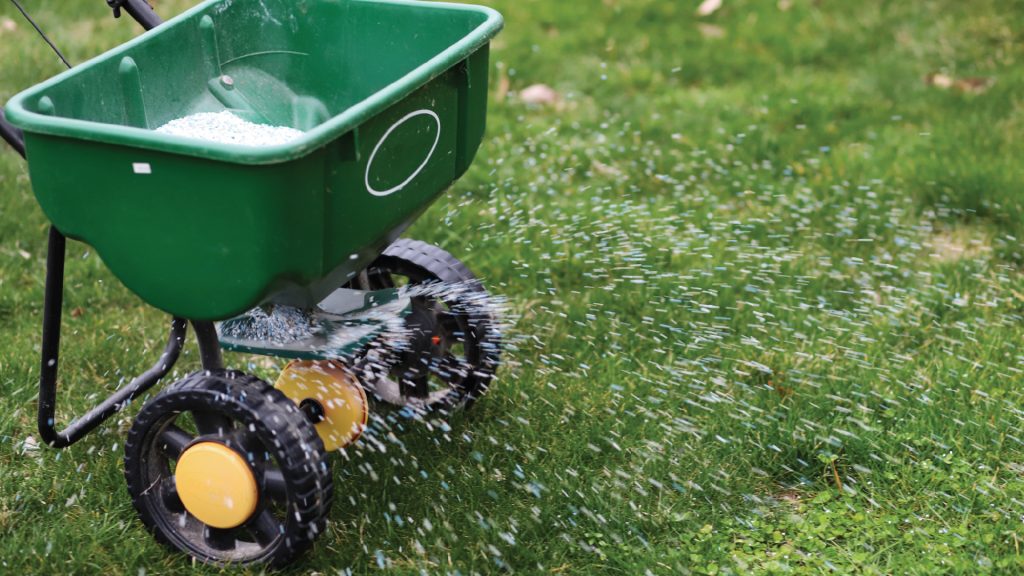
Pre-emergent creates a chemical barrier in the top half-inch of soil that interrupts root development of germinating grass seeds. Crabgrass seeds germinate just below the surface. When the developing root encounters the chemical barrier, root function is disrupted and the seedling dies.
The mechanism is entirely about timing. Once a seedling pushes its first leaf above ground, pre-emergent has no effect.
Product Selection for South Florida Grasses
Different grass types have different pre-emergent sensitivities:
St. Augustine and Bermuda: tolerate most pre-emergent products. Prodiamine, dithiopyr, and pendimethalin all work.
Zoysia: tolerates most products, though heavy rates can produce slight slowing of spring activity.
Centipede: sensitive to several pre-emergent active ingredients. Read product labels carefully. Some standard products labeled for general lawn use should not be applied to centipede.
Bahia: more tolerant than centipede but check product labels.
For mixed-grass properties, the most sensitive grass present should drive product selection.
Why Pre-Emergent Does Not Slow Warm-Season Grass
Pre-emergent chemistry targets germinating annual grass seeds, not established perennial grass runners and crowns. Standard rates produce no meaningful effect on Bermuda, St. Augustine, or Zoysia waking up.
Heavy rates or repeated applications can produce mild slowing on green-up, but typically less than a week.
Tracking Soil Temperature
Several sources work for tracking soil temperature in our area:
University of Florida Extension publishes soil temperature data through winter and spring.
Direct measurement with a soil thermometer on your property is most accurate. Cost is $10 to $20.
Visible indicators help. Bermuda showing first green tinge in stolons correlates with crabgrass germination approach.
Why Applying Too Early Backfires
Pre-emergent has finite effective life. Most products provide 8 to 12 weeks of full effectiveness.
Apply in December and crabgrass germination does not begin until February. The barrier is already 4 to 8 weeks into its lifespan when seeds wake. By April, the barrier is at half strength. By July when secondary germination flushes happen, the barrier has effectively run out.
Why Applying Too Late Backfires
Apply after crabgrass has germinated and the product does almost nothing for seeds that already sprouted. For Palm Beaches lawns, the signal of late application is crabgrass visible by March or April despite an early-season application.
Split Application Strategy
For Palm Beaches properties with significant crabgrass history, a single application is rarely enough. Crabgrass has multiple germination flushes through spring and summer in our year-round climate.
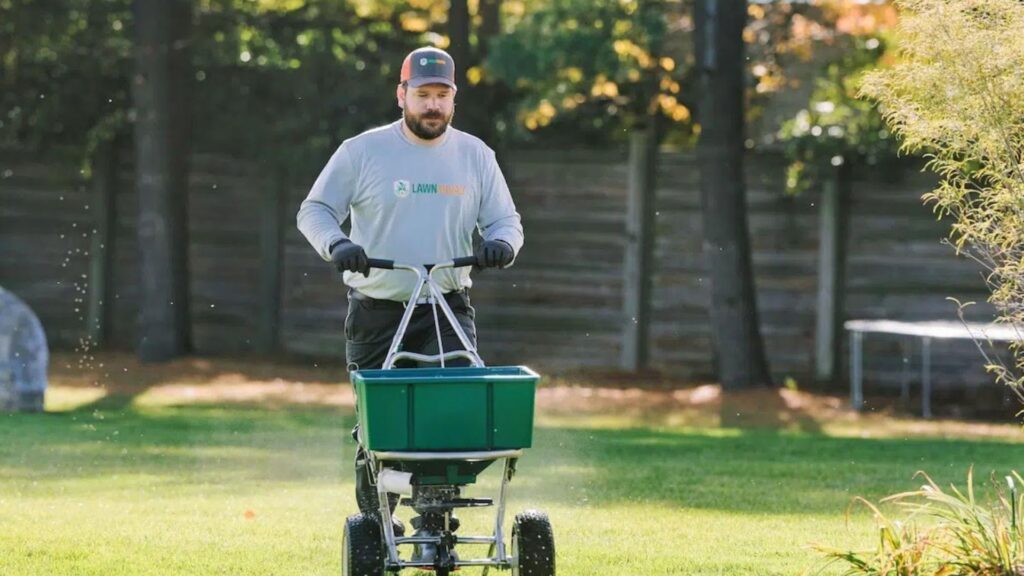
The split approach uses two treatments. First at the soil-temperature window in late January or February. Second 8 to 10 weeks later, typically April or early May. Combined coverage maintains the barrier through the entire germination season.
Some properties benefit from three applications across the year to maintain a barrier through our long growing season.
What Disrupts the Barrier
Core aeration breaks the chemical barrier where cores come out. Schedule aeration for late spring or summer (after warm-season grass is actively growing), not after pre-emergent.
Heavy rainfall can move chemistry below the germination zone. South Florida produces heavy rain events. Modern formulations resist this but extreme storms affect barrier strength.
Soil disturbance from edging or digging breaks the barrier locally.
Overseeding into treated areas. Pre-emergent prevents grass seed germination.
Sandy Soil Considerations
Sandy coastal soils common in our area have different characteristics than clay or loam:
Faster water infiltration. Pre-emergent activation happens faster but can also move below the germination zone faster during heavy rain.
Lower retention. Sandy soils hold less chemistry over time. Effective barrier life may be shorter than on heavier soils.
These factors slightly favor split applications on sandy soil properties.
Tropical Rainfall Considerations
South Florida rainfall patterns affect pre-emergent management. Wet season events produce heavy rainfall that can affect barrier strength. Dry season patterns affect activation timing.
Timing applications during dry stretches between rainfall events produces better activation than applying immediately before heavy rain.
What If You Already Missed the Window
If crabgrass is already up:
Post-emergent crabgrass herbicide on small actively-growing plants. Most effective when plants have fewer than 4 leaves.
Hand pulling for small infestations.
Living with it for the season. Crabgrass is an annual that dies after first frost (rare in Palm Beaches).
Late-summer pre-emergent for Poa annua and other cool-season annuals germinating in fall.
Common Mistakes
Applying based on cooler-climate timing. Our window opens in January or February.
Using last year’s date when this year is different.
Wrong product for centipede lawns. Read labels.
Combining pre-emergent with weed-and-feed at wrong timing.
Aerating after pre-emergent.
Skipping the application on chronic crabgrass properties.
Coordinating Pre-Emergent With Year-Round Management
Spring pre-emergent is one piece of broader year-round management. Fall pre-emergent at the appropriate window stops cool-season annual weeds like Poa annua. Continuous monitoring catches escape weeds for spot treatment. Cultural practices (proper mowing, watering, fertility) reduce the lawn density issues that allow weeds in.
Properties on consistent multi-year programs typically show progressively less weed pressure as the seed bank depletes and lawn density improves. The cumulative benefit compounds across years.
How Hurricane Season Affects Pre-Emergent Strategy
South Florida tropical storms and hurricanes produce extreme rainfall events that can affect pre-emergent barrier integrity. Storm activity timing matters for planning applications.
Major storms in the late spring or summer can disrupt barriers laid down earlier. Properties with chronic crabgrass and significant storm exposure may benefit from heavier pre-emergent programs or recovery applications after storm events.
What to Do Next
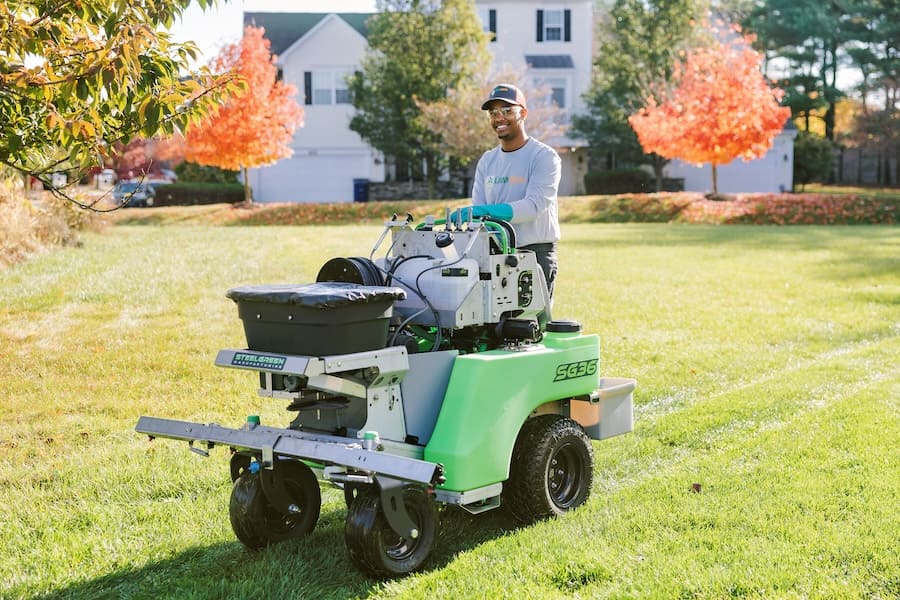
If you would rather have someone else handle the timing decisions, product selection, and application for your Palm Beaches lawn, we are here for that.
Visit lawnsquad.com to find Lawn Squad of The Palm Beaches and request a free quote. Our VitaminLawn program is built specifically for the grass types, soils, and weather patterns in our service area. Most homeowners see noticeable improvement within the first two applications.