

Is It Too Late to Fertilize Your Northern Kentucky Lawn in November?
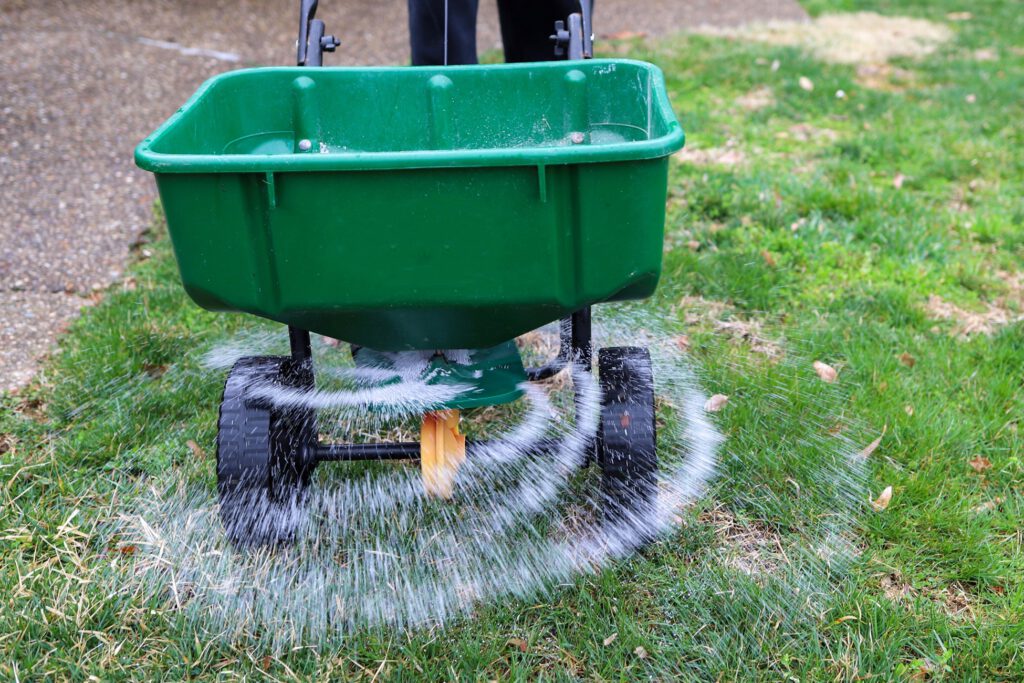
Is It Too Late to Fertilize Your Northern Kentucky Lawn in November?
Short Answer: Usually not. For tall fescue and Kentucky bluegrass lawns in Northern Kentucky, November is not too late. It is the ideal time for a late-season winterizer. The window stays open as long as the grass is still green and the ground is not frozen, which in most years runs into late November and sometimes early December. What closes it is frozen soil, a dormant brown lawn, or a lawn buried under snow or matted leaves. Zoysia lawns are the exception, since they go dormant after the first hard frost and should not get late-season nitrogen.
If you are reading this, you may have just realized the fertilizer bag in the garage never made it onto the lawn this fall. Or maybe you fed in September and are wondering whether one more application now would help or hurt. Either way, the calendar says November, and it feels like the window must have closed.
That is a very reasonable worry, and it is one we hear from homeowners across Northern Kentucky every year. The honest answer is that for most lawns here, November is not late at all. In many ways it is right on time.
Why November Is Not Too Late for Cool-Season Grass
Most Northern Kentucky lawns are tall fescue, often blended with Kentucky bluegrass. Both are cool-season grasses that keep working long after the summer flowers have faded. Top growth slows as the days get shorter, but the roots stay active as long as the soil is above freezing.
That is exactly why a late-season feeding works. The grass takes up nitrogen in November and stores it in its crowns and roots rather than turning it into leaf growth. That stored energy fuels next spring’s green-up. University extension programs in our region have recommended late fall feeding for cool-season lawns for decades for this reason.
So if your lawn is still green and you are only mowing occasionally, you are not late. You are in the window.
What Actually Closes the Window
Four things signal that it is too late to feed for the year.
The first is frozen ground. Once the top layer of soil freezes, roots cannot take up nutrients, and fertilizer sitting on frozen ground mostly waits for the next thaw or heavy rain to move it. In Northern Kentucky, the soil usually does not stay frozen until December or later, though a hard cold snap can freeze the surface temporarily.
The second is a fully dormant lawn. If your fescue has turned brown across the whole yard after an extended cold stretch, it is no longer taking up much of anything.
The third is snow cover. Spreading fertilizer on snow is a recipe for runoff when it melts.
The fourth is a lawn buried under leaves. Fertilizer spread over a heavy leaf mat never reaches the soil. Clearing the leaves first reopens the window.
Frosty Mornings Are Not the Same as Frozen Ground
This is where a lot of homeowners give up too early. A frost on the lawn at 7 in the morning does not mean the ground is frozen. Frost forms on the blades when the air near the surface drops below freezing, but the soil an inch or two down is usually still well above that.
Here is a simple check. Walk out mid-morning after the frost has melted and push a screwdriver into the lawn. If it goes in easily, the ground is not frozen. If you have to lean on it, wait for a milder stretch.
One caution: avoid walking on a frosted lawn. Frozen grass blades are brittle and can break under foot traffic, leaving footprints that show up as brown marks for days.
How Late Is Too Late in Northern Kentucky?
Every year is different, but here is what we have found works best for our area. Plan for early to mid November as the target, and think of late November as the outer edge. In a mild year, the window can stretch into early December. In a year with an early hard freeze, it can close sooner.
Northern Kentucky weather swings a lot this time of year. A cold week in mid November is often followed by a warm, dry stretch. If you miss one window, there is often another a week or two later.
What If You Missed the Window Completely?
If the ground freezes before you get the late-season feeding down, it is not the end of the world. Your lawn will still green up in spring. It may simply be a little slower and less even than it would have been.
The worst response is to apply fertilizer on frozen ground in January just to say it got done. That product mostly ends up in the street and storm drains. A better plan is to note it for next year and schedule an early spring feeding once the soil warms and the grass starts to grow again in March or April.
What About Lawns That Were Never Fed This Fall?
If your lawn skipped the September feeding too, a November application still helps. It will not make up for everything, but it gives the grass something to store before winter. Thin, hungry lawns often show the biggest difference in spring from a single late-season feeding.
If your lawn was seeded or aerated this fall, a late-season feeding is especially helpful, because young grass has small root systems and benefits from extra stored energy heading into its first winter.
Does a Late Feeding Hurt Anything?
Some homeowners worry that fertilizing late will push tender growth right before a freeze and damage the lawn. For cool-season grasses, that is rarely a concern in November. By this point, the shorter days and cooler temperatures have already slowed top growth, so the plant stores most of what it takes up instead of pushing out new blades. The bigger risks are practical ones: product washing off frozen or saturated ground, or granules landing on hard surfaces. Those are easy to avoid with good timing and a quick sweep afterward.
The Zoysia Exception
Not every lawn in Northern Kentucky should be fed in November. Zoysia is a warm-season grass that turns tan after the first hard frost and stays dormant until late spring. For zoysia, it is too late in November. Late-season nitrogen is not used by dormant zoysia and can make it more vulnerable to winter injury. If part or all of your lawn turned tan in October while the neighbors’ fescue stayed green, that part is likely zoysia and should be skipped.
Weather Matters on Application Day
Once you have decided to apply, a few details help the feeding work. A light rain or a gentle watering afterward moves the fertilizer into the soil. A heavy downpour right after application can wash product off sloped clay lawns, which are common across Northern Kentucky. Windy days scatter granules onto driveways and beds, so a calm day is better. And sweeping granules off hard surfaces keeps them out of storm drains that lead to our creeks and rivers.
What Spring Looks Like When You Did Not Give Up
Imagine this. It is late March. You almost skipped the November feeding because it seemed too late. Instead, you checked the soil, found it workable, and got it down the week before Thanksgiving. Now your lawn is greening up evenly while the neighbors’ lawns are still mostly tan. That small decision in November paid off.
What to Do Next
If your lawn is still green and the ground is not frozen, there is still time. Clear heavy leaves first, check the soil with a screwdriver after the morning frost melts, choose a nitrogen-focused late-season product, and apply on a calm day ahead of a light rain. Skip zoysia, and if the ground has already frozen solid, save the feeding for spring.
If you would rather have someone else handle the timing decisions, product selection, and application for your Northern Kentucky lawn, we are here for that. Lawn Squad of Northern Kentucky serves homeowners across the region. Visit lawnsquad.com to request a free quote. Our VitaminLawn program is built for the grass types, soils, and weather patterns we deal with here.
Here is what to expect. We will look at your grass type, the condition of the turf after this year, and any trouble spots, then explain what we would apply this month and why. If your lawn does not need a late-season application, we will tell you that honestly.
