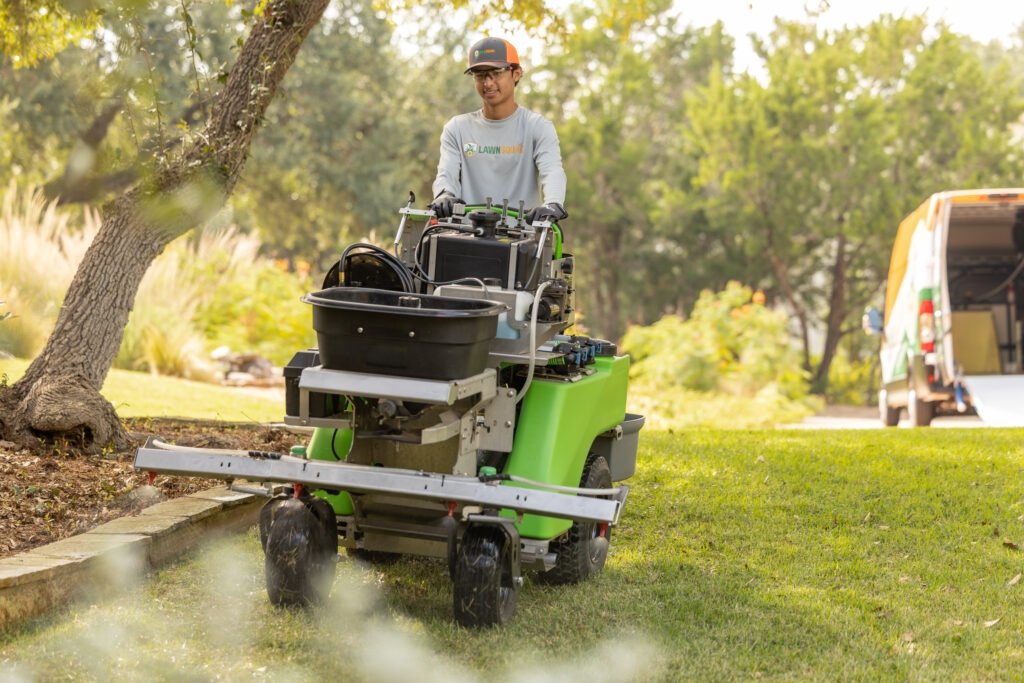
The short answer: Reviving patchy spots in your Dayton lawn starts with identifying the cause. Brown patches can result from grubs, fungal disease, pet damage, soil compaction, or simply heavy foot traffic. Once you know what caused the damage, the fix usually involves removing dead material, improving the soil, and overseeding in fall for best results.
Most Dayton homeowners see the best results when they overseed patchy areas in September or October during our fall growing season.
Quick overview:
- Grub damage: Treat for grubs first, then reseed in fall
- Disease damage: Address fungal issues, improve drainage, overseed when disease is controlled
- Pet or traffic damage: Amend soil, overseed, and redirect traffic patterns
- Compaction: Aerate the area before seeding
Understanding what killed your grass helps you fix the problem permanently instead of watching new grass die the same way.rofessionals, understanding these basics will help your Dayton lawn survive and thrive through July and August.

The Complete Lawn Repair Approach: Aeration and Overseeding
At Lawn Squad of Dayton, we see patchy lawns throughout the Miami Valley every season. Our approach combines core aeration with professional overseeding to give new grass the best chance of success.
This method works because aeration breaks up compacted soil and creates seed to soil contact. Seeds that fall into aeration holes germinate faster and develop stronger root systems than seeds sitting on top of hard packed ground.
Whether you tackle lawn repair yourself or work with professionals, understanding why patches developed helps you prevent the same problem from returning.
Why Patchy Lawns Happen More Than Most Dayton Homeowners Realize
Dayton lawns face a unique combination of challenges that create bare and thin spots. Our clay heavy soils compact easily under foot traffic and mowing. Compacted soil suffocates grass roots and prevents water from reaching them.
Our humid summers create perfect conditions for fungal diseases like brown patch and dollar spot. These diseases can kill patches of grass within days during warm, wet weather. A lawn that looked healthy on Monday can show dead brown circles by Friday.
Grubs are another major cause of patchy lawns in the Greater Dayton area. Japanese beetle larvae feed on grass roots from July through October. By the time you notice the brown patch, grubs have already destroyed the root system underneath.
The Miami Valley’s freeze and thaw cycles during winter and early spring also damage lawns. Ice formation kills grass crowns, and spring flooding drowns root systems in low lying areas.
Pet urine, heavy foot traffic, spilled chemicals, and buried debris all create localized dead spots that stand out against healthy turf.
Fall Overseeding Guide for Dayton Lawns
Fall is the ideal time to repair patchy spots in Dayton. Cool temperatures, reliable rainfall, and reduced weed pressure give new grass seed the best growing conditions.
Step 1: Identify the Cause
Before you add new seed, figure out what killed the original grass. Adding seed without fixing the underlying problem wastes time and money.
Signs of grub damage: Brown patches that pull up easily like carpet. The grass has no roots holding it down. You may see white C shaped grubs in the soil underneath.
Signs of fungal disease: Circular brown patches, sometimes with a darker ring around the edge. Grass blades may show lesions or have a water soaked appearance. Disease often appears after humid weather.
Signs of compaction: Grass thins gradually in high traffic areas. Soil feels hard when you push a screwdriver into it. Water puddles on the surface instead of soaking in.
Signs of pet damage: Small circular dead spots, often with a ring of darker green grass around the edge. Located where pets frequently urinate.
Step 2: Prepare the Area
Remove dead grass and debris from the patchy area. Rake thoroughly to expose bare soil. For small patches, a hard rake works fine. For larger areas, consider renting a power rake or dethatcher.
If soil is compacted, aerate the area. Core aeration pulls plugs of soil out of the ground, creating channels for air, water, and roots. Leave the plugs on the surface to break down naturally.
For areas damaged by grubs or disease, treat the underlying problem first. Seeding over active grub infestation or fungal disease will fail.
Step 3: Improve the Soil
Spread a thin layer of compost or topsoil over the prepared area. About a quarter inch is enough to improve seed to soil contact without burying existing grass.
If a soil test shows low pH, this is a good time to add limestone. Ohio clay soils often run acidic, which limits nutrient availability for new grass.
Step 4: Apply Seed
Choose a grass seed blend appropriate for your conditions. Most Dayton lawns grow Kentucky bluegrass, tall fescue, or a mix of cool season grasses. Match your seed to what already grows in your lawn for a consistent appearance.
Apply seed at the rate recommended on the bag for overseeding, typically about half the rate used for new lawns. More seed is not better. Overcrowded seedlings compete for resources and grow weaker.
For best germination, apply a seed enhancement product or starter fertilizer with your seed. Lawn Squad of Dayton offers seed enhancement as an add on service that improves germination rates.
Step 5: Water Consistently
New grass seed needs consistent moisture to germinate. Water lightly two to three times daily to keep the soil surface moist but not soggy. Each watering should last about five to ten minutes.
Continue this frequent light watering until grass reaches about two inches tall. Then transition to deeper, less frequent watering to encourage root development.
Critical warning: Do not let new seed dry out during germination. Even a few hours of dry conditions can kill emerging seedlings. Set reminders or use a timer on your irrigation system.
Spring Overseeding Guide for Dayton Lawns
Spring overseeding is possible but comes with significant challenges. Understanding these limitations helps you decide whether to wait for fall.
The Pre Emergent Conflict
Most Dayton lawns need pre emergent crabgrass control in early spring. Pre emergent herbicides create a barrier that stops seeds from germinating. This includes grass seed, not just weed seeds.
If you overseed in spring, you cannot apply pre emergent to that area. This means crabgrass and other weeds will invade the thin spots you are trying to repair.
If you apply pre emergent and then try to overseed, the grass seed will not germinate. The same barrier that stops crabgrass stops your desired grass.
When Spring Seeding Makes Sense
Spring overseeding works best when:
You have severe winter damage that cannot wait until fall. A lawn with more than 50% damage needs immediate repair to prevent erosion and weed invasion.
You are willing to accept some crabgrass in exchange for faster grass establishment. You can treat crabgrass curatively later, though it costs more than prevention.
You can water frequently enough to keep seed moist through unpredictable spring weather. Spring in Dayton can swing from 40 degrees to 80 degrees within a week.
Spring Seeding Steps
If you choose to overseed in spring, follow the same preparation steps as fall seeding. Timing is critical. Seed early enough that grass establishes before summer heat arrives, typically by mid April.
Apply starter fertilizer instead of pre emergent with your seed. Plan to treat any crabgrass that emerges with post emergent products later in the season.
Lawn Squad recommendation: We advise spring aeration and overseeding customers about the pre emergent conflict upfront. In most cases, waiting for fall produces better results with fewer ongoing weed problems.
How to Calculate Seed Amounts for Patchy Areas
Figuring out how much grass seed you need prevents waste and ensures good coverage.
Step by step process:
- Measure each patchy area in square feet (length times width)
- Add up the total square footage of all patches
- Check the seed bag for the overseeding rate (usually 3 to 4 pounds per 1,000 square feet)
- Calculate: (Total square feet ÷ 1,000) × overseeding rate = pounds of seed needed
For example, if you have three patches totaling 200 square feet and your seed recommends 4 pounds per 1,000 square feet, you need about 0.8 pounds of seed.
Practical tip: Buy slightly more than your calculation suggests. Having extra seed allows you to touch up thin spots after germination without making another trip to the store.
What About Core Aeration?
Core aeration is one of the most effective treatments for reviving patchy, struggling lawns. Aeration relieves soil compaction, improves drainage, and creates ideal conditions for overseeding.
Dayton’s clay soils compact easily, especially in high traffic areas. Compacted soil prevents roots from growing deep, limits water penetration, and reduces nutrient uptake. Grass growing in compacted soil stays thin and weak.
Aeration pulls small plugs of soil out of the ground, creating channels through the compacted layer. Roots grow into these channels, water soaks deeper into the soil, and the lawn thickens naturally over time.
Lawn Squad of Dayton includes aeration in our ELITE program during Rounds 5 and 6 in late summer and fall. This timing coincides with the fall growth period when grass recovers fastest and benefits most from improved soil conditions.
We recommend annual aeration for most Dayton lawns, especially those with heavy clay soil or regular foot traffic.
Common Mistakes When Repairing Patchy Lawns
After serving the Greater Dayton area and Southwest Ohio since 2001, we have seen these mistakes set back lawn repair efforts.
Mistake 1: Seeding Over Active Problems
Adding grass seed over an active grub infestation or fungal disease wastes money. The new grass will die just like the old grass. Identify and treat the cause first, then seed once the problem is controlled.
Mistake 2: Seeding at the Wrong Time
Grass seed planted in July will struggle to survive Dayton’s summer heat. Seed planted in November will sit dormant until spring, exposed to erosion and hungry birds. Fall between September 15 and October 15 offers the best conditions.
Mistake 3: Skipping Soil Preparation
Scattering seed on top of hard packed soil produces poor results. Seeds need contact with loose soil to germinate properly. Take time to rake, aerate, or otherwise prepare the seedbed.
Mistake 4: Watering Incorrectly
New seed needs frequent light watering, not the deep weekly soaking established lawns prefer. Letting seed dry out during germination kills it. Overwatering creates soggy conditions that promote disease.
Mistake 5: Mowing Too Soon or Too Short
Wait until new grass reaches three inches before mowing. Set your mower at the highest setting for the first few cuts. Mowing too soon or too short stresses young grass plants before they establish strong roots.
Overseeding vs. Complete Renovation: Which Should You Choose?
Overseeding adds new grass seed to an existing lawn to thicken thin areas and fill patches. It works best when your lawn is at least 50% healthy grass. Overseeding costs less and causes less disruption than complete renovation.
Best for: Lawns with scattered thin spots, minor damage from grubs or disease, gradual thinning from age or compaction, and homeowners who want improvement without starting over.
Complete renovation kills the existing lawn and starts fresh with new seed or sod. It makes sense when weeds or undesirable grasses dominate, when more than half the lawn is dead, or when you want to change grass types entirely.
Best for: Lawns overrun with crabgrass or other weeds, severe grub or disease damage affecting most of the property, and homeowners willing to invest in a complete restart.
Your Dayton Lawn Repair Calendar at a Glance
DIY Fall Repair Schedule
| When | What to Do | Key Notes |
|---|---|---|
| Early September | Identify cause of patches | Treat grubs or disease first if present |
| Mid September | Aerate and prepare soil | Core aeration gives best results |
| Late September | Apply seed and starter fertilizer | Water lightly 2 to 3 times daily |
| October | Continue watering, monitor germination | Keep soil moist until grass is 2 inches |
| Late October | First mow when grass reaches 3 inches | Use highest mower setting |
| November | Apply winterizer fertilizer | Helps new grass survive winter |
Lawn Squad of Dayton Program Schedule
| Round | Timing | Services for Lawn Repair |
|---|---|---|
| Round 3 | May 25, 2026 | Grub prevention to protect against future damage |
| Round 4 | July 6, 2026 | Continued grub prevention and disease control |
| Round 5 | August 17, 2026 | Aeration, fertilizer, root stimulant |
| Round 6 | September 28, 2026 | Aeration, winterizer, weed control |
Add on services: Overseeding, seed enhancement, soil testing, limestone application
The Bottom Line
Patchy spots do not have to be permanent features of your Dayton lawn. With proper diagnosis and correctly timed repair, even severely damaged areas can become thick, healthy turf.
Key principles to remember:
- Identify what caused the damage before adding new seed
- Fall is the best time to overseed in Dayton, typically mid September through mid October
- Aeration dramatically improves overseeding results in clay soils
- New grass seed needs consistent moisture, not deep soaking
- Spring seeding conflicts with pre emergent crabgrass control
Lawns repaired in fall establish strong root systems before winter and fill in beautifully the following spring. Patience and proper timing produce far better results than rushing the process.
Let Lawn Squad of Dayton Handle It For You
Every patchy lawn has a different story. Grub damage requires different treatment than fungal disease. Compacted clay soil needs different preparation than sandy loam. Shady areas need different seed mixes than full sun locations.
Our team diagnoses the cause of your lawn problems and creates a repair plan specific to your property.
Our lawn repair services include:
- Core aeration to relieve soil compaction
- Professional overseeding with quality seed blends
- Seed enhancement for improved germination
- Grub prevention and curative treatments
- Fungicide programs for disease prone lawns
- Soil testing and limestone application
- Unlimited service calls to monitor recovery
Stop watching patchy spots spread across your lawn. Let our experienced team restore your turf to the thick, green lawn your Dayton property deserves.
Contact Lawn Squad of Dayton today at 937-984-1659 to schedule a lawn evaluation and get a personalized repair plan for your property.