In North Atlanta, one minute your lawn is soaked from a heavy downpour, and the next it’s baking under the intense sun. Meanwhile, your neighbors are at the park comparing notes on whose grass looks the greenest, and you’re left wondering why your own yard can’t seem to catch a break.
You step outside and see the telltale signs of trouble—water pooling in low spots, dry patches forming on slopes, and grass that seems unsure whether it’s drowning or drying out. It’s frustrating, and it’s easy to feel like you’re falling behind.
But here’s the good news: the challenges caused by North Atlanta’s clay soil and unpredictable rain patterns can be solved. In this post, we’ll break down what’s really happening in your lawn and show you how to protect it so it stays healthy and resilient, no matter what the weather throws your way.
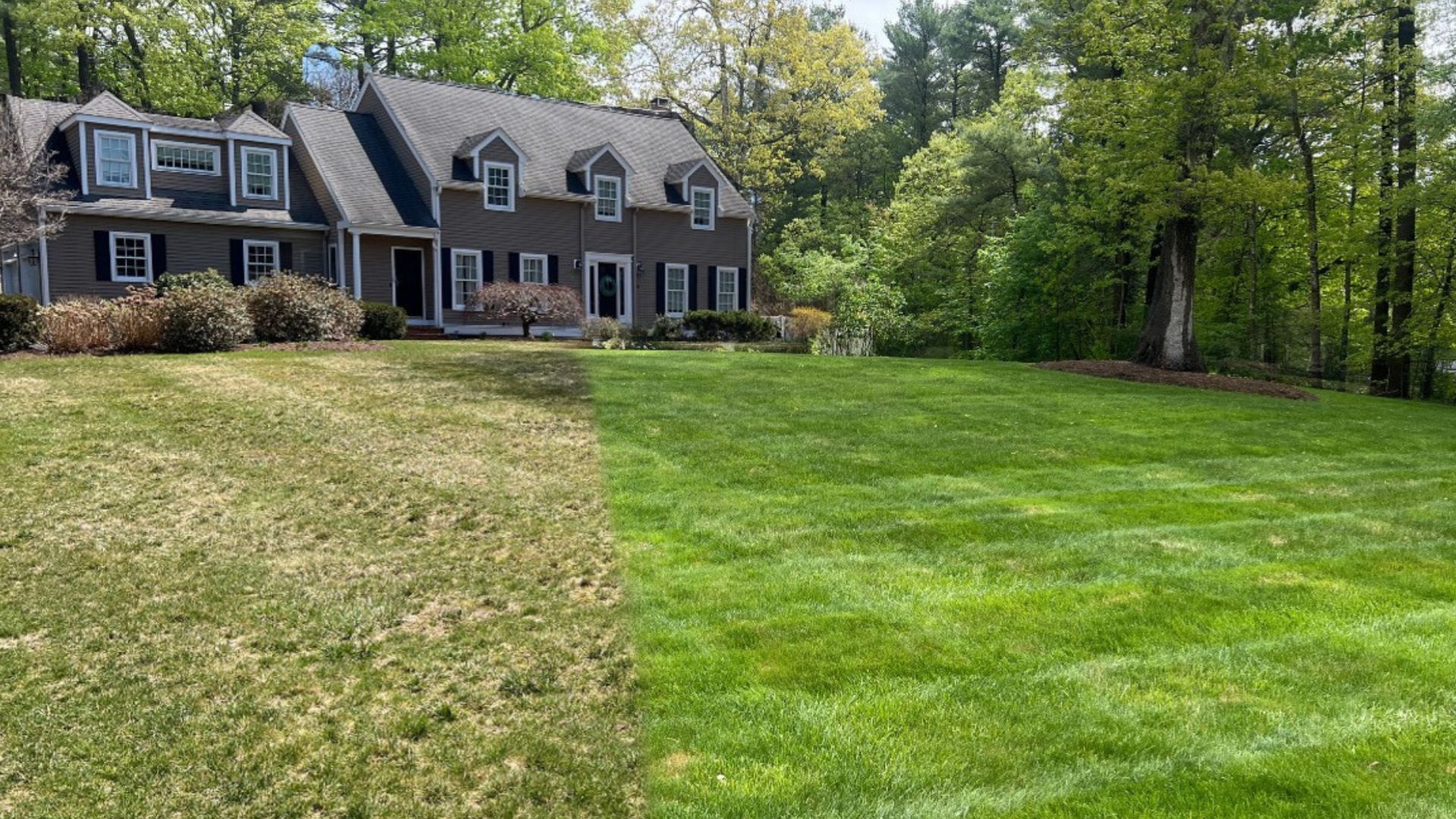
Understanding Why Your North Atlanta Grass Isn’t Thriving
North Atlanta homeowners face a multitude of challenges that make achieving a lush lawn a true test of patience. Our hilly terrain, compacted red clay soil, and the oppressive summer heat create a perfect storm for lawn struggles.
Toss in the shade from towering oak trees and the occasional hillside property, and it’s no wonder many of us feel defeated. Just ask Karen, a resident of East Cobb, who shared, “Every time it rains, my yard turns into a muddy mess. I’ve tried everything, from aeration to fertilization, but it just doesn’t seem to work!”
Karen’s story is all too common. The truth is, typical DIY methods often fall short in our specific climate and soil conditions, leaving homeowners frustrated and their lawns looking worse for wear.
Easy Lawn Solutions That Deliver Results
Don’t despair—there are actionable solutions to help your lawn thrive, even during the heavy rains. Here’s a step-by-step guide to getting your yard back on track:
- Assess Your Drainage: Start by identifying low spots in your yard where water tends to pool. Use a shovel to create a gentle slope away from your house, ensuring that water drains naturally.
- Install French Drains: If pooling persists, consider installing French drains. These trenches filled with gravel and perforated pipe help redirect excess water away from your yard, preventing muddy patches.
- Create a Rain Garden: Transform a wet area into a rain garden by planting native species that thrive in moist soil. This not only helps absorb excess water but also adds beauty to your landscape.
- Choose the Right Plants: Opt for native plants that can withstand our unique red clay soil and moisture levels. Look for varieties such as Black-eyed Susans or Swamp Sunflowers that thrive in wet conditions.
- Mulch Wisely: A layer of mulch not only retains moisture but also minimizes erosion during heavy rains. Aim for about 2-3 inches around your plants, keeping it away from the plant stems to prevent rot.
- Regular Checks: After heavy rainfall, check for pooling water or any signs of erosion. This proactive approach allows you to make necessary adjustments before they escalate into bigger issues.
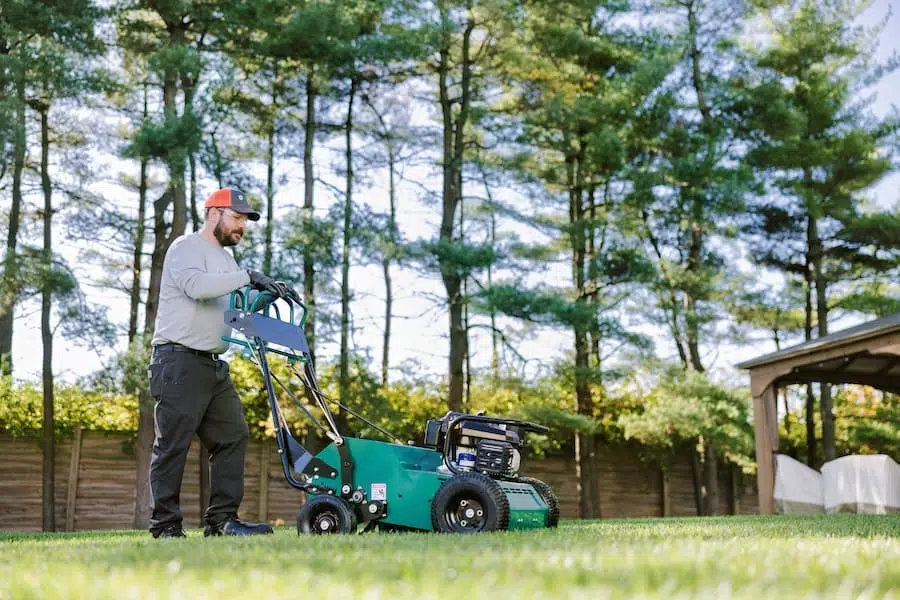
- Aerate Your Lawn: Compacted red clay can severely limit root growth and water absorption. Aerating your lawn allows air, water, and nutrients to penetrate deeper into the soil, promoting healthier grass.
The #1 mistake many homeowners make? Ignoring soil testing. Understanding your soil’s pH and nutrient levels can guide you in selecting the right amendments, paving the way for a stronger lawn.h.
From Patchy to Perfect: A North Atlanta Lawn Makeover
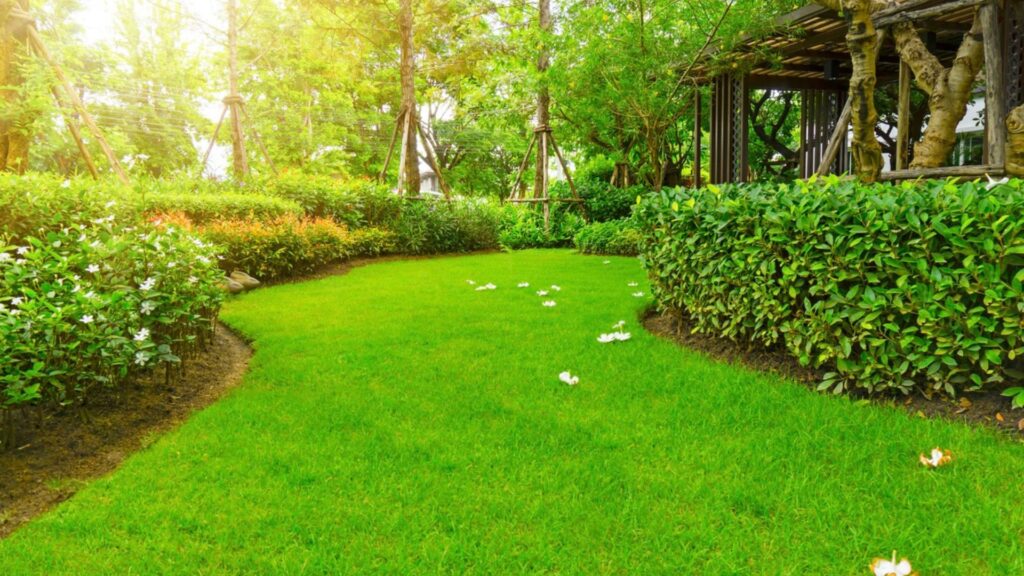
Let’s revisit Karen’s journey. After following these steps and implementing a rain garden, she saw her yard transform from a muddy mess to a vibrant green oasis.
“I can’t believe the difference! My kids love playing in the yard now,” she beamed, recalling the joy of hosting summer BBQs with her neighbors.
Picture this: children running up and down the gentle slopes of her yard, laughter echoing through the air, while summer storms roll in, bringing much-needed rain without turning the backyard into a swamp.
Karen’s once-dreaded yard has become the go-to spot for neighborhood gatherings, and she couldn’t be prouder.
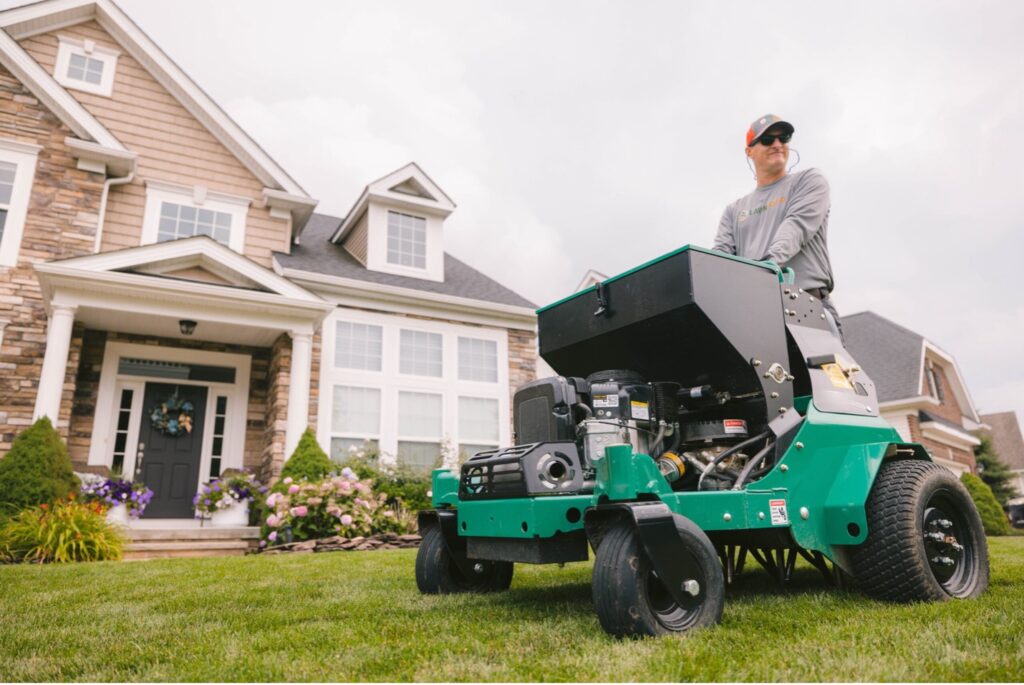
Your Seasonal North Atlanta Game Plan
As we move into the summer months, it’s crucial to have a solid lawn care routine. Here’s your seasonal game plan:
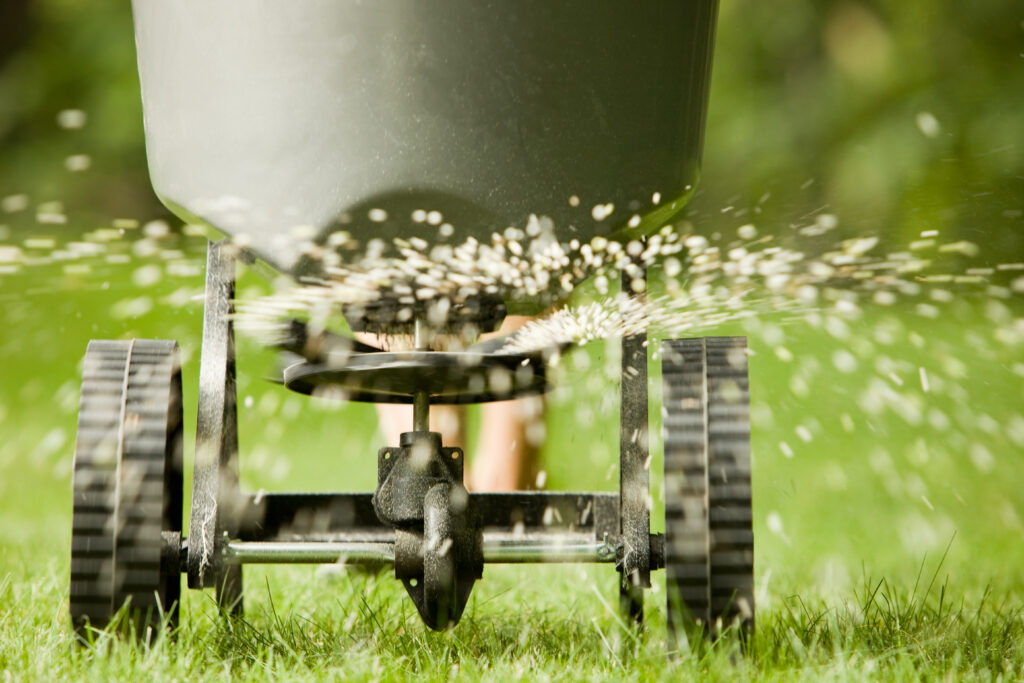
- Fertilization: Apply a slow-release fertilizer early in the summer. This will provide consistent nutrients as the temperatures rise.
- Watering Schedule: During dry spells, water deeply and less frequently—about 1 to 1.5 inches per week, ideally in the early morning.
- Pest Control: Keep an eye out for pests such as grubs and chinch bugs, which can thrive in our humid climate. Use organic pest control methods to protect your lawn.
- Aeration: Late summer is the perfect time to aerate your lawn if you didn’t do it earlier in the season. This will help relieve compaction from foot traffic and heavy rains.
- Fall Prep: In late summer, start preparing for fall by overseeding with cool-season grasses. This will keep your lawn lush and green as the temperatures cool.
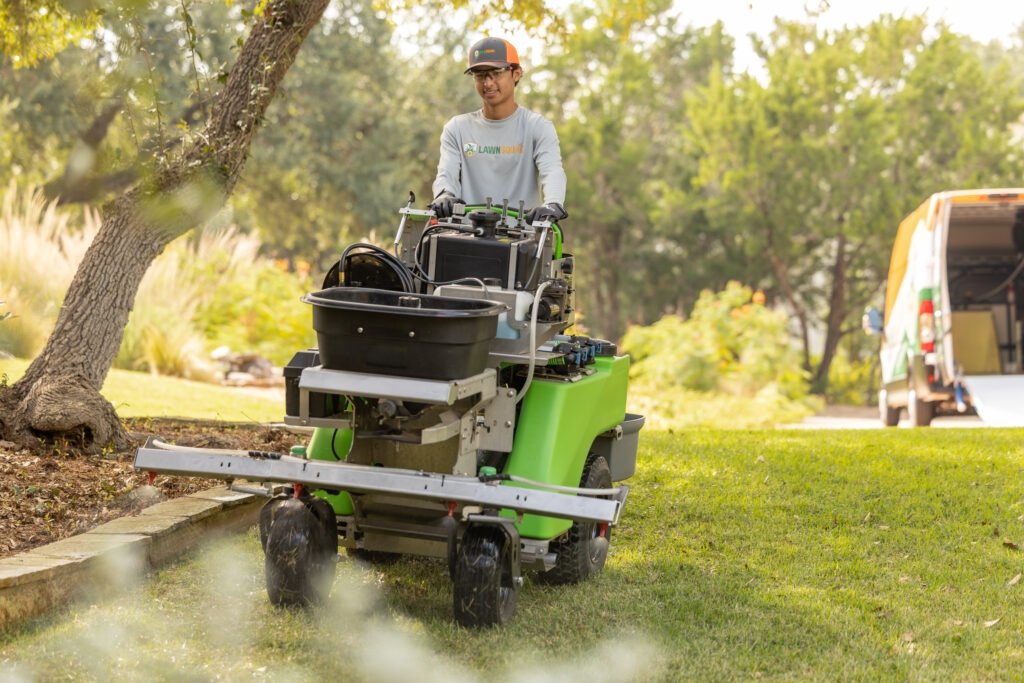
For those who want to ensure their lawn thrives year-round, consider our VitaminLawn® Program, designed to address the specific needs of North Atlanta homeowners.
The Time to Revive Your Lawn Is Now
Stop struggling with hilly clay and shady patches. It’s time to take control of your yard and turn it into the beautiful oasis you’ve always wanted.
Call Lawn Squad® of North Atlanta at 678-250-6490 or ask about our VitaminLawn® Program today—your yard will finally fight back!