
The short answer: Keeping your lawn weed-free in The Palm Beaches demands a consistent, year-round strategy — one that combines pre-emergent herbicides to stop weeds before they emerge, post-emergent treatments to eliminate what’s already growing, and smart turf management practices that help your grass win the competition naturally.
Living in Palm Beach County means dealing with a growing season that never truly ends. Unlike homeowners up north who get a break when winter freezes weed activity, residents of The Palm Beaches face constant germination pressure. Mild temperatures, high humidity, and frequent summer rains create near-perfect conditions for weeds to establish, spread, and take over — every single month of the year.
Quick overview:
- Pre-emergent control: Apply in winter and late summer to block weed seeds before they sprout
- Post-emergent control: Treat visible weeds throughout the year with the right targeted products
- Turf health: A dense, well-nourished lawn is your most powerful long-term weapon against weed invasion
Keep reading to learn exactly which weeds are threatening Palm Beaches lawns right now — and how to get rid of them for good.
Why Weeds Are a Bigger Problem in The Palm Beaches Than Most Homeowners Expect
Weeds are more than an eyesore. They are active competitors that steal water, nutrients, and sunlight directly from your grass — and they work fast.
A single crabgrass plant can produce up to 150,000 seeds in a season. A dollarweed-infested lawn can go from scattered patches to wall-to-wall coverage in just a few months if left untreated. And because The Palm Beaches rarely experience a hard freeze, there is no annual reset that kills off the weed seed bank the way cold winters do in other regions.
Some weeds cause damage beyond simple competition. Nutsedge spreads through underground tubers that survive even when you pull the visible plant. Torpedograss pushes through via aggressive underground rhizomes that can invade even the healthiest, best-maintained lawns. Dollarweed signals overwatering problems that, if left unaddressed, will keep fueling weed growth no matter how many times you spray.
The critical concept every Palm Beaches homeowner needs to understand is timing. Weeds germinate in waves tied to soil temperature and seasonal shifts. A product that works perfectly in February may be completely ineffective against the same weed in August. Matching treatment to the right growth stage is the difference between a clean lawn and a losing battle.
The Weeds Most Likely to Invade Your Palm Beaches Lawn
Understanding what you’re dealing with is the first step toward effective control.
Broadleaf Weeds
These weeds have wide, flat leaves that look noticeably different from grass blades, making them easier to spot — and generally easier to treat with standard herbicides.
Dollarweed is one of the most common complaints in The Palm Beaches. Its round, shiny leaves — roughly the size of a silver dollar — attach to stems at the center of each leaf. It thrives in consistently wet areas and spreads aggressively in lawns that receive too much irrigation. Treating dollarweed without also fixing overwatering habits is a temporary fix at best.
Clover forms clusters of three rounded leaflets and small white or pink flowers. It tends to establish in lawns that are underfertilized, since clover can fix its own nitrogen from the atmosphere. A well-fed, healthy lawn will often crowd clover out on its own.
Oxalis looks similar to clover but features heart-shaped leaflets and small yellow flowers. It spreads through both seeds and underground bulbs, making it persistent once it takes hold in your lawn.
Spurge grows flat against the ground in a spreading mat and releases a milky white sap when stems are broken. It is a summer annual that thrives as soil temperatures rise, producing massive quantities of seeds during its lifespan.
Florida Pusley is extremely common throughout The Palm Beaches. Identifiable by its small white flowers, it spreads rapidly through seeds and stem fragments and can fill bare spots with alarming speed.
Grassy Weeds
These weeds look similar to turf grass, which makes them harder to identify until they are already well established. They also require different treatment approaches than broadleaf weeds.
Crabgrass grows in a low, spreading pattern with blades wider than most lawn grasses. It is a summer annual that dies in winter but leaves behind thousands of seeds primed to germinate the following spring. Pre-emergent herbicide is the cornerstone of effective crabgrass management — post-emergent options are limited once plants are established.
Goosegrass resembles crabgrass but grows in a distinctive starburst pattern radiating from a central point. It is highly tolerant of compacted soil and tends to appear in high-traffic areas and along driveways or walkways. Core aeration helps reduce goosegrass pressure over time.
Dallisgrass is a perennial that forms coarse clumps growing faster than the surrounding turf, creating a patchy, uneven appearance even right after mowing. It is notoriously difficult to control and typically requires multiple targeted treatment cycles.
Torpedograss is one of the most aggressive weeds in South Florida. It spreads through underground rhizomes and can push into even vigorous, healthy turf. Complete control often takes multiple seasons of consistent, persistent treatment.
Sedges
Sedges look like grass but belong to an entirely different plant family. The easiest way to tell them apart: grass stems are round or flat, while sedge stems are triangular. Remember it this way — sedges have edges.
Nutsedge (often called nutgrass) is the most frequent sedge problem in The Palm Beaches. It grows faster than turf grass, poking up above your lawn just days after mowing. Its yellow-green color stands out sharply against darker St. Augustine grass. Nutsedge spreads through underground tubers called nutlets that can remain dormant in the soil for years, making it especially difficult to fully eliminate.
One critical point: standard broadleaf herbicides will not kill nutsedge. Using the wrong product wastes time, wastes money, and gives nutsedge more opportunity to spread.
Pre-Emergent Weed Control: Stopping Problems Before They Start
Pre-emergent herbicides work by creating a chemical barrier in the top layer of soil. When weed seeds begin to germinate, the herbicide kills the young seedling before it can emerge from the ground. Properly timed, pre-emergents are the most cost-effective weed control tool available.
When to Apply in The Palm Beaches
Late Winter (January – February): This application targets spring and summer annual weeds, including crabgrass, goosegrass, and spurge. Soil temperatures in Palm Beach County begin climbing in late February, triggering germination. Your barrier must be in place before that happens.
Late Summer (August – September): This application targets cool-season weeds that germinate as temperatures ease slightly in fall — including annual bluegrass and a range of broadleaf species. Missing this window is one of the most common reasons homeowners struggle with fall and winter weed pressure.
Two applications per germination window provide overlapping coverage that extends protection through the entire peak period.
Important Pre-Emergent Rules
Water pre-emergent herbicides in with about a quarter inch of irrigation within 48 hours if rain is not expected. Then avoid heavy watering or any soil disturbance for at least two weeks.
Do not apply pre-emergent if you plan to seed your lawn. These products prevent all seeds from germinating — including grass seed. If you need to repair bare spots during pre-emergent season, use sod rather than seed.
Post-Emergent Weed Control: Eliminating What’s Already Growing
When weeds are already visible, post-emergent herbicides are your tool. The key is choosing the right product for the right weed type.
Selective vs. Non-Selective Products
Selective herbicides target specific plant types without harming others. Broadleaf selective herbicides kill weeds like clover and spurge without damaging your turf grass. These are the products used for general lawn weed control.
Non-selective herbicides kill any plant they contact. These are useful for clearing specific areas entirely but will kill your grass along with weeds if applied carelessly. Reserve them for targeted spot treatments only.
Matching Product to Weed Type
Broadleaf weeds respond well to standard three-way herbicides containing ingredients like 2,4-D, dicamba, and mecoprop. These work best when weeds are actively growing and temperatures are between 60 and 85 degrees.
Grassy weeds require different chemistry. Post-emergent options for crabgrass and goosegrass are limited and most effective only on young plants. This is exactly why pre-emergent control is so essential — once these weeds mature, elimination becomes much more difficult and expensive.
Sedges require specialized products containing active ingredients like sulfentrazone or halosulfuron. Sedge control works best during the warm months when nutsedge is actively growing — typically May through September across The Palm Beaches.
Application Best Practices
- Apply when no rain is expected for at least 24 hours
- Avoid mowing two to three days before and after treatment
- Do not apply when temperatures exceed 85°F — heat increases turf damage risk while reducing herbicide effectiveness
- Be patient: most post-emergent herbicides take one to three weeks for full results; reapplying too soon stresses your lawn and wastes product
Building Turf That Naturally Resists Weeds
Herbicides are important tools, but the most durable weed control comes from growing thick, healthy grass. A dense lawn shades the soil surface and denies weed seeds the sunlight they need to germinate.
Mow at the Right Height
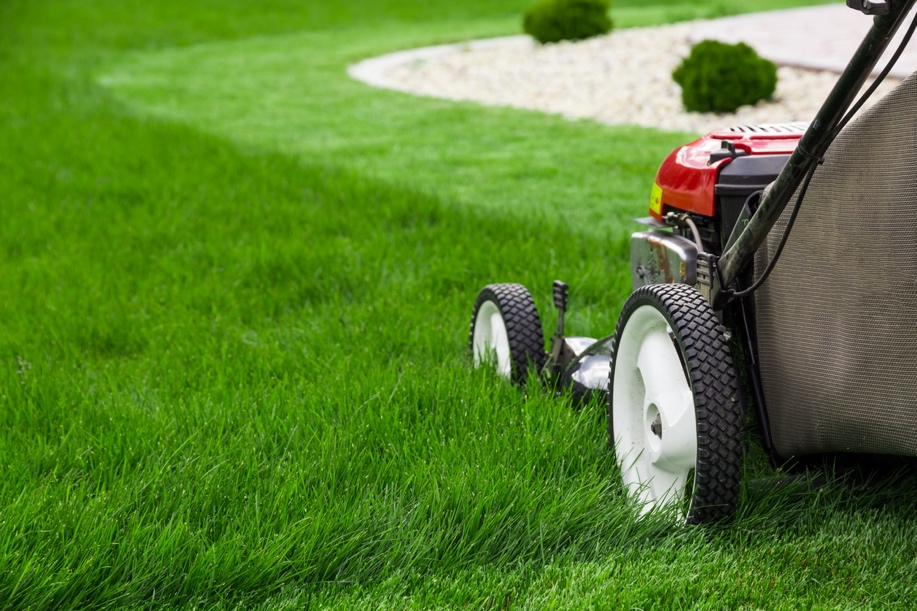
Mowing height is one of the most overlooked weed-management tools. Taller grass shades soil better, develops deeper roots, and competes more effectively for water and nutrients.
- St. Augustine grass (most common in The Palm Beaches): 3.5 to 4 inches
- Bermuda grass: 1.5 to 2 inches
- Zoysia: 2 to 2.5 inches
Never remove more than one-third of the grass blade in a single mowing. Cutting too low stresses your turf and opens the canopy to sunlight that weed seeds are waiting to exploit.
Fertilize on a Consistent Schedule
Well-nourished grass grows thicker and rebounds faster from stress. Four well-timed fertilizer applications per year, matched to your lawn’s actual nutritional needs, keeps turf dense and competitive through every season.
Nitrogen drives leaf growth and density, but excess nitrogen applied at the wrong time can actually worsen certain weed problems. A soil test before fertilizing gives you the information needed to feed your lawn precisely — not blindly.
Water Deeply, Not Daily
Shallow, frequent irrigation keeps roots near the soil surface where weed competition is most intense. Deep watering two to three times per week drives grass roots downward, building a stronger, more resilient turf.
Overwatering is also a direct driver of dollarweed and sedge problems. If these weeds are prevalent in your lawn, take an honest look at your irrigation habits before reaching for a herbicide.
Fill Bare Spots Immediately
Every patch of bare soil is an open invitation for weeds. Grass seed, sod, or plugs should fill any damaged areas as quickly as possible. During pre-emergent season, use sod rather than seed to avoid disrupting your chemical barrier.
Common Weed Control Mistakes Palm Beaches Homeowners Make
Using the Wrong Product for Sedges
This is by far the most frequent mistake. Spraying nutsedge with a standard broadleaf herbicide causes it to yellow briefly — then bounce back stronger. Only specialized sedge control products work. Using the wrong product simply buys the sedge more time to spread underground.
Missing the Pre-Emergent Window
Once crabgrass is visible in your lawn, pre-emergent season is over. These weeds have already germinated and grown past the seedling stage where pre-emergent works. Set calendar reminders for January and August to avoid this costly mistake.
Applying Herbicides During Peak Heat
Above 85°F, many herbicides become less effective against weeds while becoming more likely to damage your turf. Schedule applications for early morning on cooler days whenever possible.
Over-Irrigating After Treatment
Heavy watering immediately after herbicide application washes products off leaf surfaces before they can absorb. Avoid running sprinklers for at least four hours after foliar applications.
Expecting Overnight Results
Weeds typically stop growing within hours of treatment, but visible death takes one to three weeks. Reapplying too soon stresses your lawn unnecessarily and does not speed up the process.
DIY vs. Professional Weed Control: Which Is Right for You?
DIY weed control gives you flexibility to treat problems as soon as you notice them. Products are available at most home improvement stores and can be cost-effective if you have the right equipment and knowledge.
Best for: Homeowners who enjoy lawn work, have time to monitor conditions regularly, and are willing to learn the differences between weed types, product categories, and application timing.
Professional weed control brings expert species identification, commercial-grade products, and treatment schedules calibrated to local conditions — all without requiring you to track germination windows or research herbicide chemistry on your own.
Best for: Busy homeowners who want consistent, reliable results; lawns with persistent weed problems that have not responded to DIY efforts; and anyone who would rather spend weekends enjoying their lawn than treating it.
Your Palm Beaches Weed Control Calendar
| Timing | Treatment | Target |
|---|---|---|
| January – February | Pre-emergent application | Crabgrass, goosegrass, spurge |
| Year-round | Broadleaf weed control | Dollarweed, clover, oxalis, spurge, pusley |
| May – September | Sedge suppression | Nutsedge, annual sedges |
| August – September | Pre-emergent application | Annual bluegrass, fall broadleaf weeds |
| As needed | Curative grassy weed treatments | Dallisgrass, torpedograss, goosegrass |
| February, May, August, November | Fertilization | Promotes thick, competitive turf |
| Year-round | Proper mowing height | Shades soil, suppresses germination |
The Bottom Line
Weed control in The Palm Beaches is a year-round commitment — not a one-time fix. Our climate allows weeds to germinate during almost every month, which means your defense needs to be equally persistent.
Key principles to carry with you:
- Pre-emergent applications in January and August prevent the majority of grassy weed problems
- Post-emergent herbicides work best on actively growing weeds in moderate temperatures
- Sedges require specialized products — standard weed killers simply will not work on them
- Thick, healthy turf is your single most effective long-term weed barrier
- Proper mowing, fertilization, and irrigation amplify everything else you do
When you pair well-timed chemical control with sound cultural practices, a clean, healthy, mostly weed-free lawn in The Palm Beaches is absolutely achievable — and maintainable.
Let Lawn Squad Help You Take Back Your Lawn
Every lawn in The Palm Beaches has its own history, soil type, irrigation habits, and weed pressure. A program that works beautifully for one property may completely miss the specific weeds invading yours.
Lawn Squad technicians identify exactly what is growing in your lawn and apply the right treatments at the right time for maximum results.
Lawn Squad programs include:
- Broadleaf weed control in every treatment round
- Pre-emergent applications timed specifically for Palm Beach County’s germination windows
- Sedge suppression during peak nutsedge season
- Fertilization timed to build competitive turf density
- Unlimited service calls when breakthrough weeds appear between scheduled visits
Tired of fighting the same weeds every season? Ready to stop guessing and start winning?
Contact Lawn Squad today at 561-621-9217 or visit https://lawnsquad.com/contact-us/ to get your free quote and finally take control of weeds in your Palm Beaches lawn.tact-us/ to get a free quote and finally win the battle against weeds in your West Palm Beach lawn.