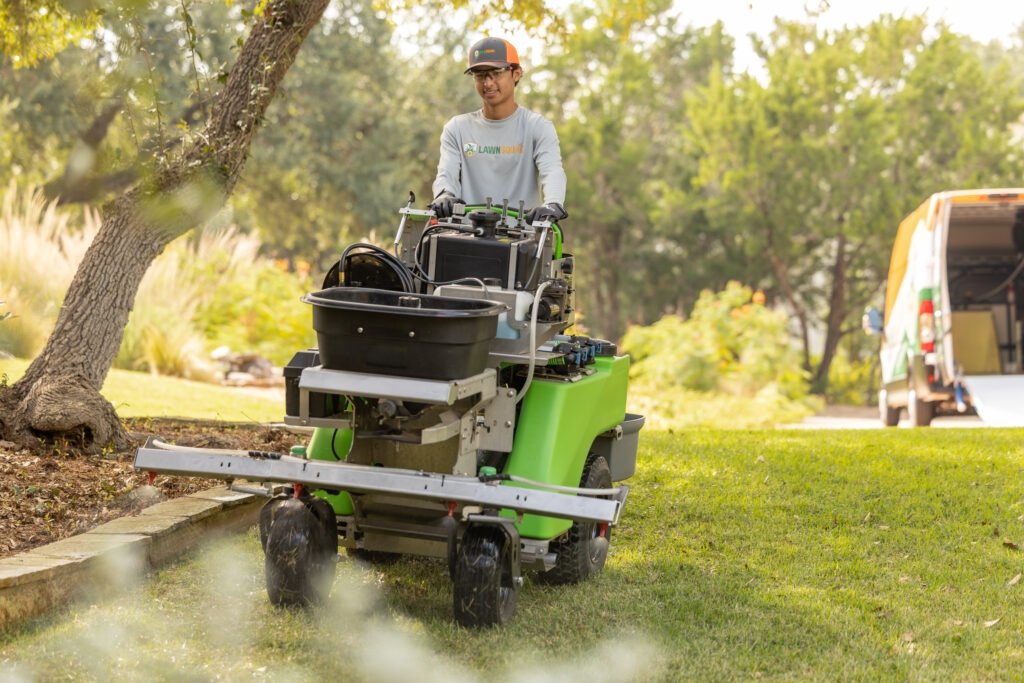
The short answer: Start preparing your Cleveland lawn for winter in late summer and continue through fall with fertilization, aeration, and proper mowing practices. Most Northeast Ohio lawns need their final treatments by late September or early October before the first hard freeze.
The key is timing everything around our unpredictable Lake Erie weather patterns. Start too late, and your grass won’t have time to absorb nutrients before going dormant.
Quick overview:
- Late August through September: Aeration, overseeding, and root stimulant applications
- Late September through October: Final fertilizer (winterizer) and weed control
- Before first freeze: Adjust mowing height and remove debris
Whether you handle winter prep yourself or hire a professional, understanding what your lawn needs will help you make the right choices for your property.
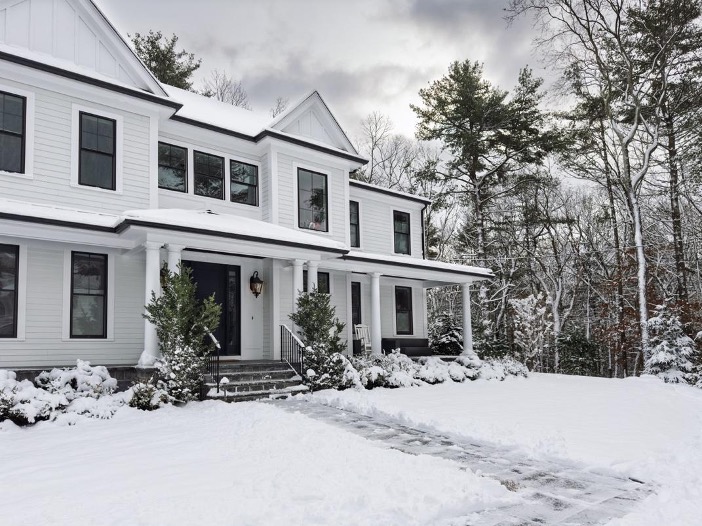
How can you effectively implement lawn care strategies to enhance turf resilience?
The Complete Winter Prep Approach: Our 6 Round Program
At Lawn Squad of Cleveland, we have designed our ELITE program specifically for cool season lawns in Northeast Ohio. This program includes everything your lawn needs to survive our harsh winters and come back strong in spring.
What makes this approach work for Greater Cleveland is that it accounts for our unique challenges. We deal with lake effect snow, freeze and thaw cycles, and soil that can go from soggy to frozen in a matter of days. Generic lawn care advice from warmer regions simply does not apply here.
Whether you decide to do it yourself or let us handle it, knowing the fundamentals of winter lawn prep will help you understand what your lawn truly needs.
Why Winter Prep Matters More Than Most Cleveland Homeowners Realize
Skipping fall lawn care is one of the biggest mistakes Cleveland area homeowners make. Your grass does not just “go to sleep” for winter. It is actively storing nutrients in its root system to survive the cold months ahead.
When you skip winterizer fertilizer, your grass enters dormancy without enough food reserves. This leads to thin, patchy lawns in spring that are more susceptible to weeds and disease. When you skip fall aeration, compacted soil prevents roots from growing deep enough to survive temperature extremes.
The key principle is this: what you do in September and October determines what your lawn looks like in April and May.
Cleveland lawns face challenges that lawns in other parts of Ohio do not. Lake Erie creates humid summers that encourage fungal disease, followed by winters with heavy snow loads and ice. Our soil tends toward clay, which compacts easily and drains poorly. Generic advice from national lawn care guides often misses these local factors entirely.
DIY Winter Prep Guide for Cleveland Lawns
For homeowners who want to handle their own lawn care, here is what you need to do to prepare for winter in Northeast Ohio.
Step 1: Aeration (Late August through September)
Core aeration removes small plugs of soil from your lawn to reduce compaction. This allows water, air, and nutrients to reach grass roots more effectively.
Use a core aerator, not a spike aerator. Spike aerators actually increase compaction around each hole. You can rent a core aerator from most home improvement stores in the Cleveland area for around $70 to $100 per day.
Aerate when soil is moist but not soggy. After a light rain is ideal. Make two passes over your lawn in different directions for best results.
Why this matters: Cleveland’s clay heavy soil compacts more than sandy soils in other regions. Without aeration, your grass roots cannot grow deep enough to survive freeze and thaw cycles.
Step 2: Overseeding (Immediately After Aeration)
Fall is the best time to overseed in Cleveland. Soil temperatures are still warm enough for germination, but air temperatures are cool enough to reduce stress on new grass.
Choose a seed blend rated for Northeast Ohio’s climate. Look for varieties of Kentucky bluegrass, perennial ryegrass, and fine fescue. Apply seed at a rate of 4 to 6 pounds per 1,000 square feet for overseeding existing lawns.
Water lightly twice daily until seeds germinate, usually 7 to 14 days. Then reduce to deeper, less frequent watering.
Critical warning: If you had pre emergent herbicide applied in spring, it may still be active in your soil and will prevent new grass seed from germinating. Check with your lawn care provider about timing.
Step 3: Fall Fertilization and Root Stimulant (September)
Apply a balanced fertilizer in September to help your lawn build strong roots before winter. This is different from winterizer, which comes later.
Root stimulant products encourage deeper root growth, which helps grass survive Cleveland’s freeze and thaw cycles. Look for products containing kelp or humic acid.
Step 4: Winterizer Application (Late September through October)
Winterizer is a high potassium fertilizer that helps grass store energy for winter and promotes cell strength to resist cold damage.
Apply winterizer after growth slows but before the ground freezes. In Cleveland, this is typically late September through mid October, though Lake Erie can extend our growing season on the West Side.
Why this matters: Grass that enters winter with adequate potassium levels recovers faster in spring and resists snow mold better.
Step 5: Final Mowing and Cleanup (Before First Hard Freeze)
Gradually lower your mowing height over the last few cuts of the season. Your final mow should leave grass at about 2.5 inches tall.
Why this matters: Grass that is too tall going into winter is more susceptible to snow mold. Grass that is too short has not stored enough energy in its blades.
Remove fallen leaves promptly. A thick layer of leaves smothers grass and creates conditions for disease.
Professional Winter Prep: What Lawn Squad Provides
For Cleveland homeowners who prefer professional service, our ELITE program handles all winter preparation automatically as part of the annual treatment schedule.
Round 5: Late Summer Prep (Starting August 17)
This round includes fertilizer, root stimulant, broadleaf weed control, surface insect control, disease control, and aeration. This timing allows your lawn to recover from summer stress while building strength for winter.
Round 6: Final Winterization (Starting September 28)
This round includes fertilizer, broadleaf weed control, surface insect control, winterizer, and aeration. A second aeration in fall provides maximum benefit for Cleveland’s compacted soils.
Year Round Protection
Our ELITE program also includes disease control throughout the season. This prevents fungal problems from weakening your lawn before winter arrives.
How to Calculate Your Lawn Size for Product Application
Throughout this guide, we have mentioned application rates per 1,000 square feet. Here is how to figure out your lawn size.
Step by step process:
- Measure the length and width of your lawn area in feet
- Multiply length times width to get square feet
- Subtract areas that are not grass (driveway, patio, garden beds)
- Divide by 1,000 to find how many “units” you need
Example: Your front yard measures 50 feet by 40 feet. That equals 2,000 square feet. You have a 200 square foot garden bed, leaving 1,800 square feet of lawn. You would need about 2 units of product (round up from 1.8).
What About Fall Weed Control?
Fall is actually one of the best times to control broadleaf weeds in Cleveland lawns. Weeds like dandelions and clover are actively storing energy in their roots for winter, which means they pull herbicide down into their root systems more effectively.
This is why our ELITE and PRO programs include broadleaf weed control in both Round 5 and Round 6. Hitting weeds twice in fall provides better control than a single spring application.
We recommend fall weed control as part of your winter prep routine, whether you apply products yourself or have Lawn Squad handle it.
Common Winter Prep Mistakes Cleveland Homeowners Make
After serving the Greater Cleveland area since 2001, we have seen these mistakes repeated year after year.
Mistake 1: Waiting Too Long to Aerate Many homeowners wait until October to aerate, but by then the ground in Northeast Ohio can already be too cold or wet. Aim for late August through mid September for best results.
Mistake 2: Applying Winterizer Too Early If you apply winterizer in August, your grass will use that energy for top growth instead of root storage. Wait until growth slows in late September or October.
Mistake 3: Cutting Grass Too Short for the Final Mow Scalping your lawn before winter removes the energy reserves stored in grass blades. Keep that final cut at 2.5 inches.
Mistake 4: Leaving Leaves on the Lawn A few leaves break down and add organic matter. A thick layer of leaves traps moisture and blocks light, leading to dead patches and snow mold.
Mistake 5: Skipping Fall Treatments Entirely Some homeowners think they can save money by stopping lawn care in August. This is the worst time to stop, as fall treatments have the biggest impact on spring lawn health.
DIY vs. Professional Winter Prep: Which Should You Choose?
DIY winter prep saves money on labor costs and gives you control over timing. However, it requires equipment rental, product purchases, and knowledge of proper application rates. You also need to be available during the right weather windows. Best for: Homeowners with small lawns, flexible schedules, and willingness to learn proper techniques.
Professional winter prep costs more upfront but includes proper equipment, commercial grade products, and expert timing. Professionals also spot problems you might miss. Best for: Homeowners with large lawns, busy schedules, or lawns with existing problems that need professional diagnosis.
Your Cleveland Winter Prep Calendar at a Glance
DIY Schedule
| When | What to Do | Details |
|---|---|---|
| Late August | Core aeration | Rent aerator, make two passes |
| Immediately after aeration | Overseed thin areas | 4 to 6 lbs seed per 1,000 sq ft |
| September | Fall fertilizer and root stimulant | Follow product label rates |
| Late September to October | Winterizer application | High potassium formula |
| Before first freeze | Final mow and leaf removal | Cut to 2.5 inches |
Lawn Squad ELITE Schedule
| When | What to Do | Details |
|---|---|---|
| Round 5 (August 17) | Fertilizer, root stimulant, weed control, aeration | Full service visit |
| Round 6 (September 28) | Winterizer, weed control, insect control, aeration | Final prep for winter |
| Ongoing | Disease control | Included in Rounds 3 through 5 |
The Bottom Line
Winter prep is not optional for Cleveland lawns. Our harsh winters, clay soils, and lake effect conditions mean that lawns need extra help to survive and thrive.
Key principles to remember:
- Start winter prep in late August, not October
- Aeration is essential for Cleveland’s compacted soils
- Winterizer timing matters more than quantity
- Fall weed control is more effective than spring
- What you do now determines your spring lawn quality
Cleveland homeowners who follow these steps see noticeably healthier lawns come spring, with fewer bare patches, less weed pressure, and faster green up.

Let Lawn Squad Handle It For You
Every Cleveland lawn is different. Soil composition varies from Lorain County to Lake County. Lawn size affects product needs. Existing problems like grubs or fungal disease require specific solutions.
Our ELITE program accounts for all of these factors with 12 treatments on 10 visits throughout the year, including complete winter preparation.
ELITE Program includes:
- Two applications of aeration (spring timing conflicts with pre emergent, so fall is ideal)
- Root stimulant to promote deep root growth
- Winterizer for cold hardiness
- Disease control to prevent snow mold and other fungal problems
- Soil testing to identify pH and nutrient deficiencies
- Unlimited service calls if problems arise
Stop worrying about whether you timed your winterizer right or rented the aerator on the wrong weekend.
Contact Lawn Squad of Cleveland today at 440-949-9333 to schedule your free lawn evaluation and get your property ready for whatever winter throws at it.