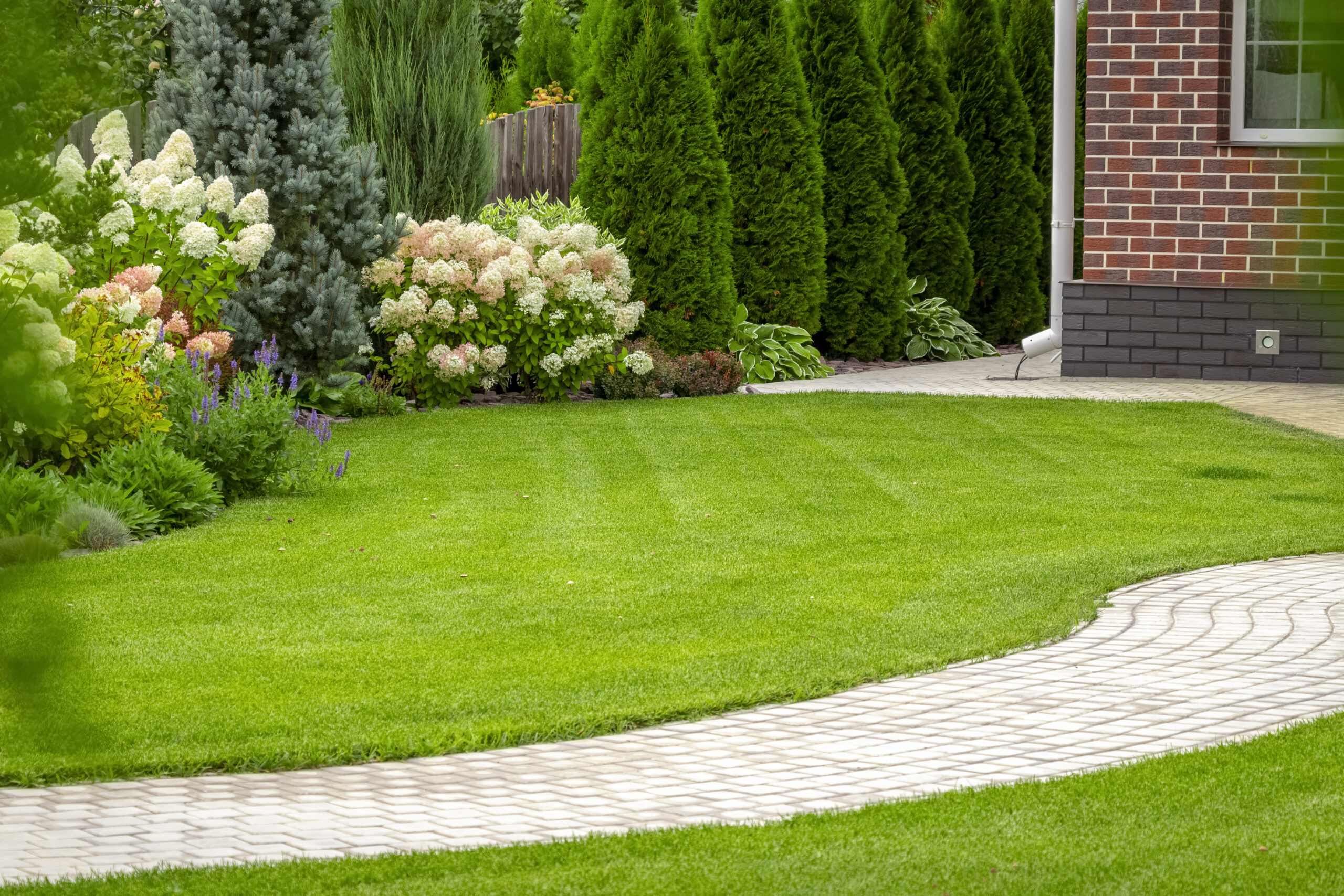
The short answer: Coastal lawns in Jacksonville Beach, Atlantic Beach, Neptune Beach, Ponte Vedra Beach, and Fernandina Beach face unique challenges that inland lawns simply don’t experience. Salt spray, sandy soil, wind exposure, and higher humidity all stress your grass in ways that require specific care strategies.
The good news is that with the right approach, you can have a beautiful lawn steps from the ocean. The key is understanding how salt affects your turf and adjusting your care routine accordingly.
Quick overview:
- Salt spray damage: Requires regular irrigation to flush salt from grass blades and soil
- Sandy coastal soil: Drains quickly and holds fewer nutrients, requiring more frequent fertilization
- Wind exposure: Dries out grass faster and can cause physical damage to blades
- Pest pressure: Chinch bugs and other insects thrive in stressed coastal turf
The Complete Coastal Lawn Care Approach: Lawn Squad’s Year Round Programs
At Lawn Squad of Jacksonville and St. Augustine, we serve homeowners throughout the coastal communities of Duval, St. Johns, and Nassau counties. Our programs are designed with the specific challenges of beachside properties in mind.
Coastal lawns in Atlantic Beach differ from lawns in inland Jacksonville. The salt exposure, soil composition, and microclimate near the ocean create conditions that require adjusted treatment timing and product selection.
Our technicians understand that a lawn three blocks from the beach in Neptune Beach faces different pressures than a lawn in St. Johns County away from the coast. Whether you choose to maintain your lawn yourself or trust our team, the principles in this guide will help you understand what your coastal grass truly needs.
Why Coastal Lawn Care Matters More Than Most Beach Area Homeowners Realize
Salt is the silent killer of coastal lawns. Even if you can’t see salt residue on your grass, it’s there, and it’s working against your lawn every single day.
Here’s what happens when coastal homeowners treat their lawns like inland properties:
Salt accumulation in soil: Over time, salt builds up in your soil and prevents grass roots from absorbing water and nutrients. Your lawn can literally die of thirst while sitting in wet soil because the salt blocks moisture uptake.
Leaf burn from salt spray: When ocean breezes carry salt onto your grass blades, the salt draws moisture out of the plant tissue. This causes brown tips and edges that many homeowners mistake for drought stress or disease.
Nutrient leaching: Coastal sandy soils drain so quickly that fertilizer washes through before grass roots can absorb it. Homeowners often apply more fertilizer thinking their lawn is hungry when the real problem is soil that can’t hold nutrients.
Increased pest vulnerability: Stressed grass becomes a target for chinch bugs, which are already more aggressive in coastal areas of Jacksonville Beach, Ponte Vedra Beach, and Fernandina Beach. A lawn weakened by salt stress can be destroyed by insects in just a few weeks.
The key principle for coastal lawn care is simple: you must actively manage salt while providing more frequent, lighter applications of water and nutrients than inland lawns require.
DIY Coastal Lawn Care Guide for Northeast Florida Beach Communities
If you want to maintain your own coastal lawn, here’s what you need to know about each aspect of care in Jacksonville Beach, Atlantic Beach, Neptune Beach, Ponte Vedra Beach, and Fernandina Beach.
Priority 1: Salt Management Through Irrigation
This is the foundation of all coastal lawn care. Without proper salt management, nothing else you do matters.
- Irrigate deeply after storms or periods of heavy salt spray to flush salt through the root zone
- Water in the early morning to give grass time to dry before evening humidity sets in
- Apply about half an inch of water specifically for salt flushing, separate from regular irrigation
- Watch for brown leaf tips as an early warning sign of salt accumulation
Why this matters: Regular flushing prevents salt from reaching toxic levels in your soil. Once salt damage becomes visible, recovery takes months even with perfect care.
Priority 2: Soil Amendment for Sandy Coastal Conditions
Coastal soil in Duval and Nassau counties is often pure sand with almost no organic matter.
- Add organic matter through topdressing with compost once or twice per year
- Consider liquid aeration treatments to improve soil structure without disrupting the surface
- Apply fertilizer in smaller, more frequent doses rather than heavy applications that will wash away
- Test your soil to understand its specific nutrient holding capacity
Why this matters: Improving your soil’s ability to hold water and nutrients reduces the amount you need to apply and helps your grass build stronger roots.
Priority 3: Fertilization Strategy for Coastal Conditions
Standard fertilization schedules often fail on coastal properties because nutrients leach so quickly.
- Use slow release fertilizers that feed gradually instead of all at once
- Apply lighter rates more frequently rather than heavy applications twice per year
- Include iron treatments to maintain green color without pushing excessive growth
- Time applications to avoid heavy rain that will wash nutrients away
Why this matters: Your coastal lawn is hungry, but feeding it the wrong way just wastes money and can contribute to water pollution.
Priority 4: Pest Monitoring and Prevention
Coastal lawns attract aggressive pest populations that require vigilant monitoring.
- Check sunny areas weekly for chinch bug damage, which appears as irregular yellow patches
- Watch for armyworm activity, especially after storms when populations can explode
- Apply preventative insect control treatments from spring through fall
- Address any pest issues immediately before stressed grass sustains permanent damage
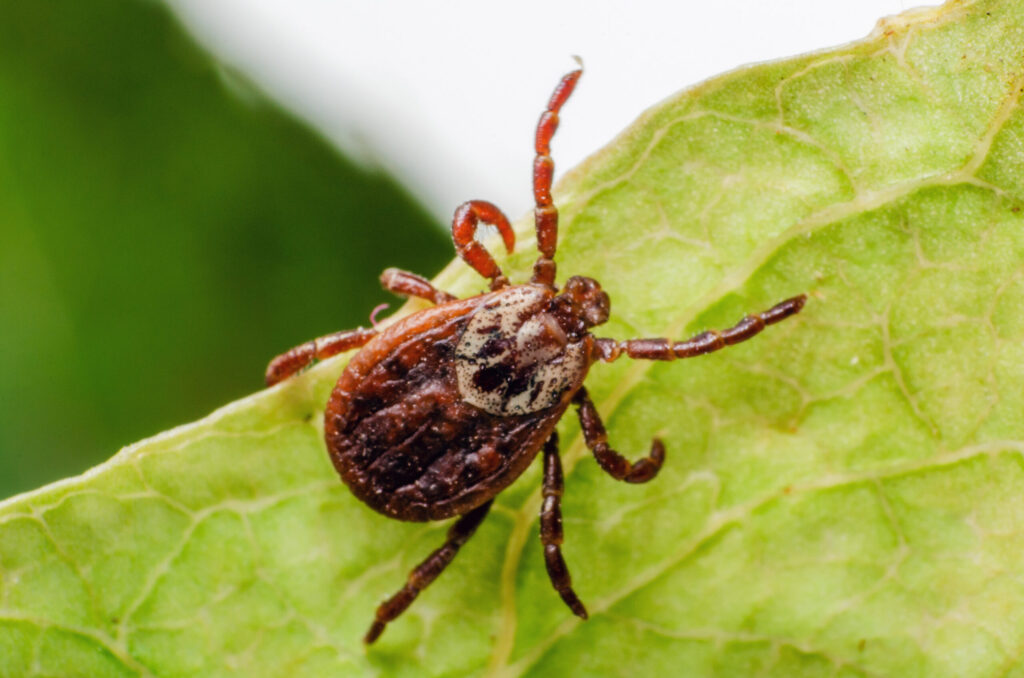
Critical warning: Chinch bugs can destroy a coastal lawn in Jacksonville Beach or Ponte Vedra Beach within two weeks during peak summer. By the time you notice significant damage, it’s often too late to save the affected areas.
At Lawn Squad, our ELITE and PRO programs include surface insect control in multiple rounds specifically because coastal lawns face higher pest pressure than inland properties.
Professional Coastal Lawn Care Guide for Beach Properties
For homeowners in Atlantic Beach, Neptune Beach, Jacksonville Beach, Ponte Vedra Beach, and Fernandina Beach who want expert care, professional programs offer specific advantages for coastal conditions.
Professional Advantage 1: Salt Damage Recognition
- Trained technicians recognize early signs of salt stress before visible damage occurs
- Treatment plans adjust based on recent weather patterns and salt exposure levels
- Professionals know that lawns closer to the beach need different care than properties a mile inland
Professional Advantage 2: Coastal Specific Product Selection
- Commercial grade products include formulations designed for high salt environments
- Slow release fertilizers calibrated for sandy soil conditions
- Surfactants and soil amendments that help sandy soil retain moisture and nutrients
Professional Consideration: Program Selection for Coastal Properties
Coastal homeowners should consider higher tier programs because of increased stress factors:
- The ELITE program includes disease control, which is crucial in high humidity coastal environments
- Surface insect control in multiple rounds protects against aggressive coastal pest populations
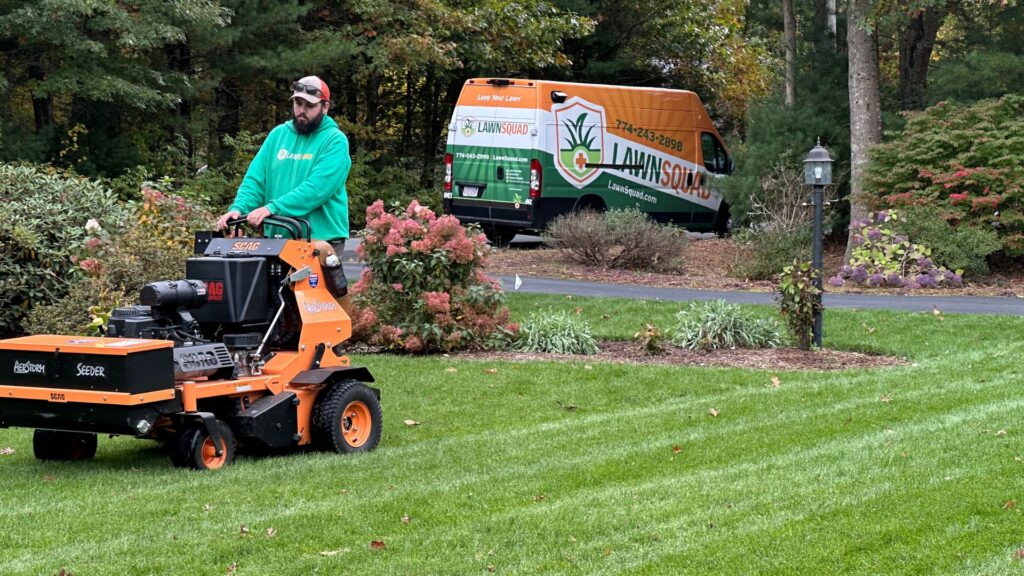
- Aeration services help coastal soil absorb and retain water more effectively
- Fire ant and mole cricket prevention protects against pests that thrive in sandy coastal soils
Professional Advantage 3: Unlimited Service Calls
- Coastal conditions can change rapidly with storms and weather patterns
- If salt damage or pest issues emerge between scheduled visits, professionals respond at no extra charge
- This safety net is especially valuable for beach properties where problems escalate quickly
How to Identify Salt Damage on Your Coastal Lawn
Understanding what salt damage looks like helps you catch problems early when they’re still fixable.
Visual signs of salt stress:
- Brown or tan leaf tips while the rest of the blade stays green
- Grass that looks drought stressed even with adequate irrigation
- Thin, weak growth in areas closest to the ocean
- Yellow patches that don’t respond to fertilizer
Testing your soil: A soil test can reveal salt accumulation levels. Lawn Squad includes soil testing in our ELITE program, which is especially valuable for coastal properties in Jacksonville Beach, Ponte Vedra Beach, and Fernandina Beach.
Recovery timeline: If you catch salt damage early and begin proper flushing, grass can recover in four to six weeks. Severe salt accumulation may require soil amendment or even sod replacement in affected areas.
What About Wind Protection for Coastal Lawns?
Wind compounds every other stress factor your coastal lawn faces.
Constant ocean breezes dry out grass faster than inland properties, increasing irrigation needs. Wind also carries salt further inland, affecting properties that might otherwise escape heavy salt exposure.
At Lawn Squad, we consider wind exposure patterns when designing treatment plans for properties in Atlantic Beach, Neptune Beach, and other coastal communities. Lawns on the windward side of buildings often need different care than protected areas.
Consider these wind management strategies:
- Strategic landscaping with salt tolerant shrubs can buffer wind exposure
- Adjust irrigation timing to account for faster drying conditions
- Monitor exposed areas more carefully for early signs of stress
We recommend coastal homeowners evaluate their wind exposure patterns and communicate these observations to their lawn care provider for more targeted treatment.
Common Coastal Lawn Care Mistakes Beach Area Homeowners Make
After serving thousands of customers in Jacksonville Beach, Atlantic Beach, Neptune Beach, Ponte Vedra Beach, and Fernandina Beach, we’ve seen these coastal specific mistakes repeatedly.
Mistake 1: Treating Salt Damage as Drought Homeowners see brown grass and add more water without flushing properly. This actually makes salt accumulation worse by bringing more salt laden water to the root zone without moving it through.
Mistake 2: Over Fertilizing to Compensate for Sandy Soil When grass doesn’t green up, homeowners apply more fertilizer. In sandy coastal soil, this fertilizer washes away immediately and can burn grass that’s already stressed. The solution is better soil, not more fertilizer.
Mistake 3: Ignoring Microclimate Differences The front yard facing the ocean needs different care than the protected backyard. Treating your entire property the same way means some areas get too much attention and others not enough.
Mistake 4: Skipping Insect Prevention Coastal homeowners assume the salt air keeps pests away. In reality, stressed coastal grass attracts more pests, not fewer. Prevention is essential, not optional.
Mistake 5: Choosing the Wrong Grass Type Not all grass varieties tolerate salt equally. St. Augustine grass handles coastal conditions reasonably well, but some varieties perform better than others in high salt environments.
Oceanfront vs. Near Coastal Properties: Which Care Level Do You Need?
Oceanfront properties (within 500 feet of the beach) experience direct salt spray, maximum wind exposure, and the sandiest soil conditions. These lawns require the most intensive care with frequent salt flushing, maximum pest vigilance, and often benefit from the comprehensive protection of an ELITE program. Best approach: Professional care with premium program, or intensive DIY commitment with weekly monitoring
Near coastal properties (500 feet to one mile from beach) experience moderate salt exposure that varies with wind patterns and storms. These lawns need regular attention to salt management but may not require the same intensity as oceanfront care. Best approach: PRO program or dedicated DIY schedule with attention to post storm salt flushing
Coastal community properties (one to three miles from beach) experience occasional salt stress during storms and high winds. Standard lawn care programs often work well with some coastal adjustments. Best approach: PRO or ESSENTIAL program with awareness of coastal factors
Your Coastal Lawn Care Calendar at a Glance
ELITE Program for Coastal Properties (14 Treatments)
| Round | Timing | Key Services for Coastal Lawns |
|---|---|---|
| 1 | January | Pre emergent, weed control, disease control, soil test for salt levels |
| 2 | February | Pre emergent, fertilizer, weed control, insect control begins |
| 3 | April | Weed control, insect control, fire ant prevention |
| 4 | May | Fertilizer with iron, weed control, insect control, sedge control, aeration |
| 5 | June | Weed control, peak insect control, sedge control, aeration |
| 6 | August | Pre emergent, fertilizer, weed control, insect control, disease control |
| 7 | September | Pre emergent, weed control, insect control |
| 8 | November | Fertilizer, weed control, disease control |
Coastal DIY Priority Schedule
| Season | Top Priority | Secondary Focus |
|---|---|---|
| Winter | Pre emergent application, soil testing | Salt flushing after storms |
| Spring | Fertilization, insect prevention | Monitor for chinch bugs |
| Summer | Salt management, pest control | Disease monitoring, iron applications |
| Fall | Pre emergent, continued pest monitoring | Soil amendment, aeration |
The Bottom Line
Caring for a lawn near the coast in Jacksonville Beach, Atlantic Beach, Neptune Beach, Ponte Vedra Beach, or Fernandina Beach requires understanding how salt, sand, wind, and humidity work together to stress your grass.
Key principles to remember:
- Salt management through proper irrigation is the foundation of coastal lawn care
- Sandy coastal soil requires smaller, more frequent nutrient applications
- Coastal lawns face higher pest pressure and need consistent insect control
- Wind exposure varies across your property and affects care needs
- Early intervention prevents small problems from becoming expensive disasters
Homeowners who understand these coastal factors and adjust their care routines accordingly enjoy beautiful lawns that thrive despite the challenging beach environment.
Let Lawn Squad Handle It For You
Every coastal property in Duval, St. Johns, and Nassau counties has unique characteristics based on distance from the ocean, wind exposure, soil composition, and surrounding landscaping.
Lawn Squad’s programs account for these coastal variables with treatments specifically designed for beach community conditions throughout Jacksonville Beach, Atlantic Beach, Neptune Beach, Ponte Vedra Beach, and Fernandina Beach.
Our ELITE Program includes:
- Fourteen treatments across eight rounds for complete coastal protection
- Soil testing to identify salt accumulation and nutrient deficiencies
- Surface insect control from spring through fall when coastal pests are most aggressive
- Fire ant and mole cricket prevention for sandy coastal soils
- Disease control treatments crucial in high humidity beach environments
- Summer and fall aeration to improve sandy soil structure
- Unlimited service calls if storm damage or pest issues emerge
Living near the beach should mean enjoying your outdoor space, not spending every weekend fighting salt damage and chinch bugs. Our team has served Northeast Florida coastal communities since 2001 and knows exactly what your beachside lawn needs.
Contact Lawn Squad of Jacksonville and St. Augustine today at (904) 594-7380 to get a free quote and discover how our coastal lawn care expertise can transform your property.