The short answer: Controlling lawn pests in Utah requires a combination of preventative treatments applied at the right time of year and curative treatments when infestations occur. The most damaging pests in Utah County lawns are grubs, chinch bugs, sod webworms, and billbugs.
Prevention is far easier and cheaper than treating active infestations. Most serious lawn pest damage can be avoided with properly timed treatments in late spring and early summer.
Quick overview:
- Grubs: Apply preventative treatment in late May to early June before eggs hatch
- Surface insects: Treat throughout the growing season starting in April
- Fleas and ticks: Perimeter treatments protect your family and pets
- Curative treatments: Available when prevention fails or infestations are discovered
Keep reading to learn how to identify common Utah lawn pests, when to treat them, and how to protect your yard all season long.
The Complete Pest Control Approach: Lawn Squad’s Integrated Program
At Lawn Squad of Utah County, we build pest control into our comprehensive lawn care programs rather than treating it as an afterthought. Our ELITE and PRO programs include surface insect control at multiple points throughout the season plus grub prevention timed for maximum effectiveness.
This integrated approach works because healthy lawns resist pest damage better than stressed lawns. A thick, well-fed lawn can tolerate some insect feeding without showing visible damage. A thin, stressed lawn shows damage from even minor pest activity.
Whether you handle pest control yourself or let professionals manage it, understanding the pest life cycles in Utah County will help you make better decisions about timing and treatment.
Why Lawn Pest Control Matters More Than Most Utah County Homeowners Realize
Many homeowners do not think about lawn pests until they notice brown patches or dead areas in their yard. By then, the damage is done and recovery takes months. Understanding the hidden threat helps explain why prevention matters so much.
Consider grubs, the larvae of beetles like Japanese beetles and June bugs. A single female beetle can lay 40 to 60 eggs in your lawn. Those eggs hatch into grubs that feed on grass roots throughout late summer and fall. By the time you notice the damage, thousands of grubs may have destroyed your lawn’s root system.
Here is what makes grub damage so frustrating. The grass looks fine on top even while grubs are eating the roots below. Then suddenly, large patches turn brown and die. You can literally roll up the dead turf like a carpet because there are no roots holding it down.
Surface insects cause different but equally frustrating damage. Chinch bugs suck the juice out of grass blades, leaving irregular brown patches that spread outward. Sod webworms chew grass blades down to the soil surface, creating thin, ragged areas. Billbug larvae tunnel through grass stems and feed on roots, causing random dead spots.
Utah County’s climate creates ideal conditions for many lawn pests. Our warm summers allow multiple generations of some insects to develop. Our irrigated lawns provide the moisture that beetle larvae need to survive. And our neighborhood-by-neighborhood development means pests can easily spread from yard to yard.
From Alpine and Highland down through American Fork, Lehi, and Saratoga Springs to Provo and Orem, Utah County lawns face similar pest pressures. Even lawns in Midway and Wallsburg deal with many of the same insects despite the higher elevation.
Identifying Common Lawn Pests in Utah County
Before you can control lawn pests, you need to know what you are dealing with. Here are the most common lawn pests in Utah County and how to identify them.
White Grubs
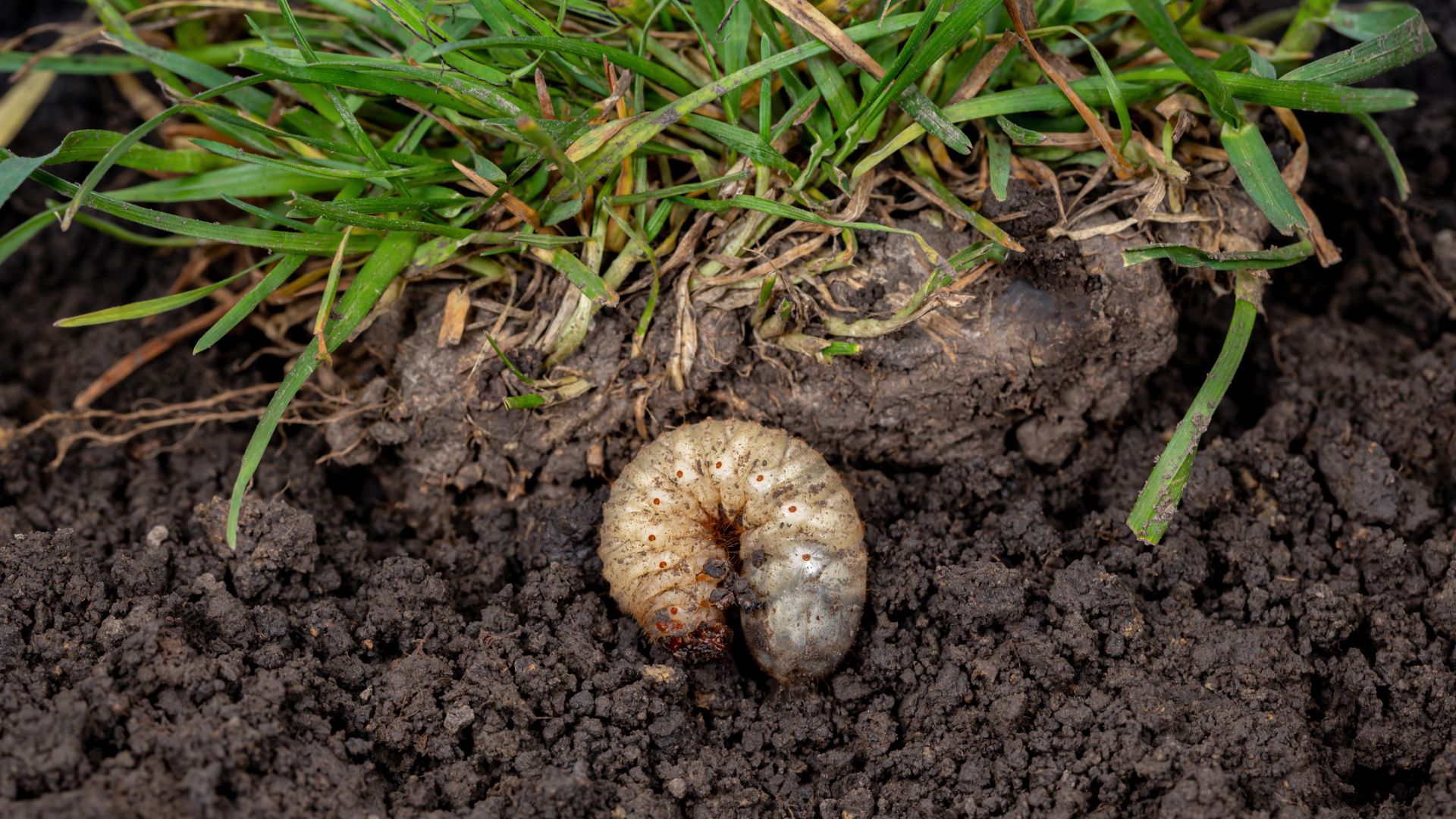
What they are: White grubs are the larval stage of various beetles including Japanese beetles, June bugs, and masked chafers. They are C-shaped, cream-colored larvae with brown heads and six legs near the head.
Where to find them: Grubs live in the soil, feeding on grass roots. Dig up a small section of damaged turf and look in the top 2 to 3 inches of soil.
Damage signs: Brown patches that do not respond to watering. Turf that feels spongy or rolls up easily. Increased bird, skunk, or raccoon activity as animals dig for grubs.
Threshold: More than 5 to 10 grubs per square foot typically causes visible damage and warrants treatment.
Chinch Bugs
What they are: Chinch bugs are tiny insects about the size of a pencil tip. Adults are black with white wings. Nymphs are red to orange with a white band across the back.
Where to find them: Part the grass at the edge of a damaged area and look at the soil surface. Chinch bugs often hide in the thatch layer.
Damage signs: Irregular yellow patches that turn brown, usually starting in hot, sunny areas near driveways or sidewalks. Damage spreads outward as chinch bugs move to fresh grass.
Test method: Cut both ends off a coffee can and push it 2 inches into the soil at the edge of damaged turf. Fill with water and watch for chinch bugs floating to the surface.
Sod Webworms
What they are: Sod webworms are the larvae of lawn moths. The caterpillars are about 3/4 inch long, tan or gray with dark spots.
Where to find them: Webworms hide in silk-lined tunnels in the thatch during the day and feed at night. Look for small moths flying in a zigzag pattern over your lawn at dusk.
Damage signs: Grass chewed down to the soil in irregular patches. Small green pellets of excrement on the soil surface. Thin, ragged turf that does not fill in.
Test method: Mix 2 tablespoons of dish soap in a gallon of water and pour over a square foot of turf. Webworms will crawl to the surface within a few minutes.
Billbugs
What they are: Adult billbugs are weevils about 1/4 to 1/2 inch long with a distinctive snout. Larvae are white, legless grubs found inside grass stems and in the soil.
Where to find them: Adults walk across sidewalks and driveways in spring. Larvae tunnel inside grass stems before moving to roots.
Damage signs: Random dead spots that appear in early to mid summer. Grass stems break easily at the soil line. Sawdust-like material at the base of damaged plants.
Test method: Tug on brown grass stems. If they break off at the soil line and show hollowed-out interiors or sawdust material, billbugs are likely the cause.
Fleas and Ticks
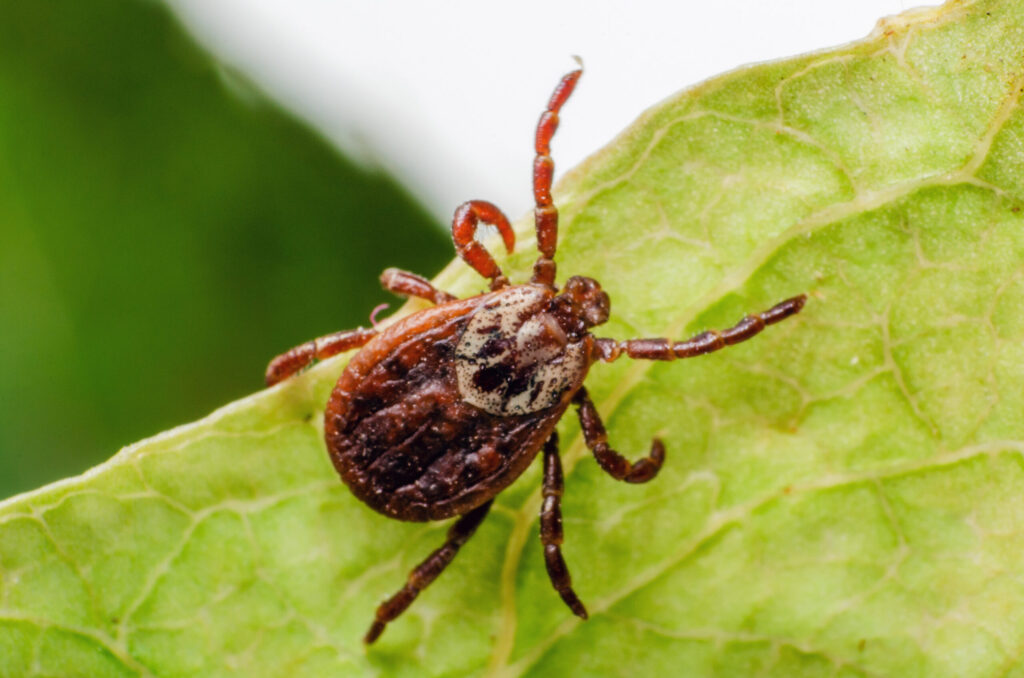
What they are: These are not lawn pests in the traditional sense, but they live in your yard and affect your family and pets. Fleas are tiny jumping insects. Ticks are small arachnids that attach to hosts to feed.
Where to find them: Both prefer shady, moist areas with tall grass or leaf litter. They wait on grass blades and vegetation for hosts to pass by.
Signs of presence: Flea bites on ankles, pets scratching excessively. Ticks found on family members or pets after time outdoors.
Grub Prevention: The Most Important Treatment of the Year
Grub prevention is the single most important pest control treatment for Utah County lawns. Here is why timing matters so much.
Understanding the Grub Life Cycle
Adult beetles emerge from the soil in early summer to mate and lay eggs. Females prefer to lay eggs in moist, healthy lawns because the eggs need moisture to survive. The eggs hatch in mid to late summer, and the tiny grubs immediately begin feeding on grass roots.
Grubs feed heavily through fall, growing larger and causing more damage as they go. When soil temperatures drop in late fall, grubs burrow deeper to overwinter. They return to the root zone in spring, feed briefly, then pupate and emerge as adult beetles to start the cycle again.
Why Prevention Works Better Than Cure
Preventative grub products are applied before eggs hatch. They remain active in the soil for several months, killing young grubs as soon as they begin feeding. Because the grubs die before causing significant damage, your lawn stays healthy.
Curative grub products are applied after damage is noticed. By this point, grubs are larger and harder to kill. Even if the treatment works, your lawn has already lost its root system. Recovery takes months and may require overseeding or sodding.
Timing Your Grub Prevention
In Utah County, grub prevention should be applied in late May to early June. This timing ensures the product is active in the soil when eggs hatch in July and August.
Our ELITE and PRO programs include grub prevention in Rounds 3 and 4, which fall in late May and early July. This provides extended protection throughout the critical egg-laying and hatching period.
Grub Prevention Pricing by Lawn Size:
| Lawn Size | Prevention Cost | Curative Package Cost |
|---|---|---|
| 1,000 to 5,000 sq ft | $60 to $68 | $120 to $136 |
| 6,000 to 10,000 sq ft | $72 to $88 | $144 to $176 |
| 11,000 to 15,000 sq ft | $92 to $108 | $184 to $216 |
| 16,000 to 20,000 sq ft | $112 to $128 | $224 to $256 |
| 21,000 to 25,000 sq ft | $131.50 to $145.50 | $263 to $291 |
As you can see, curative treatment costs twice as much as prevention and does not undo the damage already done.
Surface Insect Control Throughout the Season
While grubs work underground, surface insects like chinch bugs, sod webworms, and billbugs attack from above. Controlling these pests requires treatments throughout the growing season.
Spring Surface Insect Control (April)
Our Round 2 treatment includes surface insect control to eliminate overwintering pests as they become active. Catching these insects early prevents population explosions later in the season.
Early Summer Control (Late May)
Round 3 continues surface insect protection as temperatures warm and pest activity increases. This is when chinch bug populations begin building in hot, sunny areas of your lawn.
Summer Control (July and August)
Rounds 4 and 5 maintain surface insect protection through the peak summer months. Sod webworm moths lay eggs throughout summer, and multiple generations of chinch bugs can develop in a single season.
Fall Control (September)
Round 6 addresses late-season surface insects and helps reduce overwintering populations that would emerge next spring.
What ELITE and PRO Programs Include
Our ELITE program includes surface insect control at every visit from Round 2 through Round 6. This provides continuous protection throughout the growing season.
Our PRO program also includes surface insect control at every visit. The difference is that ELITE adds disease control, soil testing, root stimulant, and aeration.
Our ESSENTIAL program does not include surface insect control. Homeowners on this program can add insect control as a separate service if needed.
Flea and Tick Control for Your Yard
Fleas and ticks are more than just a nuisance. Ticks can transmit Lyme disease and other serious illnesses. Fleas cause misery for pets and can infest your home. Controlling these pests in your yard reduces exposure for your entire family.
How Perimeter Treatments Work
Flea and tick sprays create a barrier around your yard that kills these pests on contact. Treatments focus on areas where fleas and ticks are most likely to live: shady areas, along fence lines, under shrubs, and around pet areas.
When to Treat
Fleas and ticks become active when temperatures consistently reach 50 degrees or higher. In Utah County, this means treatments are most valuable from April through October.
We offer flea and tick spray as an add-on service for any lawn care customer. Contact us for pricing based on your property size.
Reducing Flea and Tick Habitat
In addition to treatments, you can reduce flea and tick populations by modifying their habitat. Keep grass mowed to proper height. Remove leaf litter and debris from shady areas. Create a 3-foot barrier of wood chips or gravel between lawn and wooded areas. Discourage wildlife like deer and rodents that carry ticks into your yard.
How to Check Your Lawn for Pest Damage
Regular inspection helps you catch pest problems before they become severe. Here is how to monitor your lawn throughout the season.
Step-by-step process:
- Walk your entire lawn weekly during the growing season
- Look for patches that are yellowing, browning, or thinning
- Check these areas more closely by parting the grass and examining the soil surface
- Perform the soapy water test if you suspect surface insects
- Dig a small section if you suspect grubs
- Count the number of pests per square foot to determine if treatment is needed
What to look for by season:
Spring (April to May): Billbug adults on hard surfaces, sod webworm moths at dusk, early chinch bug activity in sunny areas.
Summer (June to August): Chinch bug damage spreading from hot spots, sod webworm damage appearing overnight, grub damage becoming visible in late summer.
Fall (September to October): Peak grub damage as larvae reach full size, animal digging as skunks and raccoons hunt for grubs.
Common Lawn Pest Control Mistakes Utah County Homeowners Make
After caring for lawns throughout Utah County since 2001, we have seen the same pest control mistakes repeated over and over.
Mistake #1: Waiting Until Damage Appears By the time you see grub damage, the grubs have been feeding for weeks or months. Prevention applied before eggs hatch costs half as much as curative treatment and actually prevents damage instead of just stopping more damage.
Mistake #2: Treating the Wrong Pest Brown patches can be caused by grubs, chinch bugs, disease, drought, or many other factors. Treating for grubs when you actually have a fungal disease wastes money and leaves the real problem untreated. Proper identification matters.
Mistake #3: Using the Wrong Product at the Wrong Time Grub preventatives do not kill large, mature grubs. Curative products do not provide lasting protection. Using the wrong product for your situation leads to poor results and frustration.
Mistake #4: Applying Inconsistently Surface insect control works best when applied throughout the season. A single treatment in spring will not protect against sod webworm generations that hatch in July and August. Consistent treatment provides consistent protection.
Mistake #5: Ignoring Cultural Practices A stressed lawn shows pest damage more quickly than a healthy lawn. Proper mowing, watering, and fertilization help your lawn tolerate some insect feeding without visible damage. Pest control alone cannot fix a fundamentally unhealthy lawn.
Prevention vs. Curative Treatment: Which Should You Choose?
Preventative treatment stops pests before they cause damage. Products are applied based on pest life cycles, not visible damage. Cost is lower and results are better because damage never occurs. Best for: All lawns, especially those with a history of pest problems or in neighborhoods with known pest pressure.
Curative treatment kills existing pest populations after damage has begun. Products are stronger and faster acting. Cost is higher because treatment is reactive and damage has already occurred. Best for: Situations where prevention was missed or where an unexpected infestation develops despite preventative efforts.
Our recommendation: Always use prevention as your first line of defense. Add curative treatment only when infestations develop despite preventative measures.
Your Utah County Pest Control Calendar at a Glance
ELITE/PRO Program Schedule
| Round | Timing | Pest Control Services |
|---|---|---|
| Round 2 | Mid April | Surface insect control |
| Round 3 | Late May | Surface insect control, grub prevention |
| Round 4 | Early July | Surface insect control, grub prevention |
| Round 5 | Mid August | Surface insect control |
| Round 6 | Late September | Surface insect control |
DIY Pest Control Schedule
| When | What to Do | Target Pests |
|---|---|---|
| Early April | First surface insect treatment | Overwintering chinch bugs, early billbugs |
| Late May | Grub prevention | Japanese beetles, June bugs, masked chafers |
| Late June | Surface insect treatment | Chinch bugs, sod webworms |
| Early August | Surface insect treatment | Second generation sod webworms, chinch bugs |
| Late September | Final surface treatment | Reduce overwintering populations |

The Bottom Line
Lawn pest control in Utah County is about prevention and timing more than anything else. The pests that damage our lawns follow predictable life cycles, and treating at the right time stops problems before they start.
Key principles to remember:
- Prevention costs less and works better than curative treatment
- Grub prevention in late May to early June is the most important pest treatment of the year
- Surface insect control should continue throughout the growing season
- Proper identification ensures you treat the right pest with the right product
- Healthy lawns tolerate more pest activity than stressed lawns
- Regular monitoring helps you catch problems early
Utah County homeowners who follow a preventative pest control program enjoy healthier lawns with fewer surprise die-offs and expensive emergency treatments.
Let Lawn Squad Handle It For You
Every Utah County lawn faces different pest pressures. Your yard might border open space where beetle populations are high. Your neighborhood might have a chinch bug problem that spreads from yard to yard. Your soil type and irrigation practices affect which pests thrive.
Our pest control programs account for these variables with properly timed treatments throughout the season.
ELITE and PRO Programs include:
- Surface insect control at every visit from April through September
- Grub prevention timed for maximum effectiveness
- Trained technicians who recognize pest damage and adjust treatments accordingly
- Commercial-grade products that outperform consumer options
- Unlimited service calls if problems develop between scheduled visits
Additional pest control services available:
- Flea and tick perimeter spray
- Curative grub treatment when prevention was missed
- Targeted surface insect treatments for severe infestations
Tired of mysterious brown patches, dead spots, and animals digging up your lawn? Let us protect your yard from the pests that cause these problems.
Contact Lawn Squad of Utah County today at 385-474-9032 to get a free quote and start protecting your lawn from damaging pests.