The short answer: Dayton lawns need extra care during summer because our humid heat and unpredictable weather can stress cool season grasses quickly. The key is watering deeply but less often, mowing at the right height, and staying ahead of summer pests and diseases.
Most Dayton homeowners should water their lawn one to two times per week during summer heat. Mowing height matters more than most people think.
Quick overview:
- Watering: Deep watering early in the morning, one to two times weekly
- Mowing: Keep grass at 3.5 to 4 inches tall during summer
- Pest control: Watch for grubs and surface insects that thrive in summer heat
Whether you handle lawn care yourself or work with professionals, understanding these basics will help your Dayton lawn survive and thrive through July and August.

The Complete Summer Lawn Care Approach: Our 6 Round Program
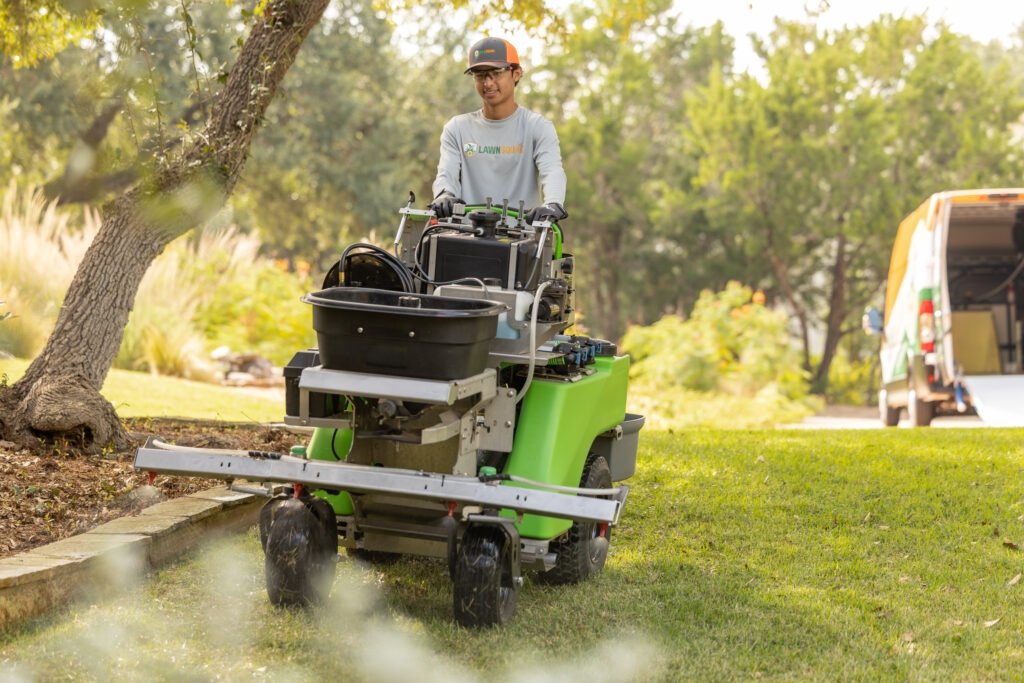
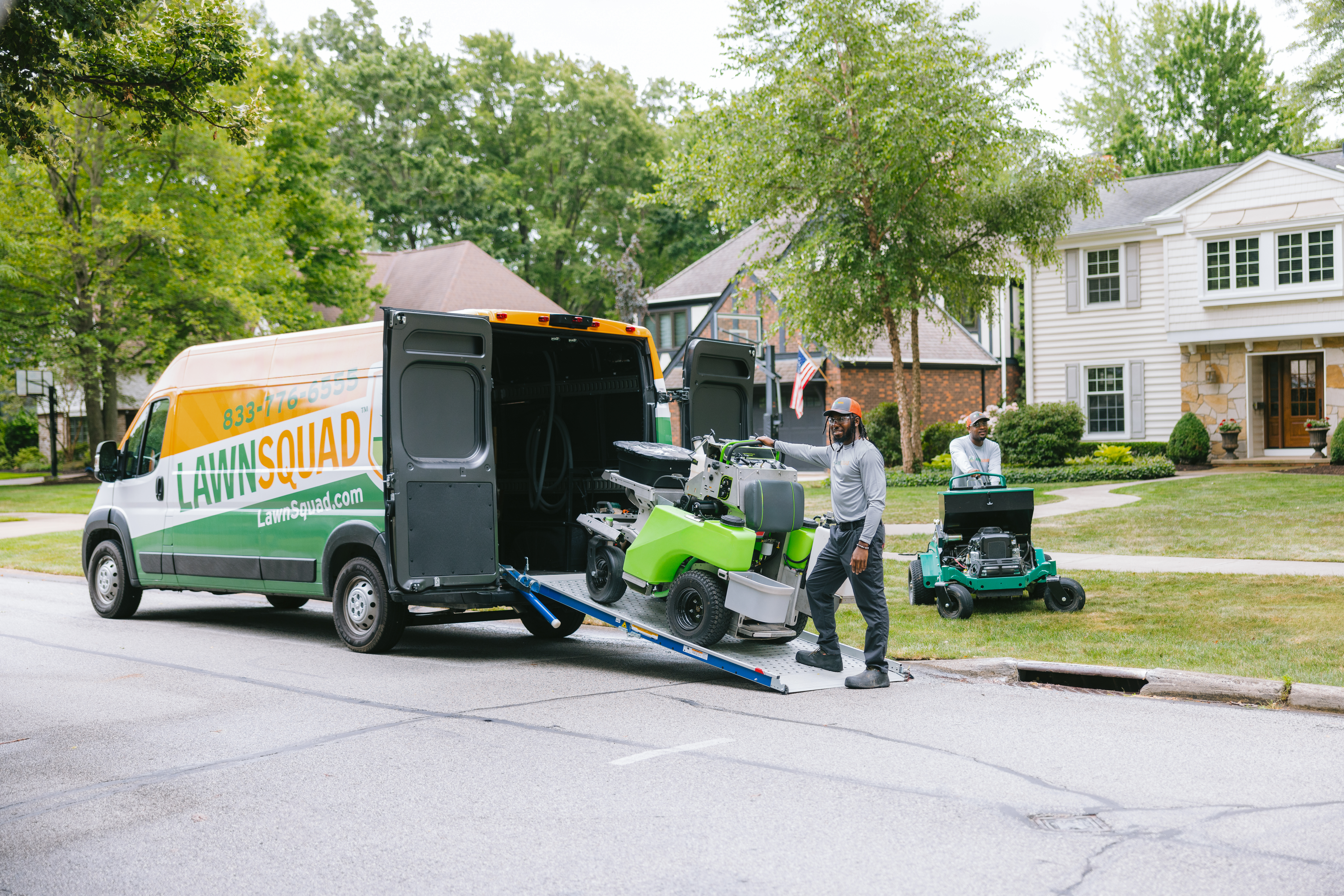
At Lawn Squad of Dayton, we designed our lawn care programs specifically for the challenges Miami Valley lawns face. Our ELITE and PRO programs include summer treatments in Rounds 3 and 4 that address the exact problems Dayton grass encounters during hot months.
These programs work because they combine fertilizer applications with surface insect control, grub prevention, and disease control. We time these treatments around 42 day intervals so your lawn gets what it needs exactly when it needs it.
Even if you decide to care for your lawn yourself, understanding why timing and product selection matter will help you make better choices for your property.
Why Summer Care Matters More Than Most Dayton Homeowners Realize
Dayton sits in a unique climate zone. Our cold winters mean we grow cool season grasses like Kentucky bluegrass, tall fescue, and perennial ryegrass. These grasses naturally prefer temperatures between 60 and 75 degrees. When July heat pushes temperatures into the 90s, your lawn is already stressed.
Add in our humid summers, and you have the perfect recipe for fungal diseases. Brown patch, dollar spot, and other lawn diseases love warm, humid nights. A lawn that looks fine on Monday can show brown patches by Friday if conditions are right.
Summer is also prime time for grubs. Japanese beetle larvae feed on grass roots from July through September. By the time you see brown patches from grub damage, the root system is already destroyed.
The Miami Valley’s unpredictable weather patterns make things even trickier. A week of drought followed by heavy rain creates stress that weakens your lawn’s defenses against pests and disease.
Summer Watering Guide for Dayton Lawns
Watering correctly during summer heat is probably the single most important thing you can do for your Dayton lawn.
How Much Water Your Lawn Needs
Your grass needs about one inch of water per week during normal conditions and up to 1.5 inches during extreme heat. This includes rainfall, so keep track of what Mother Nature provides.
One inch of water penetrates the soil about 6 inches deep, which encourages roots to grow deeper. Deep roots help your lawn survive drought stress much better than shallow roots.
When to Water
Water early in the morning, ideally between 4 AM and 10 AM. This gives grass blades time to dry before evening. Wet grass at night creates perfect conditions for fungal diseases to develop.
Avoid watering in the middle of the day when evaporation is highest. You will waste water and stress your lawn with rapid temperature changes.
How Often to Water
Water deeply but less frequently. One or two deep watering sessions per week beats daily light watering every time.
Light daily watering encourages shallow root growth. Those shallow roots cannot reach moisture deeper in the soil when the surface dries out during a hot spell.
Critical warning: Overwatering is just as damaging as underwatering. Soggy soil suffocates roots and promotes disease. If you notice mushrooms popping up or your lawn feels spongy, cut back on watering.
Summer Mowing Guide for Dayton Lawns
Mowing height has a huge impact on how well your lawn handles summer stress.
The Right Height for Summer
Keep your Dayton lawn at 3.5 to 4 inches tall during summer months. This is taller than many homeowners prefer, but the benefits are significant.
Taller grass shades the soil, keeping it cooler and reducing water evaporation. Taller grass also develops deeper roots and crowds out weeds more effectively.
The One Third Rule
Never remove more than one third of the grass blade in a single mowing. If your lawn is 4.5 inches tall, you can mow it down to 3 inches. Cutting more than that shocks the plant and weakens it during an already stressful season.
During rapid growth periods, this might mean mowing twice a week. During drought stress, you might go two weeks between mowings.
Keep Blades Sharp
Dull mower blades tear grass instead of cutting it cleanly. Torn grass tips turn brown and create entry points for disease. Sharpen your mower blades at least twice during the growing season.
Mowing Patterns
Change your mowing direction each time you mow. This prevents soil compaction and helps grass blades stand upright instead of leaning in one direction.
How to Calculate Your Lawn’s Water Needs
Figuring out how much water your sprinkler system delivers is simpler than you might think.
Step by step process:
- Place several empty tuna cans or similar containers around your lawn where the sprinkler reaches
- Run your sprinkler for 30 minutes
- Measure the water depth in each container and calculate the average
- Double that number to find your hourly water output
For example, if your containers collected half an inch of water in 30 minutes, your sprinkler delivers one inch per hour. To give your lawn one inch of water, run that zone for one hour.
Different sprinkler heads deliver water at different rates, so test each zone separately.
What About Grub Prevention?
Summer is critical timing for grub prevention in the Dayton area. Japanese beetles lay eggs in lawns during June and July. Those eggs hatch into grubs that feed on grass roots through late summer and fall.
Preventative grub control works much better than waiting until you see damage. By the time brown patches appear from grub feeding, significant root damage has already occurred.
Lawn Squad of Dayton includes grub prevention in both our ELITE and PRO programs during Rounds 3 and 4. This timing targets grubs when they are young and most vulnerable to treatment.
We recommend preventative treatment for any Dayton lawn, especially if you have seen grub damage in previous years or notice Japanese beetles in your garden during summer.
Common Summer Lawn Care Mistakes Dayton Homeowners Make
After serving the Greater Dayton area since 2001, we have seen these mistakes cause problems year after year.
Mistake 1: Cutting Grass Too Short Many homeowners scalp their lawn thinking they will mow less often. Short grass stresses quickly in summer heat and allows weeds to take over. Keep it at 3.5 to 4 inches.
Mistake 2: Watering Every Day for Short Periods Daily light watering trains roots to stay shallow. When you skip a day or two during a heat wave, those shallow roots cannot find moisture. Water deeply and less often instead.
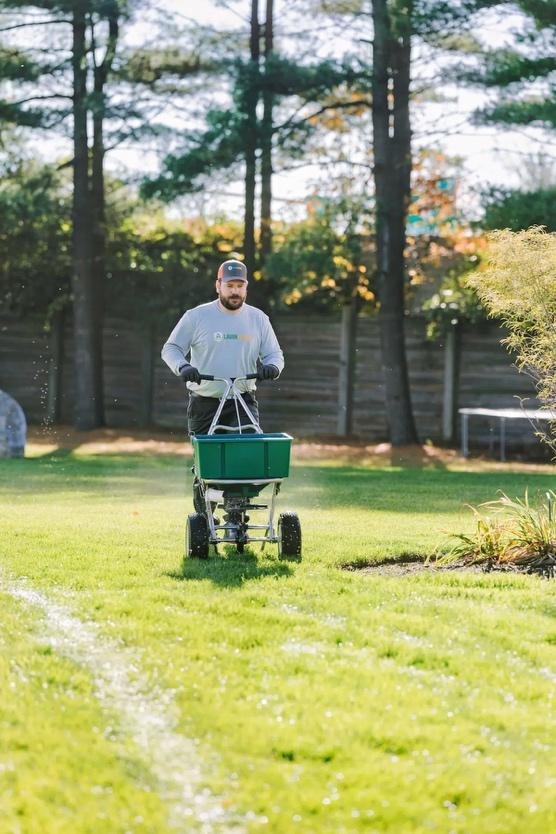
Mistake 3: Fertilizing During Heat Waves Applying fertilizer when temperatures exceed 85 degrees can burn your lawn. If you are on a professional program, your provider times applications correctly. DIY homeowners should wait for cooler weather.
Mistake 4: Ignoring Early Signs of Disease Small brown patches can spread across your entire lawn within days during humid conditions. Address problems early before they become expensive to fix.
Mistake 5: Skipping Grub Prevention Treating grubs after damage appears costs more and works less effectively than prevention. By mid August, grub damage becomes obvious, but prevention needed to happen in June or July.
DIY vs. Professional Summer Lawn Care: Which Should You Choose?
DIY lawn care gives you complete control over timing and products. You can respond immediately to problems and save money on labor costs. However, you need to invest time learning about proper products, application rates, and timing for our Dayton climate.
Best for: Homeowners who enjoy lawn work, have time to research and apply treatments correctly, and have smaller properties.
Professional lawn care brings expertise in local conditions and proper timing. Professionals have access to commercial grade products and know how to identify problems before they spread. The cost is higher than DIY products alone.
Best for: Busy homeowners, larger properties, lawns with ongoing pest or disease issues, and anyone who wants reliable results without the learning curve.
Your Dayton Summer Lawn Care Calendar at a Glance
DIY Summer Schedule
| Month | What to Do | Details |
|---|---|---|
| June | Apply grub prevention | Timing is critical for effectiveness |
| June | Water deeply 1 to 2 times weekly | One inch total per week minimum |
| July | Maintain mowing height at 3.5 to 4 inches | Never remove more than one third |
| July | Watch for brown patch disease | Treat early if spotted |
| August | Continue deep watering | Increase to 1.5 inches during heat waves |
| August | Scout for grub damage | Look for brown patches that pull up easily |
Lawn Squad Program Schedule
| Round | Timing | What We Apply |
|---|---|---|
| Round 3 | May 25, 2026 | Fertilizer, weed control, insect control, grub prevention, disease control |
| Round 4 | July 6, 2026 | Fertilizer, weed control, insect control, disease control, grub prevention |
| Round 5 | August 17, 2026 | Fertilizer, root stimulant, weed control, insect control, disease control, aeration |
The Bottom Line
Dayton summers challenge our cool season lawns with heat, humidity, and pests. Success comes down to consistent care at the right times.
Key principles to remember:
- Water deeply but less frequently, aiming for one inch per week
- Keep mowing height at 3.5 to 4 inches during summer months
- Apply grub prevention in June or early July before damage occurs
- Watch for disease symptoms and act quickly when you spot them
- Avoid fertilizing during extreme heat
Lawns that receive proper summer care enter fall healthier and recover faster. They also develop stronger root systems that handle stress better the following year.
Let Lawn Squad of Dayton Handle It For You
Every Dayton lawn is different. Soil type, sun exposure, grass species, and property size all affect what your lawn needs during summer heat.
Our lawn care programs account for all of these factors plus the specific challenges of the Miami Valley climate.
Our ELITE Program includes:
- Surface insect control throughout the summer season
- Grub prevention timed for maximum effectiveness
- Disease control applications during peak fungal season
- Professional grade fertilizers that feed without burning
- Unlimited service calls if problems develop between visits
Stop worrying about whether you are watering enough or if grubs are destroying your roots. Let our team handle the details while you enjoy your lawn.
Contact Lawn Squad of Dayton today at 937-984-1659 to get a free quote and give your lawn the protection it needs this summer.