Florida Betony, Dollarweed, and Winter Weeds: Fall Weed Control in Jacksonville and St. Augustine

Florida Betony, Dollarweed, and Winter Weeds: Fall Weed Control in Jacksonville and St. Augustine
Short Answer: Fall is when the winter weed season starts in Northeast Florida. Florida betony, annual bluegrass, henbit, chickweed, and lawn burweed begin growing as temperatures cool, while St. Augustine, zoysia, Bahia, and centipede slow down. Dollarweed, which thrives on excess water, often lingers too. A pre-emergent in early fall stops many winter annuals before they sprout, and targeted post-emergent control on mild days handles the rest. Reducing irrigation is one of the most effective ways to fight dollarweed. Always choose products labeled safe for your grass type.
If you are reading this, you may already be seeing the first signs. A few clumps of bright green grass in the dormant zoysia. Round, coin-shaped leaves spreading through the St. Augustine. Or that square-stemmed weed with the white, segmented roots that seems impossible to pull out completely.
Those are some of the most common weeds in Jacksonville and St. Augustine lawns this time of year. Fall is when many of them get started, which makes it one of the best times of the year to get ahead of them.
Why Fall Matters for Weeds
St. Augustine, zoysia, Bahia, and centipede are warm-season grasses. As November temperatures cool, they slow down. Winter frosts can push them partly dormant. That leaves open space and sunlight in the lawn just as winter weeds begin to germinate.
Those weeds grow slowly through winter, then surge in late winter and early spring, often flowering and setting seed before the warm-season grass greens up.
Florida Betony
Florida betony is one of the most frustrating weeds in Northeast Florida lawns. It is a perennial that grows during the cooler months, with square stems, toothed leaves, and pinkish flowers in spring. Its most distinctive feature is underground: white, segmented tubers that look a bit like rattlesnake rattles. Those tubers are how it spreads and why pulling it rarely works, since pieces left behind regrow.
Betony is best controlled with post-emergent herbicides labeled for it, applied while it is actively growing in fall, winter, and early spring. Multiple applications are often needed.
Dollarweed
Dollarweed, also called pennywort, has round, shiny leaves about the size of a coin, with the stem attached in the center. It thrives in wet conditions and is often a sign that the lawn is being watered too much. It spreads by runners and can take over sections of St. Augustine.
The single most effective step for dollarweed is reducing irrigation. Cutting back watering, especially as temperatures drop in fall, makes conditions less favorable for it. Post-emergent products labeled for dollarweed can help, but they work best when combined with better watering habits.
Annual Bluegrass and Other Winter Annuals
Annual bluegrass, or poa annua, is a bright green, clumpy grass that shows up in dormant lawns and produces seed heads in late winter. Henbit, with square stems and small purple flowers, and chickweed, with low mats and small white flowers, are also common. Lawn burweed is the one families notice most, since it develops spiny burs in spring that stick to bare feet and pets.
Pre-Emergent Timing
A pre-emergent herbicide forms a barrier in the top layer of soil that stops many weed seeds from emerging. It does not control weeds already growing or perennial weeds like betony and dollarweed that spread from tubers and runners.
For winter annuals in Northeast Florida, the best time for a fall pre-emergent is generally early fall, from late September through October, before most of them germinate. A November application can still help with later-germinating weeds.
Most pre-emergents also stop grass seed and can affect new sod or plugs, so timing needs care if you are planning lawn repairs.
Post-Emergent Control
Post-emergent herbicides target weeds that are already growing. Here is what we have found works best. Treat young winter weeds on mild days in late fall and winter, when they are actively growing, rather than waiting until spring when they are larger and flowering. Controlling burweed before its burs form is especially important.
Product Labels Matter
St. Augustine and centipede are sensitive to some herbicides that are safe on Bermuda or zoysia. Some products can injure or kill St. Augustine, especially in warm weather. Always read the label carefully and choose products labeled for your grass type and the weeds you are targeting. Temperature limits on the label matter.
A Thick Lawn Is the Best Defense
Weeds fill empty space. A thick, healthy lawn leaves fewer gaps. Mow at the right height for your grass, avoid scalping in fall, keep fertilizer light and well timed rather than heavy, and avoid overwatering.
Watch the Thin and Wet Spots
Winter weeds show up first where the lawn is thin: under trees, along beds, in areas damaged by chinch bugs or disease, and in low spots that stay wet. Those are the areas to watch most closely.
Sedges Are Different
Sedges, including nutsedge and kyllinga, are common in Northeast Florida lawns. They are mostly warm-season weeds that thrive in wet soil in summer. They slow down in fall and are best treated in late spring and summer when actively growing. Like dollarweed, they are encouraged by overwatering.
Weed and Feed Products
Weed and feed products are convenient, but the timing of the fertilizer and the herbicide rarely lines up well in fall. Extra nitrogen in November on St. Augustine and zoysia raises large patch risk. Treating weeds and feeding the lawn as separate steps usually works better.
Beds and Edges
Weeds in landscape beds and along sidewalk edges can spread seed into the turf every year. Keeping beds mulched and weeded in fall reduces seed pressure on the lawn.
Shade and Weeds
Shaded St. Augustine under live oaks and pines grows more slowly and thins out, leaving room for weeds like chickweed and poa. Keeping the mowing height up in shade and thinning tree canopies where practical helps the grass compete.
Keep Records
Make a quick note of which weeds showed up where this year, and when. Those notes make next fall’s pre-emergent timing and spot treatments far more targeted, and they help you track whether perennial weeds like betony are shrinking year to year.
Spot Treat Rather Than Blanket Spray
In lawns with only scattered weeds, spot treating the weeds you can see uses less product than treating the entire lawn and reduces stress on the grass.
Mulch Around Trees
In areas where grass simply will not grow well, such as deep shade under oaks or around tree roots, a mulched bed is often a better choice than thin turf that invites weeds.
Check Local Rules
Some Florida counties and cities have fertilizer ordinances, and some have rules about herbicide applications near water. Keeping products away from ponds, canals, and marsh edges protects water quality.
What to Expect
Fall weed control does not mean zero weeds. It means far fewer, smaller weeds that are easier to manage. Perennial weeds like betony often take more than one season of consistent treatment, since their underground tubers can survive a single application and resprout the following fall.
What a Cleaner Spring Looks Like
Imagine this. It is March. Lawns around the neighborhood are full of betony, poa clumps, and burweed. Yours is greening up with far fewer weeds, because you cut back the sprinklers in October, kept up with targeted treatments through winter, and planned a pre-emergent for next fall.
What to Do Next
This month, cut back irrigation to discourage dollarweed and sedges, treat young winter weeds and Florida betony on mild days with products labeled safe for your grass type, and keep mowing at the right height. Plan a fall pre-emergent for late September next year, and keep any fertilizer light.
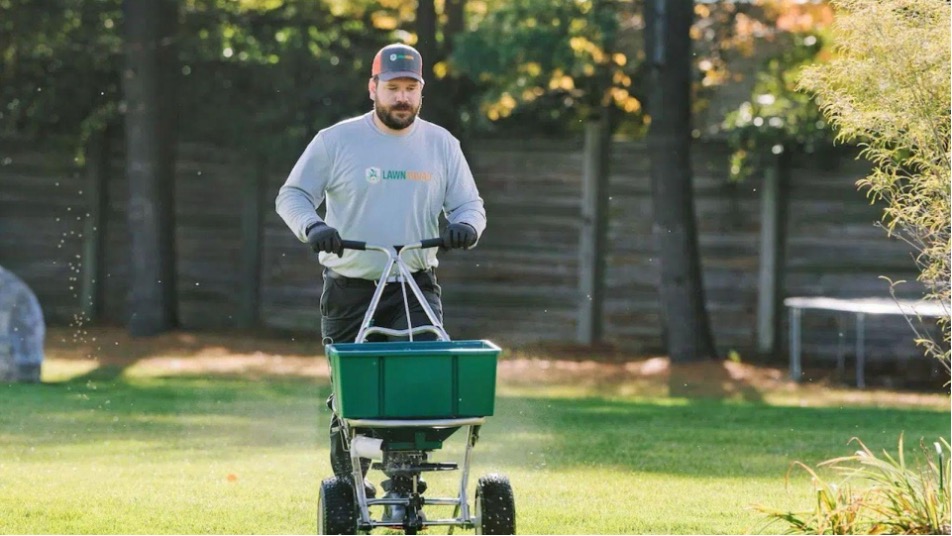
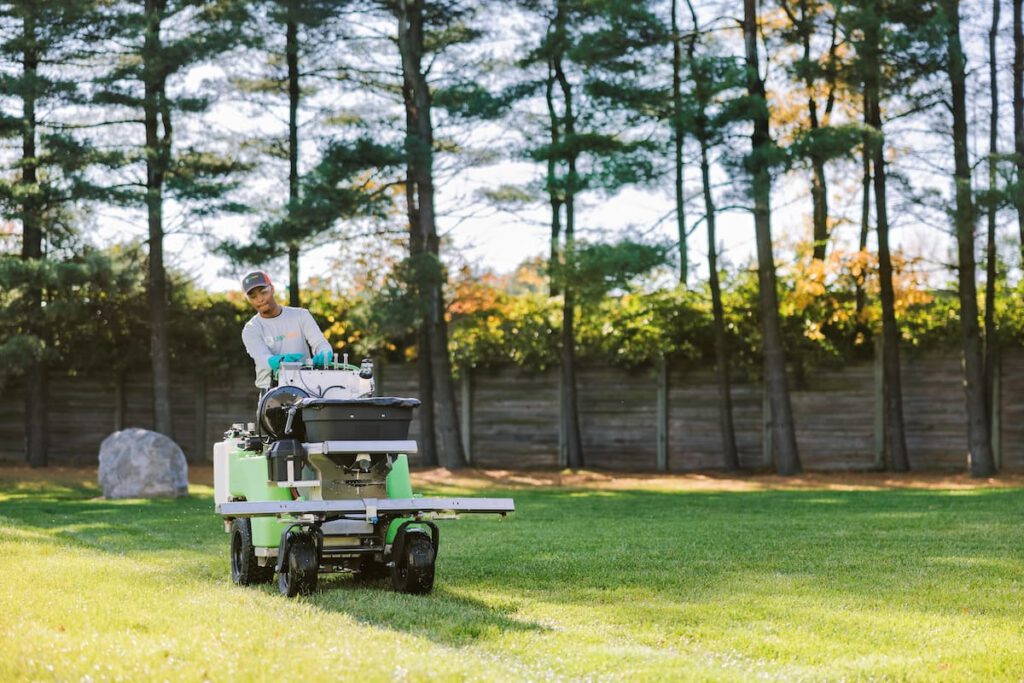
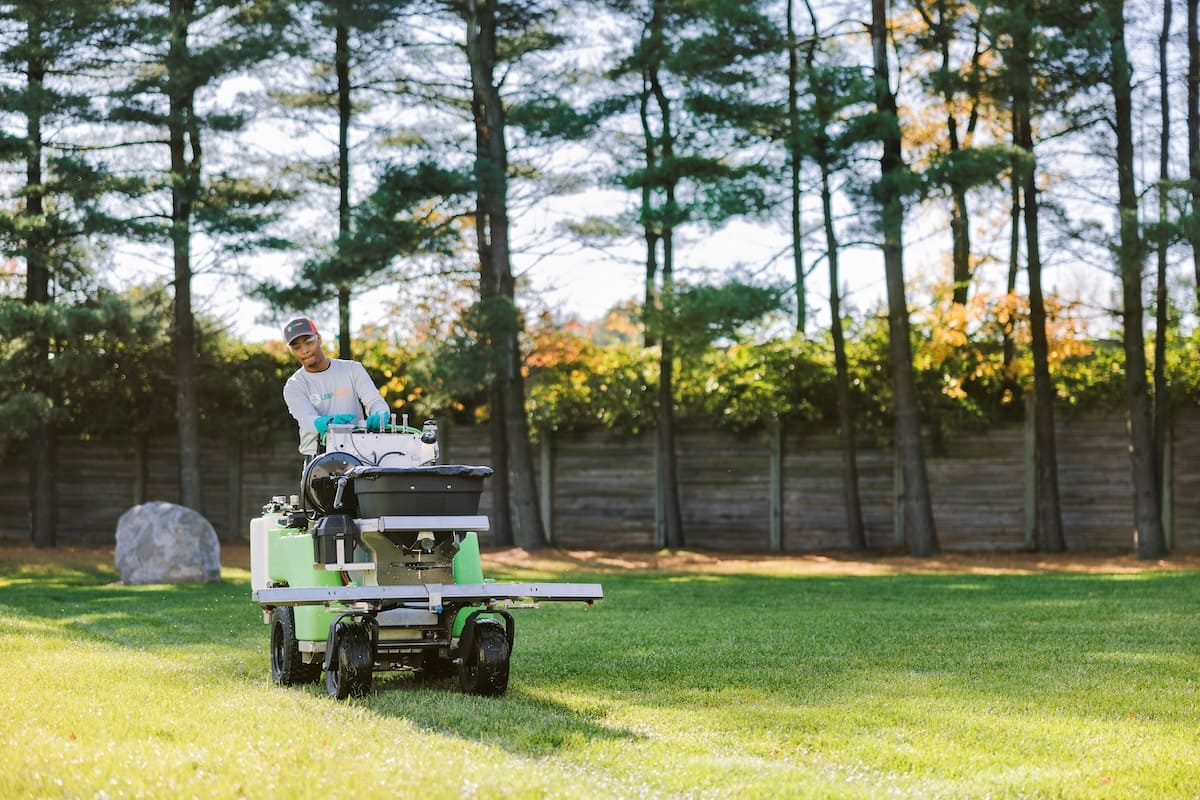
If you would rather have someone else handle the timing decisions, product selection, and application for your Northeast Florida lawn, we are here for that. Lawn Squad of Jacksonville-St. Augustine serves homeowners across Jacksonville, St. Augustine, and the surrounding area. Visit lawnsquad.com to request a free quote. Our VitaminLawn program is built for the grass types, soils, and weather patterns we deal with here.
Here is what to expect. We will look at your grass, talk through how your lawn handled this year, and explain what we would apply before winter and why. If your lawn does not need a late-season application, we will tell you that honestly.