Short Answer: Chinch bug damage on North Dallas Bermuda and St. Augustine lawns starts as yellowing patches in the sunniest, driest, hottest spots, usually along south-facing slopes, sidewalk edges, and against west-facing walls. The patches turn straw-brown and expand outward. The 5-minute float test confirms it: cut both ends off a coffee can, push it two inches into the grass at the edge of a damaged patch, fill it with water, and watch for tiny black or red insects floating to the surface within five minutes. Once confirmed, a targeted insecticide application (typically bifenthrin or imidacloprid) applied to the damaged area and a buffer ring around it stops the spread. Untreated chinch bug damage can take a Frisco, Plano, or Prosper St. Augustine lawn down to bare soil in three to four weeks during June and July heat.
If you have driven through a North Dallas neighborhood in late June and seen a perfectly cared-for St. Augustine lawn with one straw-colored patch growing along the sidewalk next to a healthy green section, you have probably seen chinch bug damage. The pattern is unmistakable once you know it. A homeowner irrigating on schedule, mowing on schedule, fertilizing on schedule, and still losing a corner of the yard to what looks like drought but is not.
We see this every year across Plano, Frisco, McKinney, Allen, Prosper, and Celina. June is when chinch bugs hit reproductive overdrive, and on the warmest sunniest sections of a North Dallas lawn, populations can spike from undetectable to thousands per square yard in two weeks. By the time the damage is obvious from the porch, the yard already needs treatment plus recovery time. Catching it early is the whole game.
What Chinch Bugs Are and Why They Love North Dallas
Chinch bugs are tiny sap-sucking insects, about an eighth of an inch long when mature. Adults are black with white wing markings shaped like an X. Nymphs are bright reddish-orange with a white band across the back. They feed by inserting a needle-like mouthpart into grass blades and stems and sucking out plant fluids while injecting a toxin that disrupts the grass’s water uptake.
The toxin effect is what makes chinch bug damage look so much like drought. The grass cannot move water properly even with adequate irrigation. Homeowners assume the irrigation is failing, crank up the watering, and the damage keeps spreading.
North Dallas is chinch bug country for three reasons. First, the prolonged hot dry summer pattern is exactly the environment chinch bugs thrive in. Cool wet conditions kill them off. We almost never get those in June through August. Second, the heavy St. Augustine and common Bermuda lawn cover across Collin and Denton Counties offers them their preferred food source. Third, water restrictions in many North Dallas municipalities push lawns into mild moisture stress, and stressed lawns are more vulnerable to chinch bug populations getting established.
Where the Damage Shows Up First
Chinch bugs need hot, dry, sunny conditions to multiply quickly. So damage almost always appears first in the hottest sunniest spots on a property. The patterns are predictable across the North Dallas yards we treat.
South-facing and west-facing slopes are number one. The sun bakes those sections all afternoon, soil temperatures climb into the 90s at the surface, and chinch bugs build colonies fast. Number two is the strip of lawn along the sidewalk, driveway, or street where concrete reflects heat back into the turf. Number three is against west-facing brick or stone walls where afternoon sun is amplified. Number four is in the median strip between the sidewalk and the curb on many newer subdivisions in Prosper and Celina.
What you almost never see is chinch bug damage in heavy shade or on a north-facing slope. If the patches on your lawn are in shady spots or on the cool side of the house, you are probably looking at something else, possibly take-all root rot, brown patch, or chronic moisture issues.
The Five-Minute Float Test
Confirmation matters because chinch bug damage and drought stress look nearly identical to a homeowner. The fastest test is the float test, and you can run it in five minutes with materials from your garage.
Take a coffee can or a piece of PVC pipe and cut both ends off. Push it firmly two inches into the lawn at the active edge of a damaged patch, where green meets yellow. Fill the can with water. If there is a chinch bug population, within three to five minutes you will see small black adults and reddish nymphs floating to the surface. A heavy infestation produces a dozen or more in a single test can. Even five or six bugs floating up is enough to warrant treatment.
If the can stays clear of insects after five minutes, run the test in two more spots in the damaged area. If you still get nothing, the issue is probably drought stress or something else. Try lifting the turf with your hands at the edge of the patch. If it pulls up easily with rotted roots, you might be looking at take-all root rot, which we treat very differently.
How Chinch Bug Treatment Works
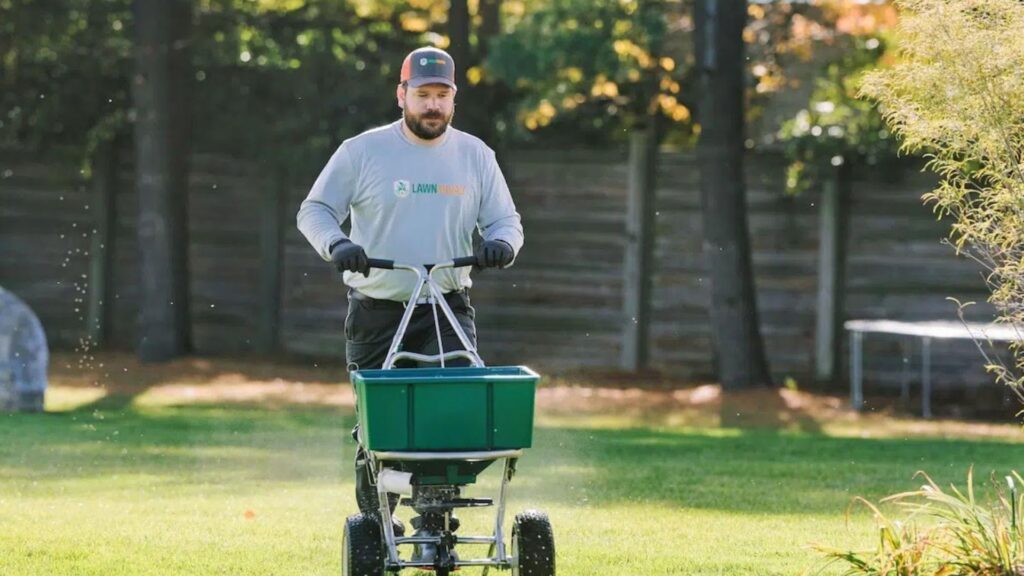
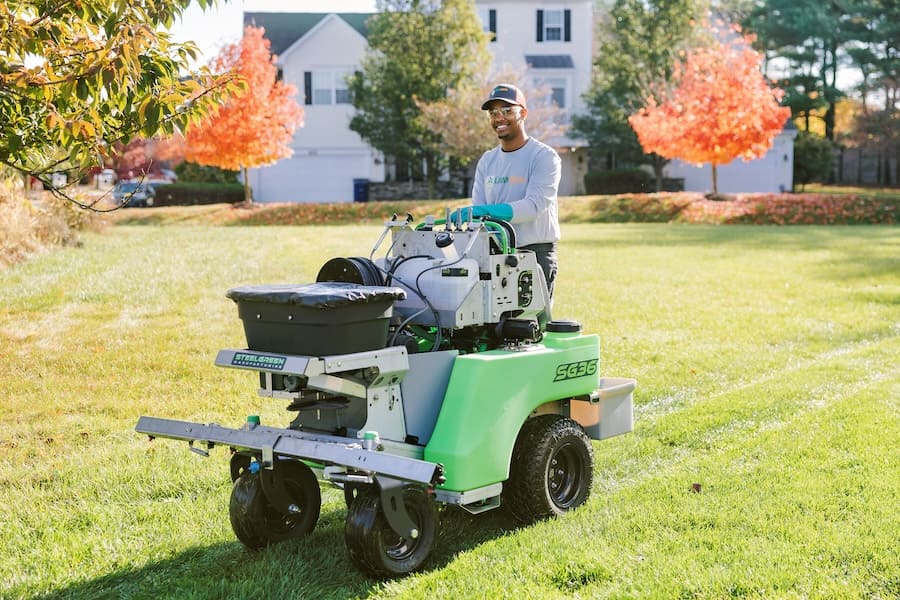
When we confirm chinch bugs on a North Dallas property, the treatment is targeted rather than broadcast. The active infestation typically covers a defined area, and we treat that area plus a buffer zone of about ten feet around it where the population is moving outward.
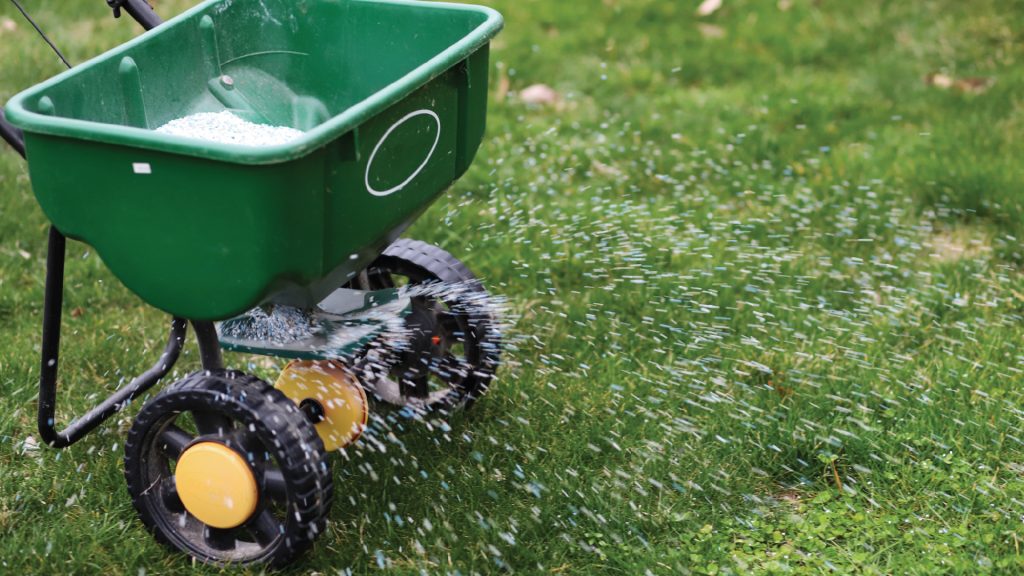
The two most common active ingredients on residential lawns are bifenthrin and imidacloprid. Bifenthrin is a fast-knockdown pyrethroid that catches adults and nymphs on contact and provides about three weeks of residual control. Imidacloprid is a systemic neonicotinoid that gets taken up by the grass and protects against re-infestation for longer. Some programs combine the two for first-knockdown plus residual protection. Granular applications need to be watered in immediately after application, while liquid applications can sit if the forecast is dry.
One treatment is usually not enough on a heavily infested lawn. The first application catches the active feeding population. A follow-up two to three weeks later catches the next generation as eggs hatch. Without the follow-up, damage often returns by late July.
Recovery: What to Expect After Treatment
The grass that was being fed on is dead. Insecticide stops the spread, but it does not bring back the killed turf. Recovery depends on which species you have.
St. Augustine recovers from chinch bug damage by spreading stolons into the affected area from surrounding healthy turf. If the damaged patch is under about three feet across, the stolons will fill it in over six to ten weeks with proper irrigation and fertility. If the damage is larger, the recovery becomes patchy, and most homeowners end up adding plugs or sod squares to speed things along.
Common Bermuda recovers faster than St. Augustine because it spreads aggressively by both stolons and rhizomes. A treated Bermuda lawn with proper June irrigation and a modest nitrogen feed often shows green growth in damaged areas within three weeks.
The recovery period needs careful watering. The dead surface layer can crust over and shed water on Collin County clay soils. We sometimes recommend a light topdressing of compost or a wetting agent application to help the soil accept water during recovery. Avoid heavy nitrogen during early recovery, since it can stress the still-thin turf.
Prevention: Why a June Monitoring Visit Pays Off
The North Dallas customers we work with who never lose a yard to chinch bugs are not the ones with the most aggressive treatment programs. They are the ones who walk their lawn in early June and again at the end of June, looking for the early yellowing patches that come before visible damage. Catch the population at 50 bugs per square foot and one targeted application solves the problem. Catch it at 500 per square foot and you are doing damage control on a partial lawn loss.
For properties with a history of chinch bug damage, a preventive imidacloprid application in late May or early June is reasonable insurance. It protects the high-risk zones (the south-facing slope, the sidewalk strip, the area against the west wall) before populations build. The cost is modest compared to the cost of recovering a damaged lawn.
Avoid the temptation to over-irrigate the rest of the lawn to compensate for what looks like drought. The water restriction reality of Stage 1 or Stage 2 restrictions in Frisco, Plano, and McKinney means most homeowners cannot legally over-irrigate anyway. But even if you can, increasing water on a chinch bug infestation just speeds the spread.
What to Do Next
If you have a yellowing patch in a sunny spot on your North Dallas lawn that does not respond to extra water, run the float test today. If you find chinch bugs, do not wait. The damage curve is exponential through June heat, and a one-week delay can double the affected area.
Lawn Squad of North Dallas and Prosper serves homeowners across the North Dallas and Prosper Area.
Call us at 469-629-1599 or request a free quote at lawnsquad.com. Our VitaminLawn program includes proactive pest monitoring through the chinch bug season on the St. Augustine and Bermuda lawns common across our service area. The customers in Prosper, Frisco, and McKinney who maintain the strongest yards through summer are usually the ones who catch chinch bug pressure in early June, not late July.