

October Lawn Fertilization in Utah County: The Application Most People Skip
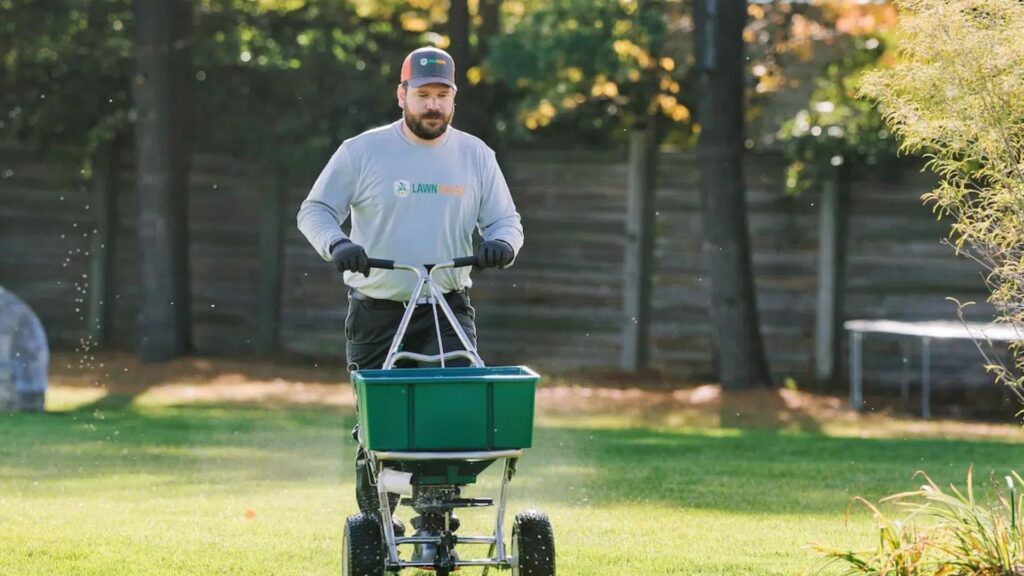
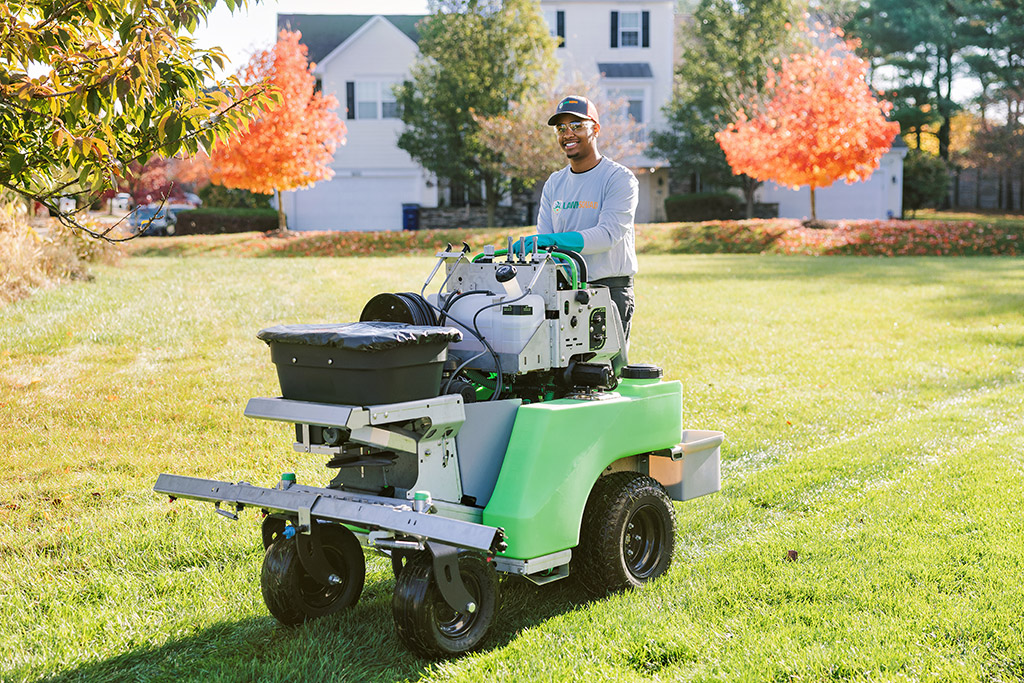
Short Answer: October sits between the two fall feeding windows in Utah County, and how you handle it decides your spring. The early fall application should already be down or going down now, feeding the recovery and density the season still allows. The second, in late October into November, is the one most homeowners never make, and it is the one that matters most. Top growth has stopped by then but roots keep working for weeks, and what goes down is stored as reserves rather than spent on leaf growth. That stored energy is what produces an early, even green up.
Most lawn fertilizing in Utah County stops when the mowing stops. The lawn looks finished, the equipment goes away, and the season feels closed.
It is not closed. Soil temperature lags air temperature by a considerable margin, and roots keep taking up nutrients for weeks after the last cut of the year. Anything applied during that stretch gets stored rather than burned on growth the plant does not need.
That stored energy is what determines how early and how evenly your lawn comes out of winter. Here is how October fits between the two applications that matter.
Why Fall Feeding Outperforms Spring Feeding
Most homeowners think of spring as fertilizing season because spring is when the lawn visibly responds. It is a reasonable instinct and it is backed by the wrong season.
Cool-season grasses do their best work in fall. Air temperatures have dropped out of the range that stresses them, soil is still warm enough for root activity, and the plant is actively building root mass and storing carbohydrate reserves rather than just pushing leaf growth.
That changes what your fertilizer dollar buys. A spring application largely produces top growth, which looks good and means more mowing. A fall application goes into roots and reserves, which is what determines how the lawn handles next summer’s heat and how quickly it greens up next spring.
By October the emphasis has shifted again. Early fall feeding was about growth and density. What remains is about storage, and the product should reflect that.
What Utah County Lawns Are Actually Working With
Three soil characteristics define fertility here, and all three run opposite to what most lawn literature assumes.
Alkalinity is the first and the most important. Calcareous soils developed from limestone rich parent material and Lake Bonneville deposits push pH well above the range where turf performs best. At high pH, iron, manganese, and zinc become chemically unavailable even when abundant in the soil. The visible result is interveinal yellowing, which is iron chlorosis, and it is routinely misdiagnosed as a nitrogen shortage.
Low organic matter is the second. Our soils hold very little, which means less water holding capacity, less nutrient buffering, and less biological activity to cycle nutrients into available forms.
Irrigation dependence is the third. When nearly all water arrives through a system rather than from the sky, application uniformity and infiltration directly determine whether fertilizer moves into the root zone or sits on the surface. A lawn with poor coverage in one zone will show nutrient symptoms in that zone regardless of how evenly the fertilizer was spread.
Where October Sits Between the Two Windows
Fall feeding in Utah County is two applications doing two different jobs, and October is the hinge between them.
The early application belongs to September and the first part of October. It is the growth feeding, going into new tillers, thickening, and root development while the grass is still actively growing. If you have not made it yet and it is early in the month, it is still worth making. If it is late October, the growth response you would be paying for is largely behind you.
The late application, in late October into November here, is the reserve feeding, and it is the one most homeowners never make. Top growth has stopped and the lawn looks finished for the year. Underneath, soil temperature lags air temperature and roots keep working, so nutrients applied then are stored as reserves rather than spent.
The formulation should shift between the two. Early fall wants nitrogen for growth. The late application wants more potassium, which supports cell wall strength and cold hardiness, and considerably less nitrogen, because forcing tender growth immediately before hard freezes produces tissue the plant cannot protect and spends reserves it should be banking.
Use your mower as the trigger for the second one rather than a calendar date. Once the lawn has stopped needing cutting but the ground is still unfrozen and workable, the window is open.
Reading the Numbers on the Bag
The three numbers on every fertilizer bag are nitrogen, phosphorus, and potassium in that order, expressed as a percentage of the bag by weight.
Nitrogen drives green color and leaf growth. It is the nutrient lawns use in the largest quantity and the one doing most of the work in an early fall application. It is also the one to pull back on as the season closes.
Phosphorus supports root establishment, which is why starter fertilizers carry more of it. It is regulated in a number of states and in many cases cannot be applied to established lawns without a soil test showing a deficiency, which is worth knowing before you buy.
Potassium is the one most homeowners ignore and the one that matters most in the late application. It strengthens cell walls, regulates water movement within the plant, and improves cold hardiness and disease resistance. Budget products frequently skimp on it because it costs more than nitrogen, which is exactly why a late fall product weighted toward potassium is worth seeking out.
Leaf Management Is Now Part of the Job
October is when leaf management stops being optional, and it interacts with fall feeding more directly than most homeowners realize.
A light scattering of leaves is harmless and mulching them into the lawn with the mower is genuinely useful, returning organic matter to soil that is usually short of it. The problem is volume and time. A heavy layer of whole wet leaves blocks light, holds moisture against the crown, and creates exactly the conditions fungal disease needs during the cool damp stretches October delivers.
The damage is not theoretical. Areas that spend weeks under matted leaves come out of winter as dead patches that need repair, and on a lawn where the seeding window has closed, that repair waits until next fall.
The working rule is simple. Do not let heavy accumulation sit for more than about a week. Mulch what the mower can handle and remove what it cannot, and plan a final clearing once the trees are actually bare rather than partway through the drop.
The Fall Feeding Mistakes We See Most
The recurring mistakes here follow directly from applying advice written for other regions.
Answering yellowing with more nitrogen is the first and most common. If the cause is iron chlorosis from high pH, additional nitrogen produces growth the plant cannot properly support and no color improvement.
Applying lime is the second, and it is actively harmful here. Lime raises pH, and our soils are already too alkaline. It is the standard recommendation in acidic regions and the wrong one in this one.
Ignoring irrigation uniformity is the third. Nutrient symptoms that follow a pattern matching your sprinkler coverage are a water distribution problem wearing a fertilizer costume.
And never building organic matter is the fourth. Returning clippings and topdressing with compost after aeration are slow, cheap, and address the underlying condition rather than its symptoms.
What to Do Next
If the early fall application has not happened and it is still early in the month, get it down now. If it is late October in Utah County, skip ahead and put your budget into the application that follows your final mow.
Set a reminder for late October into November. That application is invisible, deferred, and the single most valuable thing you will do for your lawn between now and spring, which is exactly why it is the one that gets forgotten.
And keep the leaves moving. A good feeding under a mat of wet leaves produces dead patches rather than a better spring.
Visit lawnsquad.com to find the Lawn Squad location nearest you and request a free quote. Our VitaminLawn program is built specifically for the grass types, soils, and weather patterns in each market we serve.