

Fall Core Aeration in Northern Kentucky: Why September Is the Window
Short Answer: Northern Kentucky sits squarely in the transition zone on heavy Ohio River valley clay, which is close to a worst case for soil compaction. Core aeration pulls plugs out of that clay and opens channels for water, air, and nutrients to reach the root zone. For the tall fescue and bluegrass that dominate lawns here, the window runs from late August through early October, with September the strongest few weeks. Aerating and overseeding in the same visit is the single highest return thing most Northern Kentucky homeowners can do for their lawn all year.
If you have ever watered a Northern Kentucky lawn and watched most of it run down the driveway toward the street, you have met the local soil. That is not an irrigation problem. That is clay telling you it cannot accept water fast enough.
The Ohio River valley left us soil that is heavy, dense, and prone to packing tighter every season under nothing more than foot traffic, mowing, and its own weight. It holds nutrients well, which is genuinely useful. It also strangles root systems if nothing is ever done to open it up.
Core aeration is the fix, and September is when it works best here. Here is what it does and why the timing matters.
What Core Aeration Actually Does
Core aeration pulls thousands of small plugs of soil and thatch out of your lawn, leaving holes roughly two to three inches deep across the entire surface. Those plugs get left on top to break down, which is the part homeowners notice and the part that looks untidy for a week or so.
The holes are the point. Each one is a channel that lets water, air, and nutrients bypass the compacted surface layer and reach the root zone directly. Compacted soil is dense enough that water runs off rather than soaking in, roots cannot push downward, and fertilizer sits near the surface where it does far less good than intended.
It is worth distinguishing this from spike aeration, which punches holes with solid tines and removes nothing. Spiking pushes soil sideways and compresses it against the surrounding soil, which can make compaction worse over time. Core aeration is the only version that genuinely relieves it, and it is what we mean whenever we use the word.
Coverage is the other thing that separates a good aeration from a token one. Hole density matters, and a single fast pass across a lawn leaves far more untouched ground than most homeowners assume. Two slower passes in opposing directions produce meaningfully better results than one rushed pass, which is worth knowing whether you are renting a machine or evaluating a quote.
Why Northern Kentucky Soil Makes This Necessary
Lawns across Boone, Kenton, and Campbell counties are generally sitting on clay derived from the limestone and shale that underlies this part of the Ohio River valley. Clay particles are extremely small and flat, which means they pack together far more tightly than sand or loam and leave very little pore space for air and water.
The practical consequences show up as a familiar list. Water runs off rather than soaking in. Roots stay shallow because they cannot push through dense soil, which means the lawn has no drought reserve when August arrives. Fertilizer stays near the surface where much of it is lost. And the whole problem compounds, because each season of traffic packs the soil a little tighter than the last.
There is a second local wrinkle worth naming. A lot of Northern Kentucky housing stock sits on lots where construction stripped the topsoil and graded subsoil back over the site. What looks like a yard is frequently a thin layer of imported topsoil over compacted subsoil, and that interface is exactly where roots stop. Aeration is one of the few practices that meaningfully improves that situation over time.
The Northern Kentucky Timing Window
Northern Kentucky is transition zone, which means the timing depends on what you are growing, and most lawns here are tall fescue, bluegrass, or a blend of the two.
For those cool-season grasses the window runs from roughly late August through early October, and September is the heart of it. Soil is still warm enough for rapid germination and root growth, air temperatures have come down out of the range that stresses the plant, and there is enough season left for the lawn to fully recover and establish before cold arrives. Aerating in that window means the holes heal quickly and the lawn uses the improved conditions immediately.
If you have bermuda or zoysia in sunny areas, which does happen on Northern Kentucky properties, the ideal window for those is late spring rather than now. Aerating warm-season grass in October, as it heads into dormancy, gives it no chance to recover before winter. Knowing which grass is where on your property matters more here than it would in a market that only grows one thing.
Why Aeration and Overseeding Belong Together
If you are going to aerate, overseeding in the same visit roughly doubles what you get for the effort, and the reason is mechanical rather than promotional.
Seed broadcast onto an established lawn largely sits on top of thatch and existing grass, where it dries out, gets eaten, or blows away. Seed dropped immediately after aeration falls into thousands of open holes, each one a small protected pocket with direct soil contact, consistent moisture, and shelter from wind and foot traffic. Germination rates are dramatically better.
In a transition zone market the decision is slightly more nuanced, because it depends on what you are growing. Fescue and bluegrass areas benefit enormously and should be overseeded whenever they are aerated. Warm-season areas are a different case entirely, since bermuda and zoysia spread on their own and are heading into dormancy rather than a growth window. Knowing which parts of your lawn are which determines whether seed belongs in the same visit.
What to Expect in the Weeks After
The first thing you will notice is the plugs, and they are the most common source of homeowner concern. They look messy, they are scattered across the entire lawn, and they will be there for one to two weeks. Leave them. As they break down they return organic matter and soil microbes to the surface, which actively helps decompose thatch. Mowing over them speeds the process considerably.
Beyond that, the improvements are gradual rather than dramatic. Within the first few weeks you should notice water soaking in faster after rain or irrigation, and areas that used to puddle or run off draining more effectively. If you overseeded, new seedlings typically appear within one to three weeks depending on temperature and moisture.
The larger benefit builds over seasons. Lawns aerated consistently year after year develop measurably deeper root systems, denser turf, better drought tolerance, and more efficient nutrient use than lawns that are never aerated. It is one of the services where the full return shows up across years rather than within a single season, which is exactly why it is the one most often skipped.
How Often Your Lawn Actually Needs It
For most Northern Kentucky lawns on clay, once a year is the right answer, and it is not one we give reluctantly. On heavy soil the compaction genuinely rebuilds within a single season.
Properties with significant foot traffic, dogs that run the same paths, or kids who have worn a route across the yard compact faster and can benefit from twice a year, typically spring and fall. Newly built homes with construction compaction are another case where a more aggressive schedule for the first few years pays off.
The compounding matters more than any single year. A lawn aerated annually for three or four consecutive seasons has noticeably better soil structure, deeper roots, and more consistent color than one aerated once and then forgotten. If you have never aerated, the first year produces a visible improvement. The third year is when people start asking what you did differently.
What to Do Next
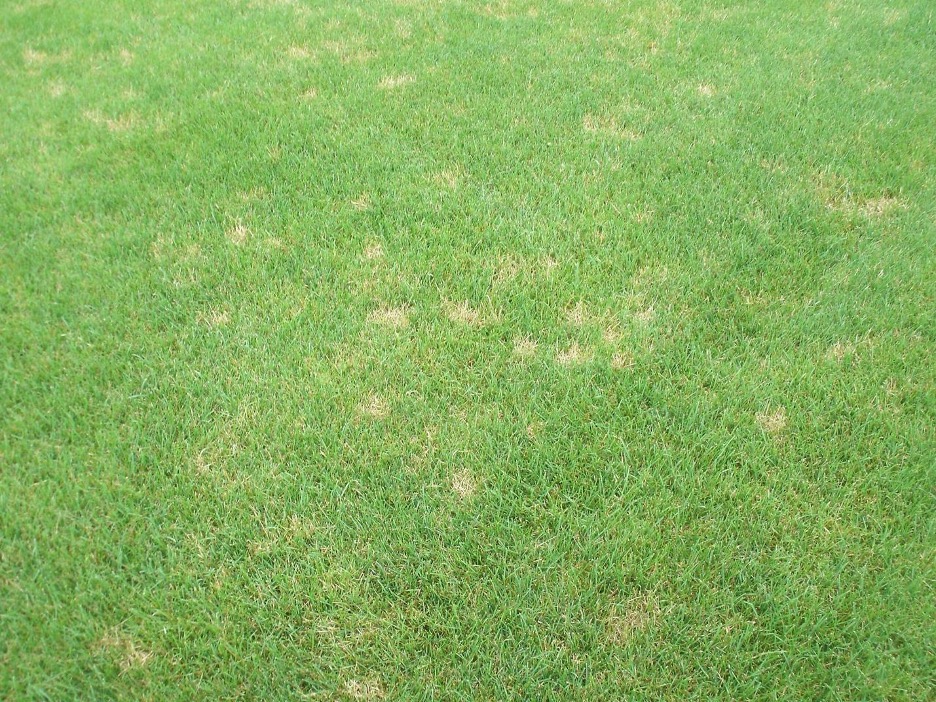
If your Northern Kentucky lawn sheds water, feels hard underfoot a day after rain, or has areas that stay thin no matter how you feed them, compaction is the likely common cause and September is the window to address it.
Aerate first, overseed the fescue and bluegrass areas immediately after, and fertilize once the seed is down. Done in that order within the same few weeks, each step multiplies the next.
Visit lawnsquad.com to find the Lawn Squad location nearest you and request a free quote. Our VitaminLawn program is built specifically for the grass types, soils, and weather patterns in each market we serve.