Will My Columbus Fescue Lawn Recover From Brown Patch, or Does It Need Seed?
Short Answer: Brown patch usually kills the leaf blades, not the crown and roots, which is why most affected fescue grows back on its own once the hot, humid weather that drives the disease breaks. The test is simple: tug the turf in a brown patch, and if it stays anchored with a firm pale crown at the base, it will recover with cooler nights. Where the turf lifts free with dead crowns, or where large areas thinned out entirely, that ground needs seed. And because our lawns here are largely tall fescue, a bunch grass that cannot spread to fill gaps, genuine bare spots must be overseeded rather than left to close on their own.
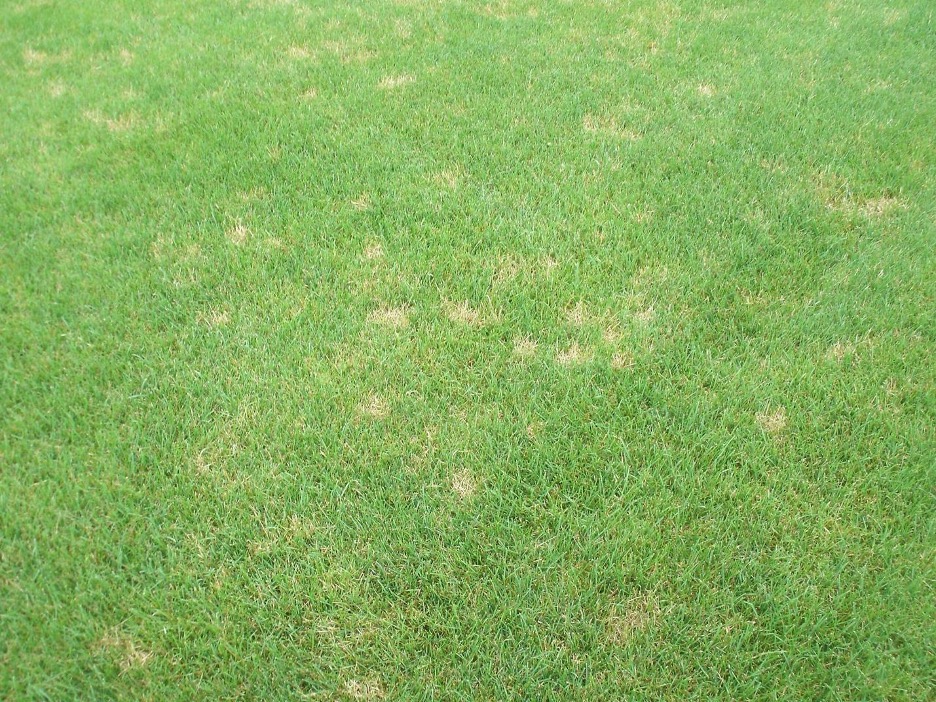
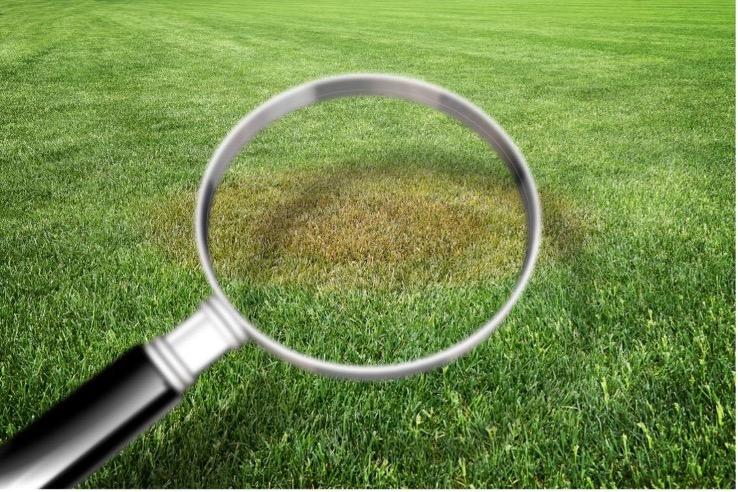
By late August a Columbus fescue lawn that fought brown patch all summer looks discouraging. There are rough circles and irregular blotches of tan, some with a faint smoky ring you can catch in the early morning dew before the sun burns it off, and the homeowner standing over them is trying to decide whether the lawn is recovering or ruined. It is almost always somewhere in between, and telling which part is which is the whole job.
The reassuring news is that brown patch is rarely the death sentence it looks like in August. The frustrating news is that on a fescue lawn, the parts that did die will not fill themselves back in. So the plan splits cleanly into what to leave alone and what to reseed.
What Brown Patch Actually Does to the Plant
Brown patch is a fungal disease driven by heat and humidity, exactly what a Columbus July and August deliver: warm nights that never really cool, heavy dew, and long stretches where the grass canopy stays wet. Under those conditions the fungus attacks the leaf blades, producing the tan patches and, on individual blades, small lesions with a thin dark border.
Here is the key detail for recovery. In most cases brown patch damages the foliage while leaving the crown, the growing point at the base of the plant, and the roots alive. That is why so many lawns that looked devastated in August quietly green back up in September once the weather turns. The plant lost its leaves, not its life. It is only when the disease is severe and prolonged, or when it hits an already weakened lawn, that it kills crowns outright and leaves genuinely dead ground behind.
The Tug Test Tells You Which Is Which
You do not have to guess whether a patch will recover. Grab a handful of the affected turf and pull with steady pressure. If it resists and stays rooted, and when you part the base you find a firm, pale, plump crown, that plant is alive and will push new leaves when the nights cool. Leave it be and let it recover on its own. If the handful lifts away easily with brown, brittle, collapsed crowns, those plants are dead and that spot needs seed.
Do this across several patches, because a single lawn usually contains both. The typical result we see in Columbus is a lawn that is mostly recoverable, with a smaller share of genuinely dead ground concentrated in the spots that stayed wettest and most shaded, along fence lines, under trees, and in low areas with poor air movement.
Making Sure It Is Actually Brown Patch
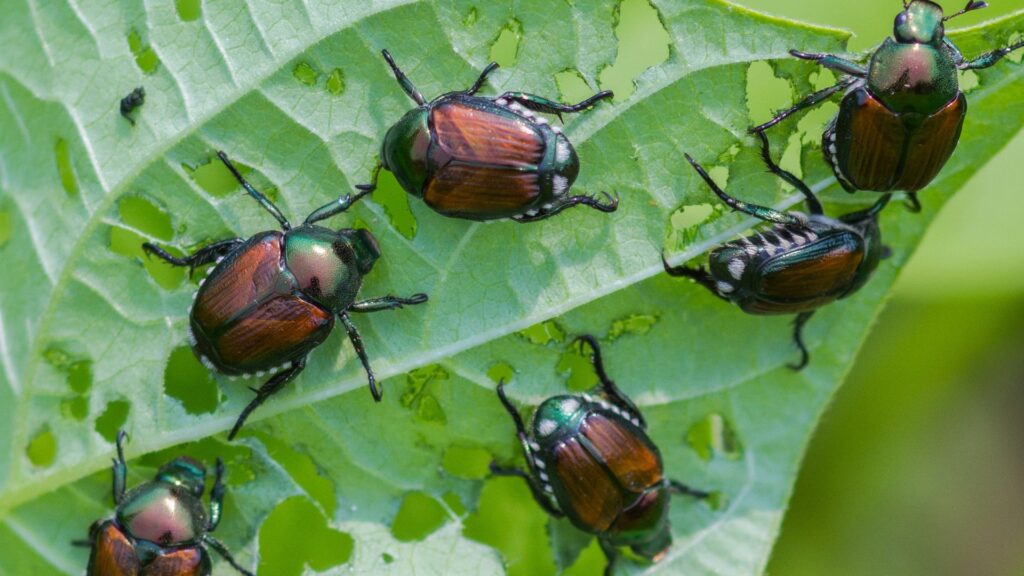
Before planning a recovery, confirm brown patch is really the culprit, because the fixes differ. Grub damage also browns turf, but that turf lifts away with no roots at all and the patches have soft, rolled edges; if it rolls up like carpet, treat grubs first. Drought browns the predictable dry zones, over buried lines and along hot curbs, and greens back up after a deep watering, which diseased turf will not. Dollar spot, another summer disease, throws much smaller silver-dollar-sized spots rather than the larger patches brown patch leaves. Ten minutes ruling these out keeps you from reseeding a problem that seed cannot fix.
Why Fescue Changes the Math
This is the part that catches Columbus homeowners, because it is specific to the grass we grow. The lawns here are largely turf-type tall fescue, and fescue is a bunch grass. It grows in individual clumps and does not spread sideways. It has no rhizomes or runners to creep into a bare spot and close it.
That single fact changes everything about recovery. On a Kentucky bluegrass lawn, small dead spots often fill themselves in as the surrounding plants spread laterally. On a fescue lawn, a dead spot stays exactly as big as it is until you put seed in it. Wait and hope, and by next spring that bare patch has not shrunk, it has become a welcome mat for crabgrass and weeds instead. So the dead areas the tug test reveals are not optional to reseed. On fescue, seeding the gaps is the only way they close.
It is also why a fescue lawn benefits from a light overseeding most falls even in a year without disease, simply to replace what summer thins out, since the grass cannot replace itself.
Why Fall Is the Time to Reseed It
The timing could not line up better. The brown patch damage becomes clear in August, and late August into September is the prime window in Columbus to seed cool-season grass. Soil is still warm enough for fast germination, the air has cooled, and the humidity that drove the disease is fading, so new seedlings establish under far friendlier conditions than they would have faced in July.
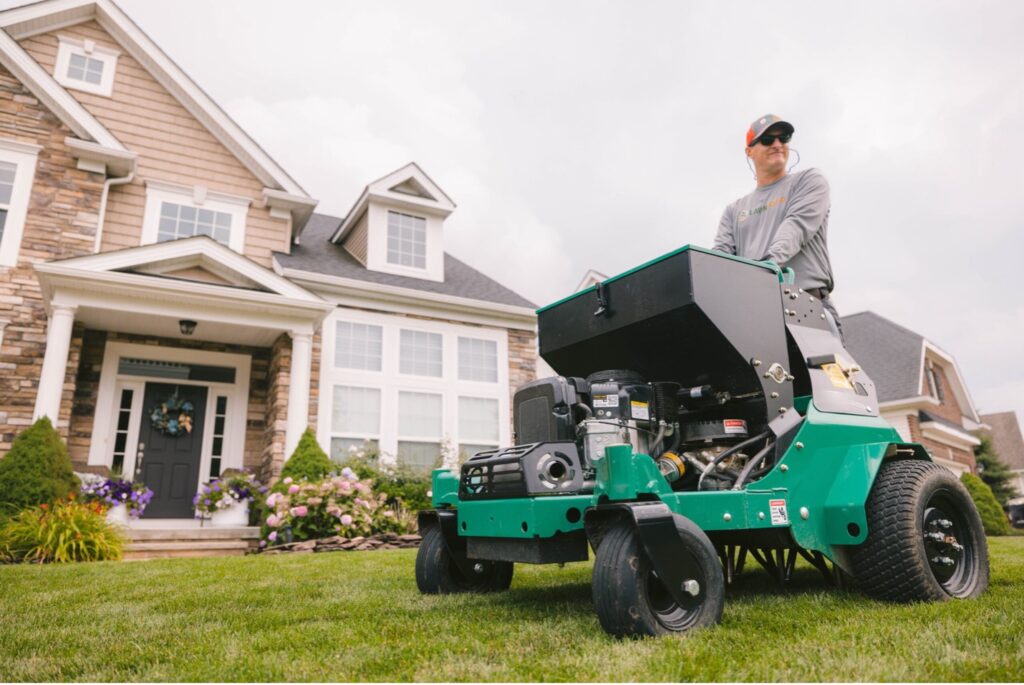
On our heavy clay, that reseeding is far more effective paired with core aeration, which relieves compaction and gives the seed open holes to germinate in rather than hard surface it washes off of. Aerating and overseeding the damaged areas together, in the same visit, is the highest-value way to close what brown patch opened. And feeding matters here too: a lawn recovering from disease benefits from balanced nutrition, but not a heavy nitrogen surge, which can actually encourage brown patch to flare again while conditions are still warm.
Keeping It From Repeating Next Summer
Recovery is only half the job. Brown patch comes back to the same lawns because the same conditions come back, so the areas worth changing are the ones that keep the canopy wet. Watering in the early morning rather than the evening lets the grass dry through the day instead of sitting damp overnight. Improving air movement by thinning low branches over the lawn helps the worst shaded, still-air pockets. Not over-applying nitrogen in the heat keeps the grass from pushing the soft, susceptible growth the fungus prefers. And a denser, well-rooted lawn simply tolerates the disease better than a thin, stressed one. None of these is dramatic, but together they lower next summer’s pressure meaningfully.
Mowing habits matter as well. Keep the blade sharp, since a torn cut leaves ragged wounds the fungus enters easily, and avoid mowing when the grass is wet, which carries the disease from patch to patch on the mower.
What to Do Next
Walk the lawn this week and run the tug test across the worst patches so you know your ratio of recoverable to dead, keeping in mind that on fescue every genuinely dead spot needs seed. Then call us at 900-193-9625 or request a free quote at lawnsquad.com. We serve Columbus, SERVICE_AREA_PLACEHOLDER, and the surrounding communities.
On a first visit we confirm the damage is brown patch rather than grubs or drought, tug-test the patches with you to separate recoverable turf from dead ground, probe the clay for compaction, and lay out a plan that leaves the living areas to recover and reseeds the dead ones. Expect the recoverable turf to green back up as the nights cool, germination in the seeded areas within one to two weeks, a patchy but improving lawn at thirty days, and a filled-in, dense stand by the time it heads into winter, with the real payoff next spring.
Longer term, our VitaminLawn program builds fertilization, weed control, and disease-aware timing around your grass type, the heavy clay, and Columbus conditions rather than a national schedule, which is how the watering and nitrogen mistakes that feed brown patch get avoided in the first place. Every location is independently owned and operated, quotes are free, and the work is backed by a satisfaction guarantee.