
Short Answer: The best window to core aerate and overseed a Kentucky bluegrass or tall fescue lawn in Central Indiana runs from the last week of August through about September 25. That window only works if July is the planning month. Walking the lawn to map worst areas, pulling a Purdue Extension soil test (results take 2 to 3 weeks), choosing a seed blend matched to Hoosier clay conditions, booking the aerator now while calendars have openings, and laying out the watering plan for the 21-day germination window are all July tasks. Homeowners who wait until September to start planning typically receive a delayed date, a compromise blend, or both.
Across Central Indiana, the strongest fall renovation work happens in a four-week window from the last days of August through about September 25. Soil temperatures are still warm enough for Kentucky bluegrass and turf-type tall fescue to germinate quickly (typically 14 to 21 days), air temperatures fall into the comfortable 60s and 70s, dew sets in earlier and stays later, and crabgrass pressure is winding down rather than peaking. New seedlings get six to ten weeks of cooperative weather to develop a real root system before the first hard frost rolls through the Carmel and Westfield area in late October.
That window is generous if July is used for planning. If July is wasted and planning starts in September, the math gets brutal. Aeration calendars across Carmel, Westfield, Zionsville, and Lafayette fill up fast. The best seed blends sell out at the independent suppliers. Soil test results that should have shaped the plan never come back in time. Homeowners end up renovating on the back half of the window, with a compromise mix, and the lawn underperforms what the September window can produce.
Here is the planning sequence we walk every July customer through across our service area, from the north Indianapolis suburbs to the West Lafayette and Frankfort corridor.
Why Fall Wins Over Spring on Hoosier Clay
The fall renovation window in Central Indiana exists because Kentucky bluegrass and tall fescue evolved to germinate in conditions that match late August through October. Soil carries warmth from summer, which speeds germination. Air cools into the upper 70s by day and into the 50s overnight, which is exactly where these species do their best work. And the warm-season weed competition (crabgrass, foxtail, goosegrass) has wound down rather than ramped up.
Spring renovation on Hoosier clay has a different math. Soils are slow to warm in April, germination drags, and by the time the seedlings are established, the heat of late June arrives and stresses immature plants that have not yet built deep roots into the clay layer. The lawn that gets seeded in April often thins or fails in its first July. The lawn that gets seeded in September has a full year of root development before its first real heat test.
The fall window also pairs beautifully with the cultural work the lawn actually needs. Aeration relieves the summer-baked clay compaction. Overseed fills the thinning areas. The new seed has time to establish before winter. Spring does not let any of those things happen well.
Walk the Lawn Now and Map the Worst Areas
The first July task is a notepad walk. Renovation in Central Indiana gets more value from focused work on the worst areas than from uniform passes across the entire property.
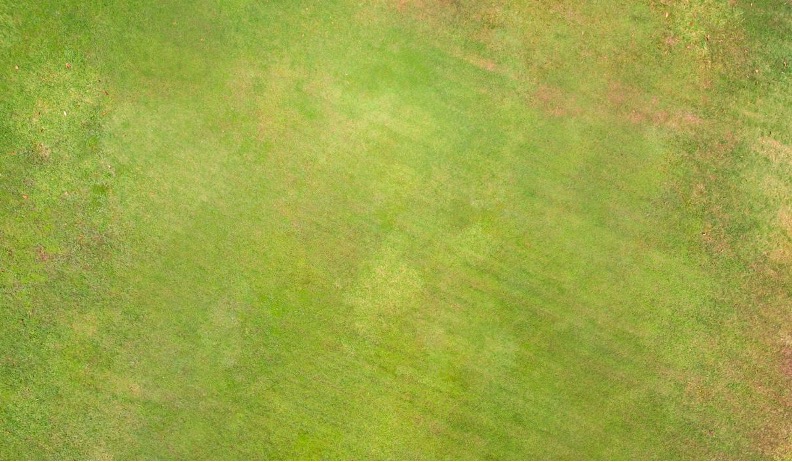
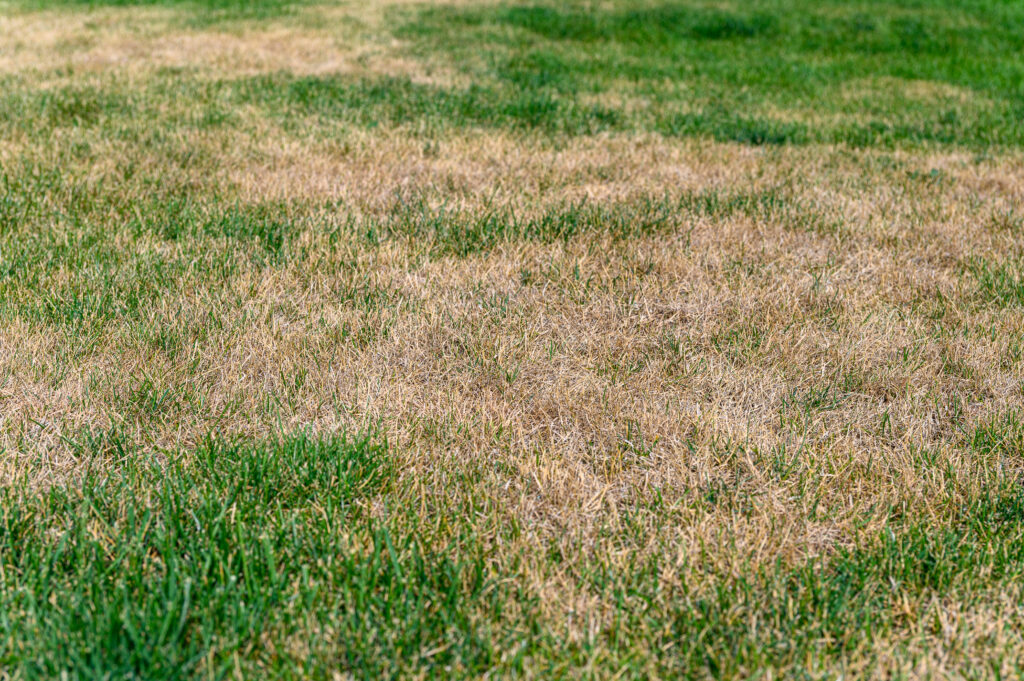
Walk the lawn and note: thin areas where soil is showing through, brown patches that have not greened back, sections where the soil feels rock-hard under a footstep, low spots that stayed soggy in May, shaded zones under maple or oak canopy where the lawn has thinned year over year, and the high-traffic strips between back door and patio or driveway and gate. These are the zones that need the heaviest attention in September.
Each zone gets a slightly different treatment. A compacted strip needs extra aeration passes or a deep-tine treatment. A shaded section needs a fine fescue-heavy blend rather than the bluegrass mix that wants sun. A bare area in the middle of the yard needs a heavier seeding rate than overseed on thin but living turf. Knowing all of this in July is what turns a generic September service into a result that actually fixes the property.
Pull a Purdue Soil Test in Early July
Purdue Extension processes soil samples on a 2 to 3 week turnaround during summer. A sample mailed in early July comes back with results in time to make adjustments before September. Wait until August and the results often arrive after the seed has gone down.
Two patterns consistently show up across Central Indiana soil tests. First, pH that has drifted alkaline (often into the high 6s or low 7s) on construction-disturbed lots in newer Carmel, Westfield, and Whitestown subdivisions, which limits nutrient uptake even when fertilizer is applied. Second, low phosphorus on properties that have not had seasonal feeding, which slows root development of new seedlings.
Both issues are easily corrected when you know them. Elemental sulfur applied in late July or August nudges pH back toward 6.5. A starter fertilizer with phosphorus matched to the test result supports germination and root anchoring. The Purdue soil testing kit is available through the county extension office, costs around $15 to $20, and the results translate directly into a renovation plan. We are happy to interpret results for any property in our service area.
Choose a Seed Blend Built for Hoosier Clay
Seed selection is where most homeowner renovations underperform. Big-box “Midwest” or “Indiana” mixes typically contain a high percentage of cheap perennial ryegrass that germinates fast, looks great by Thanksgiving, then dies out across the first hot summer. The lawn looks good for one year and you are renovating again the next.
A serious blend for Central Indiana balances three components.
- Turf-type tall fescue. Deep-rooted, drought-tolerant, brown-patch-resistant, and the species that handles Hoosier clay best. Modern varieties from current National Turfgrass Evaluation Program trials have finer leaf texture than the old K-31 stuff and blend visually with bluegrass.
- Kentucky bluegrass. Twenty to thirty percent of the blend, drawn from top NTEP varieties for disease resistance and heat tolerance. Bluegrass spreads by rhizomes, which fills in thin areas over time and is what tall fescue alone cannot do.
- A small fraction of perennial ryegrass. Five to ten percent maximum as a nurse grass that germinates in five to seven days, holds soil, and protects the slower bluegrass and fescue while they catch up. More than ten percent and the lawn looks coarse and burns out in heat.
For deeply shaded properties common in older Lafayette and Zionsville neighborhoods, we shift toward fine fescues (creeping red, chewings, hard fescue), which thrive in low light and tolerate the dry shade under mature trees better than any bluegrass.
Book the Aerator and the Service Date Now
Core aeration equipment runs at full capacity across Central Indiana from late August through September. The first two weeks of September fill up first. Booking in July gets you the date you want. Booking on September 5 gets whatever is left, often the back end of the window when soil temperatures have cooled and germination slows down.
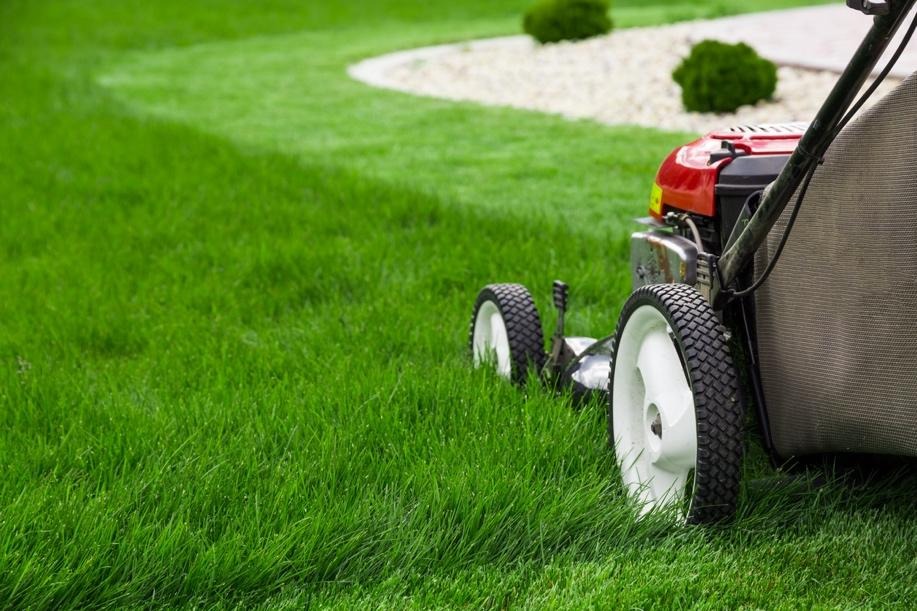
A proper renovation visit on Hoosier clay includes pre-mowing short (2.5 inches the week before) so seed reaches soil rather than thatch, a double-pass core aeration in opposite directions for serious compaction, seed broadcast at the right rate (3 to 5 pounds per thousand square feet for overseed, higher for bare-zone renovation), starter fertilizer with phosphorus matched to the soil test, and a written follow-up plan for the first 21 days of seedling care.
July booking also lets us coordinate the pre-aeration mow, the lime or sulfur application if needed, and the irrigation programming so everything is ready on the day the aerator rolls.
Plan the Watering Sequence Before You Seed
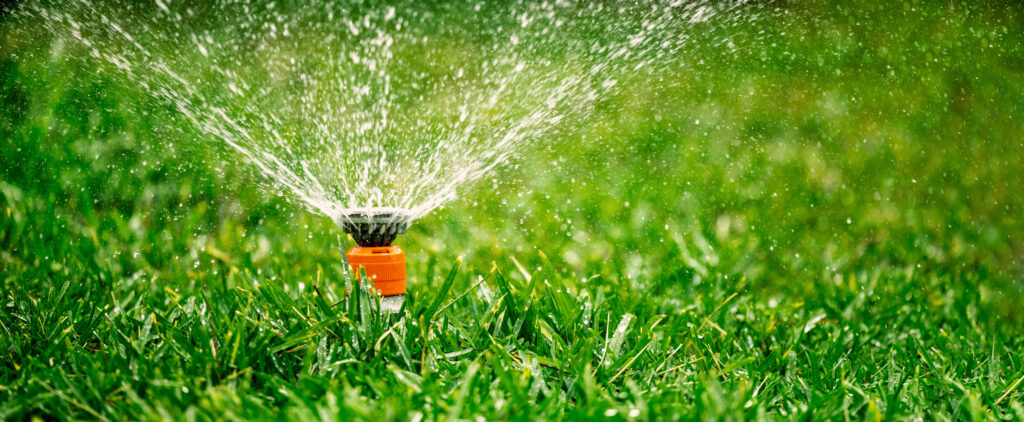
Germination is a watering problem from start to finish. Once seed is broadcast and lightly raked into soil contact, it has a small moisture reserve inside the seed coat. If it dries out before the radicle anchors into the soil (the first 14 to 21 days), the seed is dead. No recovery.
The watering plan after seeding inverts everything we do on established turf. Light and frequent rather than deep and infrequent: five to ten minutes per zone, two or three times per day for the first two weeks, just enough to keep the top half-inch of soil consistently moist. Weeks three and four we step down to once daily. Week five we transition to the deep and infrequent schedule that established lawns need.
If your irrigation controller is old and does not support multiple daily start times, July is the budget month to upgrade. A smart controller pays for itself in a single renovation cycle and removes the biggest single reason new seed fails on Central Indiana properties. Hand watering can work on smaller lawns, but consistency over 21 days is the requirement, and most homeowners who try it lose seed somewhere in week two when life intervenes.
What to Do Next
If you would rather have someone walk the property in July, pull the soil test, choose the right blend, book the September date, and lay out the watering plan, that is exactly how our renovation visits across Central Indiana work.
Lawn Squad of Central Indiana serves Carmel, Westfield, Zionsville, Lafayette, West Lafayette, Lebanon, Frankfort, Sheridan, Whitestown, Thorntown, Delphi, Monticello, Brookston, Dayton, Battle Ground, and the surrounding communities across the Indianapolis north suburbs and the West Lafayette corridor.
Call us at 765-343-4785 or request a free quote at lawnsquad.com. Our VitaminLawn program is built around fall aeration and overseeding as the single most consequential service of the cool-season year, with the planning steps placed in July where they belong. The September lawn you want starts with the decisions you make this month.