Short Answer: The most effective pre-emergent herbicides for residential lawns include prodiamine (the longest-lasting barrier, effective for 3 to 5 months), dithiopyr (offers both pre-emergent and early post-emergent control), and pendimethalin (widely available and effective on a broad range of weeds). The best product for your lawn depends on your grass type, your timing, and whether you also plan to seed. The most important factor is not which product you choose but when you apply it. Pre-emergent must go down before crabgrass germination begins. Here is everything you need to know.
Pre-emergent herbicide is the single most effective tool for preventing crabgrass and other summer annual weeds in your lawn. When applied correctly, it creates an invisible barrier in the top layer of soil that stops weed seeds from establishing roots. When missed or mistimed, you spend the rest of the summer fighting weeds that could have been prevented entirely.
Understanding how pre-emergent works and which products are available helps you make a better decision, whether you are doing it yourself or evaluating what your lawn care company uses.
How Pre-Emergent Actually Works
Pre-emergent herbicides do not kill weed seeds. They create a chemical barrier in the soil that prevents germinating seeds from establishing a root system. When a crabgrass seed begins to sprout, the emerging root encounters the barrier and stops growing. Without a functional root system, the seedling dies before it ever breaks the soil surface.
This mechanism is why timing is so critical. The barrier must be in place before seeds start germinating. Once a weed has established roots and pushed through the soil surface, pre-emergent cannot affect it. You need post-emergent products at that point, which are less effective and more expensive than prevention.
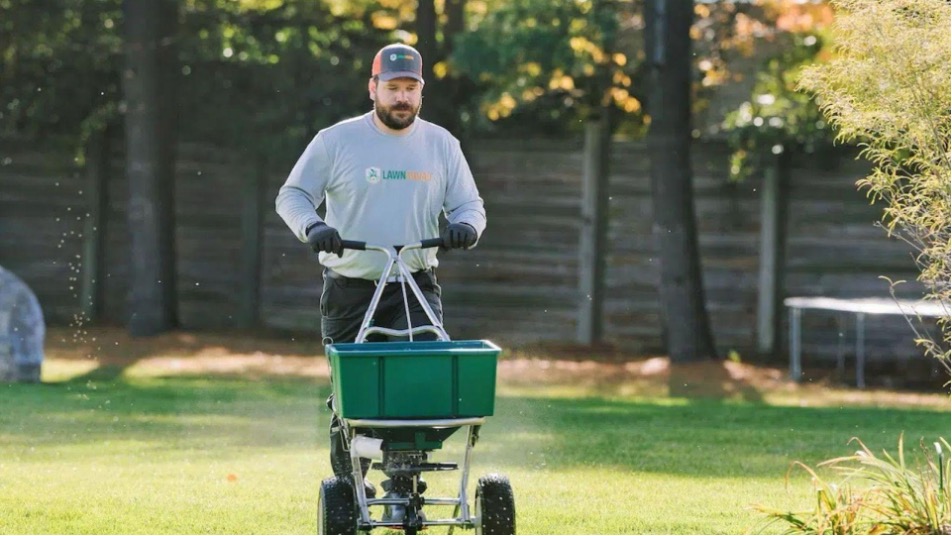
Pre-emergent also needs to be watered in. Most products require a half inch of rain or irrigation within a few days of application to activate the barrier and move it into the soil where seeds germinate. Without this activation step, the product sits on the soil surface and loses effectiveness.
Prodiamine: The Longest-Lasting Option
Prodiamine is widely regarded as the gold standard for pre-emergent crabgrass control. It provides the longest residual barrier of common pre-emergent herbicides, typically lasting 3 to 5 months depending on application rate and environmental conditions.
This extended residual means you may only need one application per season for effective crabgrass prevention, compared to two applications with shorter-lasting products. Prodiamine is safe for use on most established cool-season and warm-season turfgrasses and is effective against a wide range of annual grassy and broadleaf weeds.
The main limitation of prodiamine is that it prevents all seed germination, including grass seed. If you plan to overseed in spring, you cannot use prodiamine (or most other pre-emergents) in the seeded area.
Dithiopyr: The Flexible Choice
Dithiopyr is unique among pre-emergent herbicides because it offers both pre-emergent and early post-emergent activity. If you apply it slightly late and crabgrass has already begun germinating (but has not yet tillered), dithiopyr can still provide control.
This flexibility makes dithiopyr a popular choice for homeowners and professionals who may not be able to hit the exact pre-emergent window. It provides good residual control (2 to 4 months) and is safe on most established turfgrasses.
Dithiopyr is commonly found in professional-grade combination products that include both pre-emergent and fertilizer, making it a convenient option for early spring applications that accomplish two goals at once.
Pendimethalin: The Widely Available Option
Pendimethalin is one of the most commonly available pre-emergent active ingredients in retail lawn care products. It provides good control of crabgrass and many other annual weeds with a residual of approximately 2 to 3 months.
Because its residual is shorter than prodiamine, a split application (two lighter applications spaced 6 to 8 weeks apart) is often recommended for season-long control. Pendimethalin is safe on most established turfgrasses and is widely available at home improvement stores and garden centers.
When to Apply: The Timing Window
Regardless of which product you choose, timing is the single biggest factor in pre-emergent success. The trigger is soil temperature: when soil at a 2 to 4-inch depth reaches 55 degrees for several consecutive days, crabgrass germination begins.
In the southern United States, this can happen as early as late February. In the mid-Atlantic and central states, it typically occurs in March. In the northern states, April is the usual window. Your local Lawn Squad team monitors soil temperatures and applies pre-emergent at the optimal time for your specific area.
Applying too early is almost as problematic as applying too late. If the barrier breaks down before the end of the crabgrass germination period, late-season weeds can still establish. Timing the application so the barrier lasts through the full germination window provides the best results.
What to Do Next
If you are not sure whether your pre-emergent window has passed or if you want to ensure professional-grade products are applied at the right time, Lawn Squad’s VitaminLawn program includes pre-emergent crabgrass control timed specifically to your region and conditions.
Request a free quote at lawnsquad.com or contact your local Lawn Squad branch. Proper pre-emergent application is one of the most valuable services in any lawn care program, and getting it right makes everything else easier for the rest of the season.