The short answer: Alabama lawns face attacks from several destructive pests throughout the year, but the most damaging are fire ants, grubs, armyworms, mole crickets, and chinch bugs. Each pest requires different treatment timing and methods, and catching infestations early makes control much easier and less expensive.
The key to winning the battle against lawn pests is understanding when each pest is most active and treating before populations explode.
Quick overview:
- Fire ants: Active year-round, most aggressive spring through fall
- Grubs: Feed on roots from late summer through fall
- Armyworms: Attack rapidly in late summer, can destroy lawns in days
- Mole crickets: Tunnel through soil spring through fall
- Chinch bugs: Thrive in hot, dry summer conditions
Keep reading to learn exactly how to identify, prevent, and eliminate each of these lawn destroyers in the Huntsville area.
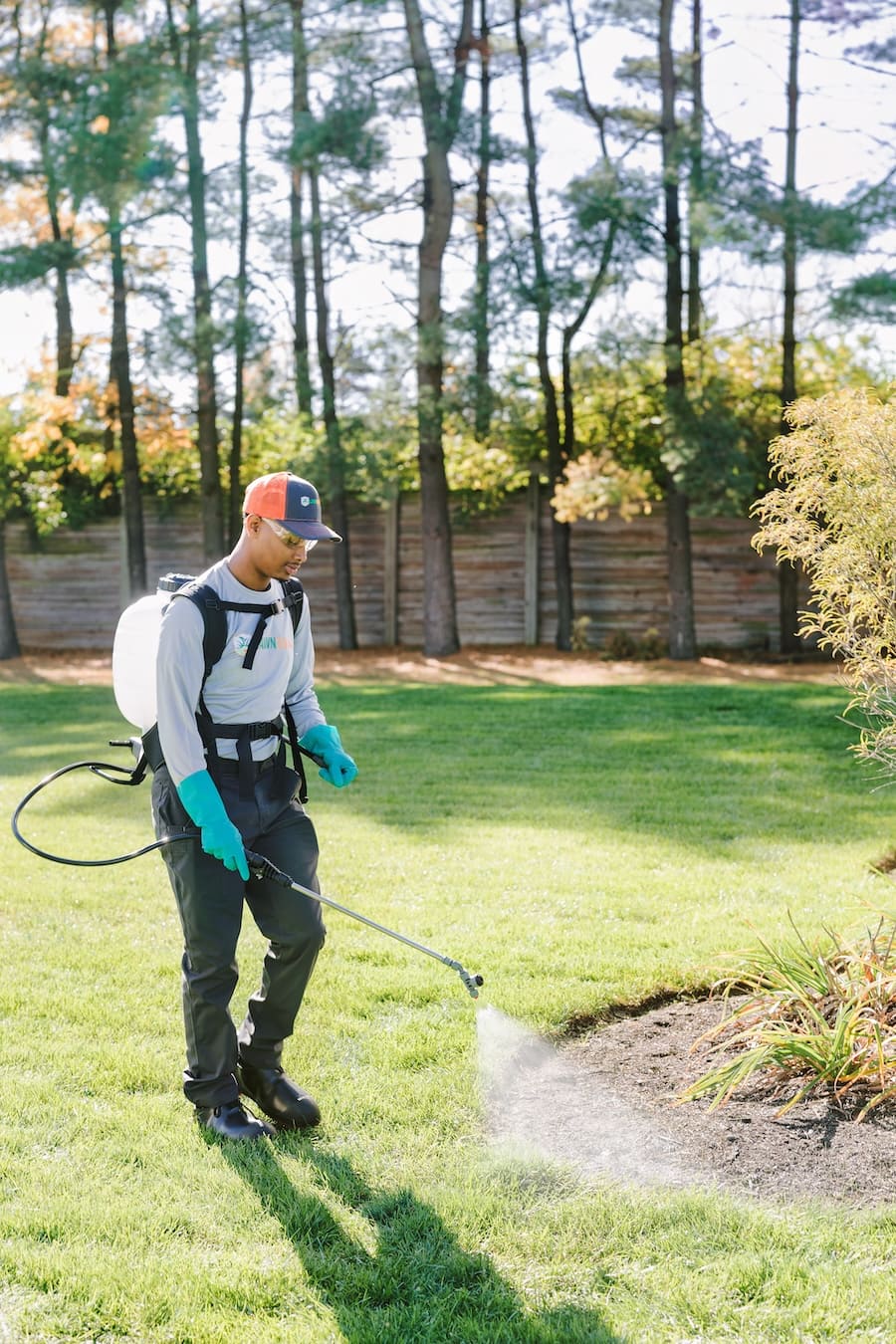
The Complete Pest Control Approach: Our Multi-Round Program
At Lawn Squad of Huntsville, we have been protecting Madison County lawns from pests since 2001. Our treatment programs include surface insect control timed specifically for when Alabama pests are most vulnerable.
What makes pest control in North Alabama challenging is our long, warm growing season. Pests that cause problems for only a few weeks up north can plague our lawns for months. This extended pressure means timing and persistence matter more here than in cooler climates.
Whether you tackle pest control yourself or rely on professional treatments, understanding pest life cycles helps you make smarter decisions about when and how to protect your lawn.
Why Pest Control Matters More Than Most Alabama Homeowners Realize
Ignoring lawn pests does not just result in ugly brown patches. Some infestations can kill entire lawns in a matter of weeks, requiring expensive renovation to recover.
Here is what we see happen when Huntsville homeowners delay pest treatment:
Grub damage often goes unnoticed until the lawn starts dying in large irregular patches. By the time you see the damage, grubs have already destroyed the root system. The grass pulls up like loose carpet because nothing is holding it to the soil anymore.
Armyworm invasions can devastate a healthy lawn in 48 to 72 hours. These caterpillars march across lawns in massive numbers, eating every blade of grass in their path. Homeowners wake up to find half their lawn gone seemingly overnight.
Fire ant colonies spread aggressively, with a single yard potentially hosting dozens of mounds. Beyond lawn damage, fire ants pose real health risks to children, pets, and anyone allergic to their stings.
The key principle every Alabama homeowner needs to understand is this: pest prevention costs far less than pest recovery. A preventative treatment program keeps populations low so they never reach damaging levels. Waiting until you see obvious damage means populations have already exploded.
Fire Ant Control Guide for Alabama Lawns
Fire ants are the most notorious lawn pest in Alabama, and Huntsville properties deal with them constantly. These aggressive insects build large mound colonies and deliver painful stings when disturbed.
Understanding Fire Ant Behavior
Fire ants build underground colonies that can extend several feet deep into the soil. The mounds you see are just the tip of the iceberg. A mature colony can contain 200,000 or more ants with multiple queens.
Fire ants stay active whenever soil temperatures exceed 65 degrees, which means they cause problems in Huntsville from early spring through late fall. They become dormant during winter but colonies survive underground to emerge again when temperatures rise.
The ants forage for food up to 100 feet from their mounds. This is why treating individual mounds often fails. You kill one colony, but neighboring colonies quickly move in to claim the territory.
Prevention Strategy
The most effective fire ant control uses a two-step approach: broadcast bait treatment across your entire lawn followed by individual mound treatments for any remaining colonies.
Broadcast treatment spreads bait granules that worker ants carry back to the colony. This delivers poison directly to the queen, which kills the entire colony from the inside. Timing matters because ants must be actively foraging for the bait to work.
Our ELITE and PRO programs include Fire Ant and Mole Cricket Prevention in Rounds 3 and 4, typically April through June. This timing catches colonies as they become active in spring and prevents population explosions during peak summer months.
Treatment Options and Pricing
Fire ant prevention for Huntsville lawns ranges from $100 to $271 depending on lawn size:
| Lawn Size | Fire Ant Prevention Cost |
|---|---|
| 1,000 to 5,000 sq ft | $100 to $116 |
| 6,000 to 10,000 sq ft | $124 to $156 |
| 11,000 to 15,000 sq ft | $164 to $196 |
| 16,000 to 20,000 sq ft | $204 to $236 |
| 21,000 to 25,000 sq ft | $243 to $271 |
Critical warning: Never disturb fire ant mounds before treatment. Disturbed colonies often split and relocate, turning one mound into several. Apply treatment to undisturbed mounds for best results.
Grub Control Guide for Alabama Lawns
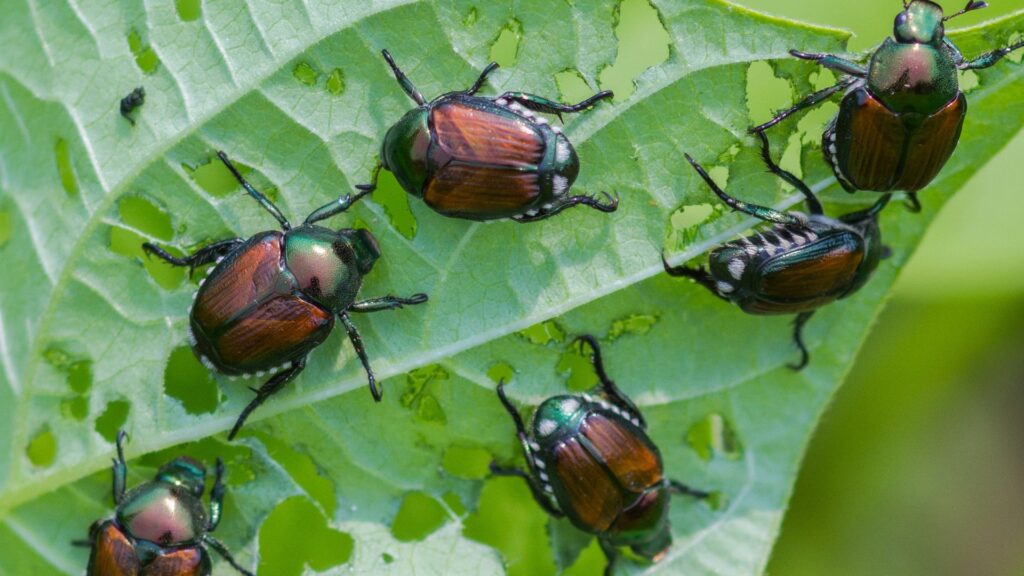
Grubs are the larval stage of various beetles, including Japanese beetles and June bugs. These C-shaped white larvae live underground and feed on grass roots, causing extensive damage that often goes unnoticed until the lawn starts dying.
Understanding Grub Life Cycles
Adult beetles emerge in late spring and early summer to mate and lay eggs in lawns. The eggs hatch in mid to late summer, and the young grubs immediately begin feeding on grass roots.
Grubs feed aggressively through fall, then burrow deeper into the soil to survive winter. They return to the root zone in spring for additional feeding before pupating into adult beetles, and the cycle repeats.
The most damaging feeding occurs in late summer and early fall when grubs are actively growing. This is when you notice brown patches that do not respond to watering.
Signs of Grub Infestation
Look for these warning signs in your Huntsville lawn:
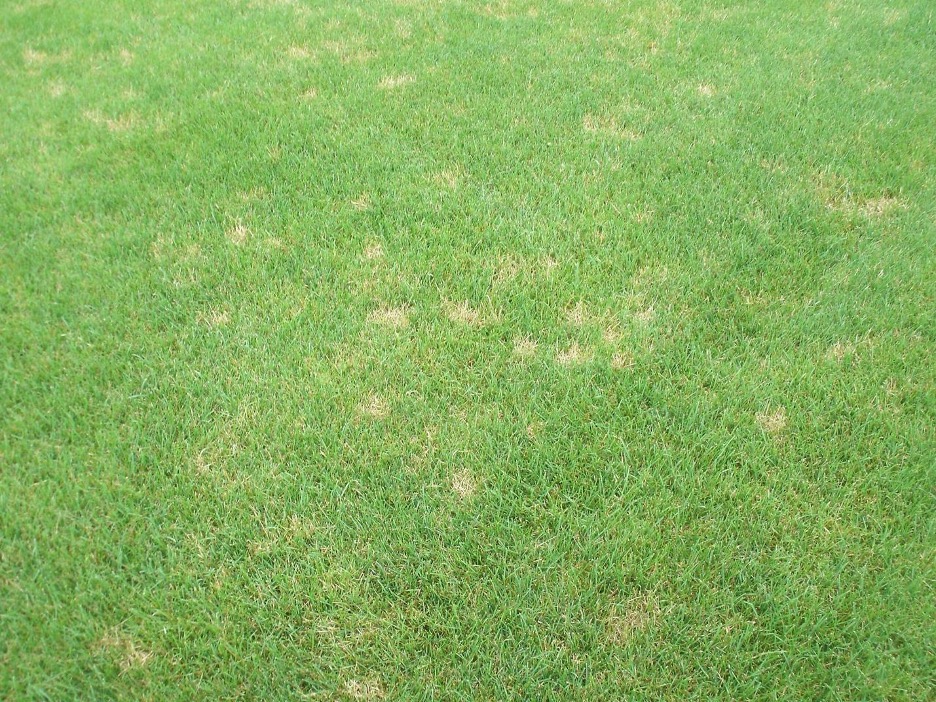
Irregular brown patches that appear in late summer despite adequate watering. Grub damage looks different from drought stress because it does not follow a pattern related to irrigation coverage.
Spongy turf that feels soft and loose underfoot. Grubs sever roots from grass plants, so the turf loses its firm attachment to the soil.
Increased animal activity from birds, raccoons, armadillos, or skunks digging in your lawn. These animals are hunting grubs and can cause additional damage in the process.
Easy turf removal is the definitive test. Grab a handful of grass in a damaged area and pull. If it lifts like a piece of carpet with no root resistance, grubs have destroyed the root system.
Prevention vs. Curative Treatment
Preventative grub control applies in late spring or early summer before eggs hatch. The product remains in the soil and kills young grubs as they begin feeding. This approach is highly effective and relatively inexpensive.
Curative grub control applies after damage appears and requires stronger products to kill established grubs. This approach costs more and cannot repair damage already done.
Our ELITE and PRO programs include grub prevention in Rounds 3 and 4. This timing protects your lawn before grubs become a problem.
If you already have grub damage, curative treatment costs approximately three times the standard lawn application price because it requires Dylox plus Merit products to kill active grubs.
Armyworm Control Guide for Alabama Lawns
Armyworms are caterpillars that can destroy a healthy lawn faster than any other pest. These voracious feeders arrive suddenly, often after late summer storms, and can strip a lawn bare in just a few days.
Understanding Armyworm Behavior
Armyworm moths migrate into Alabama from southern states, riding weather fronts and storm systems. A single moth can lay up to 2,000 eggs, and the resulting caterpillars begin eating immediately after hatching.
The name “armyworm” comes from their feeding behavior. They move across lawns in a front, eating everything in their path before advancing to the next section. A heavily infested lawn looks like it has been mowed progressively shorter in waves.
Armyworms feed primarily in early morning and late evening, hiding in the thatch layer during the heat of the day. This makes them easy to miss during casual lawn inspections.
Signs of Armyworm Infestation
Watch for these indicators during late summer and early fall:
Rapidly expanding brown areas that seem to grow daily. Unlike disease or drought stress, armyworm damage advances quickly and visibly.
Ragged grass blades with chewed edges rather than clean cuts. Armyworms eat from the outside of the blade inward.
Visible caterpillars when you part the grass and look at the soil surface. Armyworms are green, brown, or tan with stripes running the length of their bodies.
Birds feeding actively in your lawn, especially in the morning. Large flocks of birds indicate abundant food sources like armyworm populations.
The soap flush test reveals hidden populations. Mix two tablespoons of dish soap in a gallon of water and pour it over a two-foot square area of lawn. Armyworms will crawl to the surface within minutes.
Treatment Strategy
Armyworm control requires fast action. By the time you notice damage, the caterpillars are actively destroying your lawn.
Surface insect control products kill armyworms on contact. Apply in late afternoon so the product is active when caterpillars emerge to feed at dusk. Water lightly after application to move the product into the thatch layer where armyworms hide.
Our treatment programs include surface insect control in Rounds 2 through 7, covering the entire period when armyworms threaten Huntsville lawns. This ongoing protection catches populations before they reach damaging levels.
We also offer specific armyworm preventative and curative treatments for lawns facing active infestations or high-risk conditions.
Mole Cricket Control Guide for Alabama Lawns
Mole crickets are bizarre looking insects that tunnel through soil like miniature moles. Their burrowing destroys grass roots and creates raised tunnels that dry out and die.
Understanding Mole Cricket Behavior
Mole crickets spend most of their lives underground, using powerful front legs to dig through soil. They feed on grass roots and organic matter, creating extensive tunnel networks that damage lawns from below.
Adult mole crickets fly and mate in spring, with females laying eggs in underground chambers. The eggs hatch in early summer, and nymphs begin feeding and tunneling immediately.
Mole cricket damage is most visible from late summer through fall when nymph populations peak. The tunnels they create appear as raised, spongy lines across the lawn surface.
Signs of Mole Cricket Infestation
Look for these warning signs:
Raised tunnels that feel soft and spongy when you walk across them. These tunnels are typically one to two inches below the surface.
Dying grass strips that follow irregular patterns across your lawn. The grass above tunnels dies because roots have been severed or displaced.
Small mounds of soil that look different from ant mounds. Mole crickets push soil to the surface as they tunnel, creating small granular piles.
The soap flush test works for mole crickets too. If mole crickets are present, they will surface within a few minutes of the soap solution application.
Treatment Strategy
Mole cricket control combines surface treatment with prevention to break the life cycle.
Preventative treatments apply in spring and early summer when adult mole crickets are laying eggs. These products kill eggs and young nymphs before they can establish damaging populations.
Our ELITE program includes Fire Ant and Mole Cricket Prevention in Rounds 3 and 4. This combination treatment addresses both pests during their most vulnerable life stages.
Curative treatment for established mole cricket infestations requires surface insect control products applied in late afternoon and watered into the soil. Mole crickets are most active near the surface in warm, moist conditions.
Chinch Bug Control Guide for Alabama Lawns
Chinch bugs are tiny insects that cause big problems for Alabama lawns, especially during hot, dry summers. They suck plant juices from grass stems, injecting a toxin that causes the grass to turn yellow and die.
Understanding Chinch Bug Behavior
Chinch bugs thrive in hot, sunny conditions. They overwinter as adults in thatch and leaf litter, then become active in spring as temperatures warm.
Females lay eggs in grass stems and thatch throughout summer, producing multiple generations per year. Populations build progressively, reaching peak levels during the hottest months.
Chinch bugs prefer sunny areas and are rarely a problem in shaded sections of lawn. Damage typically appears first along driveways, sidewalks, and other heat-reflecting surfaces.
Signs of Chinch Bug Infestation
Watch for these indicators during summer:
Irregular yellow patches that appear in sunny areas first. The patches expand outward as chinch bugs deplete one area and move to fresh grass.
Grass that does not respond to watering. Chinch bug damage looks like drought stress but does not improve with irrigation.
Tiny insects visible when you spread grass blades apart and look at the soil surface. Adult chinch bugs are about one-fifth inch long with black bodies and white wings. Nymphs are smaller and reddish.
The tin can test confirms chinch bug presence. Cut both ends from a coffee can and press it two inches into the soil in a damaged area. Fill with water and wait five minutes. Chinch bugs will float to the surface.
Treatment Strategy
Chinch bug control requires surface insect treatment during active infestation periods.
Apply products in early morning when chinch bugs are active near the surface. Avoid watering immediately after application so the product remains where chinch bugs contact it.
Our surface insect control treatments in Rounds 2 through 7 provide ongoing chinch bug protection throughout the summer months when populations are highest.
How to Identify Which Pest Is Damaging Your Lawn
Different pests cause different damage patterns. Knowing what to look for helps you identify the culprit and choose the right treatment.
Diagnostic process:
- Note where the damage appears. Sunny areas suggest chinch bugs. Random patches suggest grubs. Advancing fronts suggest armyworms.
- Check the timing. Late summer root damage points to grubs. Rapid damage after storms suggests armyworms. Hot weather damage indicates chinch bugs.
- Examine the grass closely. Pull up damaged turf to check for grubs. Part the grass to look for surface insects. Look for tunnels that indicate mole crickets.
- Perform the soap flush test. Mix dish soap with water and apply to a damaged area. Most lawn pests will surface within minutes for identification.
When in doubt, contact a professional for identification. Treating the wrong pest wastes money and allows the real problem to continue.
What About Flea and Tick Control?
While not technically lawn pests, fleas and ticks live in grass and affect the health of your family and pets. Many Huntsville homeowners want protection against these parasites as part of their lawn care program.
Flea and tick spray creates a protective perimeter around your property. The treatment targets areas where these pests hide, including lawn edges, foundation plantings, and shaded areas.
We offer flea and tick spray as a standalone service. Applications provide protection for several weeks and should be repeated throughout the warm season when these pests are active.
This service is especially valuable for homes with outdoor pets or properties adjacent to wooded areas where wildlife carries fleas and ticks onto your lawn.
Common Pest Control Mistakes Alabama Homeowners Make
After serving the Huntsville area since 2001, we have seen every pest control mistake possible. Here are the ones that allow infestations to get out of control:
Mistake #1: Waiting for Visible Damage Before Treating By the time you see brown patches from grubs or armyworms, significant damage has already occurred. Preventative treatment stops pests before they cause visible problems.
Mistake #2: Treating the Wrong Pest Different pests require different products and timing. Treating for grubs when you actually have chinch bugs wastes money and lets the real problem continue.
Mistake #3: Applying Products at the Wrong Time of Day Many lawn insects are most active early morning or evening. Applying products during midday heat reduces effectiveness because pests are hiding in the thatch.
Mistake #4: Not Watering Products Into the Soil When Needed Grub control and mole cricket products must reach the root zone to work. Surface application without proper watering leaves these underground pests untouched.
Mistake #5: Using Broad Spectrum Products That Kill Beneficial Insects Your lawn hosts many beneficial insects that prey on pest species. Indiscriminate spraying kills predators and can actually make pest problems worse over time.
Preventative Programs vs. Reactive Treatment: Which Should You Choose?
Preventative pest control applies products before pest populations build to damaging levels. You pay for regular treatments throughout the season but avoid the cost and frustration of lawn damage and recovery. Best for: Homeowners who want consistent lawn health, properties with history of pest problems, or anyone who prefers avoiding emergencies.
Reactive pest control waits until you see a problem before treating. You save money on preventative products but risk significant lawn damage and higher treatment costs for active infestations. Best for: Budget-conscious homeowners willing to accept some risk, properties with no pest history, or those who monitor their lawns closely for early signs.
Your Alabama Pest Control Calendar at a Glance
Common Pest Activity by Season
| Pest | Spring | Summer | Fall | Winter |
|---|---|---|---|---|
| Fire Ants | Active | Very Active | Active | Dormant |
| Grubs | Light Feeding | Eggs Laid | Heavy Feeding | Dormant |
| Armyworms | Low Risk | Moderate Risk | High Risk | None |
| Mole Crickets | Mating | Nymph Feeding | Peak Damage | Dormant |
| Chinch Bugs | Emerging | Very Active | Declining | Dormant |
Lawn Squad Treatment Schedule
| Round | Start Date | Pest Control Services |
|---|---|---|
| Round 2 | February 23, 2026 | Surface Insect Control |
| Round 3 | April 6, 2026 | Surface Insect Control, Fire Ant/Mole Cricket Prevention |
| Round 4 | May 18, 2026 | Surface Insect Control, Fire Ant/Mole Cricket Prevention |
| Round 5 | June 29, 2026 | Surface Insect Control |
| Round 6 | August 10, 2026 | Surface Insect Control |
| Round 7 | September 21, 2026 | Surface Insect Control |
The Bottom Line
Alabama lawns face pest pressure that homeowners in cooler climates never experience. Our long warm season gives insects plenty of time to build populations and cause damage. But understanding pest life cycles and treating at the right time keeps problems under control.
Key principles to remember:
- Prevention costs less than damage repair and lawn renovation
- Each pest has specific timing when treatment is most effective
- Identification matters because different pests require different approaches
- Surface insect control throughout the season catches multiple pest types
- Fire ant and mole cricket prevention in spring stops summer infestations
- Fast action on armyworms can save your lawn from total destruction
Follow these principles and your Huntsville lawn will stay healthy despite the pest pressure that comes with living in Alabama.

Let Lawn Squad Handle It For You
Every Huntsville property faces different pest pressures. Your lawn’s location, surrounding landscape, grass type, and history all affect which pests cause problems and when.
Our treatment programs account for all these variables with pest control timed specifically for Madison County conditions and the insects most common in North Alabama.
Our ELITE Program includes:
- Surface insect control in Rounds 2 through 7 covering the entire pest season
- Fire Ant and Mole Cricket Prevention in Rounds 3 and 4
- Grub prevention during peak egg-laying season
- Unlimited service calls if you notice pest problems between visits
Tired of watching pests destroy your lawn? Frustrated with products that promise results but do not deliver? Ready to enjoy your yard without worrying about fire ant stings or armyworm invasions?
Contact Lawn Squad of Huntsville today at 983-233-6002 or visit lawnsquad.com/contact-us to get a quote and put professional pest protection to work for your lawn.