The short answer: The best lawn fertilization plan for Cincinnati lawns includes six rounds of fertilizer applied every 42 days from early March through late September. Your lawn needs slow release fertilizer in spring, balanced feeding through summer, and a winterizer application in fall.
Most Cincinnati homeowners get the best results with a professional program that combines fertilizer with weed control, grub prevention, and other treatments. DIY fertilizing can work too, but timing and product selection matter a lot in our Ohio Valley climate.
Quick overview:
- Professional full program: Six fertilizer applications paired with weed control, insect prevention, and soil care for complete coverage
- DIY approach: Five to six applications using store bought products, requiring careful timing and product selection
- Basic program: Five fertilizer applications with weed control for homeowners who want professional help at a lower cost
Keep reading to learn exactly when to fertilize, what products work best, and how to avoid the mistakes that ruin Cincinnati lawns every year.
The Complete Lawn Care Approach: Our Six Round Program
At Lawn Squad of Cincinnati and Northern Kentucky, we designed our lawn care programs specifically for the cool season grasses that grow throughout Greater Cincinnati, Northern Kentucky, and the surrounding tri-state communities.
Our ELITE program delivers 12 treatments across 10 visits, combining slow release fertilizer with pre-emergent crabgrass control, broadleaf weed control, surface insect control, grub prevention, disease control, root stimulant, aeration, and a winterizer. This comprehensive approach addresses everything your lawn needs throughout the growing season.
Whether you decide to fertilize your lawn yourself or hire professionals, understanding how fertilization works in our region helps you make better decisions. The humid summers, cold winters, and unpredictable weather patterns of the Ohio Valley create unique challenges that generic advice from national websites just does not address.
Why Lawn Fertilization Matters More Than Most Cincinnati Homeowners Realize
Fertilizing your lawn is not just about making grass green. It builds the root system that helps your turf survive our hot July days and cold January nights. Skip fertilizer applications or use the wrong products, and your lawn becomes weak and vulnerable.
A poorly fed lawn cannot fight off crabgrass invasion in spring. It cannot recover from grub damage in late summer. It cannot handle the stress of drought during those stretches when Cincinnati goes weeks without rain.
Here is the key principle every Cincinnati homeowner needs to understand: cool season grasses like Kentucky bluegrass, tall fescue, and perennial ryegrass have two major growth periods. They grow most actively in spring and fall when temperatures stay between 60 and 75 degrees. They slow down or go dormant during summer heat and winter cold.
Your fertilization schedule must match these growth patterns. Feed your lawn at the wrong time, and you waste money while potentially damaging your turf. This is why a generic fertilization schedule from a bag at the hardware store often fails. It was not designed for lawns on either side of the Ohio River.
Professional Fertilization Guide for Cincinnati and Northern Kentucky Lawns
Most homeowners in Hamilton, Butler, Warren, Clermont, Kenton, Boone, Campbell, and Grant counties get the best results with professional lawn care. Here is what a complete program looks like throughout the year.
Round 1: Early Spring Foundation (Starting March 2)
This first application sets up your entire season. A professional program applies pre-emergent crabgrass control combined with slow release fertilizer. The pre-emergent creates a barrier in the soil that stops crabgrass seeds from sprouting.
Timing matters tremendously here. Apply too early and the product breaks down before crabgrass germinates. Apply too late and crabgrass already started growing. In Cincinnati, the window typically opens in early March when soil temperatures reach 55 degrees consistently.
The ELITE program also includes a soil test during Round 1. This tells us exactly what your lawn needs throughout the season. Without a soil test, you are just guessing.
Round 2: Late Spring Boost (Starting April 13)
Round 2 adds a second pre-emergent application to catch any crabgrass that slipped through, plus fertilizer, broadleaf weed control, and surface insect control. By mid-April, dandelions and other broadleaf weeds are actively growing, making them vulnerable to treatment.
The fertilizer in this round supports the spring growth surge. Your lawn is hungry right now, building up energy reserves before summer stress arrives.
Round 3: Early Summer Protection (Starting May 25)
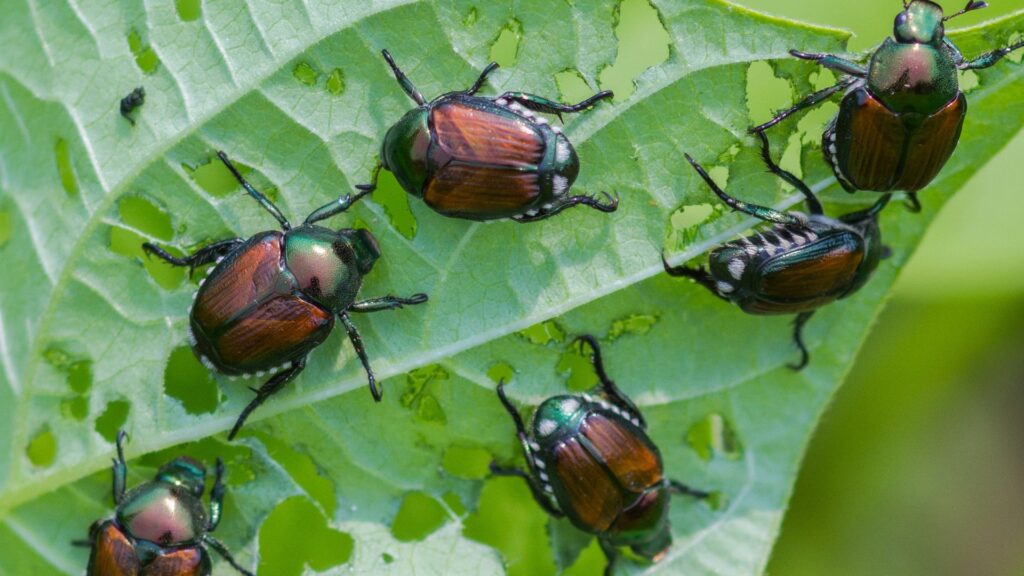
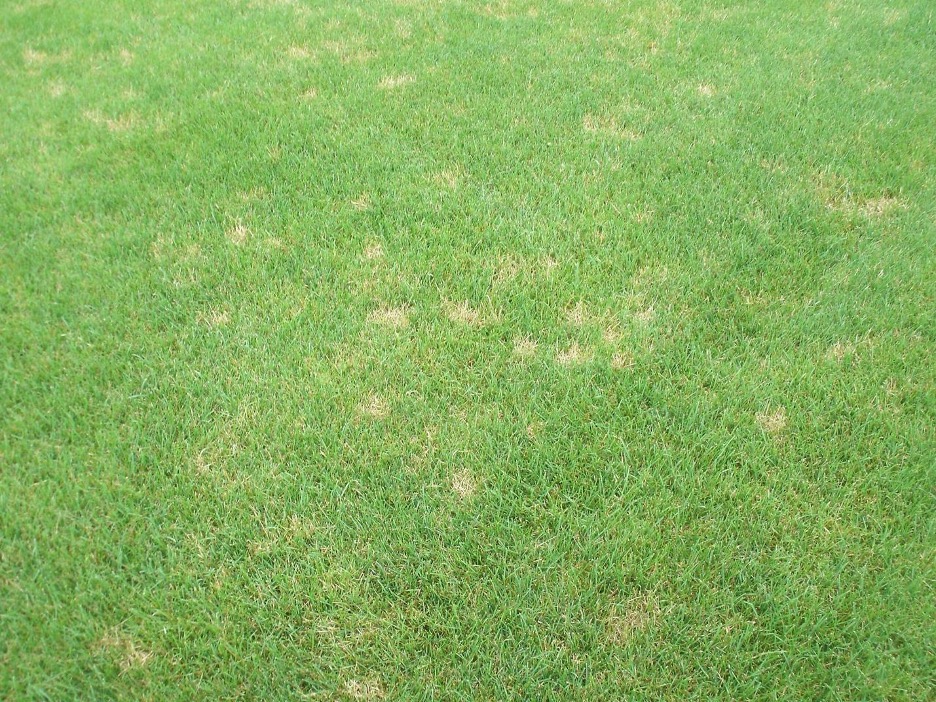
This is when grub prevention becomes critical. Japanese beetle grubs cause massive damage to Cincinnati lawns every year, and the time to prevent them is before they hatch. By the time you see brown patches in August, the damage is already done.
Round 3 includes fertilizer, weed control, surface insect control, grub prevention, and disease control for ELITE customers. Our humid late May weather creates perfect conditions for fungal diseases, so protection now prevents problems later.
Round 4: Summer Maintenance (Starting July 6)
July brings the hottest weather and the most stress for cool season lawns. This round continues fertilizer, weed control, insect control, disease control, and a second grub prevention application.
The fertilizer used during summer differs from spring applications. It releases more slowly and contains less nitrogen to avoid burning grass during heat stress.
Round 5: Late Summer Recovery (Starting August 17)
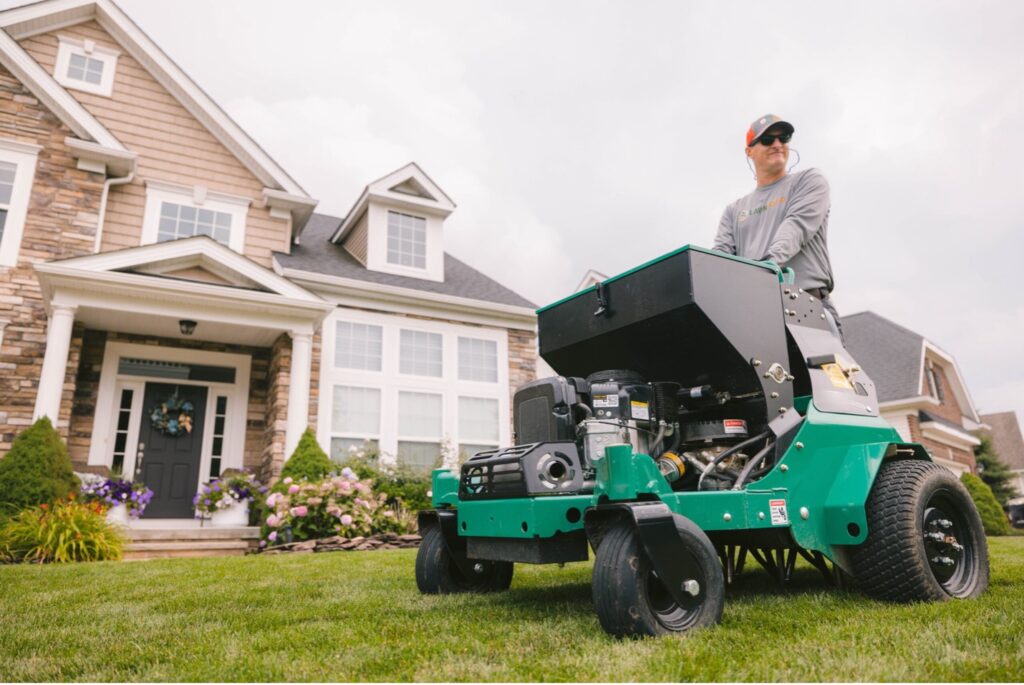
As temperatures begin cooling, your lawn enters its second major growth period. Round 5 includes fertilizer, root stimulant, weed control, insect control, disease control, and core aeration.
The root stimulant helps your lawn recover from summer stress. Core aeration removes small plugs of soil to reduce compaction and allow water, air, and nutrients to reach the root zone.
Round 6: Fall Preparation (Starting September 28)
The final round prepares your lawn for winter with fertilizer, weed control, insect control, winterizer, and a second aeration. The winterizer fertilizer is higher in potassium, which strengthens cell walls and helps grass survive freezing temperatures.
Critical warning: Many homeowners stop fertilizing too early in fall. Your lawn continues growing and storing energy well into October and even November. That late season feeding makes a huge difference in how your lawn looks next spring.
Lawn Squad of Cincinnati handles all this timing automatically. We track soil temperatures, weather patterns, and seasonal conditions across the tri-state area so every application happens at the optimal time.
DIY Fertilization Guide for Cincinnati and Northern Kentucky Lawns
If you prefer handling lawn care yourself, here is how to create an effective fertilization schedule for our region.
Step 1: Early March Application
Purchase a combination product with pre-emergent herbicide and slow release fertilizer. Look for products labeled for crabgrass prevention. Apply when forsythia bushes start blooming, which is a reliable indicator that soil temperatures have reached the right level.
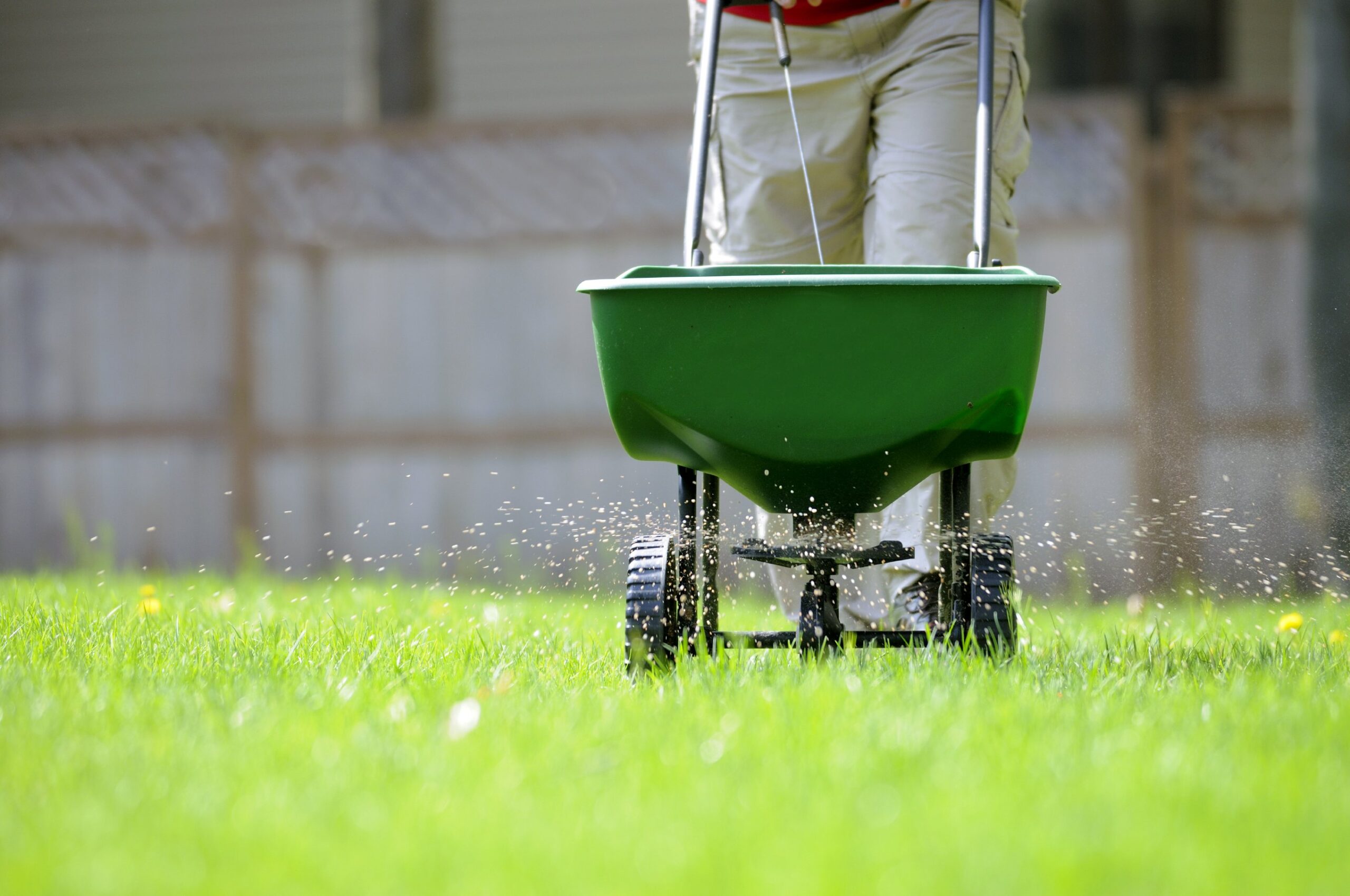
Use a broadcast spreader for even coverage. Calibrate your spreader according to the product label. More is not better with fertilizer. Over-application burns grass and wastes money.
Step 2: Late April Application
Apply a second pre-emergent if your lawn had crabgrass problems last year. Use a fertilizer with broadleaf weed control to knock out dandelions and clover. This combination product handles two jobs in one pass.
Water your lawn after application if rain is not expected within 24 hours. The weed control needs moisture to activate.
Step 3: Late May Application
Apply grub prevention now, before Japanese beetles lay their eggs in your lawn. Products containing imidacloprid or chlorantraniliprole work well for prevention.
Add a balanced fertilizer, but reduce the amount compared to spring. Your lawn needs less nitrogen during the transition to summer.
Caution: Summer Applications
If temperatures exceed 85 degrees consistently, be very careful with fertilizer. Applying too much nitrogen during heat stress can damage your lawn severely.
Consider skipping fertilizer entirely during July if your lawn is struggling. Water deeply but infrequently instead. A brown dormant lawn recovers. A burned lawn needs reseeding.
Step 4: Early September Application
As temperatures cool, apply fertilizer to fuel fall growth. This is the most important feeding of the year for cool season grasses. Your lawn is building the root system and energy reserves it needs for winter survival and spring green up.
Use a higher nitrogen fertilizer now. Your lawn can handle it with cooler temperatures.
Step 5: Late October Application
Apply winterizer fertilizer before the ground freezes. This final feeding strengthens your lawn for winter. Look for products higher in potassium than nitrogen.
Do not skip this step. Many DIY lawn care programs fail because homeowners stop too early.
How to Calculate Fertilizer Amounts for Your Cincinnati Lawn
Knowing how much fertilizer to apply requires understanding your lawn size in square feet.
Step by step process:
- Measure the length and width of your lawn areas
- Multiply length times width for each section
- Add all sections together for total square footage
For example, if your front yard measures 40 feet by 30 feet, that equals 1,200 square feet. If your backyard measures 60 feet by 50 feet, that equals 3,000 square feet. Your total lawn size is 4,200 square feet.
Most fertilizer bags cover a specific square footage. A bag covering 5,000 square feet applied to a 4,200 square foot lawn means you will have some product left over. Save it for the next application rather than over-applying.
What About Soil Testing?
Soil testing reveals exactly what nutrients your lawn lacks and what it has too much of. Without a test, you are guessing.
A soil test shows pH level, which affects how well your lawn absorbs nutrients. It shows phosphorus and potassium levels. It identifies deficiencies that explain why your lawn struggles despite regular fertilization.
Lawn Squad includes soil testing in our ELITE program. Based on the results, we adjust applications throughout the season. If your pH is too low, we apply limestone. If potassium is lacking, we increase it in the winterizer.
We recommend soil testing every two to three years. Soil conditions change over time, and testing keeps your program optimized.
Common Lawn Fertilization Mistakes Cincinnati Homeowners Make
After serving thousands of customers across Greater Cincinnati and Northern Kentucky since 2001, we see the same mistakes repeatedly.
Mistake 1: Fertilizing Too Early in Spring
Cincinnati homeowners get excited when the first warm days arrive in February. They spread fertilizer while soil is still cold. The grass cannot absorb nutrients yet, and much of the product washes away before it helps. Wait until soil temperatures reach 55 degrees consistently.
Mistake 2: Skipping Pre-Emergent Crabgrass Control
Crabgrass is the most common weed problem in Cincinnati lawns. Once it starts growing, stopping it becomes expensive and difficult. Preventative treatment in early spring costs a fraction of curative treatment in summer.
Mistake 3: Applying Too Much Nitrogen in Summer
Heat stressed grass cannot handle heavy fertilization. Pushing growth during drought conditions exhausts your lawn and can cause severe damage. Back off during July and early August.
Mistake 4: Inconsistent Timing
Fertilizer works best when applied at regular intervals. Missing applications or bunching them together creates feast or famine conditions for your lawn. The 42 day interval that Lawn Squad follows keeps nutrients available steadily.
Mistake 5: Stopping Too Early in Fall
Your lawn needs feeding into October and even early November in Cincinnati. The winterizer application is crucial for spring green up. Many homeowners put away their spreaders after Labor Day and wonder why their lawn looks weak in April.
Professional Program vs. DIY: Which Should You Choose?
Professional lawn care programs provide expert timing, commercial grade products, and comprehensive treatment combining fertilizer with weed control, insect prevention, and other services. The cost is higher, but results are more consistent and problems get caught early.
Best for: Homeowners who want a great lawn without the time investment, those who have struggled with DIY results, and anyone dealing with persistent weed or insect problems.
DIY fertilization costs less per application and gives you complete control over your lawn. However, it requires learning about products, timing applications correctly, calibrating equipment, and diagnosing problems yourself.
Best for: Homeowners who enjoy yard work, have time to research and apply products correctly, and have relatively healthy lawns without major weed or pest issues.
Your Cincinnati Lawn Fertilization Calendar at a Glance
Professional Program (Lawn Squad ELITE)
| When | What We Apply | Why It Matters |
|---|---|---|
| Early March | Pre-emergent, slow release fertilizer, soil test | Prevents crabgrass, starts spring feeding, identifies soil needs |
| Mid-April | Pre-emergent, fertilizer, weed control, insect control | Continues crabgrass prevention, kills broadleaf weeds |
| Late May | Fertilizer, weed control, insect control, grub prevention, disease control | Prevents summer grub damage and fungal disease |
| Early July | Fertilizer, weed control, insect control, disease control, grub prevention | Maintains lawn through summer heat stress |
| Mid-August | Fertilizer, root stimulant, weed control, insect control, disease control, aeration | Supports fall recovery, reduces soil compaction |
| Late September | Fertilizer, weed control, insect control, winterizer, aeration | Prepares lawn for winter survival |
DIY Program
| When | What to Apply | Products to Use |
|---|---|---|
| Early March | Pre-emergent and fertilizer combination | Crabgrass preventer with fertilizer |
| Late April | Pre-emergent, fertilizer, weed control | Weed and feed product |
| Late May | Grub prevention and light fertilizer | Grub control product plus balanced fertilizer |
| Early September | High nitrogen fertilizer | Fall lawn food |
| Late October | Winterizer fertilizer | Winter lawn food (high potassium) |
The Bottom Line
The best lawn fertilization plan for Cincinnati lawns matches the growth patterns of cool season grasses with our unique Ohio Valley climate. It starts in early March with pre-emergent and slow release fertilizer, continues through summer with careful attention to heat stress, and finishes in late fall with winterizer before the ground freezes.
Key principles to remember:
- Time your first application when soil temperatures reach 55 degrees, typically early March in Cincinnati
- Apply pre-emergent crabgrass control before crabgrass germinates
- Reduce fertilizer during summer heat stress
- Feed heavily in fall when cool season grasses grow most actively
- Do not skip the winterizer application in late October
Following these principles consistently produces thick, healthy lawns that resist weeds, survive drought, and look great year round.
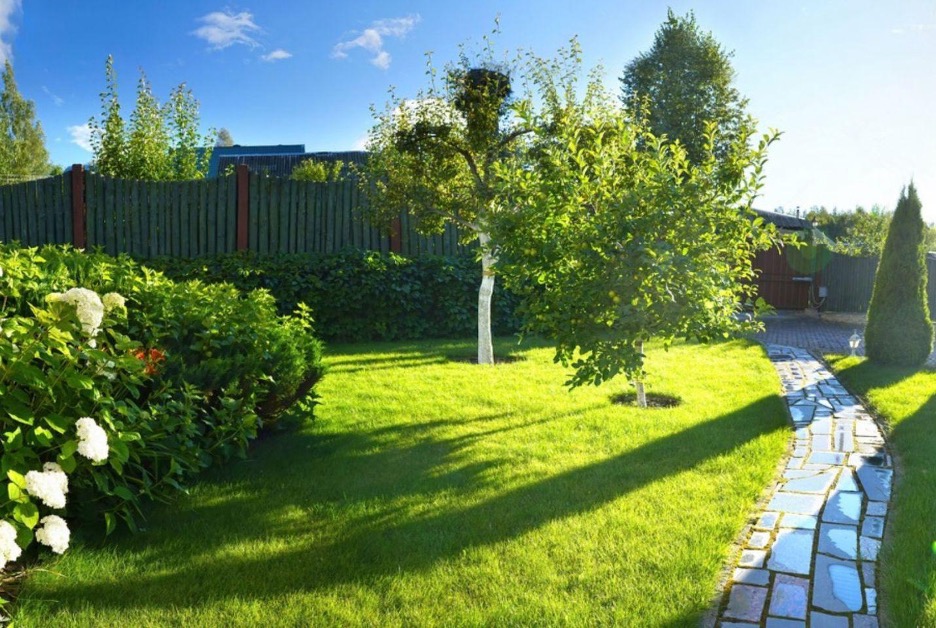
Let Lawn Squad Handle It For You
Every lawn in Cincinnati and Northern Kentucky is different. Soil conditions vary across neighborhoods. Some properties have more shade. Some have drainage issues. Some have persistent weed problems that need extra attention.
Our lawn care programs account for all these variables. We test your soil, track weather conditions, and adjust treatments throughout the season.
The ELITE Program includes:
- Six rounds of slow release fertilizer
- Two pre-emergent crabgrass applications
- Five broadleaf weed control treatments
- Grub prevention
- Surface insect control
- Disease control
- Root stimulant
- Core aeration
- Winterizer
- Soil testing
- Unlimited service calls
Tired of guessing about fertilizer timing? Frustrated with weeds that keep coming back? Ready for a lawn that makes your neighbors jealous?
Contact Lawn Squad of Cincinnati and Northern Kentucky today at 513-817-4887 or visit lawnsquad.com/locations/cincinnati-northern-ky to get a free quote and start your lawn transformation.